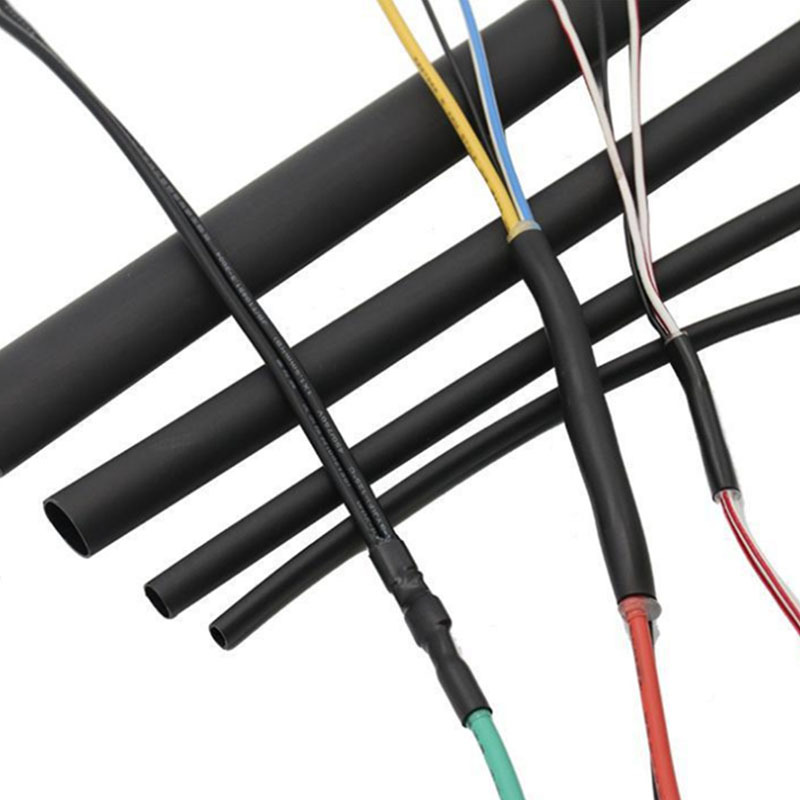
Abrasion-prone cable runs present unique challenges in industrial environments where wires face constant friction, mechanical stress, and exposure to harsh conditions. Selecting the right heat shrinkable tube is critical for protecting your electrical connections and ensuring long-term system reliability. Cable protection failures can lead to costly downtime, safety hazards, and premature equipment replacement, making informed material selection essential for any industrial operation.
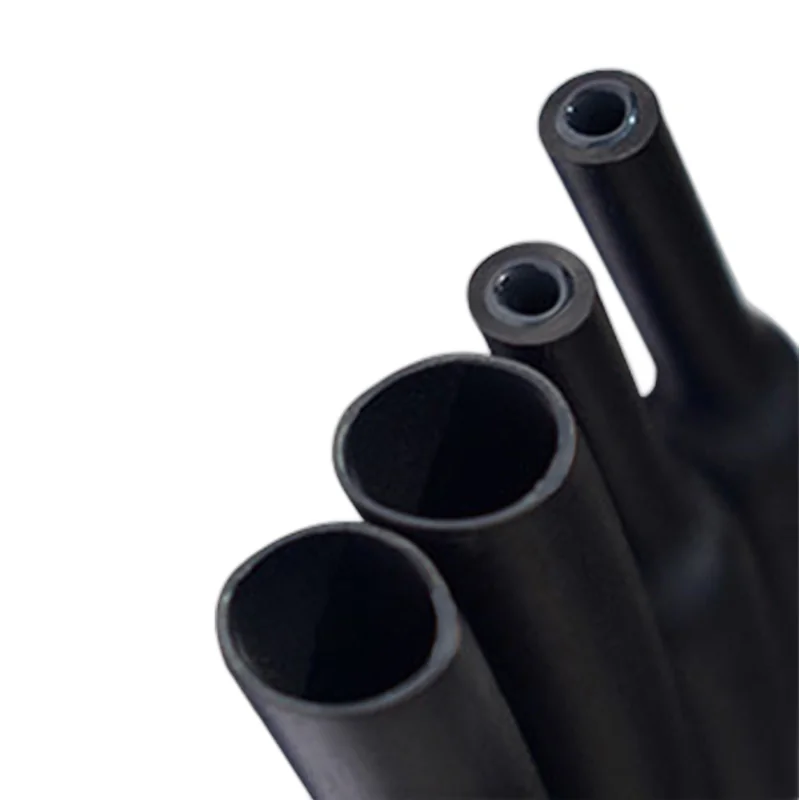
The right heat shrinkable tube solution goes beyond basic insulation. When cable runs are subject to mechanical wear, vibration, and abrasive contact with mounting surfaces or adjacent conductors, standard tubing often fails to provide adequate protection. This guide walks you through the key criteria for selecting heat shrinkable tube that will endure demanding industrial wiring applications and deliver consistent performance over years of operation.
Understanding Cable Abrasion Challenges and Protection Requirements
Why Abrasion Resistance Matters in Industrial Wiring
Cables in industrial environments rarely remain static. They flex, vibrate, and rub against metal edges, fasteners, and other sharp surfaces throughout their operational life. Traditional single-wall tubing may crack under repeated mechanical stress, exposing conductors to moisture and environmental contaminants. For industrial wiring applications, failure isn't just an inconvenience; it can trigger electrical faults, equipment shutdowns, and safety risks that affect production schedules and worker safety.
Abrasion damage often begins invisibly. Micro-tears in basic heat shrinkable tube tubing expand slowly until internal conductors are exposed. By the time visible degradation appears, the damage is already substantial. Selecting protective materials that resist both the initial abrasive contact and the cumulative mechanical wear becomes a fundamental strategy for reducing maintenance costs and extending asset lifespan.
The Role of Dual Wall Technology in Abrasion Protection
Dual wall heat shrinkable tube designs incorporate two layers of material, each serving a distinct protective function. The outer layer provides mechanical strength and abrasion resistance, while the inner adhesive layer creates a sealed, waterproof bond around the cable. This dual wall configuration is specifically engineered to handle industrial wiring scenarios where single-layer protection would fail. The adhesive component also flows and conforms to irregular cable surfaces, eliminating gaps where moisture and contaminants could penetrate.
When heat is applied during installation, dual wall tubing shrinks uniformly and the inner adhesive melts, creating an integrated protective envelope. This approach is far superior to post-application sealing, as it prevents air pockets and ensures consistent contact around the entire cable circumference. For wire termination work in abrasion-prone environments, dual wall technology significantly extends the service interval before replacement becomes necessary.
Material Selection and Performance Criteria
Evaluating Material Grade and Shrink Ratio Specifications
Heat shrinkable tube comes in multiple material grades, each optimized for different environmental conditions. Cross-linked polyolefin (XLPE) tubing offers excellent chemical resistance and flexibility, making it ideal for general industrial wiring applications. Fluoropolymer-based heat shrinkable tube provides superior temperature tolerance for applications near heat sources or in extreme climate conditions. The shrink ratio, typically 2:1 or 3:1, determines how much the tubing compresses when heated and directly affects the final seal quality around varying cable diameters.
Choosing the correct shrink ratio for your cable geometry is essential. A 2:1 ratio works well for relatively uniform cable runs, while 3:1 tubing accommodates greater diameter variation and irregular surfaces common in field repairs. Material thickness also influences abrasion resistance. Thicker-walled heat shrinkable tube provides better mechanical protection, though it requires higher application temperatures and longer heat application times. For abrasion-prone cable runs, prioritize material grades specifically rated for mechanical environments rather than general-purpose tubing.
Temperature Range and Environmental Durability
The operating temperature range of your heat shrinkable tube must align with both the cable's thermal environment and the storage conditions where it will be deployed. Standard polyolefin tubing typically handles continuous exposure up to 135°C, while premium grades extend this range to 150°C or higher. Adhesive-lined dual wall tubing must maintain its seal integrity across this entire range without degradation. Environmental factors beyond temperature also matter. UV exposure degrades unprotected outer layers, while chemical contact with oils, coolants, and solvents can compromise material integrity.
For industrial wiring in chemically active environments, select heat shrinkable tube formulations with documented chemical resistance to fluids present in your facility. Flame-retardant grades protect against fire risk in applications near ignition sources. Halogen-free options reduce toxic gas emission if fire occurs, meeting safety regulations in confined spaces. Document the environmental conditions where your cables will operate, then cross-reference them against the technical datasheets of candidate heat shrinkable tube products before making final selections.
Installation Practices and Long-Term Maintenance Considerations
Proper Heat Application and Cure Time for Seal Integrity
Installation quality directly determines how well your heat shrinkable tube will protect against abrasion. Heat guns must be applied evenly, maintaining consistent temperature across the tubing surface. Excessive localized heating can damage the outer layer and compromise adhesive function, while insufficient heating leaves the tubing loose and the inner seal incomplete. For dual wall products, allow adequate cure time after heating before placing cables under mechanical stress. The inner adhesive layer requires time to fully set and develop maximum bond strength with the cable jacket.
Many field failures result from rushing the installation process. Premature cable movement before the adhesive fully cures can disturb the seal and create micro-gaps where moisture enters. Best practices require waiting at least 24 hours after heat application before exposing cables to vibration, flexing, or abrasive contact. Documenting installation dates and heat application temperatures creates a maintenance record that helps predict when re-inspection or replacement becomes necessary, especially important for wire termination work in critical circuits.
Monitoring and Preventive Replacement Strategies
Even the best heat shrinkable tube eventually requires replacement due to cumulative environmental exposure and mechanical wear. Establish a regular inspection schedule for cables in high-abrasion zones. Look for visible cracking, whitening of the outer layer, or separation of the tubing from the cable jacket. These signs indicate that the protective barrier is degrading and that risk of electrical failure is rising. Preventive replacement of tubing showing early wear prevents emergency shutdowns and safety incidents that occur when protective barriers suddenly fail.
Environmental records enhance predictive maintenance strategies. Facilities with seasonal temperature extremes or high chemical exposure rates typically need more frequent tubing replacement cycles. Maintain spare heat shrinkable tube in inventory matched to your cable gauges and environmental ratings. When field repairs are needed, use the same product specifications as the original installation to ensure consistent protection. Document all replacement work, noting cable location, original tubing condition, and replacement date. This data identifies problem zones where cable design or routing should be improved to reduce future abrasion stress.
FAQ
What wall thickness should I choose for heat shrinkable tube protecting abrasion-prone cables?
For abrasion-prone industrial wiring, dual wall heat shrinkable tube with a total wall thickness of 0.45 to 0.60 millimeters provides optimal protection without excessive bulk. Thinner tubing saves space but sacrifices durability, while excessively thick material becomes difficult to work with in confined installation areas. Match wall thickness to your cable diameter and the specific abrasion hazards present. Consult the manufacturer's technical data to ensure the selected thickness maintains seal integrity across your operating temperature range and expected service life.
Can heat shrinkable tube repair damaged wire termination on existing cables?
Yes, heat shrinkable tube can effectively restore protection to wire termination areas showing damage from abrasion or age. The tubing encapsulates exposed conductors and restores the protective barrier, extending cable life significantly. However, successful repair requires that the underlying cable insulation remains intact; if copper is already exposed due to abrasion damage, the cable section should be replaced rather than repaired. Dual wall formulations work best for repairs because the adhesive layer bonds securely to existing cable jackets even if those surfaces are slightly degraded, providing a reliable seal without requiring surface preparation.
How does dual wall heat shrinkable tube improve protection compared to standard single-wall tubing?
Dual wall heat shrinkable tube provides two critical advantages over single-wall alternatives. First, the thick outer mechanical layer resists abrasion damage far better, protecting the cable through years of contact with rough surfaces. Second, the inner adhesive layer creates a waterproof seal that prevents moisture infiltration even if the outer layer sustains minor damage. This combination is essential for industrial wiring in harsh environments where cables face both mechanical stress and moisture exposure. Single-wall tubing fails much faster under these conditions, requiring more frequent replacement and leaving longer periods when cables remain inadequately protected.
 EN