Selecting the right wire harness sleeve is critical for industries where technicians frequently access, reconnect, and service electrical systems. In automotive, industrial control, and aerospace applications, wires and cables face constant flexing, abrasion, and environmental stress. A poorly chosen cable protection solution fails quickly, leaving conductors exposed to damage, short circuits, and safety hazards. The difference between a sleeve that lasts months versus years often comes down to material selection, construction method, and understanding your specific service access patterns.
This guide walks you through the key factors that determine whether a wire harness sleeve will withstand repeated service access demands. You will learn how abrasion resistance relates to material composition, weave density, and environmental conditions. By the end, you will have a practical framework for comparing cable protection options and making selections that reduce maintenance costs and downtime in your operations.
Understanding Abrasion-Resistant Wire Harness Sleeve Materials
Core Material Properties for Cable Protection
The foundation of any durable wire harness sleeve lies in its material composition. Polyester and polypropylene are common, but they degrade quickly under repeated rubbing and UV exposure. Aramid fibers, silicone-coated braids, and polyethylene terephthalate (PET) offer significantly better abrasion resistance because they resist mechanical wear at fiber level. When you access automotive wiring harnesses repeatedly, friction between the connector, the loom, and surrounding hardware creates cumulative damage. A wire harness sleeve with higher fiber density and tighter weave patterns resists this friction longer. Material thickness also matters, but it must be balanced against flexibility, since overly rigid cable protection restricts routing and repair accessibility.
Weave Density and Construction Method
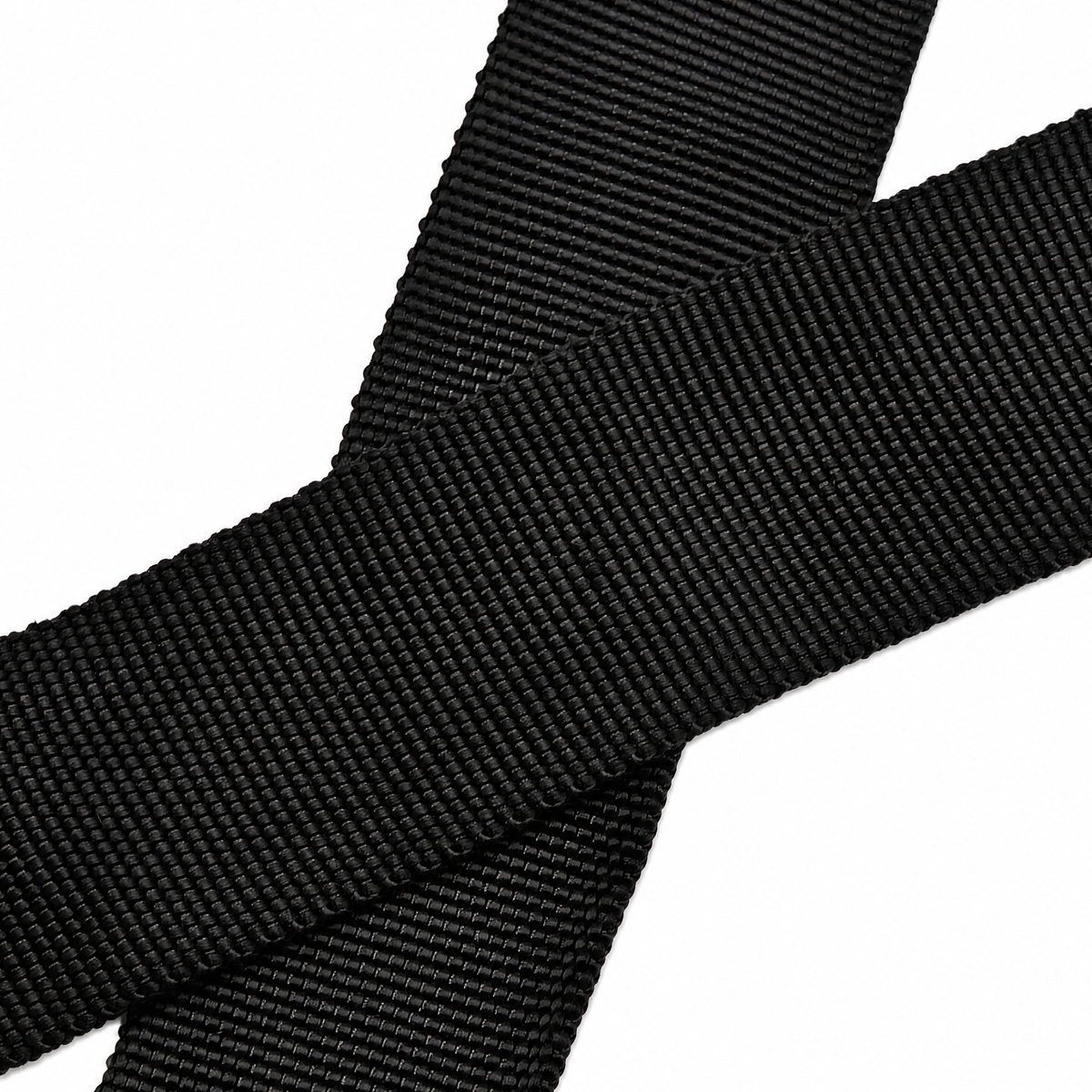
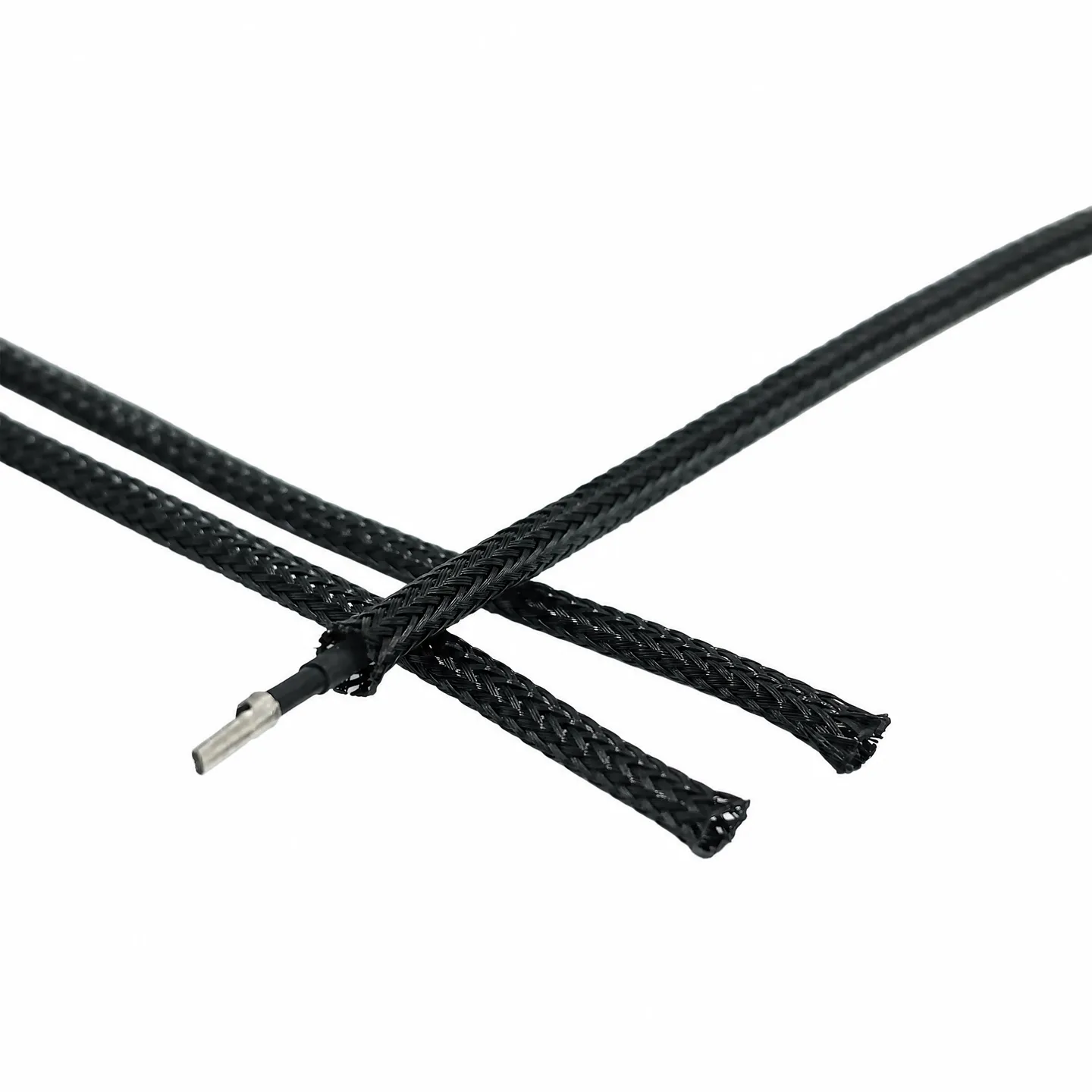
Braided construction typically outperforms simple wrapped or spiral designs for automotive wiring and repeated-access scenarios. A tightly braided wire harness sleeve distributes abrasion forces across many fibers simultaneously, while loose braids allow individual strands to bear concentrated stress. Double-braided configurations provide exceptional abrasion resistance by creating an inner and outer protective layer, though they add cost and diameter. For automotive wiring systems that see frequent disconnection and reconnection during service intervals, this extra investment often pays back through extended sleeve life. The interlocking geometry of braided cable protection also prevents unraveling if the outer layer is nicked, a common failure mode in field conditions.
Assessing Your Repeated Service Access Requirements
Frequency and Harness Routing Patterns
Abrasion-resistant wire harness sleeve selection must account for your specific maintenance schedule. If technicians access the same harness connection points weekly or monthly, the sleeve endures more cumulative friction than a system serviced annually. Routing proximity also affects pressure: a cable protection sleeve that passes through tight engine bays, pinch points, or sharp corner radii experiences higher abrasion rates than harnesses routed along open panels. Mapping your actual service patterns reveals which circuit segments warrant premium abrasion-resistant sleeves and where standard automotive wiring protection suffices. This targeted approach optimizes cost without compromising reliability. Additionally, temperature cycling during repeated access and thermal stress from nearby components accelerates material degradation, requiring even greater abrasion resistance in high-heat zones.
Environmental and Chemical Exposure
Automotive wiring systems deployed in harsh environments face additional abrasion risks beyond mechanical friction. Salt spray, engine oil, hydraulic fluid, and ozone attack many polymers, weakening fiber bonds and accelerating surface wear. A wire harness sleeve selected for coastal or industrial environments must resist both chemical penetration and the resulting loss of structural integrity. Silicone-impregnated braided sleeves provide better chemical resistance than bare polyester cable protection. UV exposure is equally important; fibers exposed to direct sunlight without UV-protective coatings become brittle and more susceptible to abrasion damage during service access. For automotive applications where wires pass under hoods or through door jambs, UV resistance should rank equally with mechanical abrasion resistance. Testing under ASTM standards specific to cable protection materials ensures that marketed abrasion resistance translates to your real-world conditions.
Selection Criteria and Implementation Strategy
Matching Sleeve Specifications to Wire Gauge and Bundle Size
A wire harness sleeve must accommodate your conductor bundle without creating internal pressure that causes abrasion from within. Oversized cable protection adds unnecessary bulk and weight, restricting routing flexibility and increasing connector strain. Undersized sleeves crush wires together, causing internal chafing that defeats the purpose of protection. Most manufacturers publish sizing charts correlating wire gauge and bundle count to recommended sleeve inner diameter. When selecting automotive wiring harness sleeves for mixed-gauge bundles, choose the diameter that fits your maximum conductor count, then verify that minimum-gauge wires do not shift excessively inside the protective sheath. Inner-to-outer diameter ratio also influences abrasion resistance; some premium sleeves include foam or fabric liners that cushion wires while providing additional cable protection against both external and internal mechanical wear.
Installation Best Practices and Maintenance Protocols
Even the most abrasion-resistant wire harness sleeve fails prematurely if installed incorrectly. Proper routing eliminates unnecessary bending radii that create stress concentration zones where the cable protection wears faster. Route sleeves along natural wire paths and secure them at regular intervals using ties or clamps that do not pinch or cut into the outer layer. During repeated service access, inspect sleeves for early wear signs such as fuzzing, discoloration, or fiber separation. Catching these indicators early lets you replace compromised sections before conductors become exposed. For critical automotive wiring circuits, consider implementing a documented replacement schedule based on your specific access frequency and environmental data. This proactive approach proves more cost-effective than emergency repairs caused by wire exposure and electrical failures during customer visits or production downtime.
FAQ
What material offers the best abrasion resistance for repeated service access?
Aramid or silicone-coated braided materials provide superior abrasion resistance compared to standard polyester. For automotive wiring systems requiring frequent access, double-braided aramid or PET-based sleeves resist cumulative friction and mechanical wear best. The combination of high fiber strength, tight weave density, and chemical resistance makes these materials ideal for industrial and automotive environments where cable protection must withstand repeated disconnection and reconnection cycles.
How do I determine the correct wire harness sleeve diameter?
Match the inner diameter of your wire harness sleeve to your conductor bundle size using the manufacturer's sizing chart. The sleeve should fit snugly without crushing wires or creating internal pressure that causes abrasion. For mixed-gauge bundles, select the diameter accommodating your maximum wire count. Verify that smaller conductors do not shift excessively inside the protective sheath, as this movement causes internal chafing and reduces the effectiveness of your cable protection investment.
When should I replace an abrasion-resistant wire harness sleeve?
Replace your wire harness sleeve if you observe visible fiber separation, discoloration indicating chemical penetration, fuzzing on the outer surface, or if conductors become partially visible. Establish a preventative replacement schedule based on your access frequency and environmental conditions. For automotive wiring harnesses accessed weekly, annual inspection and every 18-24 months of replacement often provides the best balance of safety and cost. More frequent service access or harsh chemical exposure may require more aggressive replacement intervals to maintain cable protection reliability.
 EN