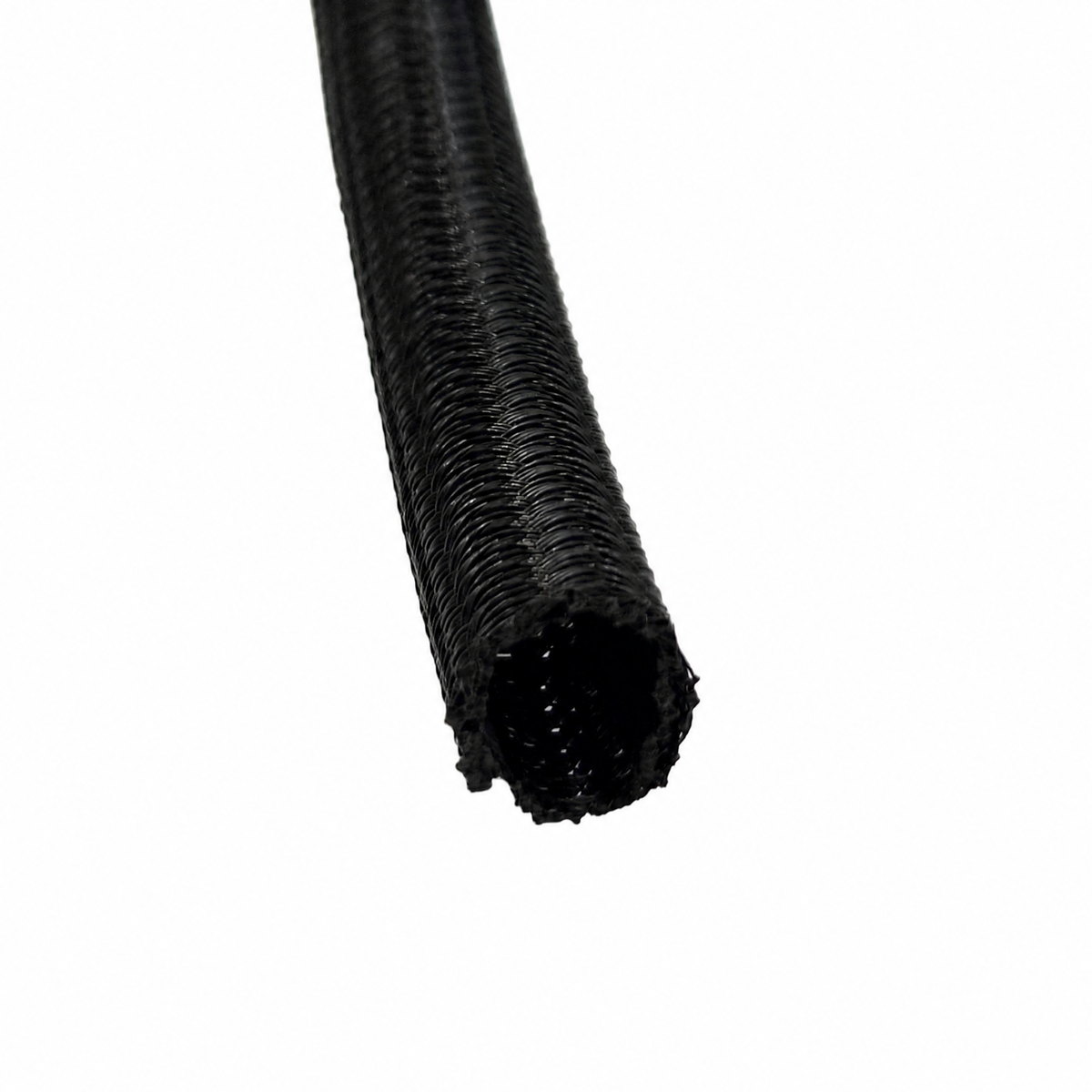
Cable damage during installation is one of the most common and costly mistakes in industrial wiring projects. When installing a self closing wrap, improper technique can crush, abrade, or pinch conductors before the protection even takes effect. This guide walks you through practical strategies to keep your cables safe throughout the entire installation process, from preparation through final deployment.
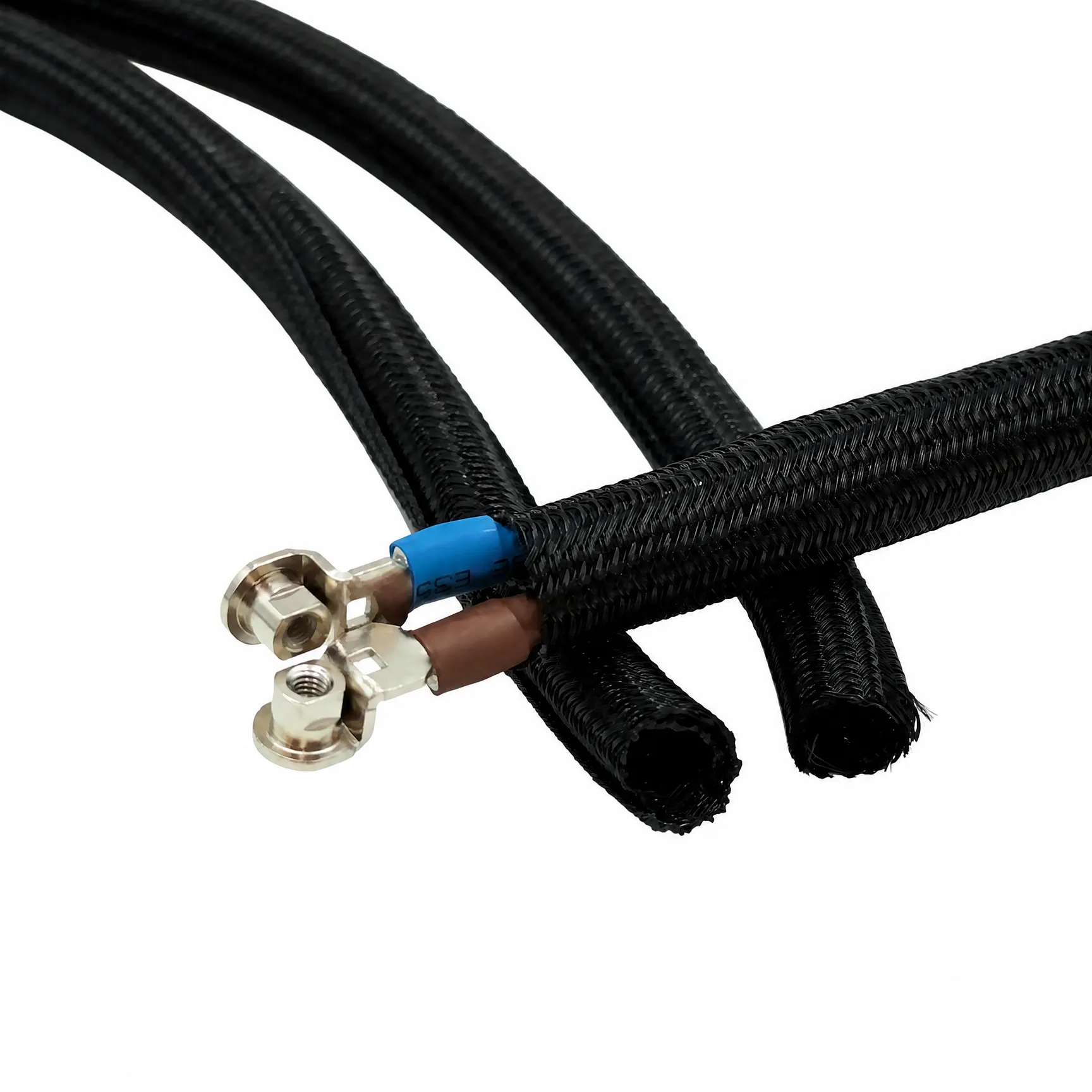
Understanding the mechanics of self closing wrap installation helps you anticipate damage risks before they occur. Unlike traditional tape or rigid conduit, self closing wrap relies on proper tension and alignment to function effectively. The material must slide smoothly over the cable bundle without excessive friction or compression. When installers rush this step or apply the cable wrap incorrectly, the protective benefits vanish and damage becomes inevitable.
Preparation and Material Assessment
Inspect Your Cable Bundle Before Installation
Begin by examining the cables you plan to protect with split sleeving or cable wrap. Look for existing nicks, cuts, or exposed conductors. Sharp bends, kinked sections, or crushed areas should be addressed before wrapping. If the cable bundle has rough edges, consider wrapping the vulnerable spots with electrical tape first. This creates a smooth baseline and prevents the self closing wrap from catching on existing damage during installation.
Check the cable diameter and bundle geometry carefully. Self closing wrap works best when wrapped around consistently sized bundles. Irregular shapes or bulges force uneven tension across the wrap material, creating stress points that can cut into conductors. Reorganize the cable bundle if needed to achieve a more uniform cross-section. This simple step dramatically reduces damage risk during installation.
Choose the Right Cable Wrap Size and Material
Selecting the correct split sleeving size is crucial for preventing cable damage. Oversized wrap slides too loosely, fails to protect effectively, and can bunch or fold during installation, potentially damaging the cable wrap itself or underlying conductors. Undersized wrap forces excessive tension during application, crushing the cable bundle and defeating the entire purpose of protection. Measure your cable bundle outer diameter and choose a self closing wrap size that provides a snug fit with minimal force required to close.
Material composition matters equally. Higher-quality self closing wrap resists tearing, maintains consistent tension, and glides smoothly over conductors without snagging. Cheaper alternatives often have rough internal surfaces or uneven construction, increasing friction and damage potential. Invest in premium cable wrap designed for your cable type and environmental conditions.
Proper Installation Technique
Execute Smooth, Controlled Application
The installation method directly determines whether your cable wrap provides genuine protection or inflicts damage. Begin at one end of the cable bundle and position the self closing wrap carefully. Never force or jam the bundle into the wrap opening. Instead, guide the cables gradually through the split sleeving as you move along the bundle length. This smooth, controlled motion prevents the cable wrap from pinching or compressing individual conductors.
Use steady hand pressure rather than sudden movements. Jerky installation introduces unpredictable forces that can cut into cables or create pressure points. Some installers use a slight rotating motion while inserting the cable bundle, which helps the self closing wrap settle evenly around all conductors. This technique reduces localized stress and ensures uniform protection. Take your time; rushing this phase is the primary cause of cable damage during wrap installation.
Manage Tension and Overlap
Once the self closing wrap is positioned around the cable bundle, the closing mechanism must be engaged carefully. Gentle finger pressure applied gradually typically closes the wrap properly without crushing cables underneath. Avoid slamming or aggressively pressing the closure together. If the wrap resists closing smoothly, stop and reassess the cable bundle diameter or wrap size. Forcing a closure indicates a mismatch that will damage your cables.
When multiple wraps or overlapping sections are needed, ensure adequate spacing between applications. Overlapping cable wrap layers can create pressure concentrations that squeeze underlying conductors. Stagger the seams if possible and maintain at least half an inch of separation where wraps transition. This prevents the bundled weight of multiple layers from crushing the cables during and after installation.
Service Access and Ongoing Protection
Plan for Future Maintenance and Cable Inspection
Cable wrap serves long-term protection, but you must maintain service access for troubleshooting, inspection, and future modifications. When installing self closing wrap, leave strategic openings or use split sleeving designs that allow you to open and close the wrap without completely removing it. This design choice prevents repeated installation cycles that increase damage risk. Clearly mark these service access points so technicians understand where inspection and modification can occur safely.
Document which cables run through each wrap section. This record helps future workers understand the bundle composition and prevents accidental damage when accessing specific conductors for testing or replacement. Poor service access planning forces technicians to forcibly remove and reinstall wrap, dramatically increasing the chance of cable damage during these maintenance cycles.
Monitor Environmental Factors
After installation, inspect your cable wrap periodically for signs of damage or degradation. Environmental exposure, thermal cycling, vibration, and chemical contact can weaken the split sleeving over time. Early detection prevents cable damage before the wrap fails. If you notice fraying, discoloration, or separation, plan replacement maintenance immediately. Degraded cable wrap no longer protects effectively and can itself become a cutting hazard.
Temperature fluctuations cause expansion and contraction of both cables and wrap material. In extreme environments, this movement can create stress points where the self closing wrap grips too tightly or loosely. Choose cable wrap materials rated for your operating temperature range. This reduces mechanical stress on underlying conductors and extends the protective lifespan of your installation.
FAQ
Can I reuse self closing wrap after removing it once?
Most self closing wrap designs allow repeated opening and closing without significant degradation, making them ideal for applications requiring frequent service access. However, each cycle of removal and reinstallation introduces some wear to the closure mechanism and can loosen the grip on cables. If you reuse wrap, inspect it carefully for damage and ensure it still closes with gentle pressure. Damaged wrap should be replaced rather than reinstalled, as it may not provide adequate protection.
What cable wrap thickness is best for preventing damage?
Thicker split sleeving generally provides better cushioning and durability than thin materials, but excessive thickness can make installation difficult and require oversized bundles. Medium-weight cable wrap typically offers the best balance between protection and installability. Your specific environment, expected lifespan, and cable sensitivity should guide thickness selection. Consult with the manufacturer to match wrap thickness to your cable type and application requirements.
How do I know if my self closing wrap is damaging cables during installation?
Stop installation immediately if the wrap resists closing smoothly, if you observe visible compression of the cable bundle, or if individual conductors appear pinched or flattened. These signs indicate a size mismatch or installation technique problem. Remove the wrap carefully and reassess. Test conductors with a multimeter to detect any damage. When installing wrap, proceed only when the process feels smooth and natural; any significant resistance signals a problem that requires correction before continuing.
 EN