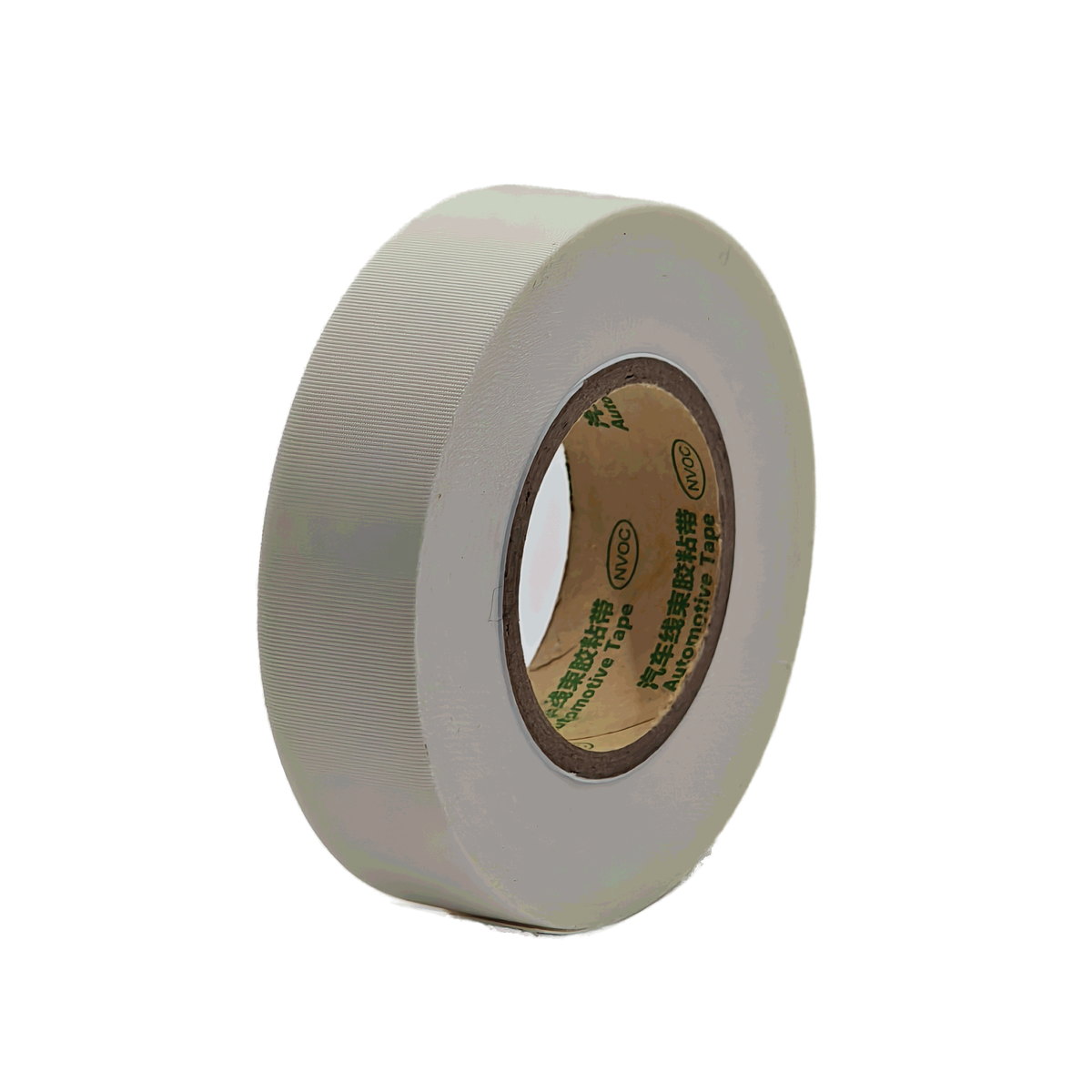
The performance of acetate cloth tape in demanding industrial applications depends on precise control of two critical factors: overlap and tension. Whether securing an automotive harness, bundling wire harness tape, or protecting delicate components, the way you apply cloth tape directly influences adhesion strength, durability, and overall reliability. Understanding how these variables interact allows manufacturers and technicians to achieve consistent, professional results across production environments and field installations.
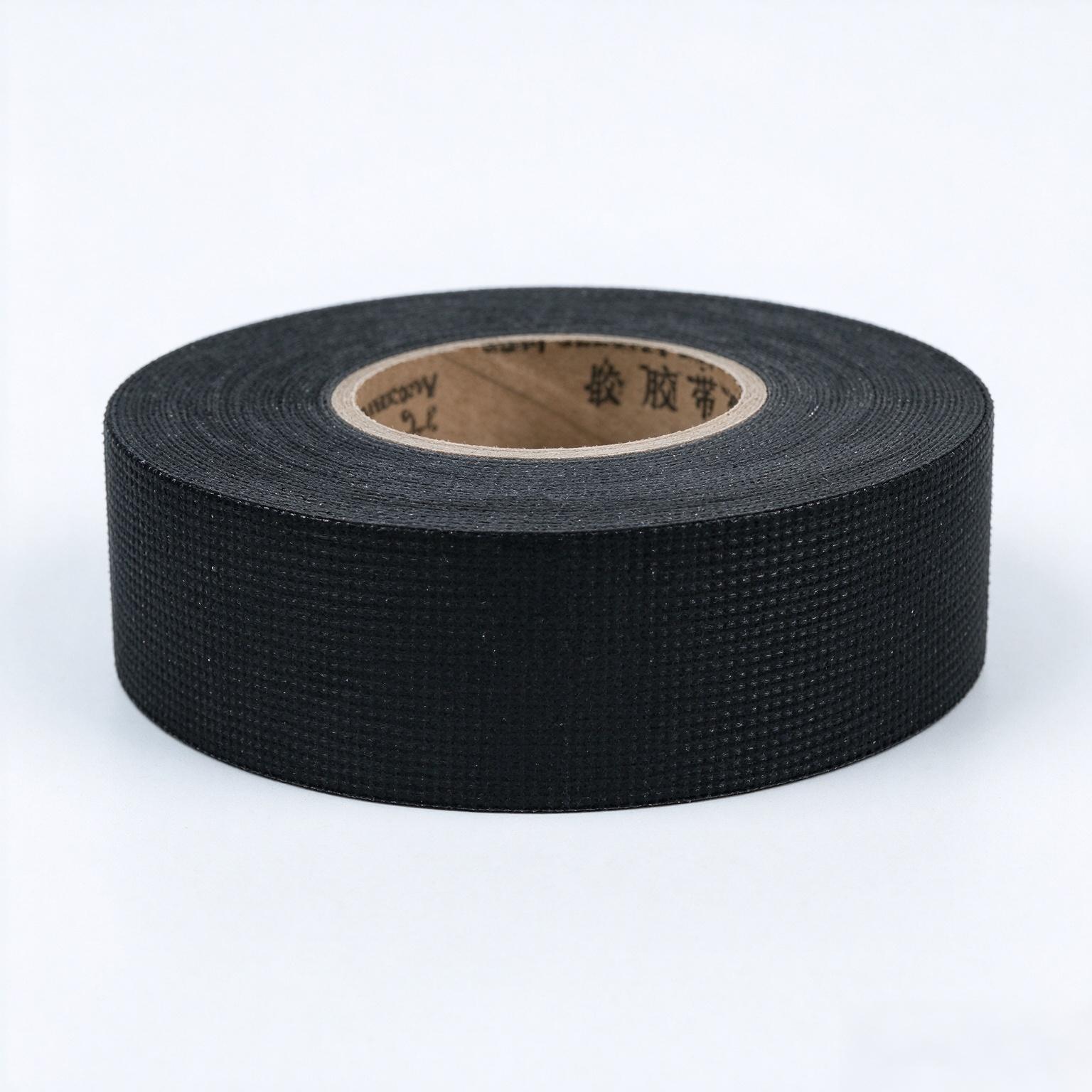
Acetate cloth tape has become the material of choice across automotive, electronics, and industrial sectors because of its superior conformability, temperature resistance, and adhesive properties. However, even the highest-quality cloth tape performs poorly when application technique is overlooked. Improper overlap creates weak joints and premature failure, while incorrect tension introduces wrinkles, bunching, and incomplete contact with the substrate. This guide explores the practical mechanics of overlap and tension, their interdependence, and how to optimize both for maximum tape performance in real-world conditions.
Understanding Overlap in Cloth Tape Application
Why Overlap Matters for Adhesion Strength
Overlap is the degree to which successive wraps of cloth tape cross over each other during application. In automotive harness bundling and wire harness tape work, overlap directly determines how many adhesive layers are bonded to the substrate and how effectively edges seal. When overlap is insufficient, gaps form between tape wraps, allowing moisture, dust, and vibration to penetrate the bundle. This undermines the protective function and shortens the service life of the wire harness tape. Conversely, excessive overlap wastes material and can create localized stress concentrations that eventually tear under mechanical flexing or thermal cycling.
Optimal Overlap Guidelines for Different Applications
Industry standards suggest 50 percent overlap for most general bundling tasks, meaning each new wrap covers half of the previous wrap. For automotive harness applications exposed to higher temperatures, humidity, or vibration, increasing overlap to 60 or 75 percent provides extra protection and redundancy. The cloth tape substrate bonds more securely when multiple layers are present, and the adhesive between layers creates a unified, protective wall. In contrast, applications with minimal environmental stress may function adequately with 30 to 40 percent overlap, reducing material consumption without sacrificing reliability. The key is matching overlap percentage to the specific demands of your automotive harness or wire harness tape installation.
Managing Tension During Tape Application
How Tension Affects Tape Conformability and Contact
Tension refers to the pulling force applied as cloth tape is unwound and wrapped around a bundle or component. Light tension allows the tape to conform naturally to contours and irregular surfaces, maximizing substrate contact and adhesive transfer. Moderate tension balances conformability with material efficiency, creating smooth, wrinkle-free wraps without excessive force. Excessive tension, by contrast, stretches the cloth tape beyond its intended elongation, thinning the adhesive layer and potentially damaging the fabric weave. Under high tension, the tape may spring back after application, leaving gaps or bunching that compromise the seal. For wire harness tape and automotive harness work, finding the right tension ensures the adhesive fully wets the substrate and develops maximum bond strength.
Tension Variability and Its Impact on Long-Term Performance
Inconsistent tension across a single wrap or between multiple wraps introduces weak points where adhesion is compromised. If an operator applies high tension on one segment and light tension on the next, the cloth tape bond integrity becomes uneven. Under thermal cycling or mechanical vibration, stress concentrates at these weak points, causing the tape to peel, crack, or separate. Automated application equipment that maintains constant tension throughout the wrapping process significantly improves repeatability and reduces field failures. When manually applying acetate cloth tape, operators must develop muscle memory and use tactile feedback to maintain steady, moderate tension. This consistency is especially critical in automotive harness applications where safety and reliability are non-negotiable.
Interaction Between Overlap and Tension
How Overlap Compensates for Tension Challenges
Higher overlap can partially offset the negative effects of suboptimal tension. If an operator struggles to maintain perfect tension consistency, increasing overlap from 50 to 60 percent ensures that even segments with slightly lighter tension benefit from the additional adhesive layer provided by the neighboring wrap. The redundancy built into higher overlap acts as insurance against localized weak spots. Conversely, if equipment or manual application consistently delivers high tension, lower overlap may be acceptable because the cloth tape already achieves strong substrate contact. Understanding this relationship allows manufacturers to adapt application parameters to their specific process capabilities while maintaining minimum performance standards for automotive harness and wire harness tape installations.
Balancing Overlap and Tension for Efficient Production
The most efficient application strategy combines moderate, consistent tension with industry-standard 50 percent overlap. This balance maximizes bond strength without wasting material or introducing unnecessary process complexity. When both parameters are stable and matched to the tape properties and substrate, wrapping speed can be optimized without quality loss. For high-volume production of automotive harness assemblies, this approach reduces material cost per unit while maintaining reliability. Periodic audits of finished bundles using peel tests or visual inspection confirm that the selected overlap and tension combination is delivering adequate performance. If field failures occur, investigation often reveals that one or both parameters drifted from specification, prompting corrective action.
Practical Application Strategies for Different Scenarios
Automotive Harness Bundling Best Practices
Automotive harness applications face extreme thermal and vibration loads, requiring robust cloth tape application technique. Start wrapping at one end of the bundle, applying 60 percent overlap and steady, moderate tension. Work methodically along the length, maintaining consistent pressure and speed. If the bundle has sharp corners or irregular shapes, reduce tension slightly at these points to ensure the acetate cloth tape conforms fully without tearing. Check each completed wrap for wrinkles, gaps, or bunching. After wrapping is complete, allow the adhesive to set for 24 hours before handling the bundle aggressively. This ensures the bond fully develops and reaches maximum peel strength before the bundle enters service.
Wire Harness Tape Application in Confined Spaces
Wire harness tape often must be applied in tight engine bays or interior cavities where operator access is limited. In these scenarios, pre-wrapped or semi-automated cloth tape dispensing systems offer significant advantages. Manual application of cloth tape in confined spaces requires careful technique to avoid excessive tension, which can create wrinkles, or insufficient tension, which leaves gaps. Use your fingers to smooth the tape as you apply it, allowing the adhesive to bond evenly. Slightly higher overlap (55 to 65 percent) compensates for the difficulty of maintaining perfect tension consistency in awkward positions. After the initial wrap cures, inspect the bundle from multiple angles to confirm complete coverage and adhesion.
FAQ
What overlap percentage is best for automotive harness bundling?
For most automotive harness applications, 50 to 60 percent overlap provides an excellent balance between performance and material efficiency. If the bundle will experience extreme thermal cycling, vibration, or moisture exposure, increase overlap to 75 percent for extra redundancy and protection. Lower overlap (30 to 40 percent) is acceptable only in protected interior environments where environmental stress is minimal.
How do I know if my tension is too high when applying acetate cloth tape?
Visible signs of excessive tension include the cloth tape stretching visibly as you pull, the fabric appearing thinner or translucent, wrinkles or bunching forming as the tape relaxes, and the adhesive appearing unevenly distributed. If you notice any of these signs, reduce tension immediately and adjust your application technique. The cloth tape should feel snug but not stretched, and it should conform smoothly to the substrate without visible strain.
Can I use lower overlap to reduce material cost?
Lower overlap reduces material consumption per unit, but the savings may be offset by increased field failures, warranty costs, and production rework. Always prioritize reliability and match overlap to your specific application's environmental demands. If cost reduction is necessary, explore more efficient wrapping equipment or bulk purchasing of cloth tape rather than compromising on overlap percentage. The long-term reputation and safety impact of cloth tape performance far outweigh the short-term material savings.
 EN