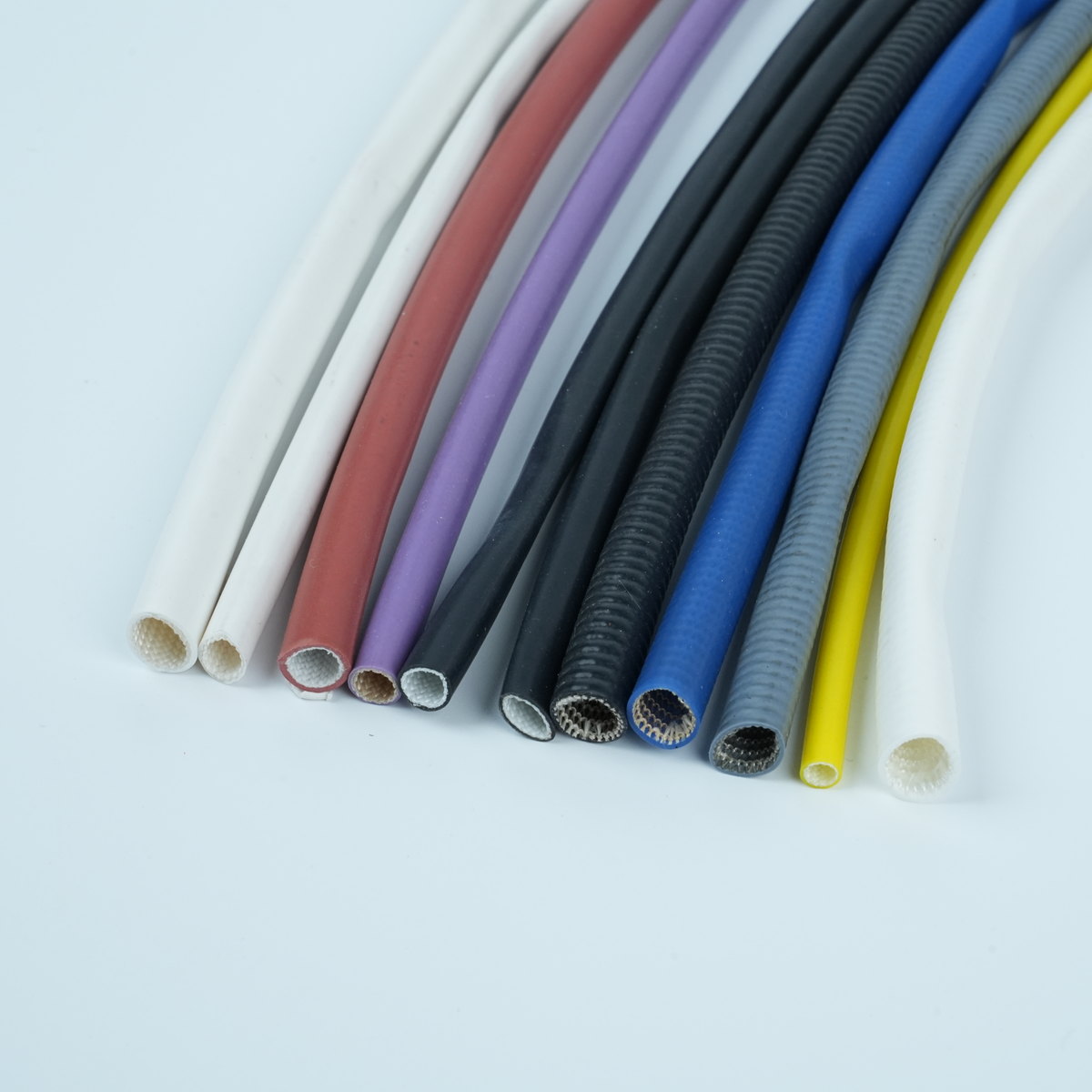
The performance of a fiberglass sleeve depends critically on its material composition and construction methodology. Industrial and electrical applications demand reliable protection for conductors and sensitive components, and understanding how different material layers and construction techniques influence sleeve behavior is essential for selecting the right solution. The material construction determines not only the initial protective capacity but also long-term durability under thermal, mechanical, and chemical stress.
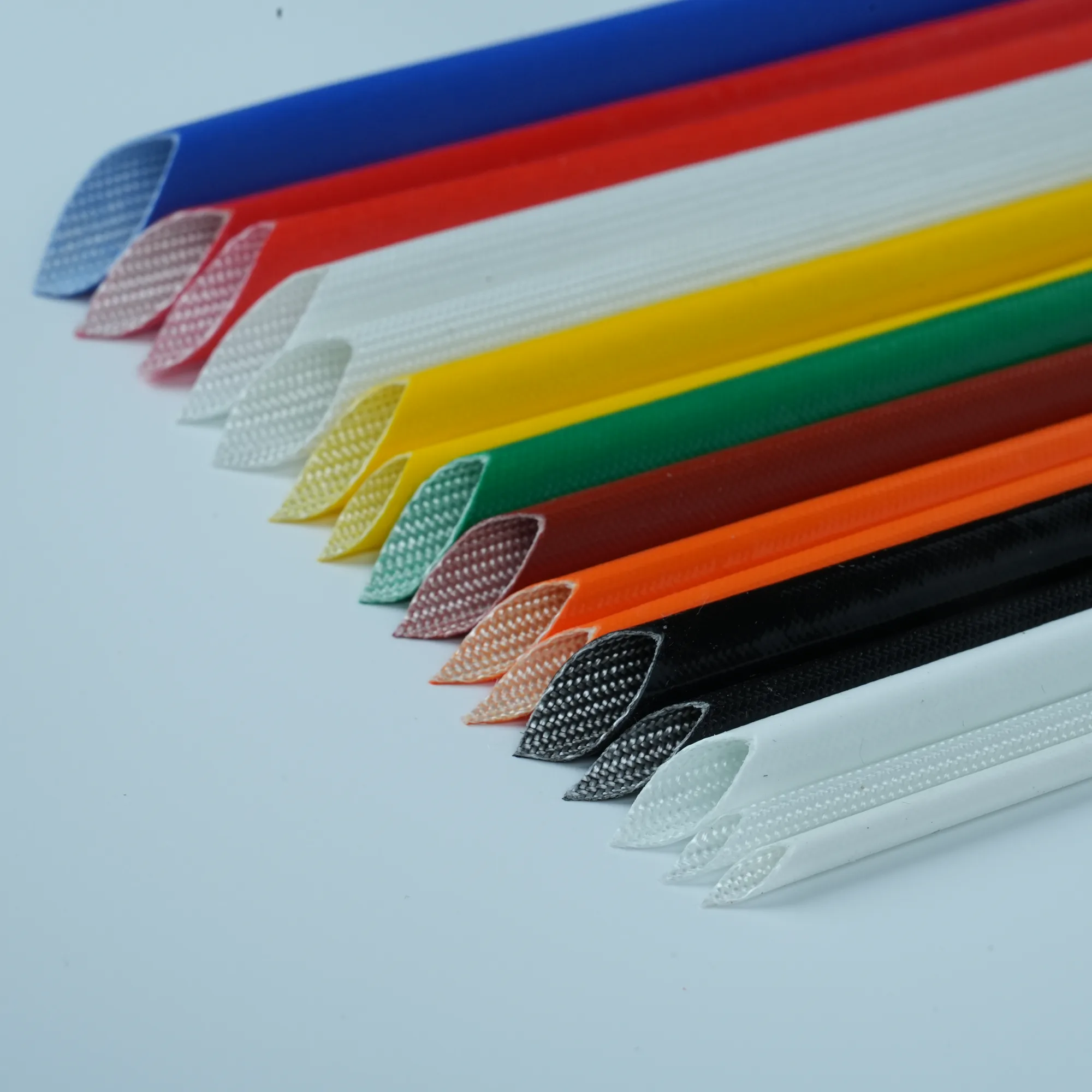
Material construction encompasses the fiber type, weave density, resin impregnation level, and outer coating applied to create a finished fiberglass sleeve. Wire insulation requirements vary across industries, from automotive and aerospace to telecommunications and renewable energy. A heat resistant sleeve must withstand extreme temperatures while maintaining structural integrity and electrical properties. The choice of materials and construction methods directly affects cable protection capabilities and the overall reliability of industrial systems.
Material Composition and Core Performance Factors
Fiber Type and Weave Structure
The base material of a fiberglass sleeve begins with glass fiber strands arranged in specific weave patterns. Tighter weaves create greater tensile strength and puncture resistance, while looser configurations offer enhanced flexibility. High-quality fiberglass sleeves use E-glass or S-glass fibers, which provide excellent strength-to-weight ratios and superior chemical resistance. The weave structure determines how well the sleeve distributes mechanical stress during installation and operation, directly impacting wire insulation protection and overall durability. Multi-directional weaves enhance radial strength, making them ideal for high-pressure cable protection environments.
Resin Impregnation and Binding
Resin systems bond glass fibers together and create the matrix that gives a fiberglass sleeve its structural properties. Epoxy resins offer excellent adhesion and temperature stability, while polyester resins provide cost-effectiveness and good general-purpose performance. The impregnation level—measured as the resin-to-fiber ratio—affects both rigidity and flexibility. Over-impregnation increases brittleness, while under-impregnation compromises fiber holding power. For heat resistant sleeve applications, phenolic or polyimide-based resin systems deliver superior thermal tolerance, enabling performance in extreme environments where standard fiberglass sleeves would degrade. Proper impregnation ensures consistent wall thickness and prevents fiber delamination during thermal cycling.
Outer Coating Systems and Their Impact
Silicone Outer Coatings
Silicone coatings applied to a fiberglass sleeve exterior create exceptional heat resistance and flexibility. Silicone materials resist oxidation, maintain elasticity across wide temperature ranges, and provide superior dielectric properties. These coatings are particularly valuable for heat resistant sleeve applications where sustained temperatures exceed 200°C. The silicone layer also improves cut and tear resistance during handling and installation. For wire insulation in demanding environments—such as engine compartments, furnaces, or industrial ovens—silicone-coated fiberglass sleeves significantly extend service life by protecting the underlying glass fibers from UV degradation and thermal embrittlement. Thickness and cure quality of the silicone layer directly determine the sleeve's environmental resilience.
Ceramic and Composite Coatings
Advanced fiberglass sleeves incorporate ceramic particles or composite coatings for extreme temperature applications. These coatings enhance heat reflection and reduce thermal conductivity into the protected cable. Ceramic-coated sleeves maintain structural integrity at temperatures exceeding 600°C, making them suitable for aerospace, metallurgical, and specialized industrial cable protection scenarios. The construction technique for ceramic coatings requires precise layering to avoid cracking or adhesion failure. Quality composite coatings protect the underlying fiberglass from direct flame exposure and chemical attack. Cable protection in furnaces, welding equipment, and thermal processing facilities often requires this level of material sophistication to ensure continued functionality throughout the equipment lifecycle.
Construction Techniques and Quality Impact
Braiding Methods and Consistency
The braiding process determines wall uniformity and structural consistency of a fiberglass sleeve. Precision braiding machines maintain tight tension control and consistent fiber alignment, resulting in predictable performance characteristics. Manual or semi-automatic braiding introduces variability that can compromise wire insulation reliability. Industrial-grade fiberglass sleeves undergo computer-controlled braiding at specific picks-per-inch settings, ensuring reproducible strength and thermal properties. Consistent construction quality is critical for cable protection in safety-critical applications like aircraft systems or power distribution networks. Tighter braiding creates denser sleeves with superior puncture resistance but slightly reduced flexibility, while looser braiding improves conformability at the cost of reduced impact protection. The optimal braiding density depends on the specific application requirements and environmental stressors.
Coating Application Process
How outer coatings are applied directly affects the heat resistant sleeve's performance and durability. Immersion coating processes create uniform coverage but may leave excess material that requires curing at controlled temperatures. Spray coating offers precision but demands skilled technique to avoid thin spots or runs. Vacuum impregnation systems saturate the fiberglass structure completely, eliminating voids that could harbor moisture or contaminants. Quality construction includes controlled cooling phases that prevent residual stress and micro-cracking in the coating layer. Post-curing procedures ensure complete cross-linking of resin systems and optimal adhesion to the fiberglass base. The cure profile—temperature, duration, and cooling rate—is as important as the material selection itself. Poor application techniques result in premature coating delamination, especially when thermal cycling stresses the bond between layers. Investment in precision coating equipment and process control directly translates to superior cable protection performance and extended service life in field applications.
FAQ
How does wall thickness affect fiberglass sleeve performance?
Thicker walls provide greater mechanical strength and thermal insulation but increase cost and reduce flexibility. The optimal thickness balances protection requirements with ease of installation and cost constraints. For standard wire insulation applications, 0.5–1.0 mm thickness delivers adequate protection, while extreme temperature cable protection often requires 1.5–2.0 mm walls. Thicker heat resistant sleeves maintain structural integrity under sustained thermal load but can become difficult to install over existing cabling without disassembly. Engineers select wall thickness based on application-specific requirements including temperature exposure, mechanical stress, and environmental contaminants.
Can material construction improve fiberglass sleeve chemical resistance?
Yes, material composition directly determines chemical resistance. Silicone outer coatings and epoxy resin systems resist oils, solvents, and industrial coolants better than standard polyester formulations. Cable protection in manufacturing environments with exposure to hydraulic fluids or chemical splashes requires carefully selected resin and coating combinations. Phenolic resins offer superior resistance to harsh chemicals at elevated temperatures. Selecting appropriate material construction prevents degradation that would compromise wire insulation integrity and defeat the protective purpose of the sleeve.
What role does fiber-to-resin ratio play in heat resistant sleeve durability?
The fiber-to-resin ratio determines the balance between structural strength and thermal stability. Higher fiber content increases tensile strength and thermal conductivity, beneficial for mechanical protection but potentially reducing dielectric properties. Higher resin content improves electrical insulation and thermal resistance but can increase brittleness at extreme temperatures. Heat resistant sleeves typically use optimized ratios around 60–65% fiber content, maximizing thermal tolerance while maintaining adequate strength for cable protection. Precise control of this ratio during manufacturing ensures consistent performance characteristics across production batches.
 EN