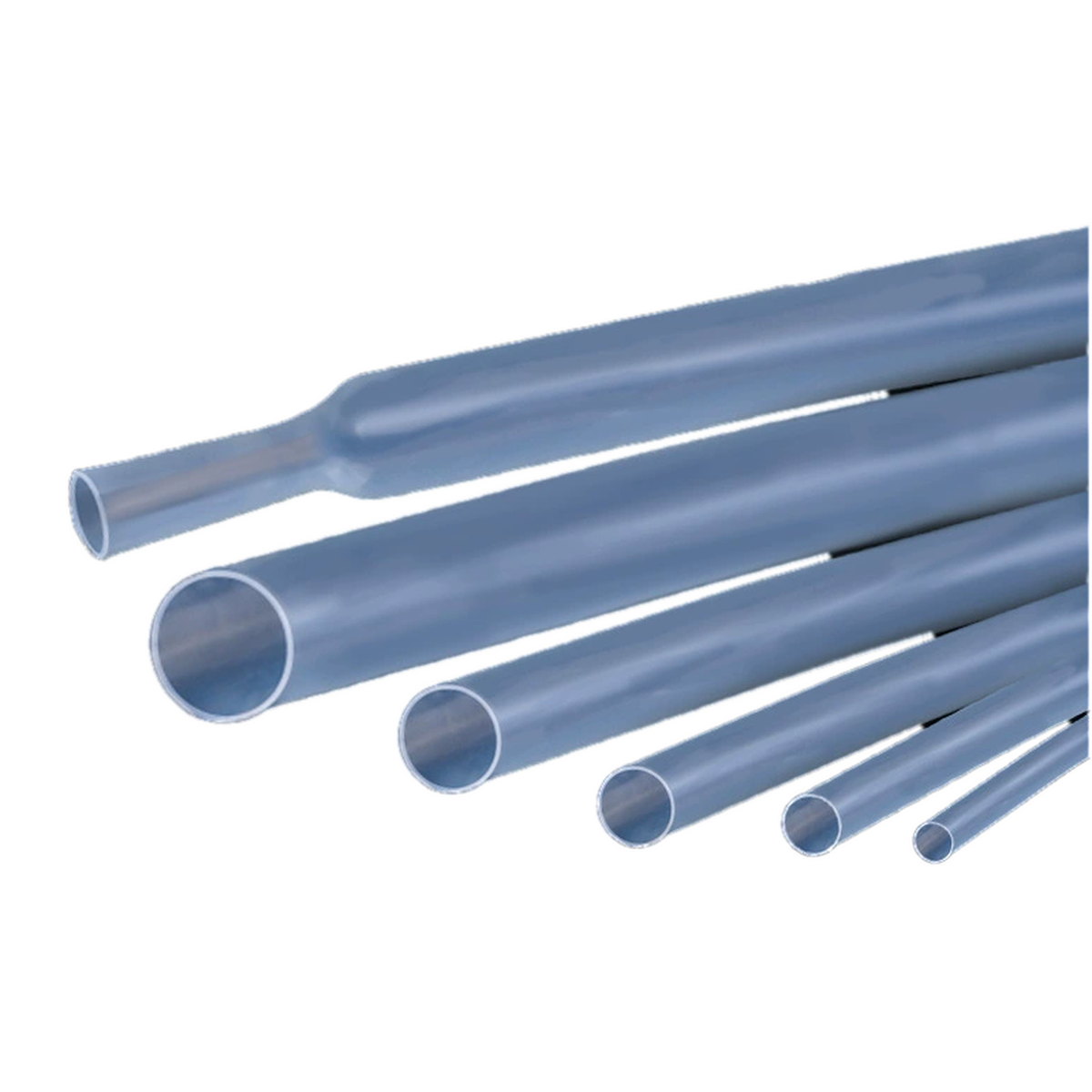
Selecting the right heat shrinkable tube is fundamental to achieving reliable cable bundle management in industrial and electronic applications. Engineers must evaluate multiple technical parameters to ensure that their chosen heat shrink tubing delivers both immediate functionality and long-term durability under operational stress. This comprehensive guide walks you through the critical selection factors that distinguish effective cable protection solutions from inadequate alternatives, enabling informed decision-making across diverse engineering environments.
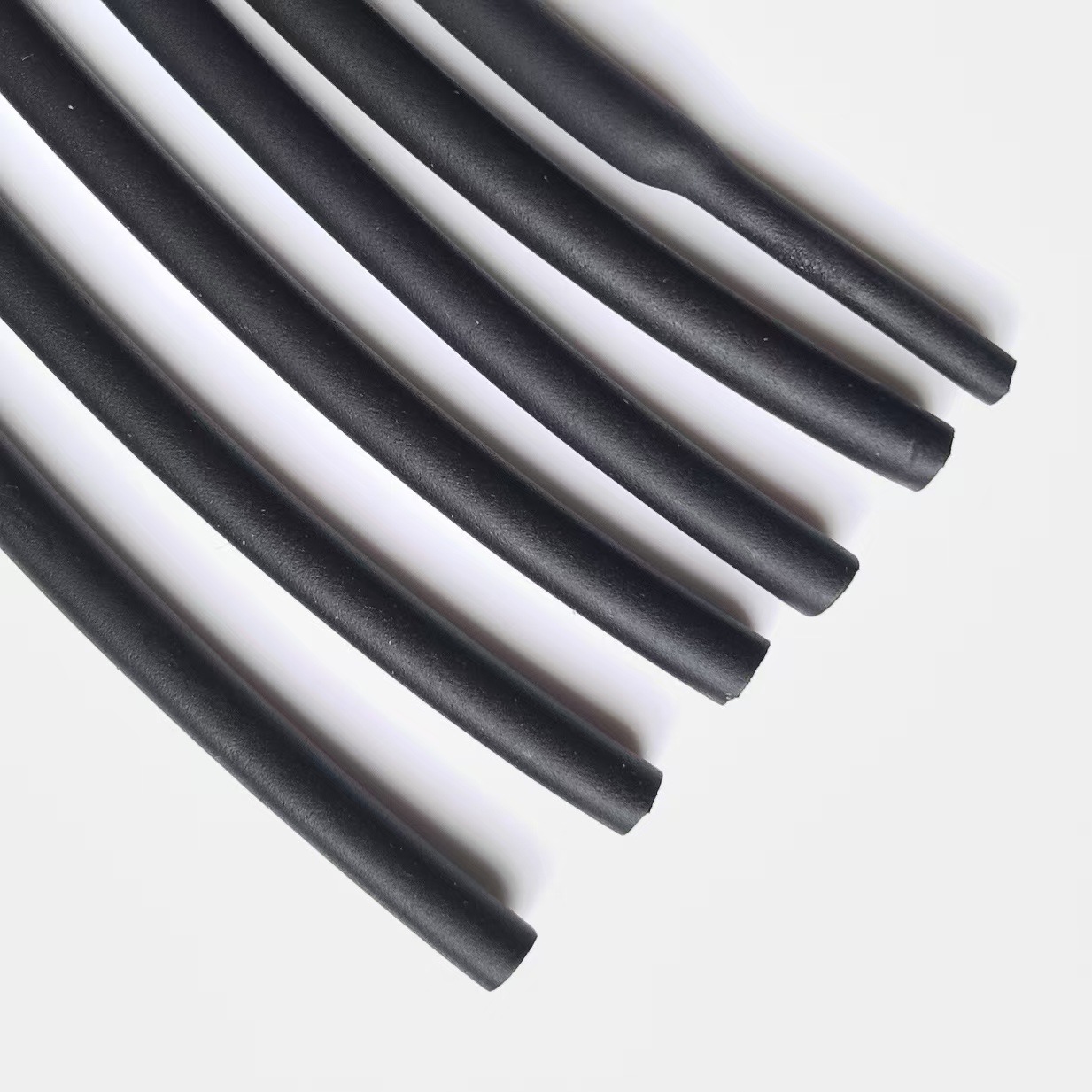
Cable bundle management demands more than basic insulation; it requires thoughtful integration of mechanical protection, thermal performance, and environmental resilience. Heat shrink tubing remains one of the most trusted solutions because it conforms precisely to cable geometry, eliminates gaps where moisture or contaminants can infiltrate, and provides consistent electrical insulation when properly specified. Understanding how to match tubing characteristics to your specific application prevents costly failures, reduces maintenance burden, and supports safety compliance across regulated industries.
Material Composition and Electrical Insulation Properties
Core Material Selection for Electrical Insulation
The polymer matrix forms the foundation of any heat shrink tubing solution. Most industrial applications rely on polyolefin, fluoropolymer, or elastomer formulations, each offering distinct electrical insulation characteristics and chemical resistance profiles. Polyolefin delivers excellent cost efficiency and adequate dielectric strength for standard voltage applications, making it the default choice for general-purpose cable protection. Fluoropolymer varieties provide superior temperature and chemical resistance when bundles must operate in extreme environments or aggressive chemical exposure scenarios.
Electrical insulation performance depends on dielectric strength, volume resistivity, and breakdown voltage ratings. Engineers must confirm that selected heat shrink tubing meets relevant standards such as UL 224, IEC 61384, or equivalent certifications for their voltage class and application category. Dual-wall constructions, where an outer rigid polymer layer bonds with an inner adhesive or elastomer layer, enhance electrical insulation by eliminating air pockets and improving contact integrity around cable surfaces. This layered approach prevents moisture ingress and mechanical abrasion simultaneously, delivering superior long-term reliability compared to single-wall alternatives.
Adhesive-Lined Constructions for Sealed Cable Protection
Adhesive-lined heat shrink tubing incorporates a hot-melt adhesive layer that activates during the shrinking process, bonding firmly to cable surfaces and creating continuous sealed barriers. This construction method addresses moisture, dirt, and corrosive gas penetration far more effectively than non-adhesive solutions, particularly in outdoor, marine, or chemical plant environments. The adhesive layer also dampens vibration, reduces fretting wear between cables, and stabilizes bundle geometry during thermal cycling or mechanical stress.
When specifying adhesive-lined heat shrink tubing, verify that the adhesive formulation matches your temperature and solvent exposure requirements. Standard hot-melt adhesives typically function across minus 40 to 85 degrees Celsius, while specialized formulations extend performance to 130 degrees Celsius or beyond. Engineers working with aggressive solvents, oils, or coolants must confirm chemical compatibility through technical datasheets or compatibility testing, as improper adhesive selection can degrade over time and compromise electrical insulation effectiveness.
Thermal Performance and Environmental Durability
Shrink Temperature and Recovery Characteristics
Heat shrink tubing must be heated to a specific temperature range to activate recovery and create the mechanical seal around cable bundles. Standard polyolefin solutions typically require 100 to 130 degrees Celsius for reliable shrinkage, though low-temperature variants activate as low as 70 degrees Celsius for sensitive applications. High-performance fluoropolymer tubing may require 200 to 250 degrees Celsius, demanding specialized heating equipment and skilled application technique.
Recovery ratio defines how much the tubing contracts during the heating cycle; most commercial products shrink to 50 percent of their original diameter or less. This geometric change creates the compressive force that holds cable bundles together and establishes contact pressure against insulation surfaces. Selecting appropriately sized heat shrink tubing ensures adequate recovery force without over-compression, which can damage underlying cable jackets or deform sensitive connector bodies. Undersized tubing fails to achieve full recovery and leaves loose, ineffective coverage that exposes cables to environmental hazards.
Long-Term Temperature Performance and Aging Resistance
Continuous operating temperature defines the upper thermal limit where heat shrink tubing maintains its mechanical and electrical properties indefinitely. Standard polyolefin solutions typically rate to 90 degrees Celsius continuous, while high-temperature variants extend to 125 degrees Celsius or higher. Fluoropolymer and specialized elastomer constructions deliver performance to 200 degrees Celsius or beyond, suitable for automotive underhood, industrial furnace environments, or aerospace thermal zones.
Heat shrink tubing undergoes gradual property degradation when exposed to ultraviolet light, ozone, thermal stress, or mechanical cyclic loading. UV-stabilized formulations resist outdoor weathering far more effectively than unstabilized alternatives, preventing embrittlement and maintaining electrical insulation integrity across extended service intervals. Engineers must evaluate not only peak operating temperature but also UV exposure, chemical environment, and mechanical vibration when selecting tubing, as these combined stressors accelerate aging and shorten functional lifespan if mismatched to the application.
Installation Factors and Practical Specification Guidance
Cable Diameter Matching and Coverage Consistency
Proper cable diameter measurement ensures that selected heat shrinkable tube sizes deliver uniform coverage and compressive force. Oversized tubing fails to contract sufficiently, leaving gaps where moisture and contaminants penetrate despite the presence of barrier material. Undersized tubing cannot expand enough to accommodate cable bundle diameter, necessitating multiple overlapped layers that increase cost and weight. Most manufacturers provide sizing tables correlating recovered inner diameter to cable or bundle dimensions, enabling rapid cross-reference during specification phase.
Cable bundle geometry affects tubing performance more subtly; irregular cross-sections or mixed cable sizes create voids after shrinking, reducing effective electrical insulation and mechanical support. Bundling techniques that promote uniform geometry before applying heat shrink tubing—such as wrapping with non-adhesive tape or using tie-downs—improve coverage consistency and final seal integrity. Adhesive-lined solutions automatically conform to geometry variations more forgivingly than non-adhesive alternatives, making them preferable for irregularly shaped bundles or applications where installation expertise may be limited.
Heating Methods and Quality Control During Application
Heat gun application remains the most flexible installation method for field installations, though it demands operator skill and visual judgment to avoid overheating or uneven temperature distribution. Shrink ovens provide superior consistency for high-volume manufacturing, ensuring uniform temperature exposure across all tubing surfaces simultaneously. For critical aerospace or automotive applications, immersion in hot oil or specialized heat chambers guarantees precise temperature control and repeatable results that exceed manual gun application.
Quality control verification requires checking recovered diameter, visual surface continuity, and adhesive bond strength through physical testing or documented pull-test procedures. Properly applied heat shrink tubing displays smooth, glossy surfaces with no wrinkles, crazing, or thin spots that expose underlying cable insulation. Field technicians should confirm that shrinking temperature actually reaches the tubing surface—not merely ambient air temperature—because inadequate heat penetration leaves tubing only partially recovered, eliminating its protective function while appearing visually acceptable at first glance.
FAQ
What makes dual-wall heat shrink tubing superior to single-wall alternatives for cable protection?
Dual-wall heat shrink tubing combines a rigid outer polymer layer with an adhesive or elastomer inner layer, creating superior environmental sealing compared to single-wall constructions. The inner layer bonds directly to cable surfaces during the shrinking process, eliminating air pockets that single-wall tubing cannot prevent. This sealed configuration provides dramatically improved moisture resistance, chemical barrier properties, and mechanical stability under vibration or thermal cycling, making it the preferred choice for demanding industrial applications where single-wall alternatives fail prematurely.
How do engineers select the correct temperature rating for their specific application?
Engineers must identify both the continuous operating temperature and peak thermal excursions expected during service, then select heat shrink tubing rated above both limits with appropriate safety margin. Standard polyolefin solutions suit applications below 90 degrees Celsius continuous, while fluoropolymer or specialized elastomer constructions extend capability to 125, 150, or 200+ degrees Celsius depending on formulation. Field experience shows that specifying one temperature class above calculated peak exposure provides insurance against unexpected thermal stress and ensures reliable long-term performance without premature degradation of electrical insulation properties.
What sizing errors most commonly result in failed cable protection installations?
Undersized heat shrink tubing represents the most frequent specification error; it cannot expand sufficiently to cover cable bundles, leaving exposed areas and eliminating intended electrical insulation and environmental protection. Oversized tubing fails to recover fully, leaving loose folds that trap moisture and defeat sealing objectives. Failure to account for adhesive layer thickness in dual-wall constructions can result in insufficient final diameter for proper mechanical grip. Always measure cable bundle diameter after wrapping or bundling—not loose individual cables—and add 10 to 15 percent margin to final recovered diameter calculations when selecting appropriate heat shrink tubing sizes.
 EN