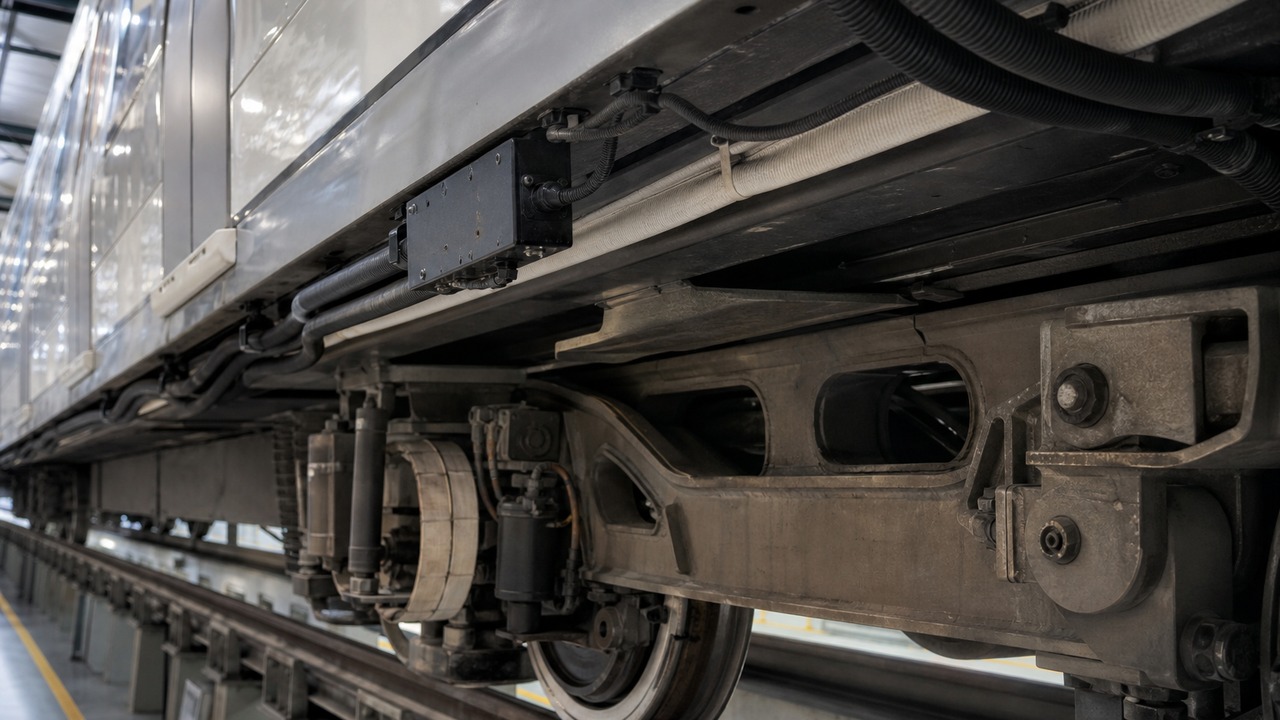
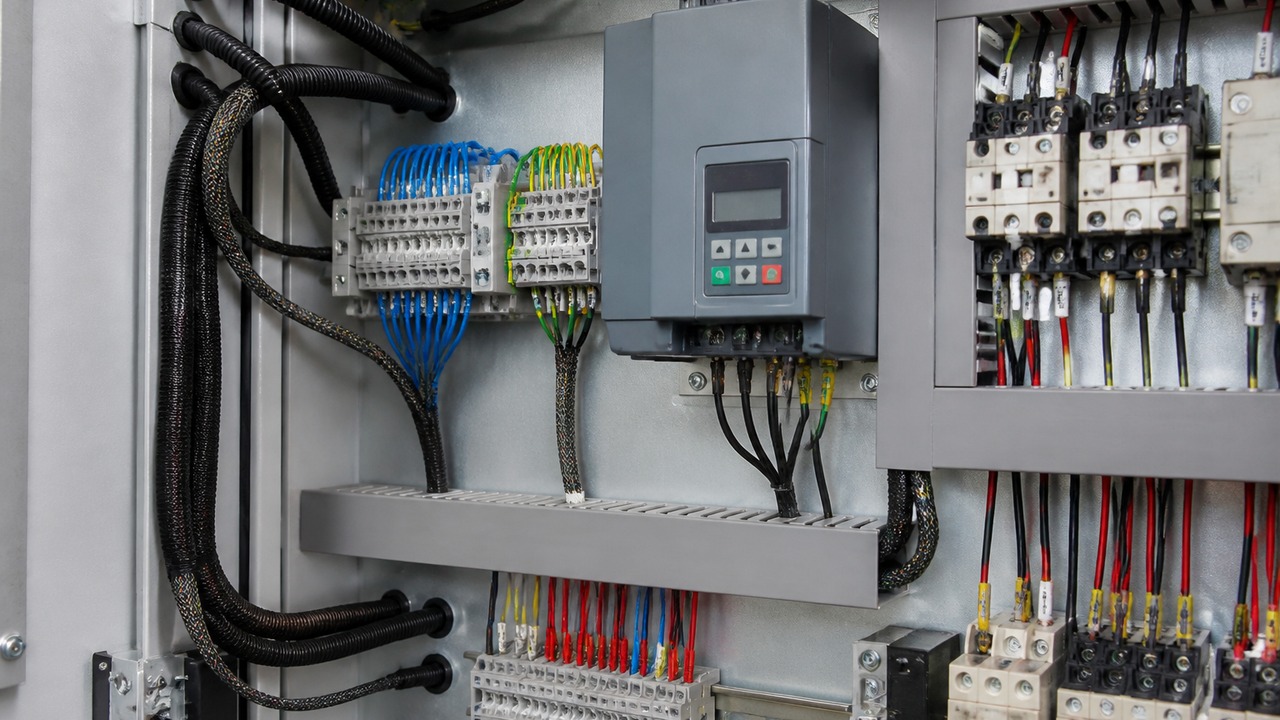
An engine bay is not a friendly place for a wire. Between the exhaust manifold and the block, temperatures hold at 150–200°C and spike higher on shutdown. Add vibration at 200 Hz, fuel, oil, brake fluid and road salt, and a harness has to survive ten years without a single insulation failure. That is the engineering problem Chengrun solves for automotive and EV wire harness builders.
What the environment demands
Automotive harness insulation is not one material but a stack of decisions: what temperature the wire sees, how much abrasion the route carries, whether the joint must stay flexible, and what the OEM's specification calls out. A start-stop battery cable and a sensor lead above a turbo share a harness but almost nothing else.
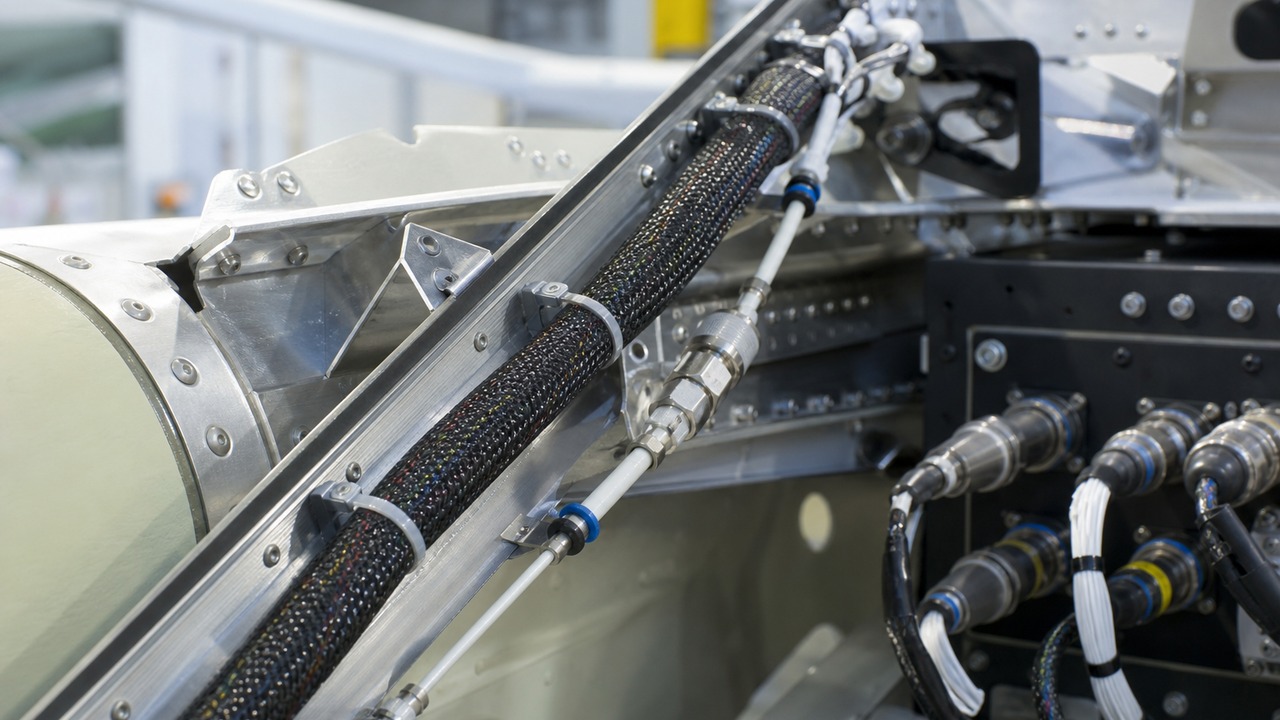
For continuous 200°C service we recommend silicone rubber coated fiberglass sleeving, which stays flexible where PVC embrittles. Where the route bends around brackets, expandable braided sleeving expands over connectors and then grips the bundle, adding abrasion protection without heat shrink. For runs that need a hard shell against chafing, corrugated tube in PA or PP keeps the harness tidy and rated for the underbody.
EV changes the rules
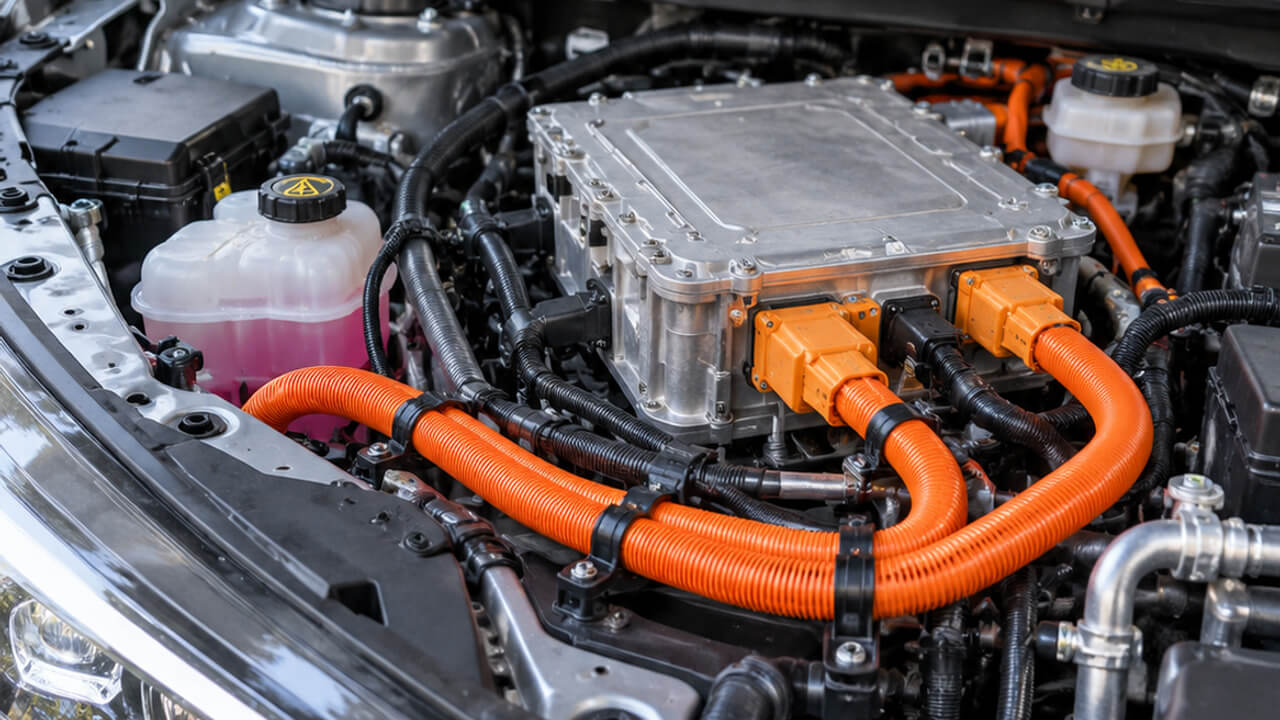
Higher-voltage platforms raise the stakes. A 400 V or 800 V bus does not tolerate a chafed jacket. Orange PET textile self-closing wrap marks high-voltage runs and lets a technician add protection after the harness is built. PET flame-retardant braided sleeve gives a self-extinguishing, halogen-free option where smoke density matters. On the battery side, heat shrink textile sleeving closes over a joint and holds a low profile inside a tight pack.
For connector boots and sealed splices, adhesive lined dual wall heat shrinkable tubing melts its inner glue layer onto the wire and forms a moisture barrier that survives pressure washing and thermal cycling. Where a harness passes a hot spot, DR diesel resistant heat shrinkable tubing resists fuel and oil while keeping a shrink ratio that seals reliably.
Wrapping, taping and finishing
Tape is where harnesses are made or broken. Acetate cloth tape holds a tight, hand-tearable wrap over long runs. PVC tape handles general bundling and colour coding. For the noisy, low-vibration areas, PET non-woven tape cuts rattle. Glass-cloth and filament tape take the high-temperature, high-tensile jobs around manifolds and battery straps.
Selection in one table
Location |
Recommended material |
Why |
Engine bay, 200°C continuous |
Silicone coated fibreglass sleeving |
Flexibility retained at temperature |
Chafe points, bends |
Expandable braided sleeving |
Abrasion resistance, easy install |
Underbody runs |
PA/PP corrugated tube |
Crush resistance, routing |
HV runs (orange) |
Flame-retardant self-closing wrap |
Safety marking, add-on protection |
Sealed boots and splices |
Adhesive-lined dual-wall heat shrink |
Moisture seal, strain relief |
Noise and rattle |
PET non-woven tape |
Damping, no adhesive bleed |
Documentation and compliance
Automotive buyers need paper, not promises. Chengrun documents each model: UL and CSA listings for the sleeving families, RoHS 2.0 and REACH SVHC declarations, and California Prop 65 statements where they apply. The Dongguan factory runs under an ISO 9001 and IATF 16949 quality management system — the same system your supplier audits will question, so the answer is already in place. Lead-free, low-VOC and low-odour options are available for interior cabling, and material datasheets ship with each roll.
Why build the harness with Chengrun
Practical notes before you specify
Three details change the recommendation more than anything else. First, is the cable static or moving? A lead that never moves can take a rigid, crush-resistant conduit; one that flexes at a door, a hinge or a coupler needs a braided or self-closing construction instead. Second, what is the peak — not the average — temperature at the closest hot surface? Sizing to an average is the most common cause of premature hardening, because a cable that survives 150°C continuously can still fail after a few hundred cycles at 200°C. Third, must the joint survive immersion, pressure washing or a salt-spray test? That single answer decides whether a plain sleeve is enough or whether an adhesive-lined heat shrink is mandatory.
Working with your build sequence
Harness builders rarely fit protection at the end of the line. Sleeving is normally applied before connectors are terminated, while self-closing wraps and heat shrink are applied afterwards. Chengrun supports both routes: pre-cut sleeves and printed identification for pre-assembly, and continuous rolls, close-tolerance widths and die-cut parts for retrofit. Because braiding, coating, extrusion, tape converting and die-cutting all run in house, a change of inner diameter or wall thickness is a production parameter rather than a new supplier qualification — and a first article usually needs no new tooling.
A harness house does not need five vendors for sleeving, tubing, tape and heat shrink. Chengrun manufactures all four families in house, from fibre braiding and silicone coating to extrusion and precision die-cutting. That means one specification conversation, one quality standard and one delivery schedule — with custom widths, cut lengths and printed identification available without a second tooling charge. Send your drawing and operating temperature, and an engineer will come back with the right material, a datasheet and a quotation within 24 hours.
 EN