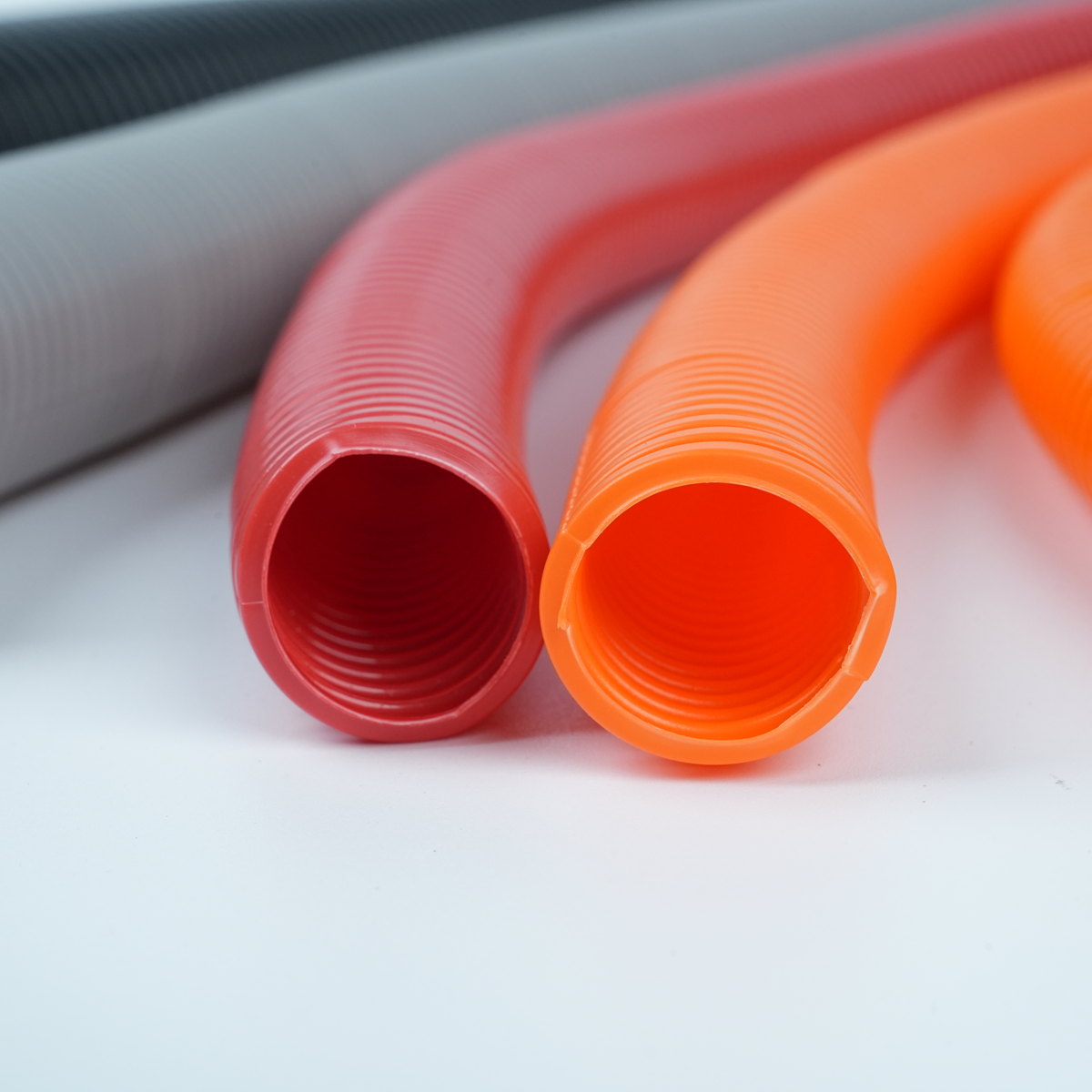
Wire loom conduit and braided cable sleeve are two distinct approaches to protecting electrical connections, yet many professionals use these terms interchangeably despite their fundamentally different applications. Understanding when to deploy each solution is critical for ensuring reliable wire harness protection in industrial and automotive environments. The choice between wire loom conduit and braided cable sleeve depends on your specific operational demands, environmental conditions, and long-term maintenance strategy. This guide clarifies the practical differences and helps you select the right cable conduit solution for your project.
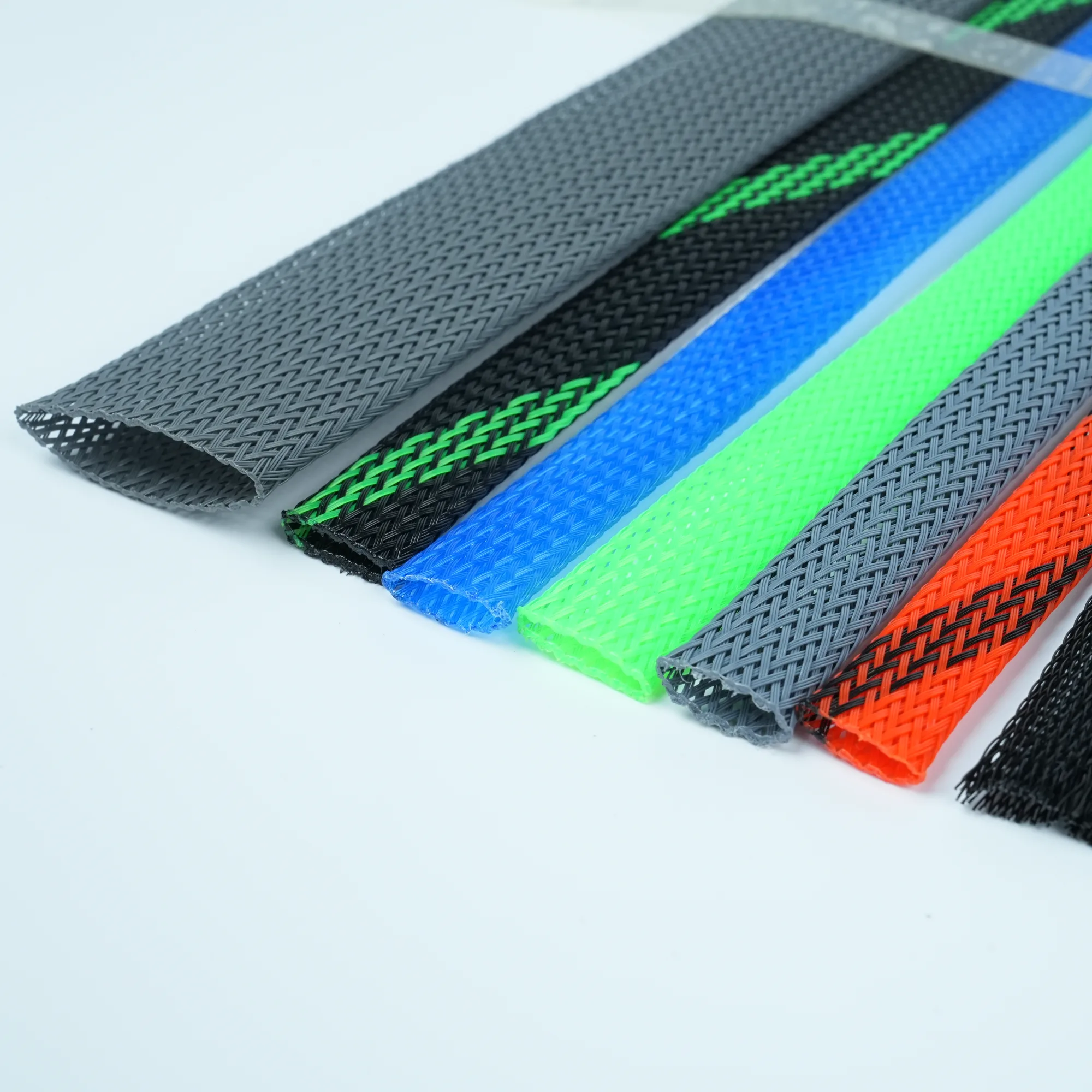
Both solutions serve the core mission of wire harness protection, yet they excel in different contexts. Wire loom conduit typically features a rigid or semi-rigid structure, often made from PVC or nylon, designed to route and shield cables while maintaining organizational integrity. Braided cable sleeve, by contrast, wraps around wire bundles with flexibility, allowing easier installation and modification while providing abrasion resistance and thermal protection. Recognizing these distinctions ensures your automotive wiring infrastructure remains secure, organized, and compliant with safety standards.
Structural Design and Material Composition
Wire Loom Conduit Architecture
Wire loom conduit employs a segmented or continuous tubular design that creates defined pathways for electrical bundles. This wire loom conduit structure provides inherent rigidity, making it ideal for applications where cables must remain in fixed positions. The material composition typically includes flame-retardant PVC, polyethylene, or nylon, offering predictable protection levels and durability across temperature ranges. Many industrial wire loom conduit systems feature snap-on or split-tube designs, enabling technicians to install protective coverage without dismantling existing harnesses. This design philosophy prioritizes organization and permanence, establishing a protected infrastructure that persists throughout the equipment lifecycle.
Braided Cable Sleeve Flexibility
Braided cable sleeve comprises woven textile or synthetic fibers that expand and contract around wire bundles, offering adaptability that rigid cable conduit cannot match. This construction method allows technicians to install wire harness protection over live bundles without disconnecting terminals or rerouting assemblies. The braided architecture absorbs vibration and movement while resisting abrasion from sharp edges and mechanical friction. Polyester, nylon, and specialist flame-retardant materials dominate the braided sleeve market, each offering distinct performance profiles suited to different temperature and chemical environments. The open weave pattern permits heat dissipation while blocking particulate contamination and UV degradation, making it particularly valuable for dynamic environments where cables experience regular flex or repositioning.
Installation Requirements and Operational Context
Deployment Scenarios for Wire Loom Conduit
Wire loom conduit shines in static or semi-static installations where cable routes are established during assembly and modification remains infrequent. Automotive manufacturing environments benefit significantly from this cable conduit approach, as harnesses follow predictable paths through engine compartments, dashboard assemblies, and underbody routing. Industrial control panels, machinery wiring, and fixed infrastructure installations similarly favor rigid loom systems because they enforce consistent organization and simplify troubleshooting. The rigid nature of wire loom conduit also provides mechanical protection against crushing forces, making it suitable for under-vehicle applications and high-traffic manufacturing floors. Once installed, this form of cable conduit requires intentional disassembly for modification, which creates a natural barrier against unauthorized tampering and accidental reconfiguration.
Dynamic Applications and Braided Cable Sleeve Advantages
Braided cable sleeve excels in environments demanding frequent access, reconfiguration, or movement. Automotive aftermarket installations, retrofit projects, and modular equipment designs benefit from wire harness protection solutions that adapt to changing requirements. The flexibility of braided sleeves allows technicians to bundle cables of varying diameters without custom fitting, reducing design complexity and inventory requirements. High-vibration environments such as industrial compressors, marine vessels, and heavy equipment benefit from the shock-absorbing properties inherent to woven cable conduit designs. Temporary installations, field repairs, and rapid-deployment scenarios strongly favor braided solutions because they eliminate time-consuming structural modifications. Applications requiring thermal cycling, chemical exposure, or UV radiation often specify flame-retardant or specialty braided sleeves, demonstrating the material versatility this cable conduit approach provides.
Performance Specifications and Environmental Resilience
Thermal and Chemical Resistance Profiles
Wire loom conduit materials typically withstand temperature ranges between minus forty and eighty-five degrees Celsius, though specialty compositions extend this window considerably. The rigid structure provides superior protection against aggressive chemical environments, petroleum exposure, and hydraulic fluid contamination—critical factors in automotive wiring applications. This cable conduit durability makes it the standard choice for underbody routing, battery compartments, and engine bay installations where thermal cycling and hydrocarbon exposure pose continuous threats. Braided cable sleeve materials match or exceed these thermal specifications in most commercial grades, yet the open weave design creates slight vulnerabilities to liquid ingress if not properly sealed at termination points. Specialty formulations incorporating silicone or fluoropolymer components elevate braided wire harness protection capabilities, enabling deployment in extreme temperature environments including aerospace applications and furnace room installations.
Mechanical Integrity and Longevity Factors
Wire loom conduit demonstrates superior crush resistance and longevity in static installations, with effective service life often exceeding fifteen years in controlled environments. The rigid structure prevents cable migration, reducing stress on connector terminals and minimizing the risk of intermittent electrical faults. This mechanical stability becomes especially valuable in automotive wiring systems where vibration-induced wire fatigue represents a leading failure mode. Braided cable sleeve sacrifices some crush resistance but compensates through superior abrasion resistance and flexibility, allowing it to accommodate dynamic wire movements without fatigue stress concentration. Real-world performance data indicates braided wire harness protection typically delivers eight to twelve year service life in high-vibration environments, significantly outperforming rigid cable conduit in identical conditions. The open architecture enables continuous monitoring of enclosed wires, facilitating preventive maintenance and early detection of insulation degradation.
Selection Framework and Implementation Strategy
Criteria for Choosing Wire Loom Conduit
Select wire loom conduit when your project involves fixed cable routing, manufacturing-scale consistency requirements, and minimal modification expectations. High-volume automotive production, industrial panel assembly, and infrastructure installations strongly justify the upfront investment in rigid cable conduit systems. Applications requiring electromagnetic shielding or complete environmental isolation benefit significantly from the comprehensive coverage these systems provide. Compliance environments where cable management documentation and traceability represent regulatory requirements typically favor the structured approach that wire loom conduit enforces. Budget considerations favor rigid solutions when purchasing volumes exceed five hundred meters annually, as unit costs decline substantially with scale. Standardization benefits emerge quickly in large organizations, where consistent cable conduit specifications simplify training, inventory management, and replacement procedures.
Optimal Braided Sleeve Deployment Conditions
Braided cable sleeve selection makes sense when installation speed, retrofit capability, and future modification flexibility rank as top priorities. Aftermarket automotive customization, test equipment setup, and laboratory installations commonly feature braided wire harness protection because modification costs remain minimal. Space-constrained applications where cable conduit diameter limitations prove problematic benefit from the compact profile braided solutions offer. Temporary installations, emergency repairs, and field modifications strongly favor the rapid deployment characteristics of woven sleeves. Environmental applications involving regular washdown, moisture exposure, or outdoor storage justify specialty braided constructions offering superior water resistance without sacrificing breathability. Industries experiencing rapid technology evolution benefit from the modular nature of braided cable conduit systems, which accommodate emerging wire gauges and connector types without complete infrastructure replacement.
FAQ
What is the primary difference between wire loom conduit and braided cable sleeve for automotive wiring?
Wire loom conduit provides rigid, fixed protection through segmented or continuous tubing, ideal for permanent manufacturing installations and under-vehicle routing where cable routes remain constant. Braided cable sleeve offers flexible, adaptable wire harness protection suitable for dynamic environments, retrofits, and applications requiring regular access. The cable conduit choice depends on whether your project prioritizes organizational permanence or installation flexibility.
Can I use braided cable sleeve instead of wire loom conduit in automotive applications?
In many cases, yes, though careful evaluation is necessary. Braided sleeves provide excellent wire harness protection and often exceed rigid conduit in vibration environments, but lack the crush resistance and organizational enforcement of proper cable conduit systems. Automotive manufacturers typically specify wire loom conduit for under-vehicle and engine bay routing due to regulatory requirements and long-term durability demands, making braided alternatives better suited for aftermarket customization rather than OEM production standards.
How do I determine which cable conduit solution offers better long-term value?
Evaluate total cost of ownership by comparing material expenses, installation labor, modification frequency, and replacement intervals specific to your operational context. Wire loom conduit often delivers superior value in static, high-volume manufacturing scenarios, while braided wire harness protection excels in dynamic, low-volume, or frequently modified environments. Real-world performance data from comparable installations within your industry provides the most reliable guidance for cable conduit selection decisions.
 EN