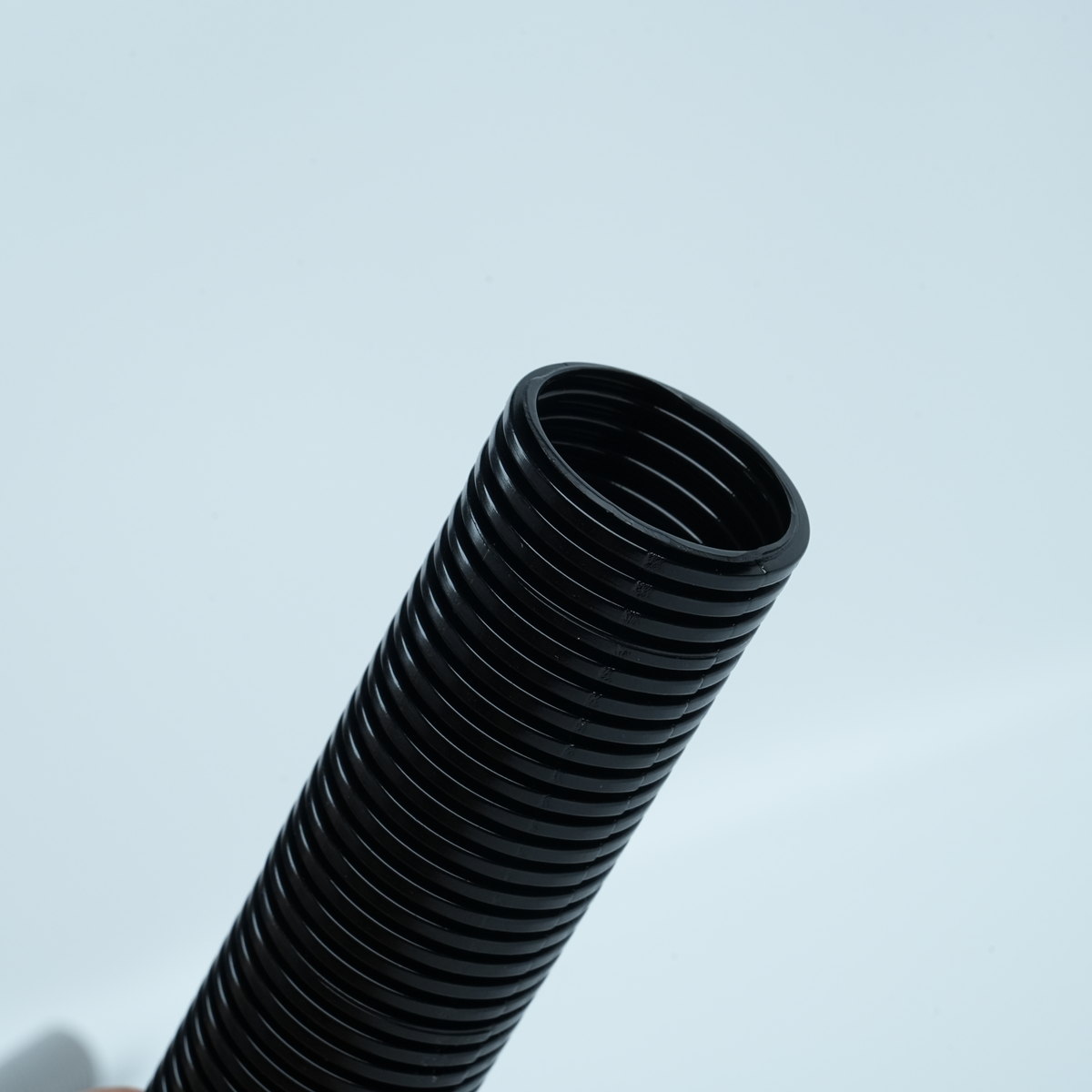
Selecting the right wire loom conduit for machinery wiring is one of the most critical decisions engineers face during equipment design and installation. The wire loom conduit protects electrical conductors from abrasion, environmental contamination, and mechanical damage while organizing complex wiring systems in industrial applications. Proper selection ensures operational reliability, reduces maintenance costs, and extends the service life of expensive machinery.
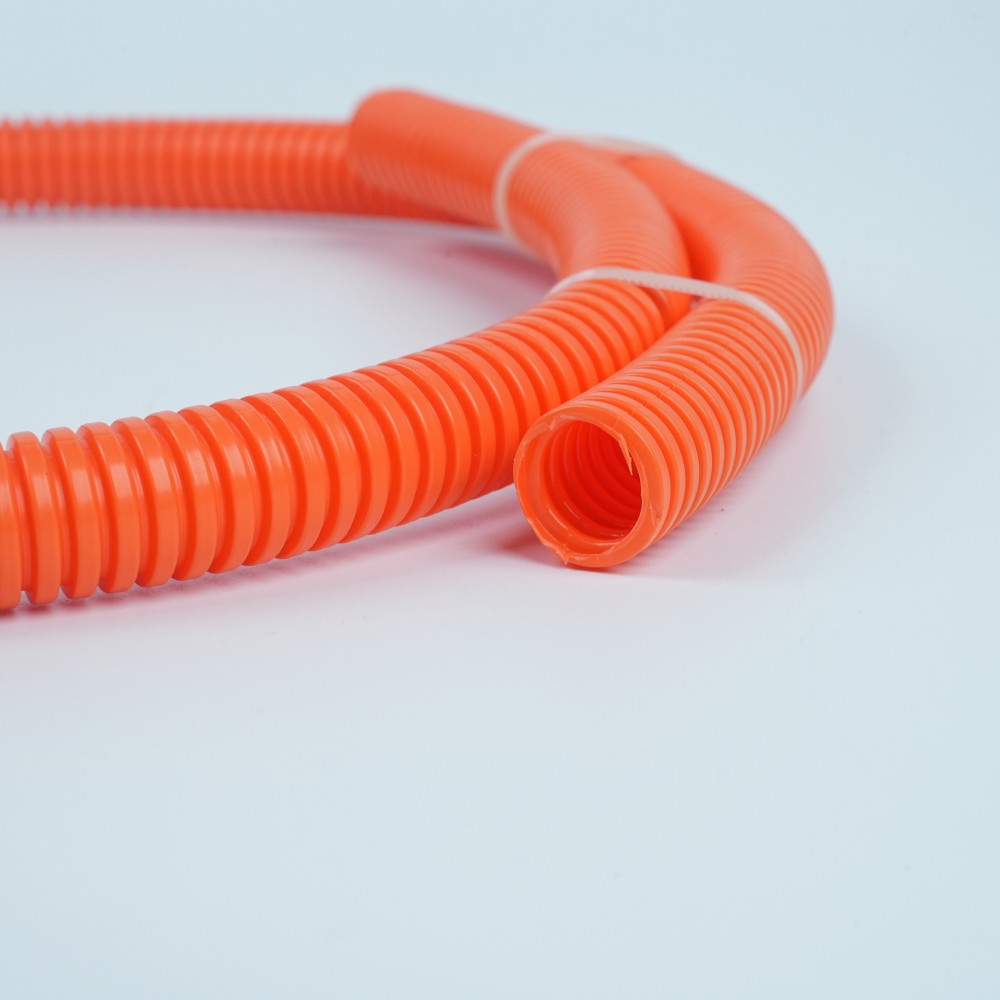
Engineers working with industrial machinery must understand the fundamental characteristics that define a successful wire loom conduit installation. Material composition, flexibility, flame retardancy, temperature tolerance, and compatibility with cable routing systems all influence performance outcomes. This guide walks through the key selection factors that ensure your machinery wiring solution meets both operational and regulatory requirements while maintaining long-term durability under demanding conditions.
Material Properties and Environmental Compatibility
Nylon and Polyethylene Construction
The most common materials for wire loom conduit include nylon and polyethylene, each offering distinct advantages for machinery environments. Nylon-based wire loom conduit provides superior abrasion resistance and mechanical strength, making it ideal for high-vibration applications. Polyethylene alternatives offer greater flexibility and lower cost, though they may not perform as well in extreme temperature ranges. The choice between these materials depends on your specific machinery environment, thermal exposure, and mechanical stress levels.
Temperature and Chemical Resistance
Temperature tolerance is a non-negotiable factor when evaluating wire loom options for industrial applications. Standard conduit may handle temperatures from minus 40 to 80 degrees Celsius, while flame-retardant formulations extend this range and provide critical safety margins. Chemical resistance becomes essential when machinery operates in environments with oils, solvents, or corrosive substances. Split loom variants with specialized coatings can withstand harsh exposures that would degrade standard materials, protecting your cable routing infrastructure from degradation and ensuring consistent electrical performance throughout the equipment lifespan.
Cable Routing Organization and Installation Efficiency
Split Loom Benefits for Complex Wiring
Split loom design revolutionizes how engineers approach cable routing in retrofits and dense wiring scenarios. Unlike rigid conduit systems, split loom allows technicians to wrap protection around existing cables without complete rewiring, reducing downtime and installation labor. This flexibility makes split loom particularly valuable during equipment maintenance when adding sensors or replacing control lines becomes necessary. The open-slit design enables quick cable insertion and removal while maintaining full protective coverage, a capability standard closed conduit cannot match for dynamic maintenance environments.
Systematic Cable Routing Strategies
Effective cable routing requires planning wire loom conduit placement to prevent interference with moving machinery components and thermal sources. Engineers should route conduit away from sharp edges, hot surfaces, and rotating shafts that could compromise cable integrity. Using split loom in combination with traditional wire loom segments creates a hybrid system that optimizes both protection and accessibility. Proper cable routing reduces electromagnetic interference, simplifies future troubleshooting, and prevents costly cable failures that disrupt production schedules. When designers implement systematic cable management from the initial machinery specification phase, they establish a foundation for reliable long-term operation.
Performance Standards and Machinery-Specific Requirements
Flame Retardancy and Safety Certifications
Flame-retardant wire loom conduit meets critical safety standards required in many industrial and commercial installations. UL and CSA certifications validate that materials resist flame propagation and limit smoke generation during thermal events. Machinery operating in facilities with strict fire code compliance must use flame-retardant variants to maintain regulatory approval and insurance coverage. Selecting properly certified wire loom conduit protects not only electrical systems but also personnel safety and asset preservation. Manufacturers produce specialized conduit formulations that balance flame resistance with the flexibility needed for complex cable routing applications in modern industrial equipment.
Vibration and Mechanical Stress Resilience
Heavy machinery generates significant vibration that subjects wire loom conduit to continuous mechanical stress. Split loom and standard wire loom products differ in their vibration tolerance and long-term durability under cyclic loading. High-performance conduit maintains integrity despite constant flexing and movement that would degrade lesser materials. When specifying wire loom for vibration-intensive applications like textile machinery, packaging equipment, or processing lines, engineers must prioritize materials with proven stress resistance. Testing vibration performance before full-scale deployment prevents premature failures and ensures the cable routing system survives the entire machinery design life.
FAQ
What diameter wire loom conduit should I specify for dense machinery wiring bundles?
Conduit diameter selection depends on total conductor cross-section, with most standards recommending that cables occupy no more than 50 to 60 percent of internal conduit area. Calculate your total cable diameter, then select conduit that provides adequate clearance while maintaining structural integrity. Oversizing slightly improves cable routing flexibility and allows future upgrades without system redesign. Consult manufacturer sizing charts for specific wire gauge combinations to ensure optimal performance and accessibility during maintenance.
Can split loom replace traditional rigid conduit in existing machinery installations?
Split loom offers advantages for retrofitting and maintenance scenarios where cable routing needs to accommodate existing infrastructure. However, rigid conduit may still be necessary in applications requiring maximum mechanical protection or routing through high-traffic machinery areas. Many installations use a hybrid approach, combining split loom for accessibility with traditional wire loom conduit in high-stress zones. Evaluate your specific machinery environment, maintenance requirements, and protection needs before deciding whether split loom can fully replace rigid alternatives or serve as a complementary solution.
How do I ensure wire loom conduit selection complies with machinery safety standards?
Review relevant machinery directives, electrical safety codes, and facility-specific requirements that apply to your equipment type and geographic market. Verify that your selected wire loom conduit holds appropriate certifications such as UL, CSA, or regional equivalents. Consult with equipment safety engineers who understand how cable protection integrates with broader machinery risk mitigation strategies. Documentation from material suppliers should clearly specify performance characteristics, temperature ratings, and flame-retardant properties that align with your regulatory obligations and operational demands.
 EN