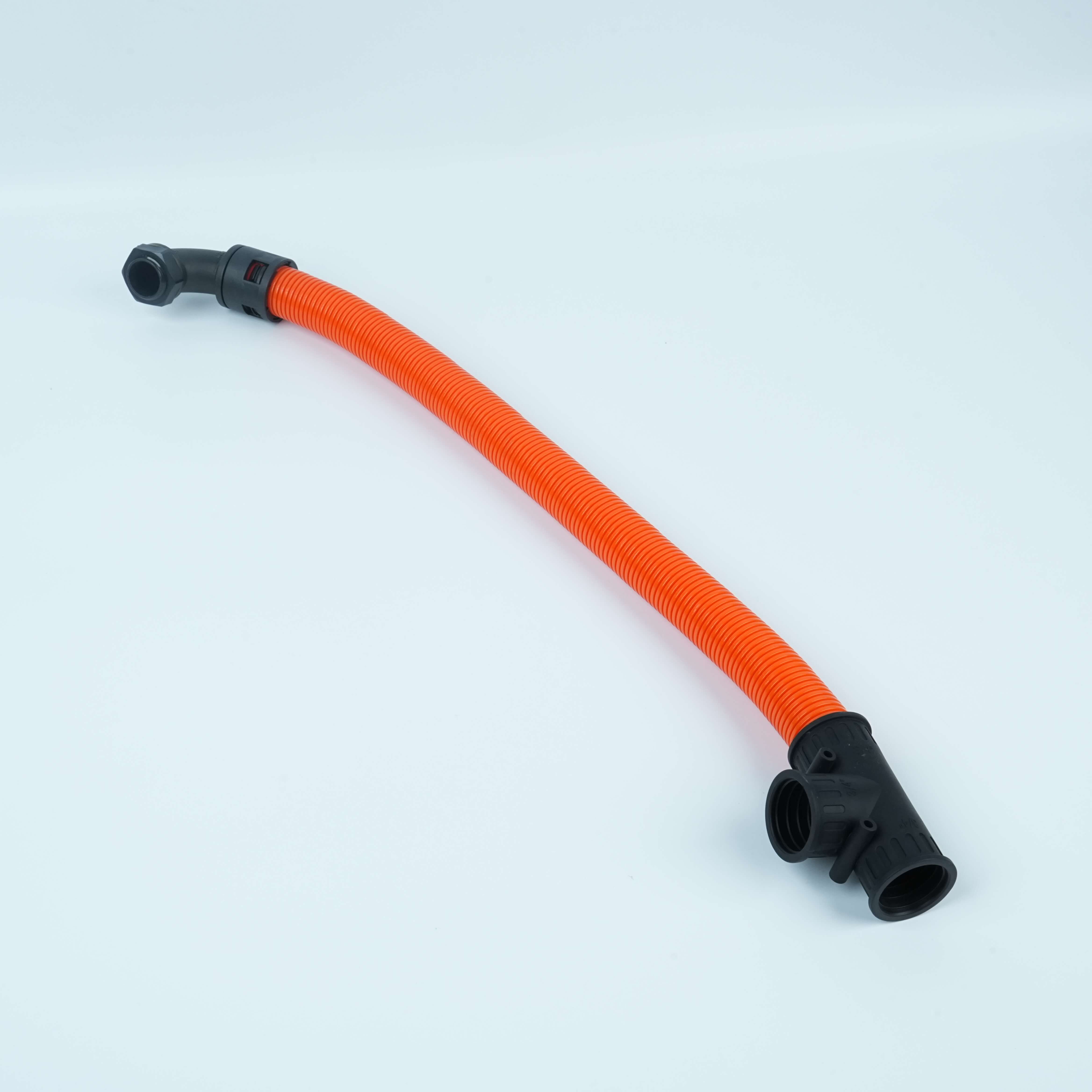
Battery cable protection is a critical consideration in industrial, automotive, and renewable energy applications where electrical systems must withstand demanding conditions. Selecting the right wire loom conduit ensures cables remain safe from physical damage, environmental exposure, and operational hazards. This decision directly impacts system reliability, safety compliance, and long-term maintenance costs.
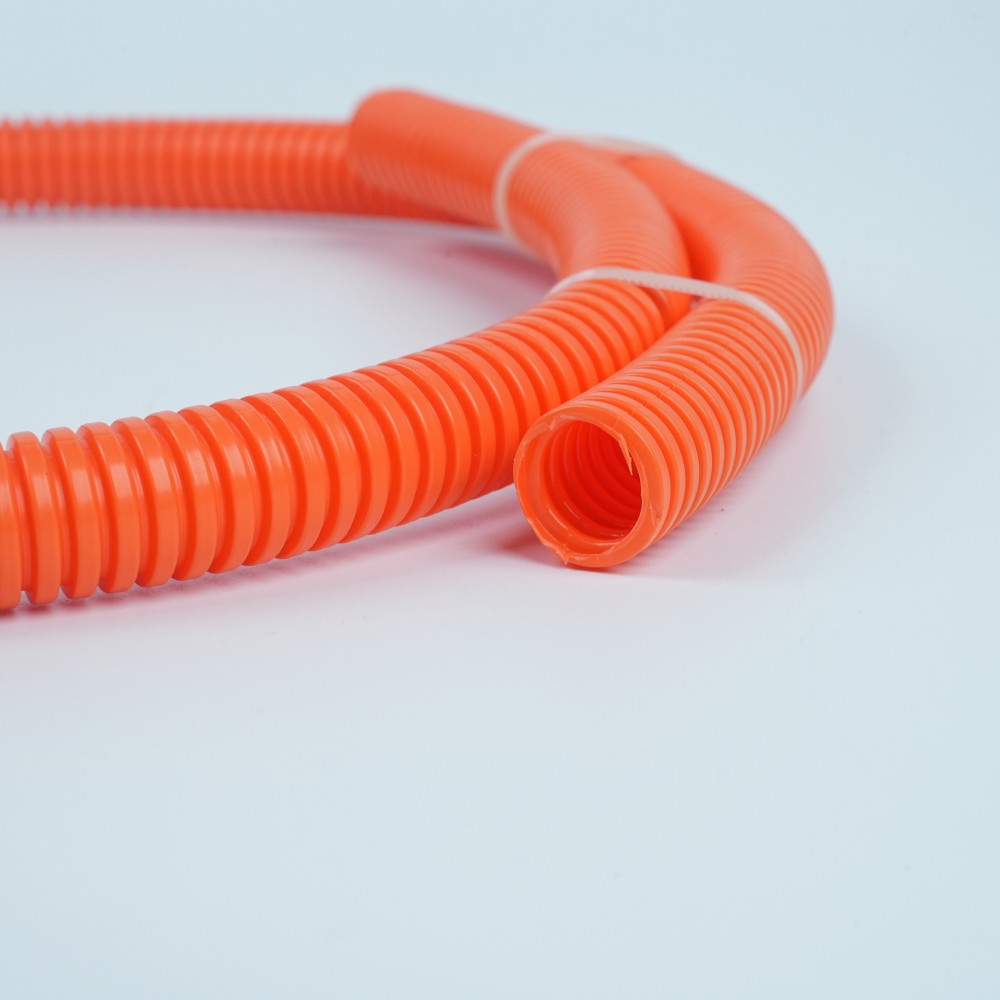
Wire loom and cable conduit solutions vary significantly in material composition, flame resistance, temperature rating, and flexibility. Understanding these variables before purchasing allows engineers and procurement professionals to avoid costly equipment failures, compliance violations, and safety risks. This guide explores the essential factors for evaluating wire harness protection options specific to battery applications.
Material Selection and Environmental Compatibility
Polymer Material Performance
The material of your wire loom conduit determines its ability to handle temperature extremes, chemical exposure, and mechanical stress. Nylon-based conduits offer excellent balance between flexibility and durability, providing reliable cable conduit performance in most industrial settings. Polyethylene alternatives provide greater chemical resistance but may sacrifice flexibility in cold environments. Flame-retardant grades add safety margins in battery applications where thermal runaway or electrical faults pose ignition risks.
Material selection directly influences wire harness protection longevity and compliance with automotive and industrial safety standards. Battery systems often operate in temperature ranges from negative forty to one hundred twenty degrees Celsius, requiring conduit materials rated for full thermal cycles without brittleness or deformation. UV-stabilized polymers prevent degradation in outdoor renewable energy installations, while halogen-free options meet aerospace and marine regulatory requirements.
Chemical and Fluid Resistance
Battery enclosures frequently contain electrolytes, coolants, and cleaning solvents that degrade inferior conduit materials. Your wire loom selection must account for exposure to acid vapors, diesel fuel, hydraulic fluids, and battery electrolyte mist in high-failure scenarios. Nylon conduits resist most common industrial fluids but may swell under prolonged contact with certain solvents. Polyester-based conduits offer superior resistance to aggressive chemicals found in automotive and aerospace battery systems.
Mechanical Protection and Installation Considerations
Wall Thickness and Crush Resistance
Cable conduit wall thickness directly correlates with impact resistance and crush strength during installation and service life. Thinner-walled wire loom costs less but fails under pressure from machinery movement, vibration, or vehicle suspension stress. Medium-wall conduits balance protection and flexibility, providing adequate wire harness protection for most industrial battery applications. Heavy-wall options protect cables in high-traffic areas or locations subject to repeated mechanical stress from moving equipment or thermal cycling.
Installation method affects the protective value of your wire loom conduit selection. Self-wrapping and spiral designs simplify field assembly while maintaining consistent coverage around cable bundles. Split-tube configurations enable retrofit protection around existing harnesses without complete rewiring. Corrugated exterior surfaces enhance grip during handling and installation while inner smooth profiles minimize abrasion against insulated conductors.
Flame Retardancy and Safety Ratings
Battery systems present inherent fire hazards, making flame-retardant wire loom a non-negotiable specification in most commercial applications. Conduit materials rated to UL 94 V-0 or similar standards self-extinguish and produce minimal smoke if exposed to ignition sources. This cable conduit property prevents small electrical faults from escalating into vehicle or facility fires. Many jurisdictions mandate flame-rated protection in energy storage systems and high-voltage battery installations for regulatory compliance.
Smoke density and toxic gas emission during combustion affect personnel safety during emergency scenarios. Wire harness protection materials that produce halogen-free smoke limit exposure to corrosive and toxic compounds. Low-smoke-halogen-free conduits are increasingly required in enclosed vehicle cabins, aircraft interiors, and enclosed data centers housing battery backup systems.
Performance Specifications and Application Fit
Temperature and Flexibility Ratings
Wire loom conduit flexibility must match installation geometry and ambient operating conditions. Rigid conduits suit straight cable runs in fixed mounting applications but become brittle and prone to cracking in cold climates or flexible cable routing scenarios. Semi-rigid and fully flexible options accommodate bends, loops, and three-dimensional cable paths common in battery pack assemblies and charging infrastructure. Temperature-rated conduits maintain flexibility across seasonal variations and operational thermal cycling without embrittlement.
Battery applications generating significant heat require cable conduit rated for elevated continuous temperatures. Lithium-ion systems may operate at fifty to eighty degrees Celsius during charging cycles, demanding conduits stable at these temperatures for extended periods. High-performance battery systems and thermal management applications benefit from conduit materials maintaining flexibility and structural integrity at ninety degrees Celsius or higher continuous duty ratings.
Cable Bundle Diameter and Scaling
Wire loom conduit sizing must accommodate present cable requirements plus future expansion without loose interior fit or excessive exterior bulk. Oversized conduit allows cable movement and moisture accumulation, reducing wire harness protection effectiveness. Properly sized conduit maintains snug fit around bundles while allowing installation without forcing cables into compressed positions that cause insulation damage. Standard conduit diameters range from one-quarter inch for single small-gauge conductors to four inches for large multi-cable battery main feeds and interconnects.
Future system upgrades and circuit additions require selecting wire loom with capacity margins. Battery management system expansions, additional auxiliary circuits, or replacement conductor upgrades may require reconfigured cable sizes. Choosing conduit one size larger than current requirements provides flexibility for industrial battery systems expected to evolve during their operational life.
FAQ
What distinguishes wire loom from standard PVC conduit for battery protection?
Wire loom conduit offers superior flexibility, lighter weight, and better chemical resistance compared to rigid PVC systems. Traditional PVC conduits are rigid, heavy, and susceptible to cracking in temperature extremes common in battery environments. Wire loom and flexible cable conduit systems accommodate the vibration, thermal cycling, and installation flexibility that battery systems demand, while providing equivalent or superior electrical safety and physical protection for wire harness assemblies.
How do I determine the correct wire loom size for my battery cable bundle?
Measure the overall diameter of your cable bundle and select wire loom conduit one size larger for comfortable fit without compression or excessive slack. The cable conduit interior should accommodate your bundle with approximately ten to fifteen percent additional space for moisture management and installation tolerance. For battery systems with mixed conductor sizes or future expansion plans, selecting wire harness protection one additional size larger ensures scalability without equipment replacement.
Are flame-retardant wire loom conduits required for all battery applications?
Flame-retardant wire loom is mandatory in enclosed automotive cabins, aircraft interiors, marine vessels, and commercial energy storage facilities per regulatory standards. Many industrial battery systems and renewable energy installations also require flame-rated cable conduit for insurance compliance and operational safety protocols. Consult your equipment standards, local electrical codes, and insurance carrier requirements to determine mandatory specifications for your specific wire harness protection application.
 EN