In industrial and automotive applications, protecting wiring systems from damage is critical to equipment reliability and safety. Two primary solutions dominate this space: the wire harness sleeve and corrugated conduit. While both serve harness protection functions, their design philosophies, material composition, and deployment scenarios differ significantly. Understanding these distinctions helps engineers and procurement professionals select the right solution for their specific application, ensuring optimal performance, longevity, and cost efficiency.
The choice between wire sleeving and corrugated conduit depends on environmental conditions, mechanical stress, installation constraints, and budget considerations. A wire harness sleeve typically provides lightweight, flexible covering that conforms closely to the bundled wires beneath, while corrugated conduit offers greater structural rigidity and enhanced abrasion resistance in high-vibration or abrasive environments. Both technologies contribute to harness protection, but their performance characteristics and suitability vary across different industrial sectors and operational contexts.
Structural Design and Material Differences
Wire Harness Sleeve Composition and Flexibility
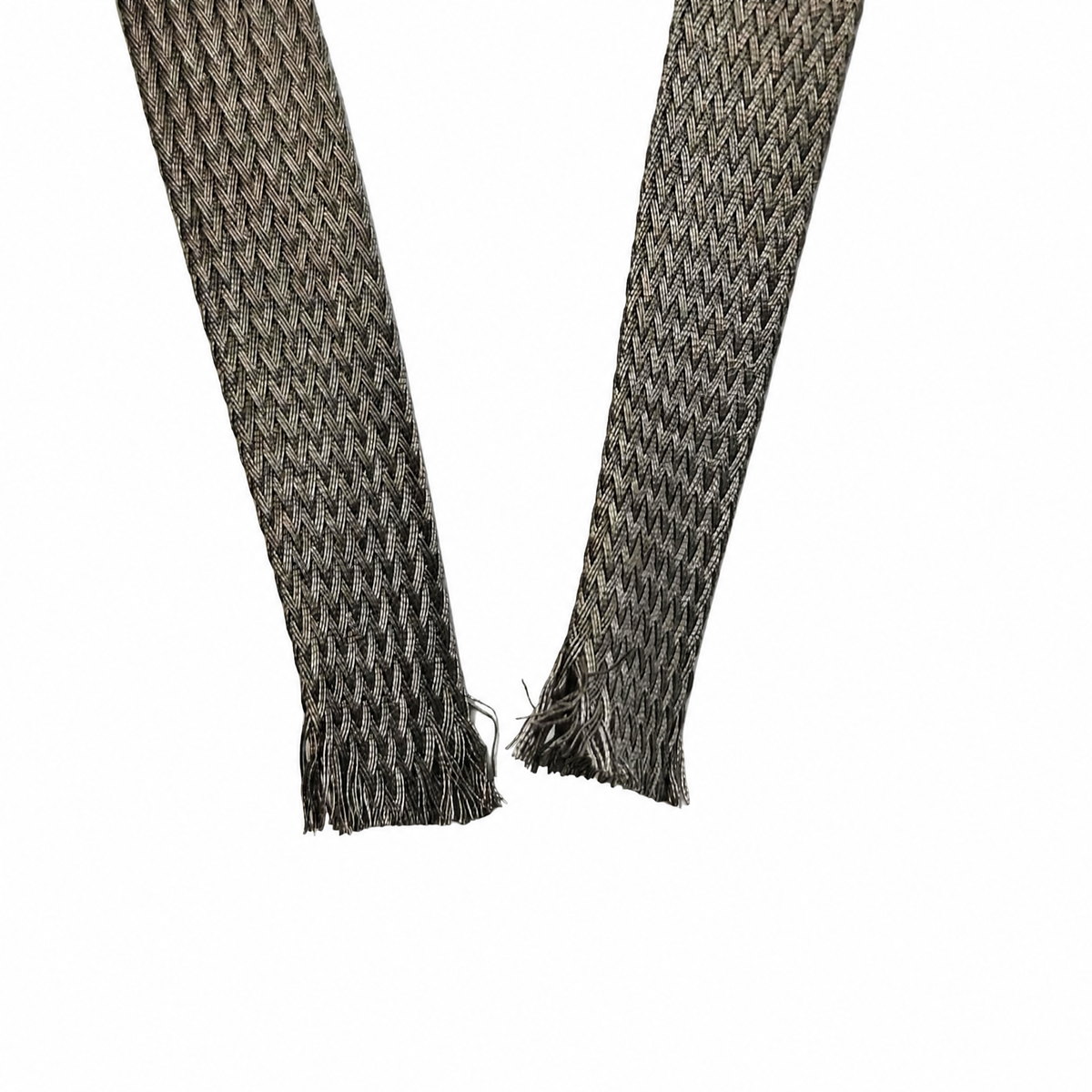
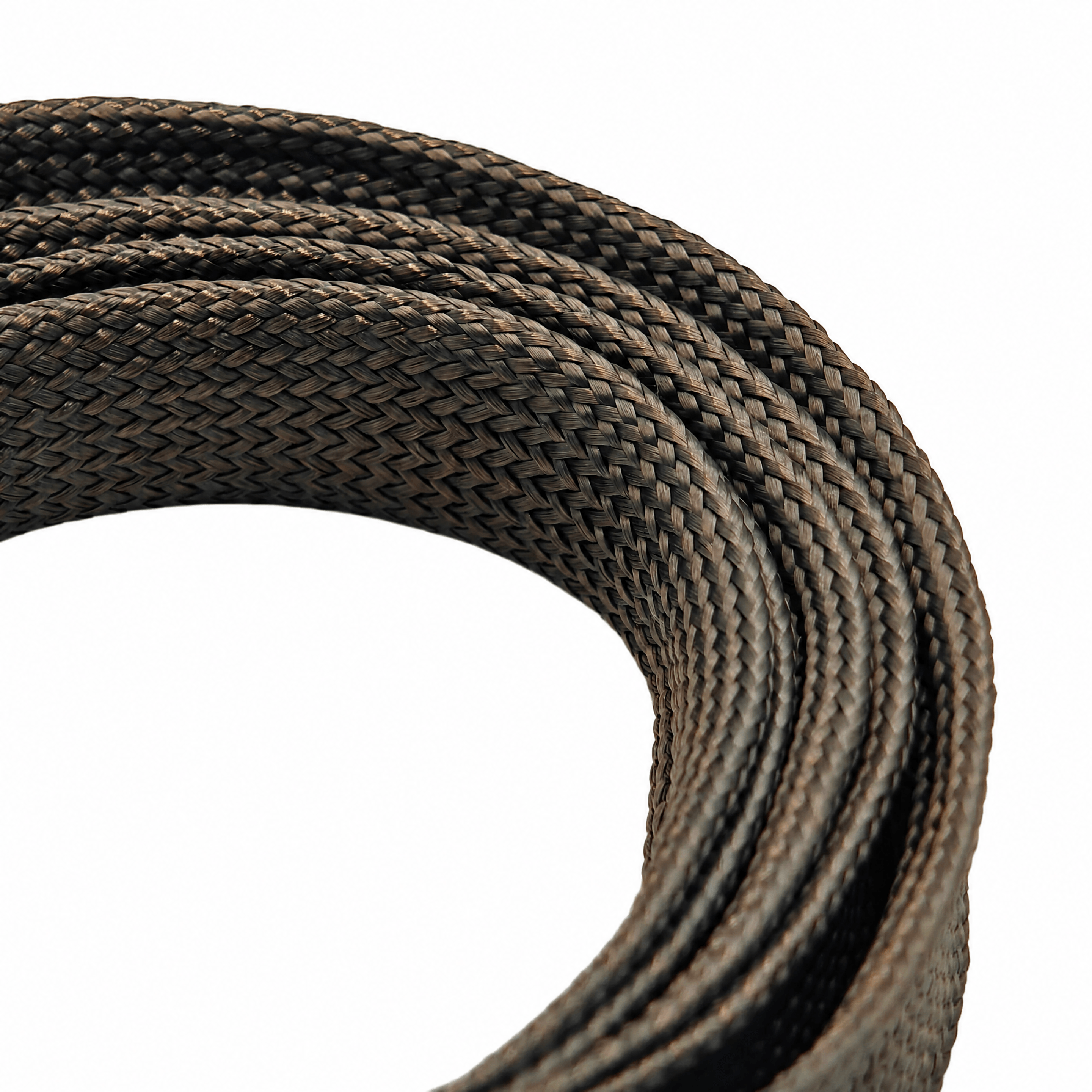
A wire harness sleeve is engineered from expandable fabrics, braided materials, or spiral-wound polymers that hug the underlying wire bundle closely. This intimate contact minimizes radial bulk, making wire sleeving ideal for space-constrained applications such as aerospace harnesses, automotive underbody routing, and consumer electronics. The material typically includes nylon, polyester, or specialty elastomeric compounds that offer moderate abrasion resistance while maintaining flexibility for complex routing paths. Spiral-wrap sleeves can be applied post-assembly, allowing retrofitting and custom configurations that corrugated conduit cannot easily accommodate.
Corrugated Conduit Structure and Rigidity
Corrugated conduit, by contrast, features a rigid outer wall with repeating wave patterns that provide structural strength and create air channels for thermal management. Manufactured from nylon, polyethylene, or specialized engineering polymers, corrugated conduit delivers superior abrasion resistance through its reinforced wall thickness. The corrugated design distributes mechanical loads across a larger surface area, preventing localized crushing or puncture. This construction makes corrugated conduit heavier and bulkier than wire sleeving, but also significantly more durable in harsh industrial environments where external impacts, chemical exposure, or abrasive contact is anticipated.
Environmental Protection and Performance Characteristics
Abrasion Resistance and Wear Durability
Abrasion resistance represents one of the primary differentiators between these two harness protection technologies. Wire sleeving provides baseline abrasion resistance suitable for moderate wear environments, such as indoor manufacturing floors or controlled temperature settings. However, corrugated conduit excels in extreme conditions, including metal fabrication shops, chemical plants, and outdoor installations where wire bundles contact sharp edges, rough surfaces, or moving machinery. The thick-walled structure of corrugated conduit absorbs impact energy and resists puncture better than thin-walled wire sleeving. For applications demanding superior abrasion resistance, corrugated conduit is typically the preferred choice for ensuring extended service life and preventing unexpected wire exposure.
Chemical and Environmental Resistance
Environmental exposure significantly influences harness protection strategy. Wire sleeving works adequately in climate-controlled or low-chemical environments, though certain braided variants offer improved UV stability for outdoor applications. Corrugated conduit, particularly those manufactured from high-performance nylon or flame-retardant polymers, demonstrates superior resistance to oils, solvents, and extreme temperatures. Industrial facilities processing chemicals or operating in temperature fluctuations benefit from corrugated conduit's robust envelope. Additionally, corrugated designs facilitate water drainage through air channels, reducing moisture entrapment and corrosion risk that wire sleeving might retain due to its tighter coverage.
Use Case Scenarios and Practical Applications
Wire Sleeving Ideal Deployment Contexts
Wire sleeving excels in applications prioritizing space efficiency, flexibility, and cost economy. Aerospace wiring harnesses employ wire sleeving extensively to minimize weight while maintaining compliance with aircraft certification standards. Automotive interior harnesses benefit from wire sleeving's ability to conform to complex routing paths without requiring conduit fittings or couplers. Medical device manufacturers favor wire sleeving for compact, lightweight cable management in surgical instruments and diagnostic equipment. Consumer electronics harnesses similarly rely on wire sleeving to reduce overall assembly footprint and simplify manufacturing. Retrofit scenarios, where harnesses must be protected post-installation without complete redesign, strongly favor wire sleeving due to its expandable nature and ease of application after wire bundles are routed.
Corrugated Conduit Optimal Deployment Contexts
Corrugated conduit dominates industrial applications where harness protection must withstand mechanical abuse and environmental extremes. Manufacturing plants operating heavy machinery employ corrugated conduit to shield control harnesses from moving parts, welding splatter, and vibration. Oil and gas facilities require corrugated conduit for its chemical resistance and durability under pressure and thermal cycling. Automotive underbody routing increasingly utilizes corrugated conduit to protect harnesses from road debris, salt spray, and thermal cycles encountered during vehicle operation. Marine and offshore applications benefit from corrugated conduit's superior resistance to moisture ingress and corrosion acceleration. Industrial robot arms and automated equipment similarly depend on corrugated conduit to maintain harness integrity through repetitive motion cycles and potential collision scenarios. Heavy equipment operators value corrugated conduit's reliability in uncontrolled environments where wire sleeving would degrade prematurely.
Performance Metrics and Decision Framework
Cost, Weight, and Installation Considerations
Wire sleeving typically costs less per linear foot than corrugated conduit, making it economically attractive for high-volume applications where abrasion resistance requirements remain moderate. The lightweight nature of wire sleeving reduces overall assembly weight, a critical consideration in aerospace and automotive sectors where weight directly impacts fuel efficiency and performance metrics. Installation of wire sleeving requires minimal hardware; many spiral variants self-apply through rotation around the wire bundle without additional tools or fittings. Corrugated conduit requires end fittings, connectors, and precise routing planning, increasing installation complexity and material costs. However, this added investment delivers proportionally greater durability, making corrugated conduit more economical over extended operational timelines in high-abuse environments where frequent harness replacement would otherwise occur.
Thermal Management and Long-Term Reliability
Thermal dissipation capability varies significantly between wire sleeving and corrugated conduit designs. Wire sleeving, being closely wrapped around conductors, can trap heat more readily, potentially limiting current-carrying capacity in high-amperage applications. Corrugated conduit's air channels facilitate natural convection and heat dissipation, maintaining lower operating temperatures and extending conductor insulation life. In applications combining high electrical load with ambient temperature exposure, corrugated conduit provides superior thermal management. Wire sleeving suits lower-power applications or scenarios where external heat sources are minimal. For harness protection in automotive engine compartments or industrial thermal environments, corrugated conduit's superior heat dissipation prevents premature insulation degradation and reduces fire risk from conductor heating.
FAQ
Can wire sleeving provide equivalent abrasion resistance to corrugated conduit?
Wire sleeving can provide moderate abrasion resistance suitable for many industrial applications, but corrugated conduit typically delivers superior abrasion resistance in high-wear environments. Specialized wire sleeving materials, such as reinforced nylon variants, bridge some performance gaps, yet corrugated conduit's thick-walled construction and structural rigidity remain unmatched for extreme mechanical abuse scenarios. Application-specific assessment of mechanical stress levels and contact patterns determines whether wire sleeving suffices or corrugated conduit is necessary for adequate harness protection.
What factors should drive the choice between wire harness sleeve and corrugated conduit?
Key decision factors include environmental exposure levels, mechanical stress intensity, space constraints, thermal management requirements, and operational lifespan expectations. Wire sleeving suits space-restricted applications with moderate environmental demands and retrofit scenarios. Corrugated conduit addresses high-abuse industrial environments, chemical exposure, and applications prioritizing extended harness protection and reliability. Budget considerations also play a role, as wire sleeving typically offers lower initial cost while corrugated conduit delivers superior cost-per-service-hour value in demanding applications. Evaluate abrasion resistance, thermal performance, installation complexity, and total cost of ownership to make informed selection decisions.
Are there hybrid approaches combining wire sleeving and corrugated conduit benefits?
Yes, many sophisticated applications employ hybrid strategies where wire sleeving protects harnesses in space-constrained interior routing sections, while corrugated conduit shields exposed exterior sections subject to higher mechanical and environmental stress. This segmented approach optimizes cost-benefit outcomes by applying each technology where it delivers maximum value. Engine compartment harnesses might use wire sleeving internally and transition to corrugated conduit at underbody exposure points. Such hybrid configurations require careful design planning but often represent the most practical solution for complex assembly environments balancing protection requirements with spatial and thermal constraints.
 EN