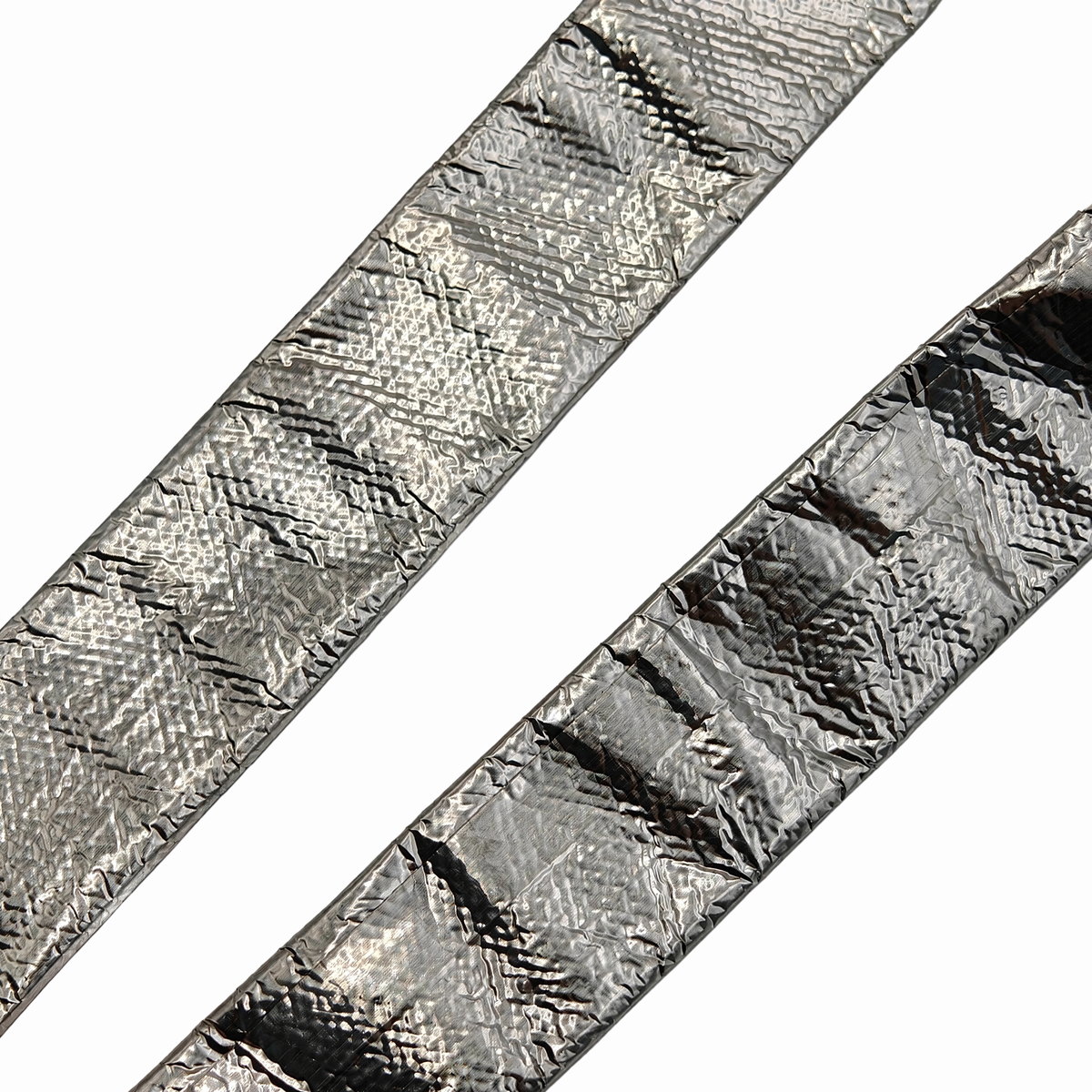
Selecting the right wire harness sleeve for curved cable routes represents a critical decision in electrical system design and assembly. Engineers frequently encounter challenges when routing cables through constrained or non-linear pathways, where standard protection methods fall short. A properly chosen wire harness sleeve ensures both mechanical protection and consistent electrical performance while accommodating the geometric demands of modern equipment layouts.
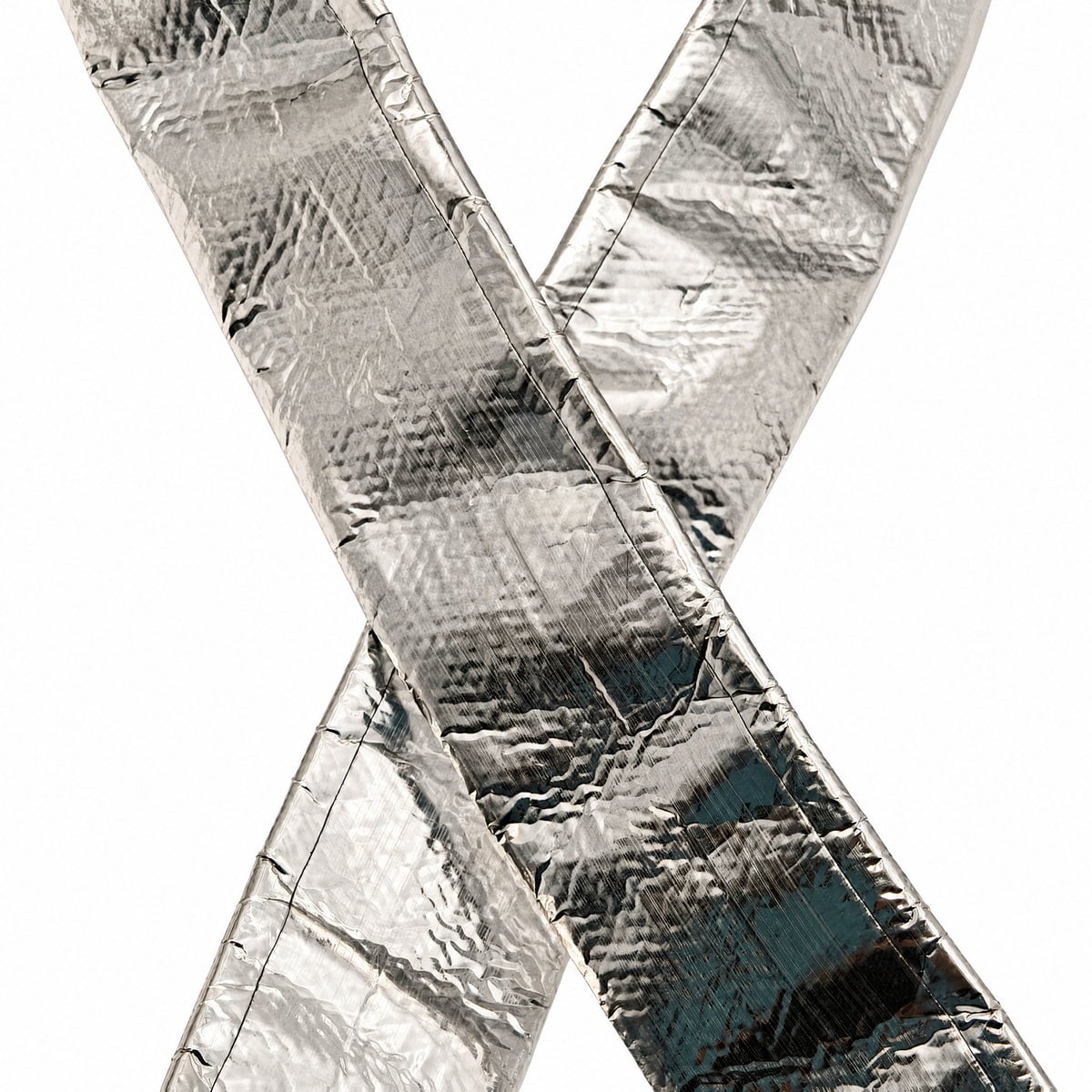
The complexity of selecting appropriate harness protection grows exponentially when curves, bends, and spatial constraints enter the design equation. Curved cable routes demand sleeves that flex without crimping, maintain structural integrity through repetitive motion cycles, and resist environmental degradation. Understanding the fundamental selection criteria allows engineers to balance performance, cost, manufacturability, and long-term reliability without over-engineering or compromising safety margins.
Material Composition and Flexibility Requirements
Evaluating Sleeve Material Options
Wire harness applications require cable protection materials that balance flexibility with durability across diverse operating conditions. Braided nylon sleeves offer excellent abrasion resistance and flex-life characteristics, making them suitable for high-motion environments where cables undergo frequent bending. Expanded polyethylene and polyester options provide lighter weight alternatives while maintaining adequate tear resistance for most industrial applications.
The choice of harness protection material fundamentally affects how the sleeve responds to curved routing geometries. Materials with lower memory characteristics enable tighter bend radii without permanent deformation, while those with higher elasticity recover better after repeated flexing cycles. Flame-retardant variants add critical safety margins in aerospace, automotive, and industrial settings where thermal exposure presents operational risk.
Temperature and Chemical Resistance
Curved cable routes often pass through engine compartments, junction boxes, or chemical processing areas where thermal and chemical stressors accelerate material degradation. A wire harness sleeve must maintain its protective properties across the full temperature range encountered during both operation and storage. High-performance materials resist UV exposure, ozone, and common industrial solvents that would compromise cheaper alternatives within months of deployment.
Engineers must cross-reference material datasheets against actual environmental profiles rather than relying on generic temperature ratings. Thermal cycling creates additional stress on harness protection layers, as differential expansion between the sleeve and internal conductors can generate micro-movements that eventually lead to abrasion and failure. Material selection directly influences maintenance intervals and total cost of ownership over the equipment lifecycle.
Bend Radius, Routing Geometry, and Installation Factors
Calculating Minimum Bend Radius
The minimum bend radius requirement represents the single most important technical parameter when designing curved routes for cable protection. Wire harness sleeves exhibit different minimum bend radius capabilities depending on material composition, wall thickness, and internal wire gauge. Violating minimum bend radius specifications causes internal conductor damage, insulation cracking, and premature failure that often manifests only after installation completion and equipment commissioning.
Engineers must account for both static installation bend radius and dynamic operating conditions when specifying cable protection systems. Some applications require the harness protection to accommodate movement between cable endpoints, adding another dimensional constraint to the routing envelope. Advanced sleeve geometries such as spiral-wrapped or semi-rigid options extend the performance envelope for particularly challenging curved configurations where standard braided sleeves prove inadequate.
Routing Path Complexity and Assembly Workflow
Complex curved routing paths sometimes demand staged sleeve application or specialized installation tooling to achieve proper positioning without exceeding bend radius limits. Engineers should evaluate whether the wire harness sleeve can be installed before or after final cable termination, as this decision cascades through assembly workflow planning. Split sleeves or segmented cable protection solutions offer installation flexibility at the cost of reduced environmental sealing compared to continuous-jacket alternatives.
The physical dimensions of the curved route—including length of curved sections, number of distinct bends, and available installation access—directly influence sleeve selection. Routes with multiple compound curves require careful calculation to ensure that harness protection material at each bend point remains within acceptable stress limits. Design software and physical mockups help validate that selected sleeve specifications actually perform as expected within the real-world equipment geometry.
Performance Standards, Compliance, and Long-Term Reliability
Industry Standards and Regulatory Requirements
Wire harness sleeve selection must satisfy applicable industry standards including SAE, UL, IEC, and automotive or aerospace specifications relevant to the target application. Flame-retardant cable protection meets critical safety requirements in enclosed spaces, power distribution cabinets, and aircraft systems where fire propagation presents catastrophic risk. Standards also dictate minimum abrasion resistance, moisture ingress barriers, and electrical insulation properties that sleeve materials must demonstrate through standardized testing protocols.
Compliance documentation becomes essential for regulated industries where supply chain audits and traceability records drive procurement decisions. Engineers and procurement teams should verify that selected harness protection products carry appropriate certifications and that suppliers maintain quality documentation spanning raw material sourcing through finished goods packaging. Specification misalignment discovered during late-stage design review or during customer qualification processes creates expensive rework and schedule delays.
Lifecycle Maintenance and Reliability Prediction
Predictive reliability models for curved cable routes must account for ongoing mechanical stress, thermal cycling, and environmental exposure that gradually degrade harness protection performance. Wire harness sleeve inspection protocols should establish clear criteria for replacement before failure occurs, typically based on visual cracking, brittleness, or loss of abrasion resistance. Designers should specify sleeve materials with demonstrated long-term performance history in similar applications rather than selecting based solely on initial cost or availability.
The reliability case for cable protection systems strengthens significantly when supported by real-world field data from comparable installations. Engineers benefit from tracking failure modes and identifying patterns that correlate with specific material choices, bend geometries, or environmental exposure profiles. This feedback loop enables continuous improvement in future wire harness sleeve specifications and reduces warranty costs associated with premature cable protection failure.
FAQ
What is the primary purpose of a wire harness sleeve in curved cable routes?
A wire harness sleeve protects internal conductors from abrasion, environmental contamination, and mechanical damage while maintaining the flexibility necessary to accommodate curved routing geometries. Harness protection in curved applications prevents insulation cracking from bend stress, blocks moisture and dirt ingress, and extends overall system reliability by isolating cables from sharp edges and corrosive substances encountered along the routing path.
How do engineers determine the correct bend radius for cable protection selection?
Engineers calculate minimum bend radius by consulting material datasheets, accounting for internal wire gauge and conductor bundle diameter, then adding safety margin to accommodate both static installation stress and dynamic operating conditions. The wire harness sleeve specification must ensure that bend radius never falls below the material's minimum rating throughout the entire curved routing path. Physical testing or simulation software helps validate that the selected harness protection performs acceptably within the actual equipment geometry.
What factors distinguish high-performance cable protection from basic alternatives?
High-performance wire harness sleeve materials offer superior temperature and chemical resistance, flame-retardant properties, extended flex-life characteristics, and compliance with industry standards applicable to regulated industries. Premium harness protection solutions provide longer service life, better environmental sealing, and documented reliability history compared to commodity alternatives. The investment in higher-specification cable protection typically yields lower maintenance costs and reduced warranty exposure over the equipment lifecycle.
 EN