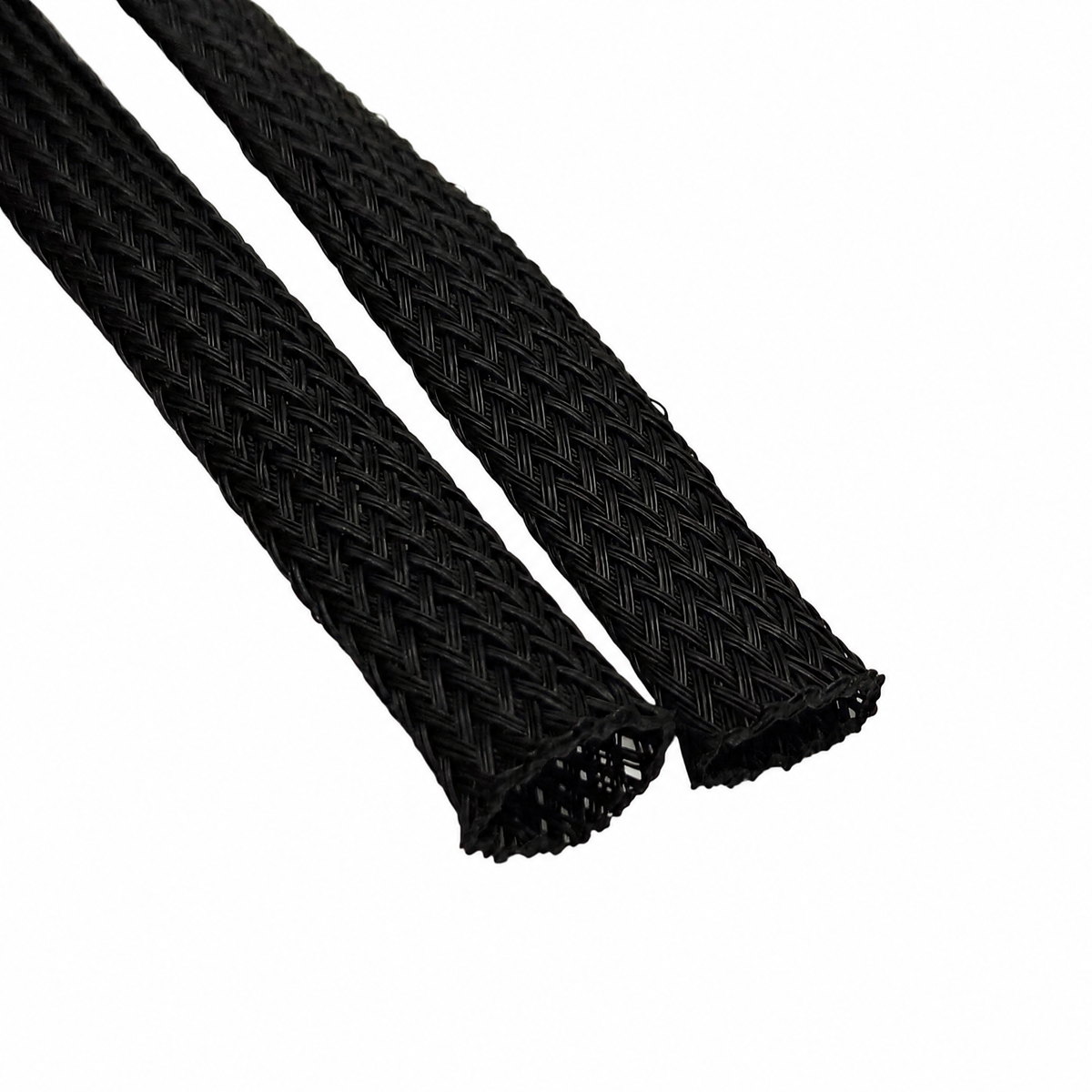
Heat resistance is a critical factor when choosing the right expandable sleeving for your industrial operations. Whether you are protecting sensitive wiring in automotive engines, aerospace systems, or industrial equipment, the thermal performance of your sleeving solution directly impacts system reliability, safety compliance, and long-term operational costs. Selecting sleeving without properly evaluating heat resistance can lead to premature failure, equipment damage, and unexpected downtime that disrupts production schedules.
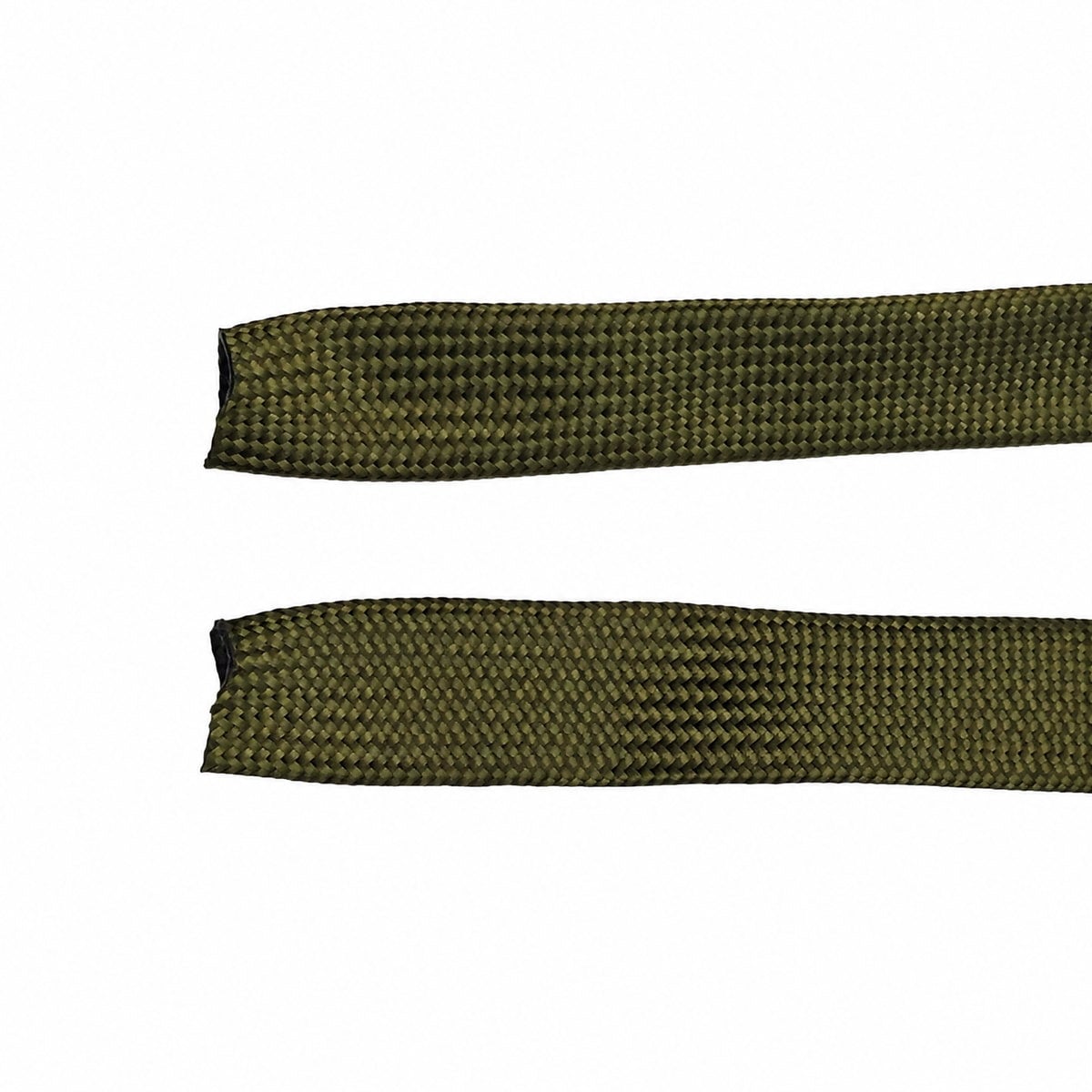
The thermal environment where your bundle expansion and wire protection systems operate determines the material specifications you need to specify. High-temperature environments expose sleeving to extreme conditions that degrade standard polymer materials, causing brittleness, shrinkage, and loss of protective integrity. Understanding how different sleeving materials respond to heat ensures you choose solutions that maintain their protective function throughout the equipment lifecycle and comply with industry safety standards.
Understanding Thermal Performance in Sleeving Materials
Material Composition and Heat Rating
The core material of your braided sleeving determines its heat resistance rating and long-term performance in thermal environments. Standard polyester and nylon braided sleeving typically handle temperatures up to 105°C, making them suitable for general industrial wire protection applications. However, silicone-based and fiberglass-reinforced sleeving materials can withstand continuous temperatures between 200°C and 260°C, providing critical protection in high-heat manufacturing environments. The heat rating represents the maximum continuous operating temperature at which the material maintains its protective properties without experiencing accelerated degradation or loss of flexibility.
Thermal Stability and Material Longevity
Thermal stability refers to how well expandable sleeving resists chemical and physical breakdown when exposed to sustained elevated temperatures. Materials with superior thermal stability maintain their tensile strength, elasticity, and protective barrier function even after prolonged exposure to heat cycling. Poor thermal stability leads to embrittlement, where the sleeving becomes rigid and prone to cracking, compromising its wire protection capabilities. When specifying braided sleeving for high-temperature bundle expansion applications, thermal stability rating becomes as important as the maximum temperature threshold because real-world operations involve repeated heating and cooling cycles rather than constant static heat.
Industrial Applications Requiring Superior Heat Resistance
Automotive and Aerospace Thermal Demands
Automotive engine compartments routinely reach temperatures exceeding 150°C, and modern electric vehicle battery management systems generate even higher localized thermal stress around power distribution harnesses. In aerospace applications, bundle expansion components near turbine housings and exhaust systems encounter continuous temperatures above 200°C, sometimes spiking to 260°C during peak operational conditions. Wire protection in these environments cannot rely on standard polymer sleeving because inadequate heat resistance leads to insulation breakdown, short circuits, and potentially catastrophic system failures. Selecting expandable sleeving with verified heat ratings appropriate to your specific engine bay or aircraft compartment location is essential for safety compliance and warranty protection.
Industrial Manufacturing and Process Equipment
Heavy manufacturing facilities use expandable sleeving to protect control and sensor wiring running through areas where ambient temperatures, radiant heat from furnaces, or friction-generated heat create challenging thermal environments. Injection molding machines, metal processing equipment, and chemical processing plants all generate localized hot zones where inadequate wire protection sleeving fails within months. The cost of production line downtime resulting from sleeving failure far exceeds the initial material savings from choosing lower-grade braided sleeving. Industrial bundle expansion specifications should factor in both direct heat exposure and radiant thermal conditions to ensure appropriate material selection and long-term operational reliability.
Selecting the Right Heat-Resistant Sleeving Solution
Matching Material Specifications to Operating Conditions
The selection process begins by accurately identifying the maximum continuous operating temperature and the peak temperature spikes your wiring system will encounter. Next, specify a sleeving material with a heat rating that exceeds your identified temperature profile by at least 20°C to provide a safety margin and account for localized thermal variations. For bundle expansion applications where multiple wires generate friction heat and compress together, conservative temperature margin selection prevents premature failure and extends replacement intervals. Document the actual thermal environment through thermal imaging or temperature monitoring data rather than relying on equipment manufacturer estimates, because field conditions frequently exceed design-phase thermal assumptions.
Regulatory Compliance and Performance Verification
Many industries require expandable sleeving to meet specific thermal and flammability standards such as UL, CSA, or military specifications. Verify that your selected braided sleeving carries the appropriate certifications for your application, especially in aerospace, automotive, and medical device manufacturing where regulatory compliance is mandatory. Heat resistance ratings should be documented through third-party testing certificates rather than manufacturer claims alone, as field performance verification ensures you receive sleeving that actually delivers the specified thermal performance. When evaluating wire protection solutions from different suppliers, request comparative thermal aging test data to confirm that your chosen expandable sleeving maintains structural integrity and protective function after extended exposure to the target operating temperature.
FAQ
What temperature range should expandable sleeving handle for general industrial use?
Standard braided sleeving rated for 105°C to 150°C handles most general industrial wire protection and bundle expansion applications. However, if your equipment operates near heat sources or in enclosed compartments, specify sleeving rated for at least 175°C to accommodate localized temperature spikes and provide a reasonable safety margin.
How does heat resistance affect the lifespan of braided sleeving?
Sleeving operating near its maximum heat rating degrades significantly faster than sleeving with adequate thermal margin. Each 10°C increase above recommended operating temperature can reduce sleeving lifespan by 50 percent or more, making proper heat resistance selection critical for minimizing maintenance costs and production disruptions.
Can expandable sleeving be upgraded for high-temperature applications?
Yes, switching from standard polymer to silicone or fiberglass-reinforced expandable sleeving provides substantially better heat resistance for wire protection and bundle expansion in thermal environments. However, upgrading requires confirming that your bundle expansion diameter and routing remain compatible with the new material's mechanical properties and flexibility characteristics.
 EN