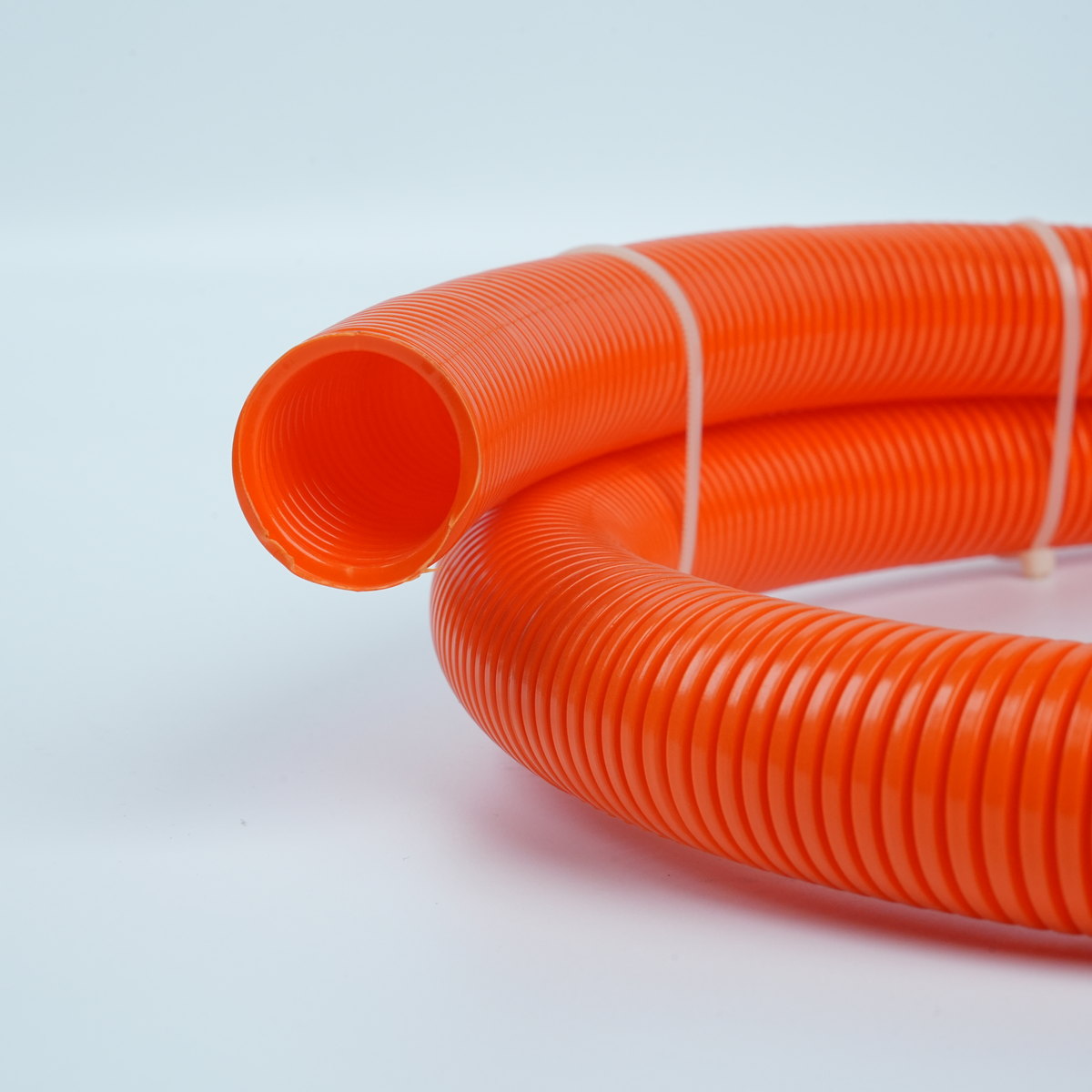
Electrical insulation is a critical factor that often gets overlooked when engineers and technicians select wire loom conduit for their projects. The primary role of any wire loom conduit is to shield electrical wiring from environmental hazards, but the insulation properties embedded in the conduit material determine how effectively that protection actually performs. Understanding why electrical insulation matters can mean the difference between a system that fails prematurely and one that delivers reliable performance throughout its operational life. When you choose the right wire loom conduit with proper insulation characteristics, you reduce downtime, lower maintenance costs, and ensure safety compliance across industrial and automotive applications.
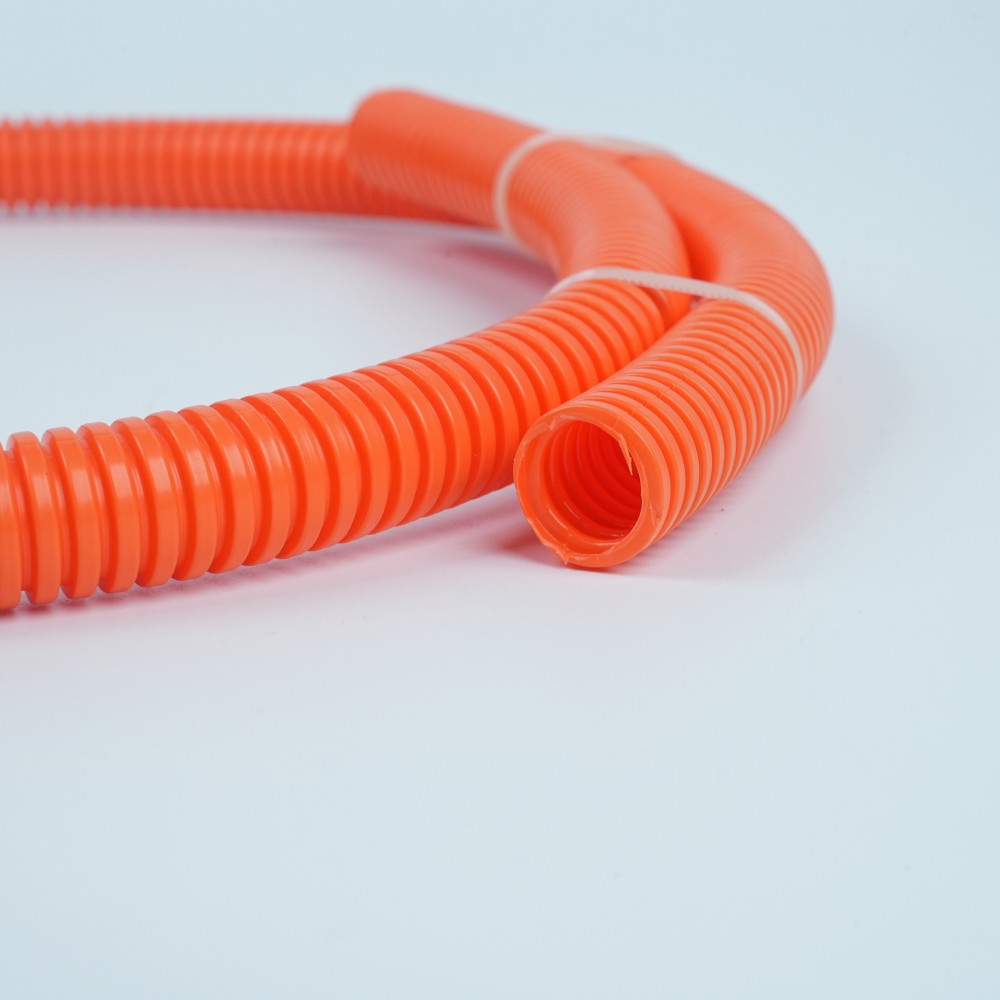
The selection process for wire harness protection requires more than just fitting a tube around your cables. Electrical insulation quality directly impacts flame resistance, chemical stability, temperature tolerance, and long-term durability. Whether you are designing automotive wiring harnesses, industrial control systems, or consumer electronics, the insulation properties of your chosen conduit must align with the specific electrical and environmental demands of your application. This guide walks you through the essential aspects of electrical insulation in wire loom conduit, helping you make informed decisions that protect your investment and ensure system reliability.
The Role of Electrical Insulation in Wire Loom Conduit Performance
Protecting Against Electrical Hazards
Electrical insulation in a wire loom conduit serves as a barrier between live wiring and external elements, reducing the risk of short circuits, electrical arcing, and accidental contact with conductive surfaces. In automotive wiring applications, where vibration, moisture, and temperature fluctuations are constant, insulation quality becomes especially important. A wire harness protection system with inadequate insulation can allow moisture to penetrate the conduit, creating pathways for electrical current to flow where it should not, potentially causing system failures or safety hazards. The insulation material itself must resist degradation from exposure to oils, solvents, UV light, and temperature extremes.
Temperature and Chemical Resistance
Different applications impose different thermal and chemical stresses on wire loom conduit. Automotive engine compartments expose conduits to temperatures that can reach 120°C or higher, while industrial environments may introduce aggressive chemicals or abrasive conditions. Quality electrical insulation materials, such as flame-retardant nylon or polyester, maintain their protective properties across wide temperature ranges without becoming brittle or losing flexibility. When insulation deteriorates under heat or chemical exposure, the conduit loses its ability to provide effective wire harness protection, leading to potential electrical failures and safety compliance violations.
Key Insulation Characteristics to Evaluate
Flame Retardancy and Fire Safety
Flame retardancy is a non-negotiable requirement in many industries, particularly in automotive wiring and aerospace applications. A wire loom conduit with superior electrical insulation will incorporate additives and material formulations that slow or prevent flame propagation if the wiring inside encounters an electrical fault. Flame-retardant split loom and conduit types are tested according to standards such as UL 94, which rates materials based on their ability to extinguish flames and limit smoke generation. Choosing a conduit with certified flame retardancy ensures that your wire harness protection system meets regulatory requirements and protects against catastrophic failures that could result in fires.
Flexibility and Durability Over Time
Good electrical insulation must balance rigidity with flexibility to accommodate installation challenges and maintain protection during the conduit's service life. Split loom products, for example, offer ease of installation around existing harnesses while maintaining excellent insulation properties. As the material ages, however, insulation can become brittle if not formulated correctly, losing flexibility and cracking under vibration or thermal cycling. Durable insulation materials resist UV degradation, maintain pliability across temperature swings, and withstand mechanical stress without compromising their protective integrity. This longevity directly reduces the need for premature replacement and repair cycles in industrial and automotive systems.
Selecting the Right Wire Loom Conduit Based on Insulation Requirements
Application-Specific Insulation Needs
Not every wire harness protection application requires the same level of insulation sophistication. Automotive wiring in the engine bay demands robust flame-retardant materials and superior thermal resistance, while general-purpose industrial conduit may prioritize cost-effectiveness and basic environmental shielding. When evaluating split loom and other wire loom conduit options, assess the actual temperature range, chemical exposure, vibration intensity, and electrical voltage of your specific environment. A wire harness protection system that exceeds requirements wastes budget, while one that falls short creates liability and operational risk. The right choice aligns insulation performance directly with application demands.
Performance Testing and Certification Standards
Reputable manufacturers of wire loom conduit provide documentation showing that their insulation has been tested and certified to relevant standards. Common certifications include UL 94 for flame retardancy, ASTM standards for material properties, and automotive-specific standards such as AMS 3667 or VW 7DG. When selecting a wire harness protection product, request certificates of compliance and verify that the claimed insulation properties have been validated by independent testing. This due diligence ensures that the electrical insulation you are paying for actually delivers the protection your system needs. Cheap alternatives that lack certification often fail prematurely, creating hidden costs and downtime that far exceed the initial savings.
FAQ
Why is flame-retardant insulation important in automotive wiring applications?
Flame-retardant insulation prevents rapid fire spread in the event of an electrical fault or short circuit. Automotive environments are particularly vulnerable to electrical fires due to fuel vapor, engine heat, and the density of electrical components in confined spaces. A wire loom conduit with certified flame retardancy significantly reduces the risk of catastrophic failure and meets manufacturer safety requirements and regulatory standards.
Can standard split loom provide adequate wire harness protection without special insulation?
Standard split loom offers basic environmental protection against dust and moisture, but may not provide sufficient electrical insulation for demanding applications. In high-temperature engine compartments, chemical-rich industrial settings, or systems carrying high electrical loads, standard materials degrade quickly and lose protective integrity. Investing in split loom and conduit products with reinforced electrical insulation extends service life, improves safety, and ultimately reduces total cost of ownership despite higher upfront material cost.
How does temperature rating affect the choice of wire loom conduit insulation?
Temperature rating directly indicates how well the insulation material maintains its protective properties under thermal stress. A wire loom conduit rated for 120°C will remain flexible and maintain electrical insulation properties at that temperature, while lower-rated materials become brittle and crack. Always select a conduit temperature rating that exceeds the maximum operating temperature of your application by a safety margin. This ensures that your wire harness protection system remains effective throughout its intended service life without premature degradation or failure.
 EN