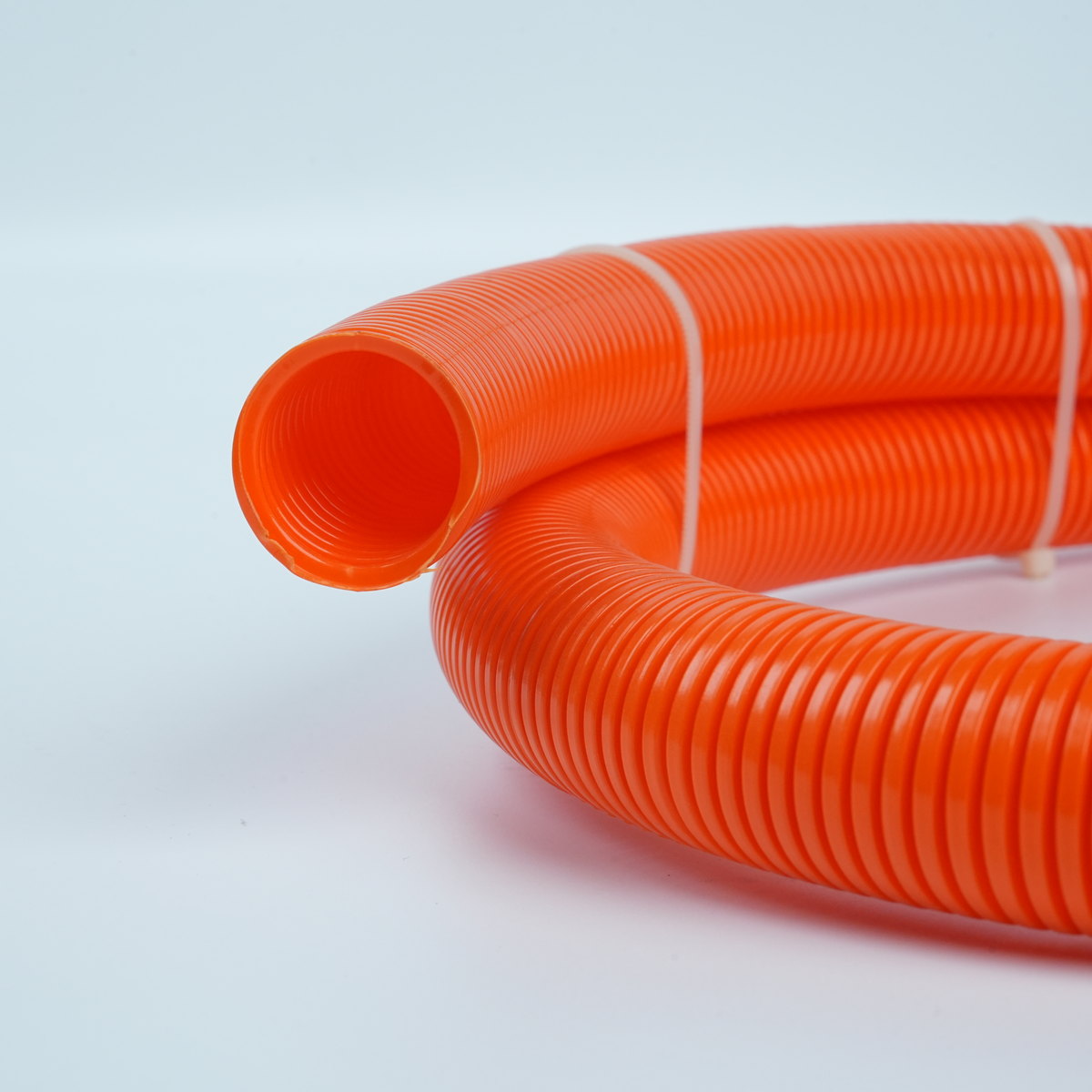
Cable assemblies in industrial, aerospace, and electronics manufacturing demand reliable protection from heat, chemicals, and mechanical wear. The right PTFE sleeving can mean the difference between equipment that operates dependably for years and systems that fail unexpectedly. Understanding which features truly matter helps engineers and procurement professionals select sleeving that delivers performance, longevity, and cost efficiency in demanding applications.
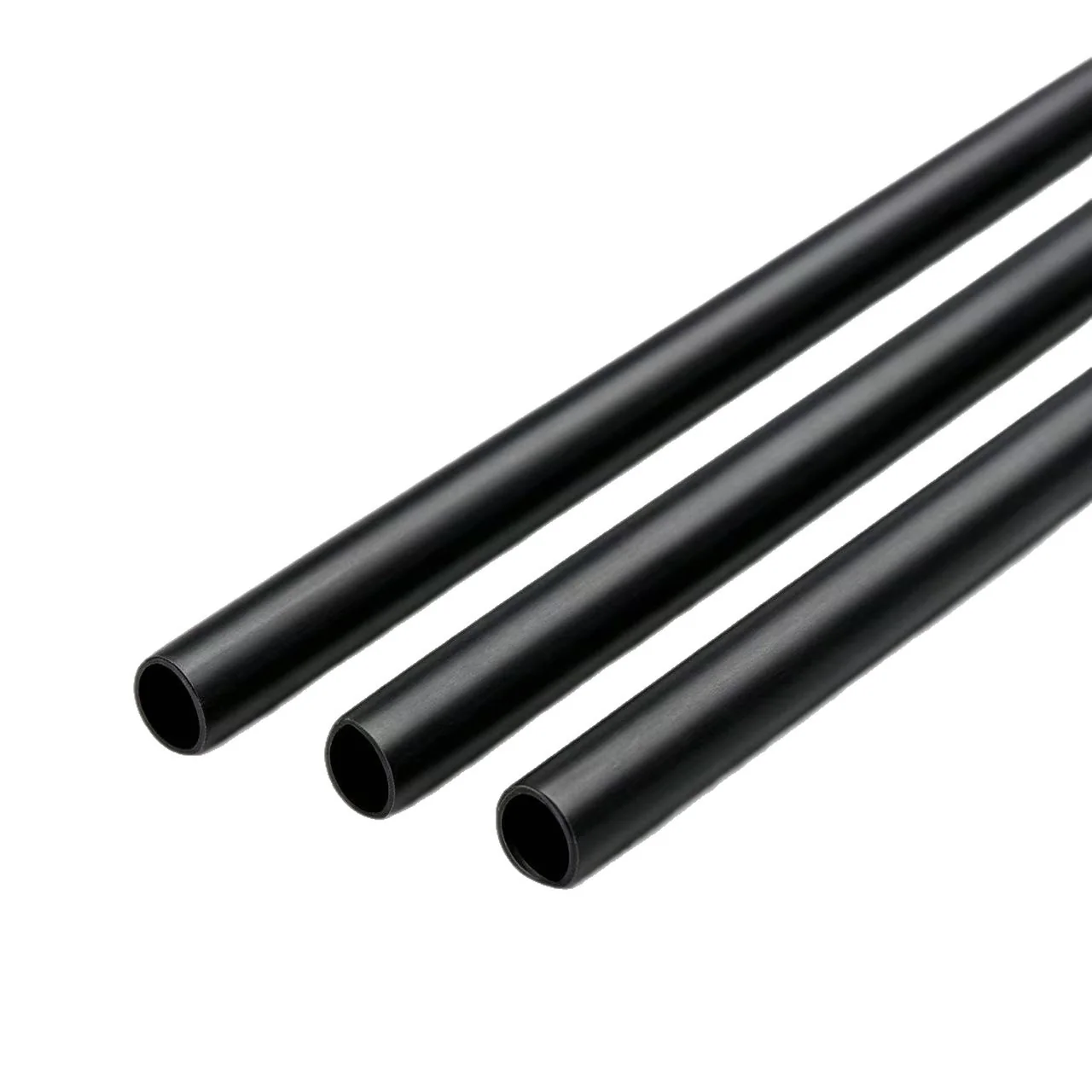
PTFE sleeving offers distinct advantages over conventional plastic or rubber alternatives because of its exceptional chemical resistance, temperature stability, and electrical insulation properties. When selecting sleeving for cable assemblies, focusing on core functional features ensures your wire insulation remains intact throughout the product lifecycle, regardless of environmental exposure or mechanical stress.
Thermal Performance and High Temperature Capability
Temperature Rating and Operating Range
High temperature resistance is one of the most critical specifications for industrial cable protection. PTFE sleeving maintains its integrity across a wide operating range, typically from minus 40°C to plus 260°C, making it suitable for applications near heat sources, within engine compartments, or in chemical processing environments. When evaluating high temperature performance, consider not just the peak temperature the sleeving can withstand, but also how consistently it maintains flexibility and wall thickness under sustained exposure to elevated heat.
The thermal stability of PTFE means wire insulation underneath remains protected even when ambient conditions fluctuate. This is particularly important in aerospace and automotive sectors where temperature cycling is routine. A sleeving material that degrades under heat will eventually expose the underlying conductors, creating short-circuit risks and safety hazards. Verifying that your high temperature sleeving meets relevant industry standards ensures predictable performance across the intended thermal envelope.
Thermal Conductivity and Heat Dissipation
While PTFE resists high temperatures, it also acts as an insulator, which means heat dissipation from cables must be considered during design. In applications where conductors carry significant current, the sleeving's thermal properties affect how quickly heat can escape. High performance cable protection systems sometimes combine PTFE sleeving with thermally conductive fillers or use thinner wall designs to balance insulation with manageable heat buildup. Understanding this tradeoff helps you match cable protection specifications to your actual operational demands.
Chemical Resistance and Environmental Protection
Resistance to Oils, Solvents, and Corrosive Agents
Industrial environments expose cables to oils, fuels, solvents, and other chemical substances that degrade conventional plastics. PTFE sleeving resists virtually all commonly encountered industrial chemicals, making it ideal for automotive engine bays, manufacturing plants, and chemical processing facilities. This chemical resistance protects wire insulation from degradation, maintaining electrical safety and preventing intermittent faults caused by corrosive exposure. When specifying cable protection for harsh chemical environments, PTFE's inert nature provides confidence that your wiring will remain functional over extended service intervals.
The advantage of superior chemical protection becomes evident when comparing maintenance costs and downtime. Cables protected with conventional sleeving may require replacement every two to three years in aggressive environments, while PTFE-sleeved assemblies often operate reliably for five years or longer without degradation. This durability translates directly into reduced labor costs, fewer emergency repairs, and improved operational continuity across manufacturing and industrial settings.
Moisture and UV Stability
Exposure to moisture and ultraviolet radiation weakens many polymers, leading to brittleness and eventual failure. PTFE sleeving maintains its properties when exposed to humidity, moisture, salt spray, and UV light, making it suitable for outdoor installations, marine applications, and roof-mounted equipment. The material does not absorb water, preventing electrical degradation and maintaining consistent insulation resistance over time. For cable assemblies used in coastal regions or outdoor industrial settings, this UV and moisture stability is essential for safety and reliability.
Mechanical Properties and Cable Assembly Integration
Flexibility, Wall Thickness, and Fit
Practical cable protection requires sleeving that remains flexible enough to route through tight spaces without cracking or breaking during installation. PTFE sleeving maintains flexibility across its entire operating temperature range, unlike some rigid thermoplastics that become brittle when cold. Wall thickness affects both the protective barrier and the ease of installation; thinner walls fit existing assemblies without requiring reconfiguration, while thicker walls provide enhanced mechanical protection for high-traffic or high-vibration environments. Balancing these factors depends on your specific cable routing, assembly constraints, and mechanical abuse expectations.
When selecting wire insulation protection, consider whether the sleeving will be installed over existing cables or incorporated during initial assembly. Heat-shrinkable PTFE options conform snugly to cable diameters after thermal processing, creating a secure fit that resists slipping or abrasion. Non-shrink varieties offer easier retrofit installation but may require careful sizing to prevent loosening over time. Understanding these mechanical integration points ensures seamless installation and long-term cable protection without assembly delays or rework.
Durability Under Mechanical Stress
Cable assemblies in dynamic applications experience flexing, vibration, and occasional impact. PTFE sleeving resists cracking and puncturing better than softer polymer alternatives, maintaining its protective barrier even under mechanical stress. The material's low friction coefficient means it withstands repetitive flexing without internal surface degradation, which extends service life in applications such as robotic arms, automated manufacturing lines, and aircraft wiring harnesses. When cable protection must survive continuous movement and environmental cycling, PTFE's mechanical toughness becomes a decisive advantage over lower-cost alternatives.
Electrical and Regulatory Compliance
Dielectric Strength and Insulation Performance
PTFE possesses excellent dielectric properties, making it suitable for high-voltage applications and environments where electrical safety is paramount. The sleeving's insulation resistance remains consistent across temperature ranges, ensuring predictable electrical performance in critical circuits. For aerospace, medical device, and power distribution applications, this electrical stability is often specified in design requirements. Verifying that your high temperature cable protection meets relevant electrical safety standards and dielectric testing ensures your assemblies will not create unintended electrical pathways or safety risks.
Compliance with Industry Standards
Aerospace, automotive, medical, and military sectors maintain rigorous specifications for cable protection materials. PTFE sleeving typically meets specifications including MIL-DTL-23053, AS350, and ISO requirements, depending on application context. When procuring cable assemblies for regulated industries, confirming that the wire insulation protection meets applicable standards prevents costly design revisions and ensures compatibility with systems integration requirements. Documentation of material certifications and test reports becomes essential for quality assurance and regulatory compliance verification.
FAQ
What makes PTFE sleeving better than silicone or rubber for cable protection?
PTFE sleeving outperforms silicone and rubber in high temperature applications, chemical resistance, and durability. While silicone offers greater flexibility in extreme cold, PTFE provides superior long-term stability, lower friction, and better resistance to oils and solvents. Rubber degrades quickly in harsh environments, whereas PTFE maintains wire insulation integrity for extended service life, making it the preferred choice for demanding industrial, aerospace, and automotive applications requiring reliable cable protection.
Can PTFE sleeving be used in food processing and pharmaceutical environments?
Yes, PTFE sleeving is approved for food processing and pharmaceutical applications because it is chemically inert and does not leach substances into products. Its compliance with FDA and international food-contact standards makes it suitable for cable assemblies in packaging equipment, food handling machinery, and pharmaceutical manufacturing. The material's resistance to cleaning agents and sterilization processes ensures wire insulation remains protected even in hygienic environments where frequent washdown and chemical disinfection occur.
How do I determine the correct wall thickness for high temperature cable protection?
Wall thickness selection depends on the cable diameter, expected mechanical abuse, and high temperature operating conditions. Thinner walls (0.5–1.0 mm) suit retrofit applications and space-constrained routing, while thicker options (1.5–2.0 mm) provide enhanced mechanical protection in high-vibration environments. Consult manufacturer sizing charts and consider your specific application's thermal cycling, chemical exposure, and flexing demands. Oversizing increases cost without proportional benefit, while undersizing compromises cable protection effectiveness and longevity.
 EN