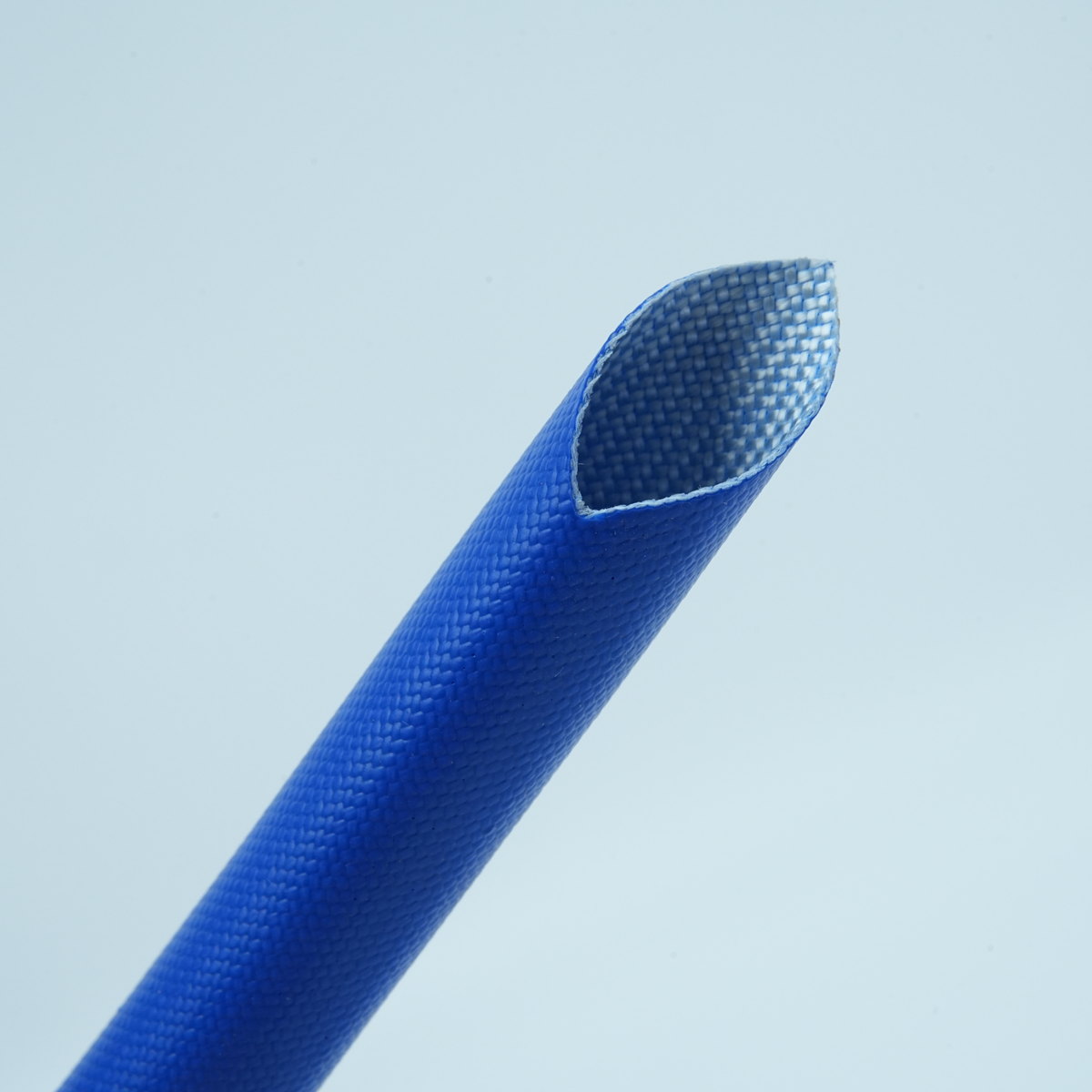
When managing maintenance-intensive equipment, selecting the right protective materials can dramatically reduce downtime and extend operational lifespan. Fiberglass sleeving represents one of the most critical components in equipment protection strategies, particularly in environments where thermal stress, electrical hazards, and mechanical wear pose constant threats. Understanding which features of fiberglass sleeving deliver the most value helps equipment managers make informed decisions that balance performance with cost-effectiveness.
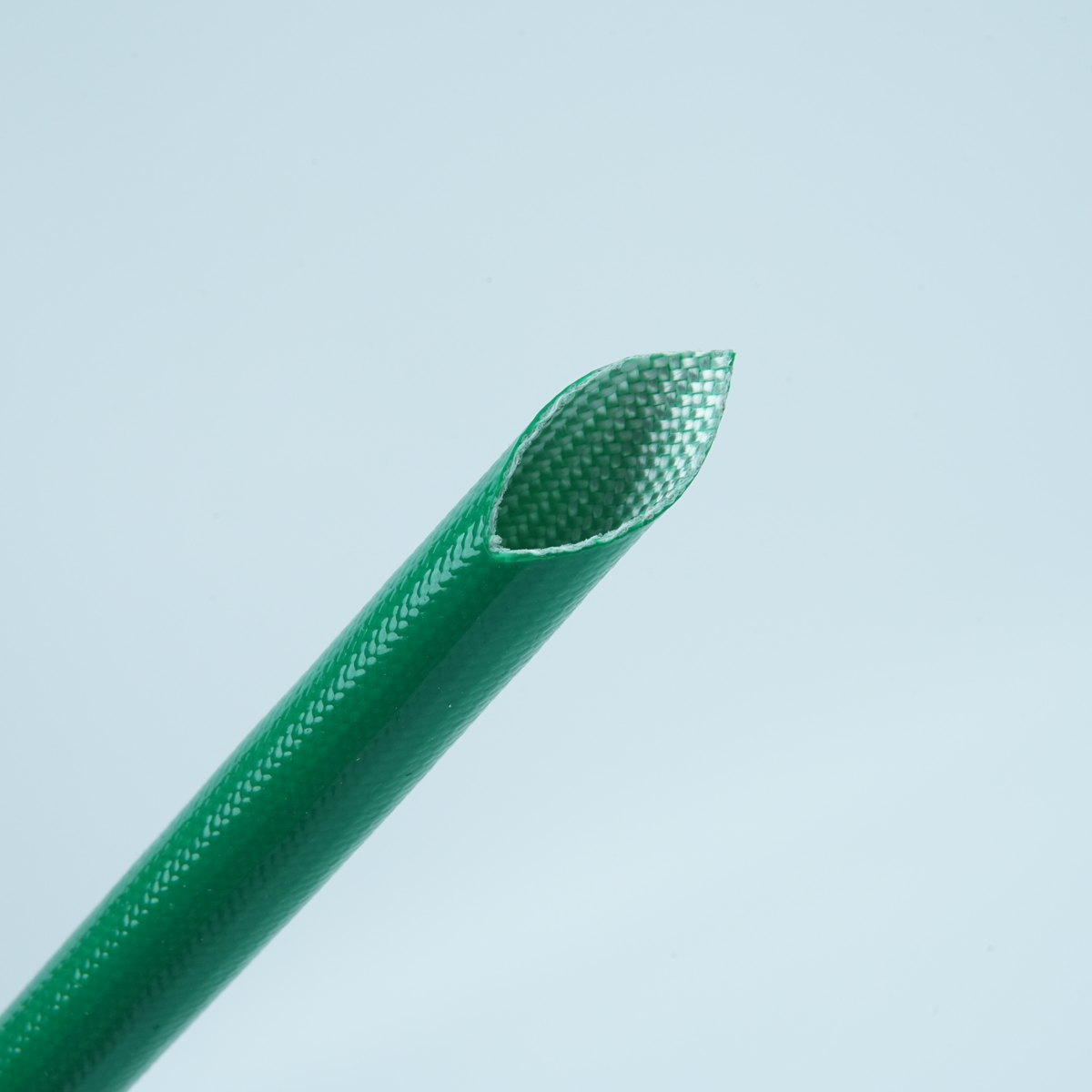
Equipment subjected to repeated thermal cycling, electrical exposure, or harsh chemical environments demands protective solutions that go beyond basic insulation. Fiberglass sleeving offers engineered protection designed specifically for these demanding applications, making it essential for facilities that prioritize reliability and safety across their operational infrastructure.
Thermal Performance and Heat Resistance
Understanding Temperature Rating Requirements
Heat resistance stands as one of the most critical attributes when evaluating fiberglass sleeving for maintenance-intensive equipment. Most modern fiberglass sleeving products are rated for continuous operation at temperatures between 200 and 260 degrees Celsius, with specialty variants extending beyond 300 degrees Celsius. For equipment subject to thermal cycling, this high temperature insulation capability prevents degradation of underlying wires and components that would otherwise fail prematurely.
The distinction between continuous and peak temperature ratings matters significantly in real-world maintenance scenarios. Equipment experiencing intermittent thermal spikes requires sleeving that handles transient exposure without losing structural integrity. High temperature insulation performance directly correlates with equipment reliability, reducing costly emergency repairs and unplanned maintenance interventions.
Thermal Stability in Harsh Environments
Beyond raw temperature ratings, thermal stability determines how fiberglass sleeving behaves when exposed to repeated heating and cooling cycles. Quality fiberglass sleeving maintains its mechanical properties across these thermal cycles, preventing brittleness or loss of protective capability. This thermal resilience proves especially valuable in automotive wiring applications where engine components endure constant temperature fluctuations.
The flame-resistant characteristics of premium fiberglass sleeving complement its heat resistance properties, providing dual protection against both sustained thermal exposure and unexpected ignition sources. This combination makes it indispensable for equipment in facilities where fire safety codes demand enhanced protection levels.
Mechanical Durability and Abrasion Resistance
Surface Protection Against Wear
Maintenance-intensive equipment environments introduce constant mechanical challenges that test the durability limits of protective sleeving. Fiberglass sleeving exhibits exceptional abrasion resistance, which prevents the protective layer from degrading when wires and components move, vibrate, or contact rough surfaces during normal operation and maintenance procedures. This mechanical resilience directly extends the service life of underlying equipment and reduces the frequency of sleeving replacement.
The tight weave structure of quality fiberglass sleeving provides superior protection compared to lower-density alternatives, maintaining its protective barrier even after years of exposure to mechanical stress. For automotive wiring systems and other applications involving vibration, this durability feature prevents premature failure and associated maintenance costs.
Flexibility and Installation Considerations
Practical installation requirements often determine whether protective materials can be successfully deployed in real equipment environments. High-quality fiberglass sleeving offers the optimal balance between structural rigidity and installation flexibility, allowing technicians to apply protection without requiring extensive equipment modification or disassembly. This flexibility directly impacts maintenance scheduling and reduces labor costs associated with protective upgrades.
The ability to fit fiberglass sleeving around complex wire bundles and irregular component geometries without compromising protection makes it invaluable for retrofit applications. Equipment operators appreciate solutions that provide robust protection while maintaining access to components requiring periodic inspection or replacement.
Chemical Resistance and Environmental Durability
Protection Against Corrosive and Degrading Substances
Industrial environments expose equipment to oils, coolants, solvents, and other chemical agents that degrade inferior protective materials. Premium fiberglass sleeving resists chemical attack from these common industrial substances, maintaining its protective properties throughout extended exposure. This chemical resistance proves particularly important in maintenance-intensive facilities where equipment operates continuously and protective materials cannot be replaced during regular business hours.
The inherent stability of fiberglass materials against moisture, UV radiation, and temperature extremes ensures that sleeving performance remains consistent across diverse environmental conditions. Equipment located in outdoor or semi-protected spaces benefits tremendously from this comprehensive environmental durability, reducing maintenance intervention frequency.
Compatibility with Equipment Maintenance Protocols
Effective equipment maintenance requires protective materials that withstand routine cleaning procedures and maintenance chemical applications. High temperature insulation products must remain stable when exposed to cleaning solvents and lubricants used during standard maintenance operations. This compatibility directly influences whether protective sleeving survives scheduled maintenance without requiring replacement.
The compatibility between fiberglass sleeving and various equipment maintenance protocols ensures that protection remains intact throughout the operational lifetime of the equipment. Maintenance managers can confidently apply standard cleaning and lubrication procedures without concern that protective materials will degrade or compromise equipment performance.
FAQ
What temperature rating should I select for fiberglass sleeving in my application?
Select a continuous temperature rating that exceeds the maximum operating temperature of your equipment by at least 25 to 50 degrees Celsius. This safety margin ensures that the fiberglass sleeving maintains its protective properties even during peak thermal exposure and provides reliability across the full service life. For equipment experiencing rapid thermal cycling, consider a product with superior temperature stability ratings rather than minimum rated temperature levels.
How does fiberglass sleeving compare to other automotive wiring protection methods?
Fiberglass sleeving offers superior heat resistance and mechanical durability compared to most plastic or rubber alternatives, making it the preferred choice for high-temperature automotive wiring applications. The combination of thermal stability, abrasion resistance, and chemical compatibility makes fiberglass sleeving suitable for demanding environments where other materials would degrade rapidly. For equipment prioritizing long-term reliability and minimal maintenance intervention, fiberglass sleeving provides the most cost-effective protection solution.
Can fiberglass sleeving be applied to existing equipment without major modification?
Yes, quality fiberglass sleeving features sufficient flexibility to fit around existing wire bundles and component geometries without requiring equipment disassembly or significant modification. Installation can typically be completed during scheduled maintenance windows, allowing protective upgrades to be implemented without disrupting operational schedules. The ease of installation, combined with the durability of high temperature insulation provided, makes retrofit application of fiberglass sleeving a practical and cost-effective maintenance strategy.
 EN