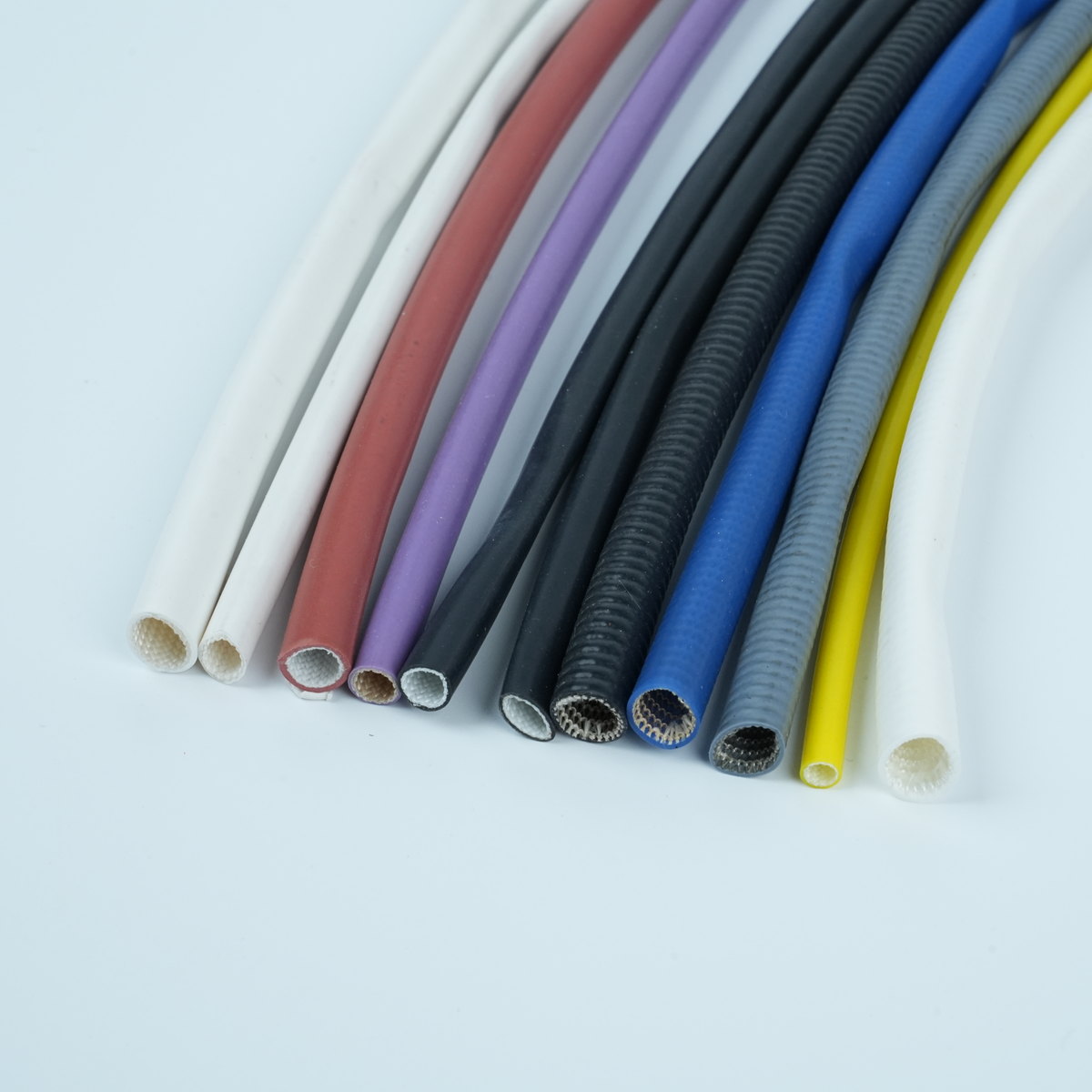
Selecting the right fiberglass sleeve for cable assemblies requires understanding which features directly impact performance, durability, and safety in your specific application. Cable assemblies operate in diverse environments, from industrial machinery to aerospace systems, and each context demands particular protective characteristics. A fiberglass sleeve serves as a critical barrier against mechanical damage, electrical hazards, and environmental exposure, making feature selection far more than a procurement checkbox.
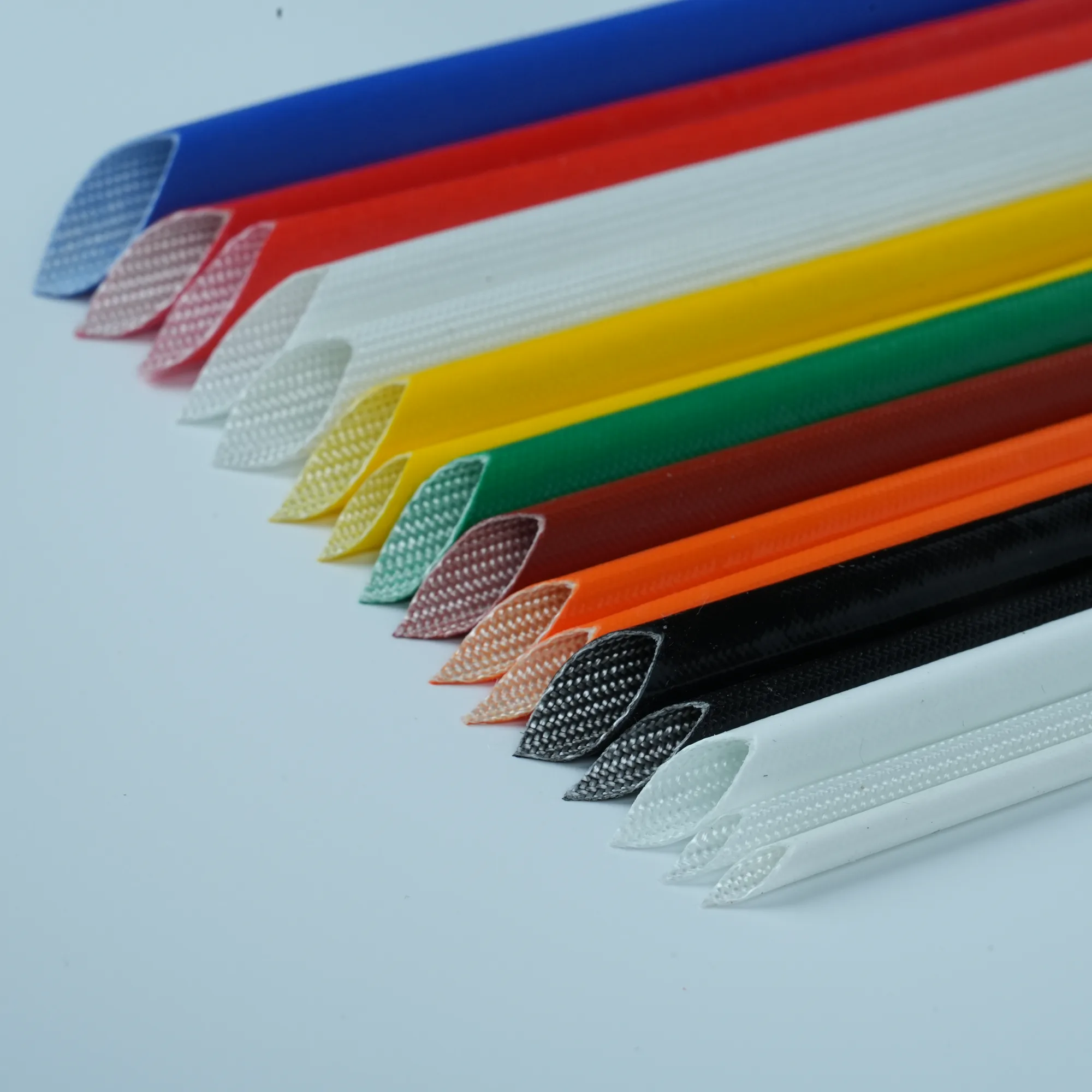
The challenge lies in balancing thermal protection, mechanical strength, flexibility, and chemical resistance without over-engineering or driving costs higher than necessary. Understanding which fiberglass sleeve characteristics truly matter for your cable assemblies ensures you invest in the right solution, avoid performance failures in the field, and maintain consistent product quality across production runs.
Thermal Performance and High Temperature Tolerance
Continuous Operating Temperature Ratings
High temperature capability is often the first feature engineers evaluate when choosing a fiberglass sleeve for cable protection. Standard fiberglass sleeves typically handle temperatures up to 200°C continuously, but specialized formulations extend this range significantly. A heat resistant sleeve designed for automotive, industrial furnace, or welding applications must maintain structural integrity, resist melting, and prevent resin breakdown at elevated temperatures. Your cable assembly's operating temperature, combined with any transient spike conditions, determines the minimum temperature rating your fiberglass sleeve must support without degradation.
When evaluating high temperature fiberglass sleeves, look beyond the continuous rating and examine peak temperature tolerance. Many industrial applications experience brief temperature excursions well above normal operating levels. A fiberglass sleeve rated for 300°C continuous operation provides safety margin and reliability during these transient events. Undersizing the temperature rating creates risk of insulation failure, potential electrical faults, and costly field service calls.
Thermal Stability and Resin Chemistry
The resin system bonding fiberglass fibers directly influences how well your heat resistant sleeve resists degradation. Silicone resin formulations offer superior thermal stability compared to standard polyester or epoxy systems, maintaining flexibility and tensile strength at elevated temperatures. Phenolic resins provide additional flame resistance, important in aerospace and defense applications where fire safety standards demand specific material behavior. Understanding the resin chemistry in your fiberglass sleeve ensures it performs consistently across repeated thermal cycling, a critical stress in engine compartments and industrial equipment.
Wire Insulation Protection and Mechanical Properties
Tensile Strength and Abrasion Resistance
Wire insulation requires consistent mechanical protection throughout the cable assembly lifecycle, from manufacturing and assembly through installation and field service. A fiberglass sleeve must offer sufficient tensile strength to resist tearing during installation without limiting flexibility needed for routing through tight spaces. Abrasion resistance prevents the outer resin from wearing through during handling, vibration, or contact with sharp edges or rough surfaces. Testing abrasion resistance ensures your fiberglass sleeve maintains its protective barrier over years of operational vibration and movement, particularly critical in automotive and industrial motor applications.
The combination of tensile strength and elongation determines whether your fiberglass sleeve allows proper cable flexing without cracking the protective matrix. Brittle sleeves that crack under bending create pathways for moisture, contaminants, and chemical attack to reach underlying wire insulation. High-quality fiberglass sleeves balance strength with flexibility, accommodating the mechanical demands of modern cable assembly designs while maintaining robust protection.
Chemical and Moisture Resistance
Many industrial and automotive environments expose cable assemblies to oils, coolants, solvents, and moisture that can degrade both wire insulation and protective sleeves. A heat resistant sleeve must resist swelling, softening, or degradation when exposed to common industrial fluids. Silicone-based fiberglass sleeves excel at chemical resistance, maintaining integrity in engine bays where oil mist and fuel vapors persist. Evaluate whether your specific application environment includes aggressive chemicals or salt exposure, as not all fiberglass sleeve formulations provide equal protection against every fluid type.
Installation Characteristics and Long-Term Reliability
Flexibility and Ease of Application
Practical usability directly impacts whether your fiberglass sleeve delivers its intended protection or becomes a manufacturing bottleneck. A sleeve that is too rigid complicates installation around connectors, routing bends, and tight bundling scenarios common in modern cable assemblies. High temperature fiberglass sleeves that maintain flexibility at room temperature allow technicians to work efficiently without excessive force or special handling procedures. Split or non-split sleeve configurations affect installation speed, and your choice depends on whether cables are pre-assembled before sleeving or require sleeving before final connection work.
Thickness uniformity and consistent inner diameter prevent bunching, twisting, or uneven coverage during installation. Thin fiberglass sleeves offering adequate protection reduce weight and space requirements, valuable constraints in aerospace and compact equipment designs. Thicker formulations provide mechanical robustness for harsh industrial environments. Your production volume and assembly complexity determine which installation characteristics deliver the best cost-to-reliability balance for your cable assemblies.
Long-Term Performance and Environmental Durability
Field performance data reveals which fiberglass sleeve features actually matter over years of real-world operation. A heat resistant sleeve must resist embrittlement from UV exposure if cables remain exposed to sunlight, common in outdoor industrial installations and vehicle exteriors. Color stability indicates resin chemistry robustness—sleeves that yellow or discolor rapidly often experience resin degradation affecting other protective properties. Long-term hydrolysis resistance prevents moisture absorption that degrades tensile strength and increases electrical conductivity, risking short circuits in high-voltage applications.
Reviewing performance history in applications matching your cable assembly environment provides confidence in fiberglass sleeve selection. Applications with extended operating history demonstrate which feature combinations deliver consistent reliability across multiple production runs, environmental conditions, and customer operating profiles. This practical evidence often proves more valuable than laboratory ratings when optimizing real-world performance.
FAQ
What maximum temperature rating should my fiberglass sleeve have for automotive cable assemblies?
Automotive engine compartment cable assemblies typically require a high temperature fiberglass sleeve rated for at least 200°C continuous operation, with peak tolerance to 260°C or higher to accommodate underhood temperature extremes and transient hot spots near exhaust components. Selecting a heat resistant sleeve with 300°C capability provides safety margin and accounts for future design variations, manufacturing process changes, or performance uncertainties in production environments.
How does wire insulation protection differ between standard and specialized fiberglass sleeves?
Standard fiberglass sleeves offer basic mechanical and thermal protection suitable for general industrial use, while specialized formulations enhance specific properties like chemical resistance, flame retardancy, or electrical performance. A wire insulation protection strategy considers the combined threats—thermal stress, mechanical abrasion, chemical exposure, and electrical requirements—choosing a fiberglass sleeve that excels in the most critical categories for your application rather than seeking universal maximum performance in all areas.
What testing should validate a heat resistant sleeve's suitability before production launch?
Rigorous validation includes thermal cycling tests simulating real operational extremes, tensile strength measurement after temperature aging, abrasion testing under controlled conditions, chemical immersion trials in specific fluids your application encounters, and mechanical flexing tests reproducing installation and service vibration. Field testing on actual cable assemblies in customer equipment provides the most convincing evidence that your fiberglass sleeve choice delivers reliable, long-term protection meeting all performance requirements.
 EN