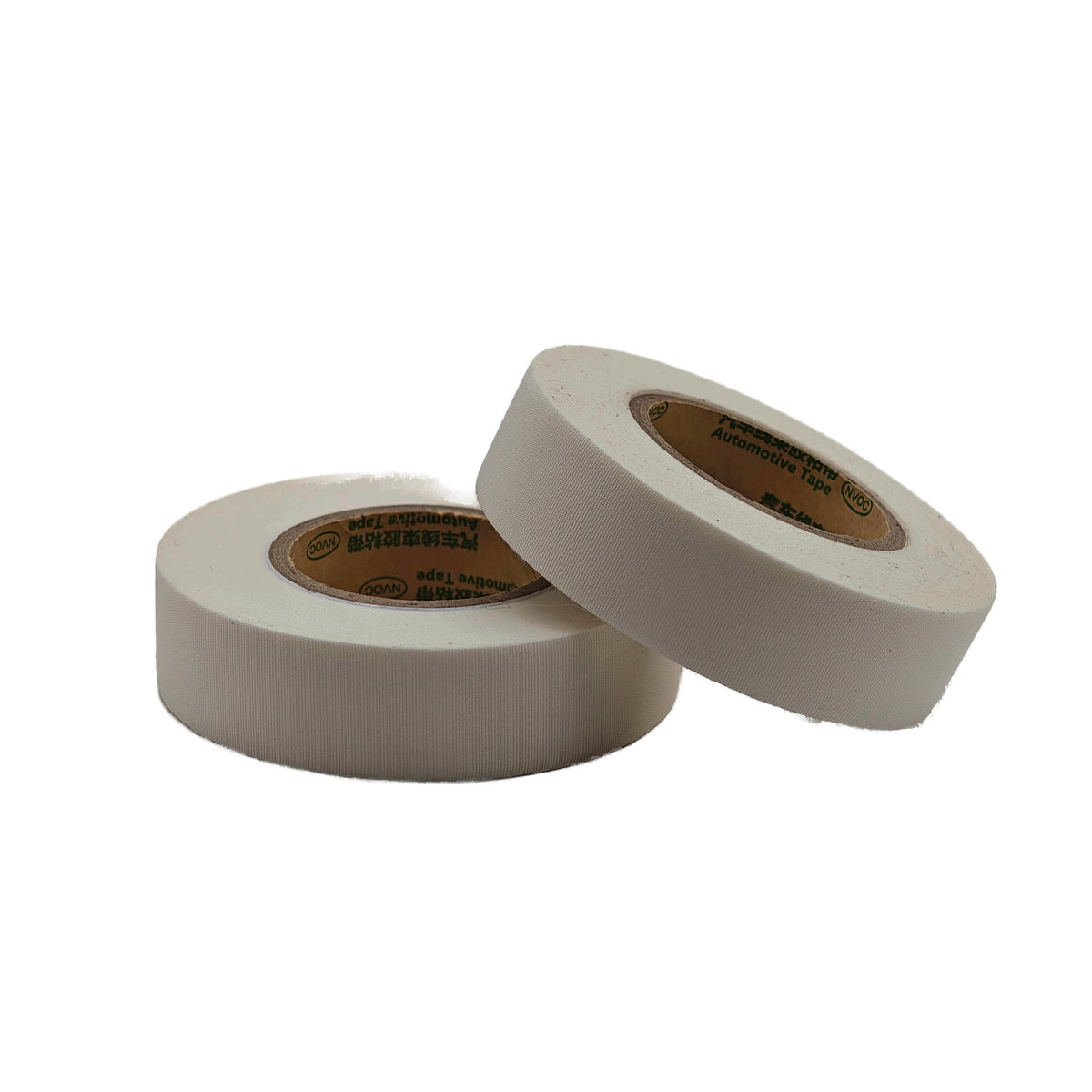
Power cable routing demands more than basic protection. The materials you choose directly impact system reliability, safety, and longevity. When selecting solutions for cable management and protection, understanding the critical features of acetate cloth tape becomes essential for industrial applications where performance cannot be compromised.
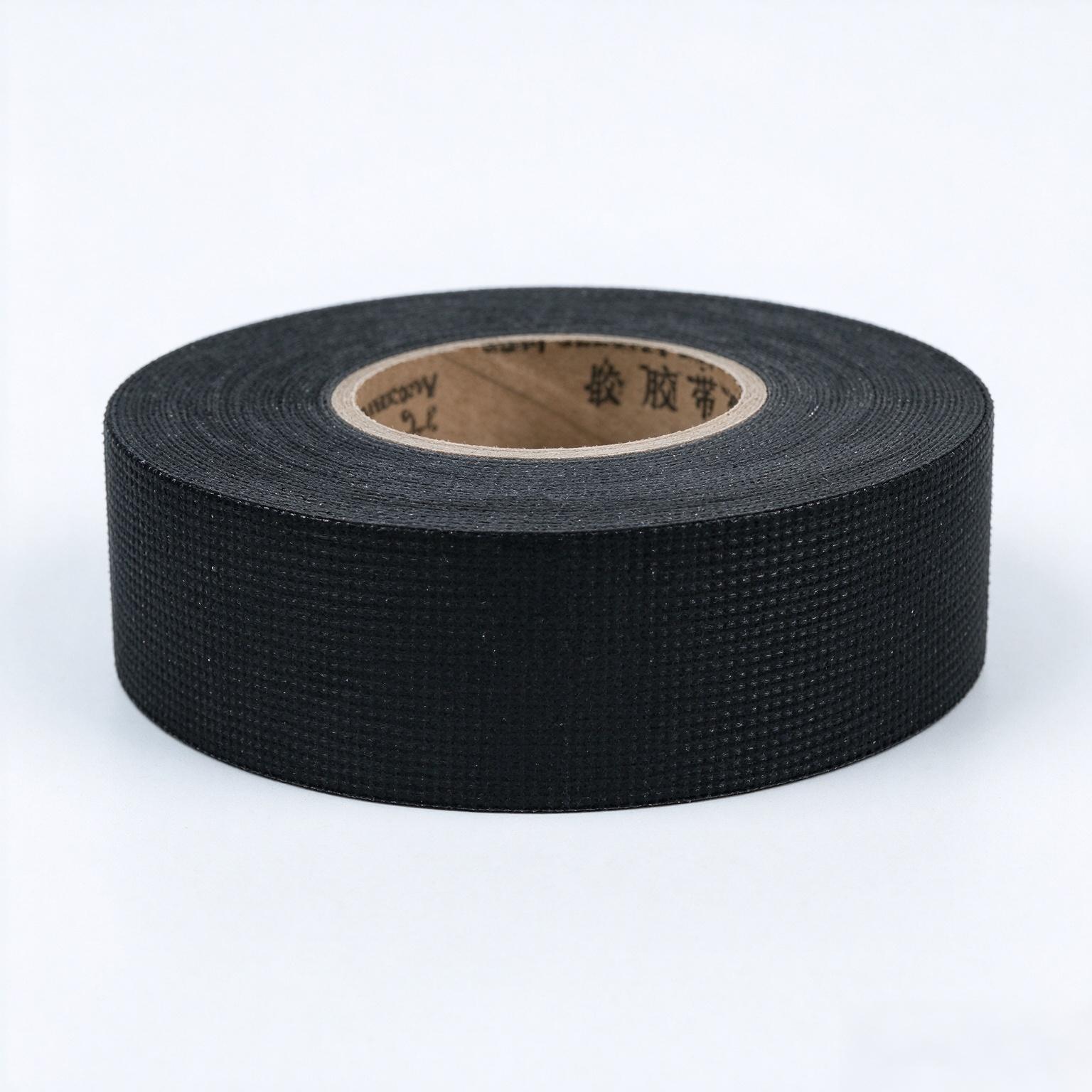
Choosing the right cable wrapping solution requires balancing multiple performance factors. Acetate cloth tape has become a preferred choice in electrical applications because it addresses the core challenges of power cable protection. Understanding which features deliver genuine value helps you make informed decisions that protect your infrastructure investment while maintaining compliance with industrial standards.
Electrical Insulation Properties
Dielectric Strength and Safety Standards
Electrical insulation is the foundation of safe power cable routing. Acetate cloth tape delivers dielectric strength that prevents electrical leakage and reduces fault risk in cable installations. This insulating capability meets established safety standards for industrial environments where cable protection is non-negotiable. The tape's construction ensures that electrical currents remain contained within their intended pathways, protecting personnel and equipment from potential hazards.
The electrical insulation performance of this material makes it suitable for both low and medium voltage applications. When cables are exposed to varying environmental conditions, the tape maintains its insulating properties without degradation. This consistency in electrical protection reduces maintenance needs and extends system uptime in critical industrial operations.
Moisture and Chemical Resistance
Beyond basic electrical insulation, the material provides resistance to moisture and chemical exposure. Damp environments, washdown areas, and facilities using harsh cleaning agents all present challenges that compromise lesser materials. Acetate cloth tape resists moisture infiltration, which could otherwise degrade insulation characteristics and create safety vulnerabilities. Chemical resistance ensures the tape maintains integrity even when exposed to oils, solvents, and industrial fluids common in manufacturing settings.
Heat Resistance and Durability
Temperature Performance Range
Heat resistant tape properties define how long the cable wrapping solution will protect your power cables under real-world operating conditions. Acetate cloth tape maintains structural integrity across an extended temperature range, from cold storage environments to hot industrial zones. This thermal stability prevents brittleness in cold settings and material degradation when cables operate near upper temperature limits. Many industrial applications involve cables that carry substantial electrical loads, generating heat that ordinary wrapping materials cannot withstand.
The heat resistant qualities ensure that the cable wrapping does not become a failure point in your system. When tape degrades from thermal exposure, it can crack, peel, or separate from cables, exposing conductors and creating electrical hazards. Acetate cloth tape resists these failure modes, maintaining reliable protection throughout the service life of your power infrastructure.
Adhesive Stability Under Load
Consistent adhesive performance is critical for cable wrapping effectiveness. The tape's adhesive system remains stable across temperature cycles, vibration, and mechanical stress. Unlike materials with temperature-sensitive adhesives, this tape maintains secure contact with cable surfaces under demanding conditions. The adhesive bond resists creep and maintains conformability even when cables flex or shift during installation and operation.
Performance in Industrial Applications
Cable Wrapping and Bundling Efficiency
Cable wrapping becomes more efficient when the material offers consistent width control and predictable tension characteristics. Acetate cloth tape provides uniform thickness and controlled stretch behavior, allowing technicians to apply wrapping with confidence. The material does not slip during installation or loosen over time, which means cable bundles remain organized and protected throughout their operational life. Clean, organized cable routing reduces maintenance time and improves safety compliance during facility inspections.
The tape's conformability allows it to wrap smoothly around cable bundles of various diameters without bunching or creating air pockets. These air pockets can trap moisture and accelerate corrosion of underlying cables. Proper wrapping with high-quality material directly contributes to longer cable life and reduced unplanned downtime in industrial facilities.
Long-Term Reliability and Service Life
Industrial maintenance budgets benefit from materials that deliver extended service life without frequent replacement. Acetate cloth tape maintains its protective properties for years under typical industrial conditions, reducing the frequency of re-wrapping and maintenance cycles. The combination of electrical insulation, heat resistance, and chemical stability creates a solution that reliably protects power cables over multiple equipment lifecycles. This durability translates directly into lower total cost of ownership and improved facility productivity.
FAQ
What temperature range does acetate cloth tape typically withstand?
Most acetate cloth tape formulations maintain performance from approximately -20°C to 90°C, though industrial-grade versions can extend to higher temperatures. The specific range depends on the adhesive system and base material thickness. Always verify the exact temperature specifications for your intended application, especially in environments with extreme heat or cold exposure where thermal performance becomes critical.
Can acetate cloth tape be used outdoors or only indoors?
While acetate cloth tape provides excellent electrical insulation and cable wrapping protection in indoor facilities, outdoor use requires additional UV protection. Prolonged sunlight exposure can degrade the material over time. For outdoor power cable routing, consider using products specifically formulated with UV inhibitors or applying secondary protection layers to extend the tape's service life in outdoor environments.
How does acetate cloth tape compare to other cable wrapping materials?
Acetate cloth tape stands out for its combination of electrical insulation properties and heat resistant characteristics. Unlike PVC tapes, it offers better breathability and lower environmental impact. Compared to paper-based alternatives, it provides superior moisture and chemical resistance. The choice depends on your specific requirements for electrical performance, thermal stability, and environmental exposure in your power cable routing application.
 EN