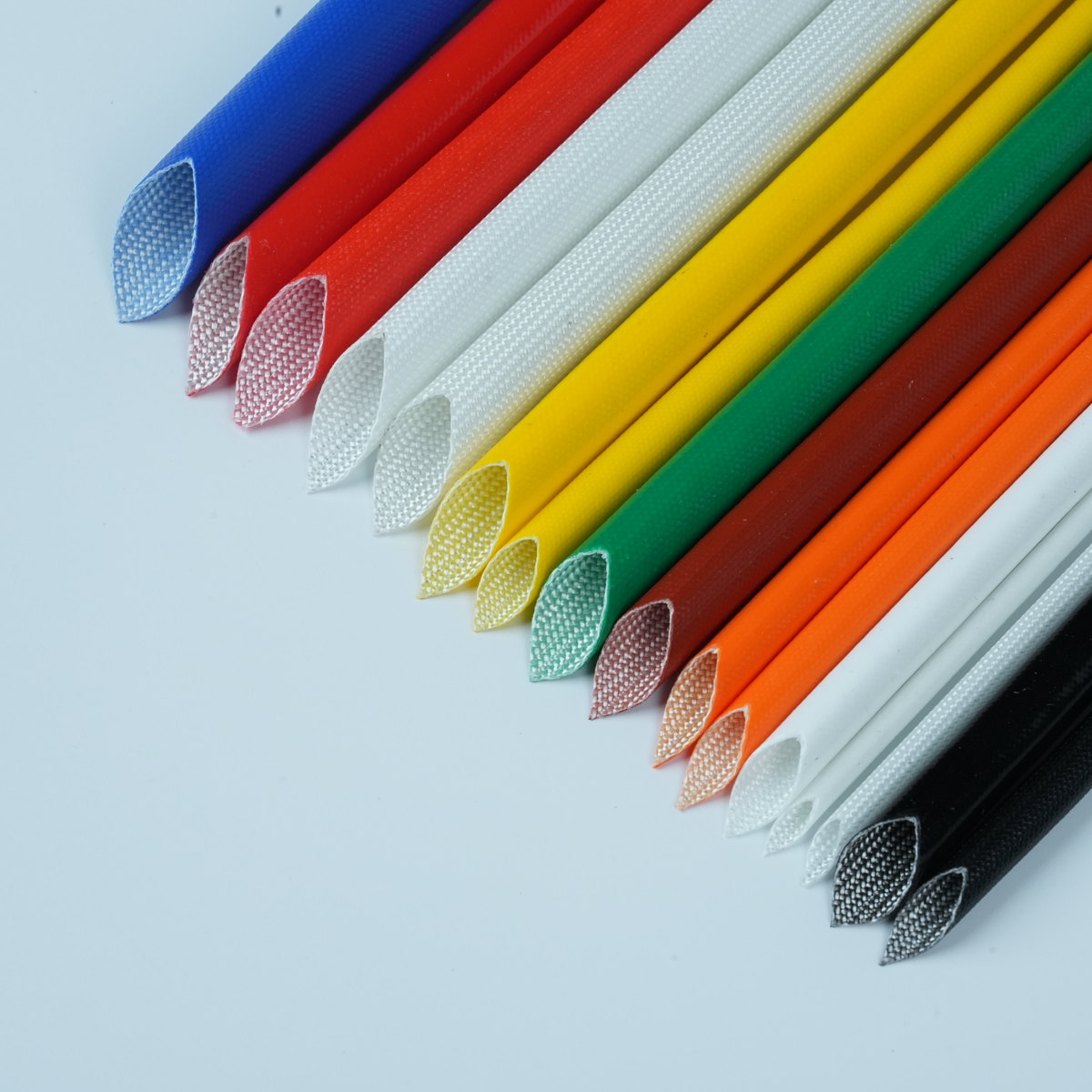
Compact electronic assemblies demand precision in every component choice, and fiberglass sleeving has become essential for protecting wires in space-constrained designs. When circuit boards, power supplies, and interconnected modules operate in tight configurations, the risk of wire abrasion, thermal damage, and electrical shorts increases dramatically. The decision to integrate fiberglass sleeving goes beyond simple wire protection; it directly affects assembly reliability, manufacturing efficiency, and long-term performance under operational stress.
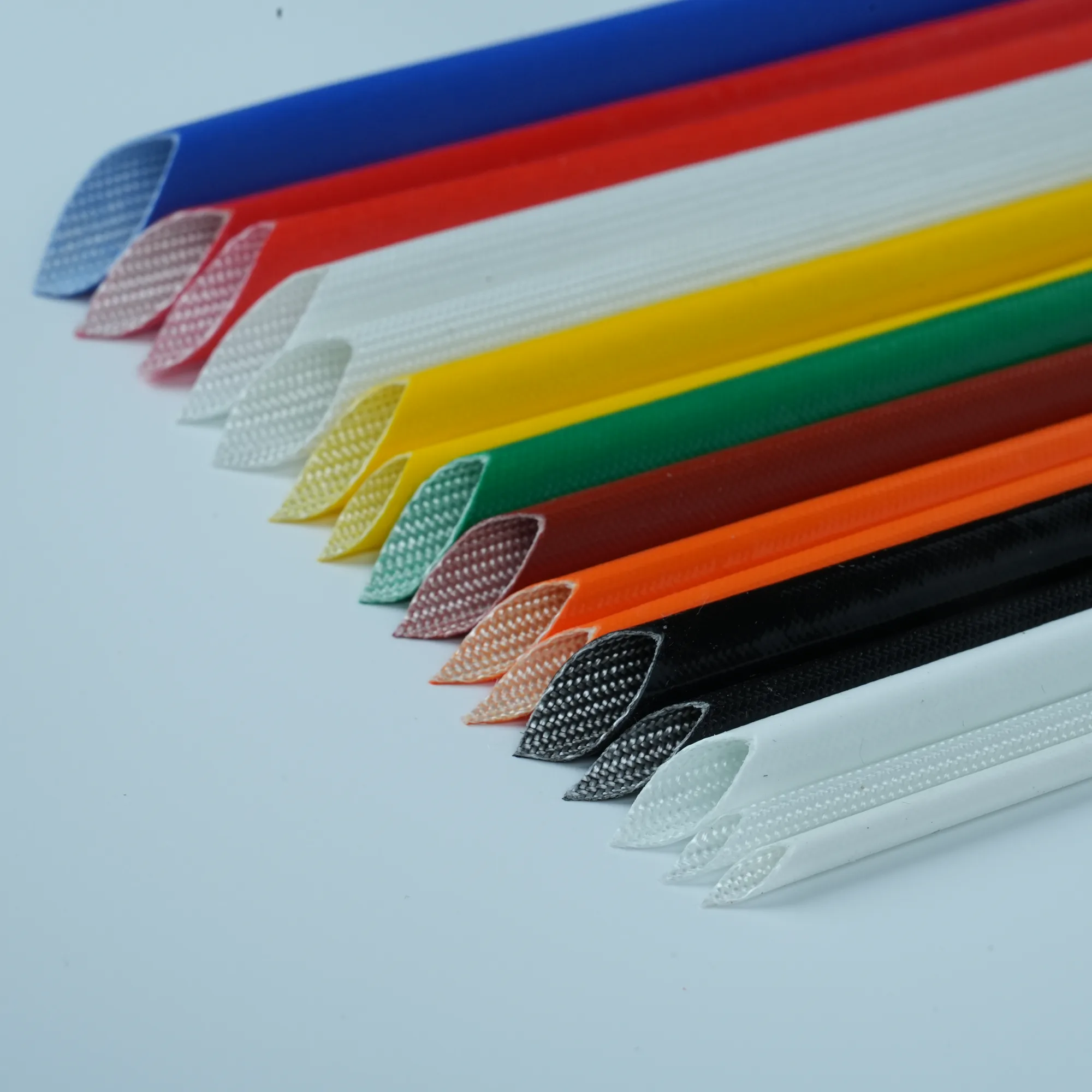
Understanding when to deploy cable sleeving requires knowledge of your assembly environment, thermal profile, and mechanical constraints. Not every wire requires the same level of protection, and selecting the right cable sleeving solution depends on specific operating conditions, voltage requirements, and space limitations. This guide explores the key scenarios where fiberglass sleeving becomes critical and helps you make informed decisions about electrical insulation strategies in your compact electronic designs.
Thermal Environment and Heat Management Needs
High-Temperature Operating Conditions
Fiberglass sleeving excels in applications where wires are exposed to sustained heat from nearby components or operating environments. Power supplies, motor controllers, and industrial inverters generate significant thermal output that can degrade standard wire insulation. Cable sleeving made from fiberglass provides a thermal barrier that protects underlying wire insulation from direct heat exposure, extending wire life and maintaining electrical safety margins. When your compact assembly operates above 60°C continuously, thermal wire protection becomes a practical necessity rather than an optional enhancement.
Close Proximity to Heat Sources
In densely packed electronic assemblies, wires often run adjacent to transformers, resistors, semiconductors, and heat-generating components. Direct contact or proximity to these heat sources creates localized temperature spikes that can soften or crack standard wire jackets. Electrical insulation through fiberglass sleeving acts as a thermal decoupler, reducing heat transfer to the wire and maintaining conductor integrity. This becomes especially critical in compact designs where routing options are limited and wires cannot be easily repositioned away from hot spots.
Mechanical Protection and Abrasion Resistance
High-Vibration Operational Environments
Machinery, vehicle-mounted electronics, and aerospace applications subject wires to constant vibration and movement. In compact assemblies where wires cannot move freely, vibration causes repetitive abrasion against sharp edges, mounting brackets, or adjacent components. Cable sleeving provides a tough outer layer that resists abrasion damage and prevents the wire insulation from wearing through over time. Testing data consistently shows that protected wires in vibration-prone environments experience failure rates 70 percent lower than unprotected alternatives, making wire protection a reliability investment.
Sharp Edge and Component Interfaces
Compact electronic assemblies inherently feature tight spacing where wires route past sharp edges, connector pins, and component leads. Without protection, these contact points create stress concentrations that initiate insulation cracks and eventual conductor exposure. Fiberglass sleeving acts as a sacrificial barrier at these interface points, absorbing mechanical stress and preventing direct wire insulation damage. When your circuit board layout forces wires through confined paths or past metallic components, cable sleeving transforms risky contact points into safe routing zones.
Electrical Safety and Insulation Requirements
Voltage Isolation and Electrical Spacing
High-voltage compact assemblies require rigorous electrical insulation standards to meet safety certifications and reduce shock hazards. Standard wire insulation may meet minimum voltage requirements but leaves little margin for age-related degradation or environmental contamination. Fiberglass sleeving adds a secondary electrical insulation layer that improves voltage isolation and provides safety margin compliance. This dual-insulation approach becomes mandatory when designs operate above 240V or when regulatory standards demand enhanced electrical insulation in confined spaces.
Fluid and Chemical Resistance Scenarios
Some compact assemblies operate in environments exposed to oils, solvents, coolants, or reactive chemicals that degrade standard wire insulation. Industrial control cabinets, automotive underhood applications, and manufacturing equipment all present chemical exposure risks. Fiberglass sleeving with appropriate sizing protects against chemical penetration and maintains electrical insulation integrity throughout product life. When your assembly faces chemical or fluid exposure, cable sleeving selection becomes a critical factor in meeting environmental performance specifications and warranty requirements.
Space Optimization and Design Constraints
Diameter-Critical Routing Paths
Compact electronic assemblies often include conduits, connector cavities, or routing channels with diameter tolerances that cannot accommodate standard wire protection methods. Fiberglass sleeving offers a thin-wall alternative that adds minimal diameter while providing full thermal and mechanical protection. Modern cable sleeving variants maintain wall thickness as low as 0.5mm, enabling wire routing through space-constrained paths while preserving protection performance. This diameter efficiency makes fiberglass sleeving the practical choice for designs where cable sleeving must fit specific mechanical envelopes.
Weight and Material Optimization
Aerospace and portable electronic applications prioritize weight reduction without compromising reliability. Fiberglass sleeving delivers protection with minimal mass addition compared to alternative wire protection methods, supporting weight-optimized designs. The material properties also enable cost-effective manufacturing at scale, reducing assembly labor and component expenses. For compact assemblies where every gram matters and protection cannot be compromised, fiberglass sleeving represents an optimal balance between performance and resource efficiency.
FAQ
When is fiberglass sleeving preferable to heat shrink tubing for wire protection?
Fiberglass sleeving suits applications requiring reusable, pre-fitted protection or assemblies where repeated thermal cycling would compromise heat shrink adhesion. Heat shrink tubing excels at single-point sealing but becomes impractical in compact assemblies requiring frequent rework. Cable sleeving flexibility allows post-assembly adjustments and component replacements without full disassembly, making it ideal for modular compact designs.
How does electrical insulation performance differ between fiberglass and silicone-coated sleeving?
Standard fiberglass sleeving provides mechanical protection and thermal barriers but limited chemical resistance. Silicone-coated variants add chemical protection and superior high-temperature stability, making cable sleeving with silicone coating better suited for extreme environments. Wire protection requirements and chemical exposure conditions determine which variant best serves your specific compact assembly application.
Can fiberglass sleeving replace primary wire insulation in compact assemblies?
Fiberglass sleeving functions as secondary protection that supplements primary wire insulation rather than replacing it. For electrical insulation and safety certification purposes, the primary wire jacket remains the critical component. Cable sleeving enhances protection by adding thermal, mechanical, and chemical resistance layers, but regulatory compliance depends on maintaining adequate primary wire insulation standards.
 EN