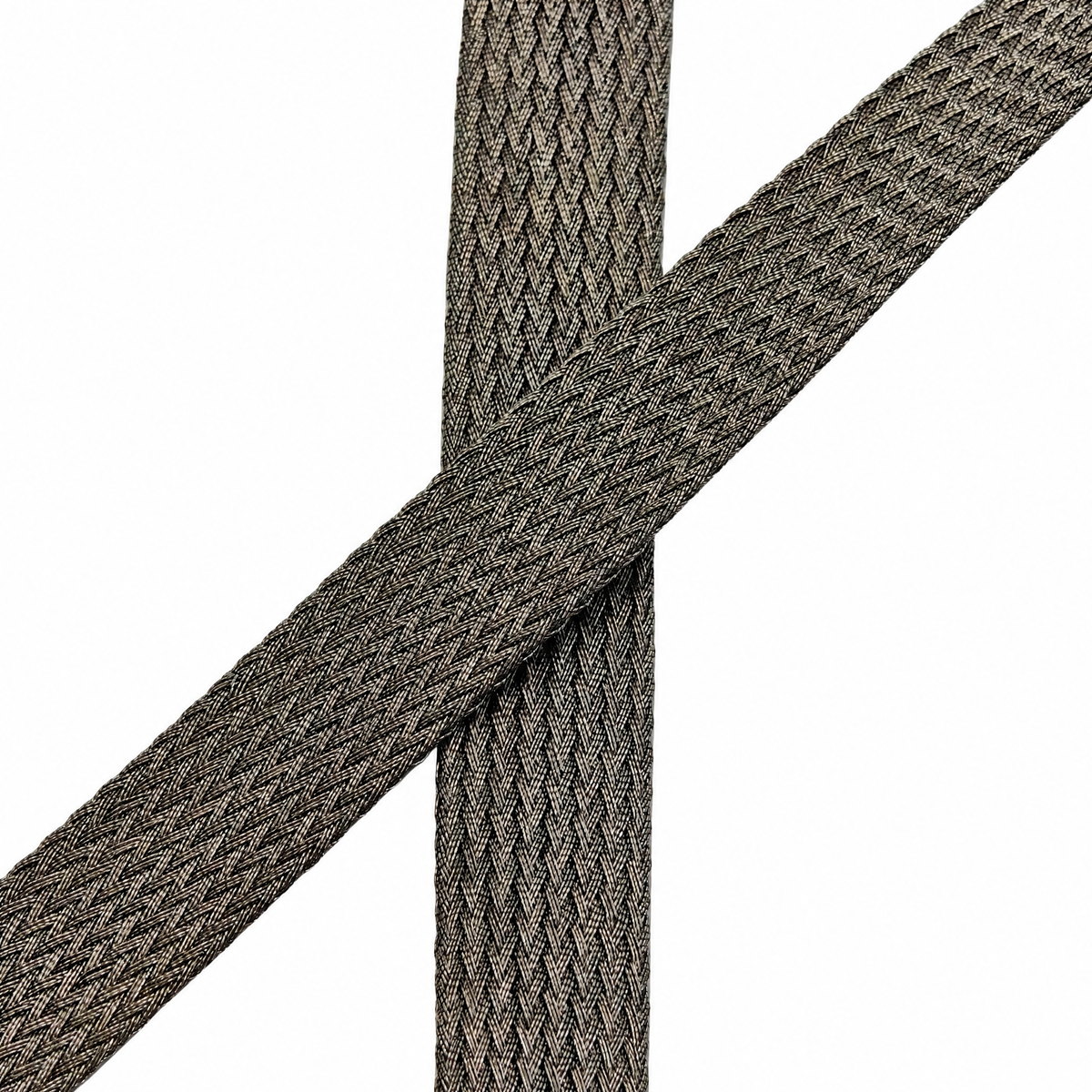
Choosing between a protective wire harness sleeve and rigid conduit is a critical decision in electrical assembly design, particularly when managing complex harnesses in confined spaces or demanding environments. The distinction between these two harness protection approaches goes beyond simple cost comparison; it involves understanding application context, environmental demands, installation constraints, and long-term maintenance implications. Each solution offers distinct advantages depending on project requirements, and selecting the wrong approach can lead to installation difficulties, maintenance headaches, or compromised cable protection.
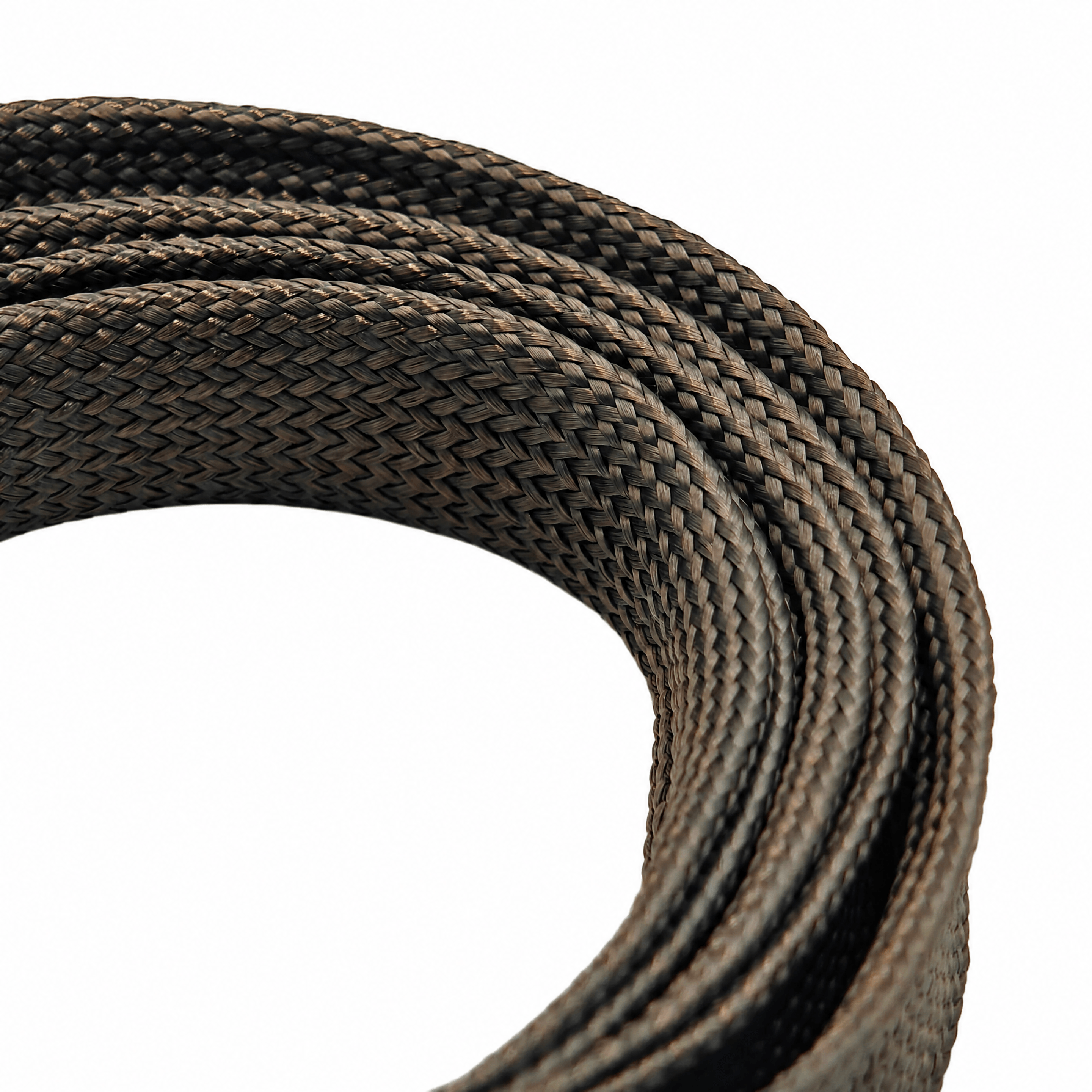
The decision framework depends on several interconnected factors: flexibility requirements, thermal conditions, vibration exposure, accessibility, installation methodology, and the need for ongoing harness modifications. A protective wire harness sleeve delivers superior flexibility, easier installation in tight routing paths, and simplified future reconfiguration, making it the preferred choice in many modern manufacturing and retrofit scenarios. Rigid conduit provides superior mechanical protection and is ideal for stationary installations where routes are permanent and environment demands maximum structural defense.
Understanding When Wire Harness Sleeve Dominates
Flexibility and Space Constraints
In applications where harness routing must navigate confined spaces, tight corners, or irregular pathways, a wire harness sleeve excels because it conforms to the harness geometry without requiring pre-installation planning or rigid conduit bending operations. Unlike rigid conduit, which demands straight sections and calculated bends during assembly, protective sleeving can be installed after the harness is already routed, making it ideal for retrofit projects and complex wiring layouts. This flexibility advantage becomes especially valuable in automotive assembly, aerospace systems, industrial machinery with complex internal geometry, and equipment where routing paths change between production batches.
Installation Speed and Labor Efficiency
When harness protection must be added quickly without redesigning installation sequences, wire harness sleeve wins decisively on labor efficiency. Technicians can apply protective sleeving directly onto an existing harness without disrupting prior assembly steps, reducing installation time and associated labor costs. Cable protection via sleeving requires minimal tooling investment, while rigid conduit installation demands specialized bending equipment, trained technicians, and careful pre-planning to ensure correct fit and alignment. In production environments where installation speed directly impacts throughput and profitability, this efficiency advantage translates to measurable cost reduction and faster time-to-market.
Rigid Conduit Advantages and Permanent Installation Scenarios
Maximum Mechanical Defense
Rigid conduit provides superior protection against impact, crushing, puncture, and abrasion because of its structural integrity and material thickness. In stationary installations where the harness route remains unchanged throughout the equipment lifecycle, and where mechanical threats from external sources justify the installation investment, rigid conduit becomes the more appropriate choice. Industrial control panels in harsh manufacturing environments, permanent facility wiring in chemical processing plants, and high-vibration applications aboard ships or industrial machinery often favor rigid conduit because the protection investment pays dividends across years of continuous operation without requiring maintenance or replacement.
Environmental Sealing and Chemical Resistance
Certain rigid conduit materials offer superior sealing properties and chemical resistance compared to standard harness protection solutions. When harnesses face direct exposure to caustic chemicals, extreme moisture infiltration, or corrosive atmospheres, rigid conduit with appropriate gasket sealing can provide integrated cable protection that sleeving materials cannot match. These applications typically appear in petrochemical facilities, food processing plants, marine environments, and wastewater treatment systems where chemical attack or moisture ingress poses direct threats to conductor integrity and electrical safety.
Decision Framework: Matching Protection Method to Application
Flexibility-First Applications
Medical device manufacturing, consumer electronics assembly, automotive wiring harnesses, and industrial control prototyping typically benefit from wire harness sleeve because these environments demand frequent design revisions, multiple product variants, and rapid changeover between different configurations. The harness protection approach must support continuous iteration without requiring complete redesign of routing infrastructure. Flexible protective sleeving allows harness engineers to modify wire gauges, add or remove conductors, and adjust routing paths with minimal disruption to protective infrastructure, keeping engineering costs low and enabling responsive product development.
Permanence-First Applications
Large stationary installations including building electrical systems, permanent facility infrastructure, fixed industrial equipment, and utility-scale systems justify the upfront investment in rigid conduit because the installation route will remain constant throughout the equipment's operational life. Once the harness protection plan is finalized and conduit is installed, the cable protection system requires minimal maintenance and provides decades of reliable service. In these scenarios, the superior mechanical defense and integrated structural support of rigid conduit outweigh the installation complexity, making it the most cost-effective choice across the total lifecycle of the installation.
Hybrid and Transitional Strategies
Many modern harness designs employ both protective methods strategically: rigid conduit in permanently routed sections requiring maximum mechanical defense, and wire harness sleeve in areas requiring flexibility, frequent access, or future modifications. This hybrid approach optimizes harness protection investment by deploying each technology where it delivers maximum value. Industrial equipment manufacturers increasingly adopt this strategy to balance protection robustness with installation flexibility, reducing long-term maintenance costs while preserving design adaptability for future product improvements.
FAQ
Can wire harness sleeve provide adequate protection in high-vibration industrial environments?
Modern protective sleeving materials deliver excellent vibration damping and abrasion resistance in industrial settings when properly selected for the specific environment. High-quality braided or woven wire harness sleeve materials can withstand continuous vibration exposure in machinery, engines, and rotating equipment. However, if the application combines extreme vibration with high mechanical impact risk, adding rigid conduit sections at critical stress points may provide additional cable protection while maintaining sleeving in flexible routing areas, creating a hybrid harness protection strategy.
What factors determine whether to choose rigid conduit for cable protection?
Select rigid conduit when your installation involves permanent fixed routing, extreme mechanical threats, harsh chemical environments, or high-temperature exposure that exceeds standard sleeving material ratings. Additionally, if your facility electrical codes require specific cable protection standards or if future harness modifications are unlikely, rigid conduit's structural integrity and standardized compliance make it the appropriate choice. Consult local electrical regulations and equipment specifications before making the final harness protection decision, as some applications mandate rigid conduit regardless of other considerations.
How does protective sleeving simplify harness maintenance compared to rigid conduit?
Wire harness sleeve allows technicians to access and modify individual conductors without disturbing the entire protective infrastructure, enabling rapid troubleshooting, wire replacement, and design updates. Rigid conduit requires disassembly of significant conduit sections to access internal harnesses, consuming substantially more time and requiring specialized tools. For equipment requiring frequent maintenance, component upgrades, or field modifications, the accessibility advantage of protective sleeving reduces service costs and minimizes equipment downtime across the lifecycle.
 EN