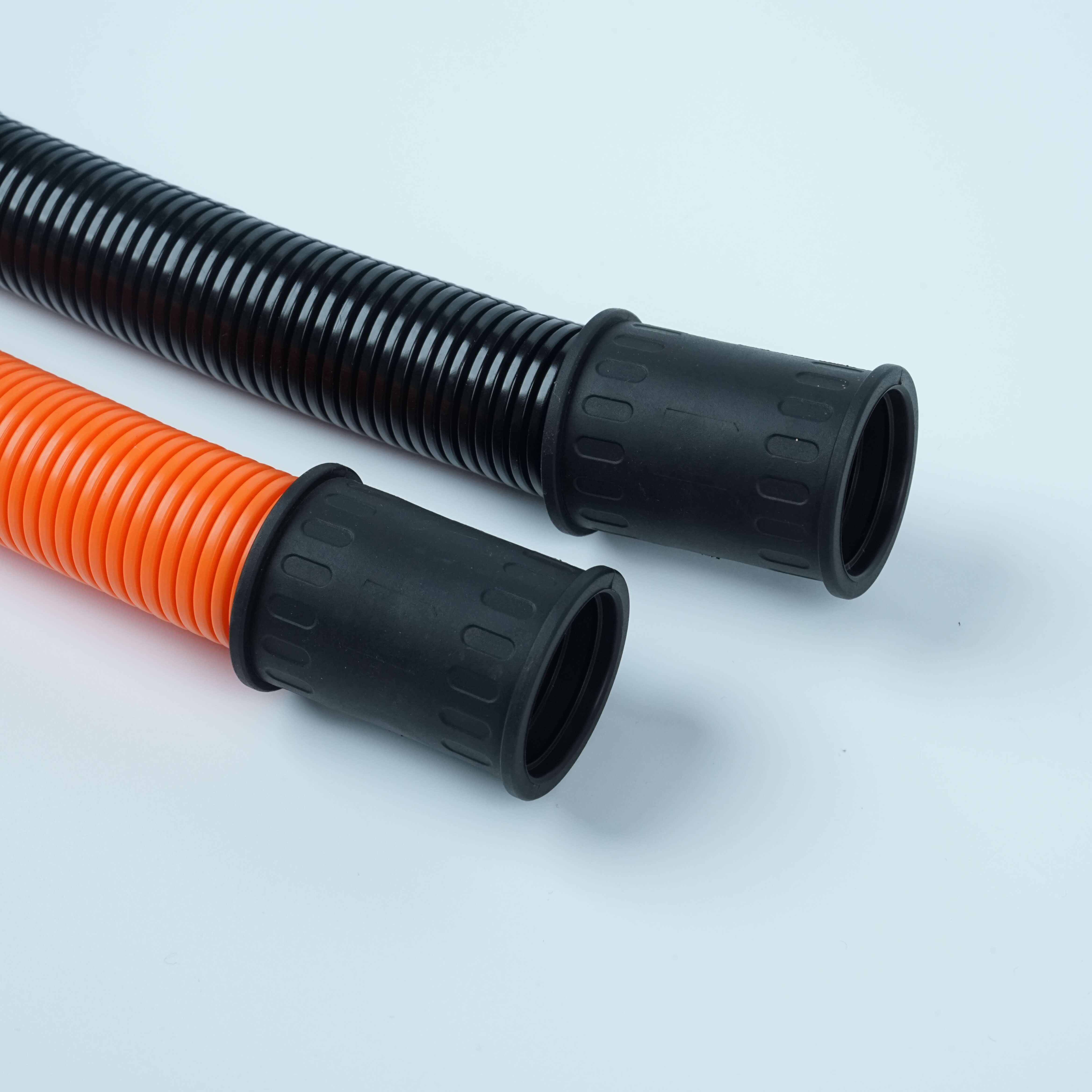
Compact electronic assemblies demand precision in every component, and wire loom conduit plays a critical role in protecting delicate wiring systems from mechanical stress, thermal cycling, and environmental hazards. When space is limited and reliability cannot be compromised, understanding which tests validate conduit performance becomes essential for design engineers and procurement professionals. This article explores the specific testing requirements that ensure wire loom conduit meets the demands of modern compact electronic assemblies, from automotive applications to industrial control systems.
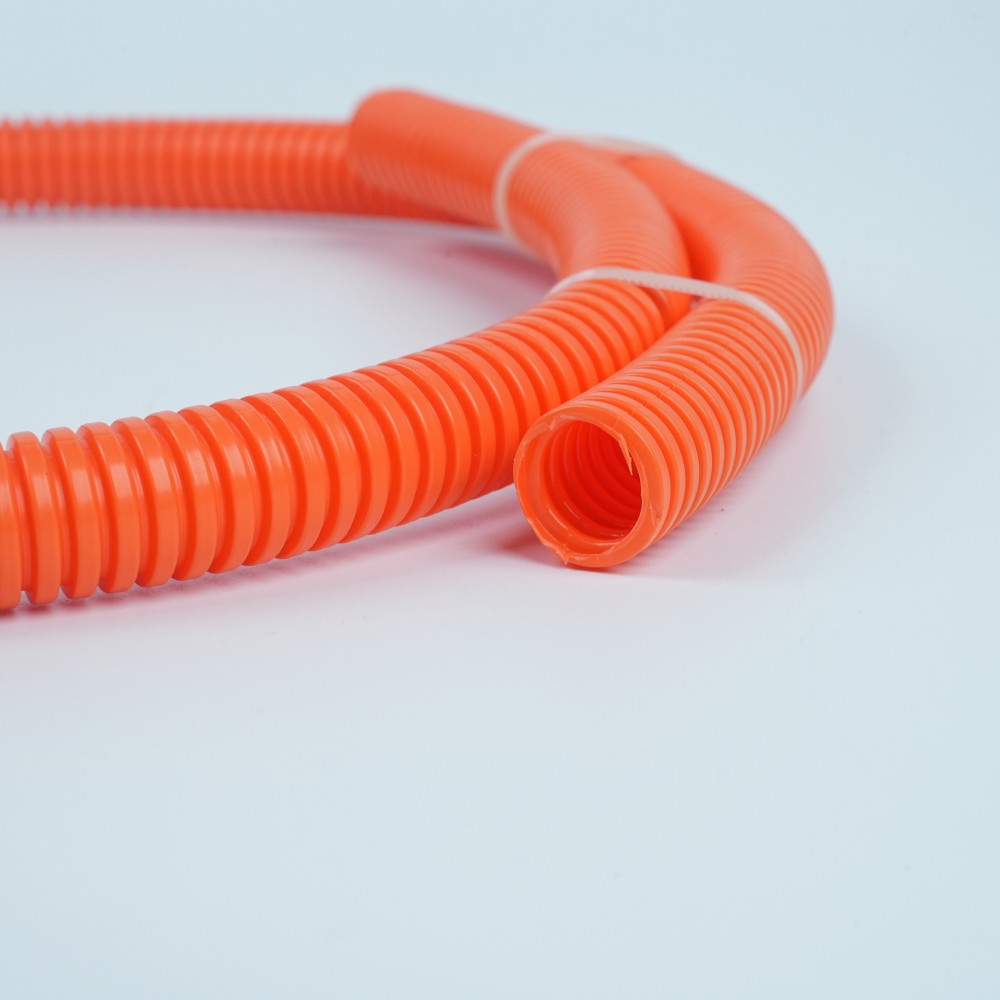
Testing protocols for cable conduit have evolved to address the unique challenges of miniaturized assemblies where installation space is restricted and failure consequences are severe. Designers must verify that wire harness protection materials withstand the full lifecycle of the product, from manufacturing through years of operational service. The selection of appropriate testing standards ensures that cable conduit performs reliably under real-world conditions while maintaining cost efficiency and manufacturability in compact designs.
Mechanical and Abrasion Resistance Testing
Flex Life and Durability Assessment
Compact electronic assemblies experience constant vibration and movement during operation, making mechanical durability a primary concern for wire harness protection. Flex life testing simulates repeated bending and flexing cycles that conduit undergoes in actual service, typically following automotive wiring standards or IEC specifications. Testing machines apply controlled strain to the cable conduit over thousands or millions of cycles, measuring degradation in tensile strength, flexibility, and electrical performance. This assessment identifies whether the material maintains its structural integrity and protective capability after extended use, which is especially critical in automotive and industrial environments where vibration-induced failure can lead to short circuits or safety hazards.
Abrasion and Surface Durability
Abrasion resistance testing evaluates how well wire loom conduit resists surface wear when in contact with sharp edges, fasteners, or adjacent components in confined spaces. The Martindale abrasion test or similar procedures measure material loss and surface damage under controlled friction conditions, simulating real-world contact scenarios. In compact electronic assemblies, tight routing paths and limited clearances mean conduit surfaces may contact frame edges, connector housings, or other conductive elements repeatedly. Conduit that fails abrasion testing may eventually expose internal wires, creating electrical faults or fire hazards. Testing standards verify that the cable conduit maintains its protective barrier even after years of incidental contact and movement.
Thermal and Environmental Performance Testing
Temperature Cycling and Thermal Stability
Electronic assemblies operate across wide temperature ranges, from subzero environments in automotive underhood applications to elevated temperatures near power components. Thermal cycling tests subject wire loom conduit to repeated transitions between extreme temperatures, typically ranging from minus forty degrees Celsius to plus one hundred twenty degrees Celsius or higher. These cycles stress the material's dimensional stability, elasticity, and adhesion properties, revealing brittleness, permanent deformation, or surface cracking. Automotive wiring standards mandate this testing because thermal cycling degradation accumulates over years of operation, eventually compromising wire harness protection. Materials that fail thermal cycling tests may become rigid in cold conditions or lose sealing properties in heat, creating vulnerability to moisture ingress and electrical failure.
Moisture and Chemical Resistance
Environmental exposure testing validates that cable conduit resists moisture absorption, salt spray, oils, fuels, and other chemicals encountered in automotive or industrial settings. Water immersion testing measures weight gain and dimensional swelling that occurs when materials absorb moisture, which can reduce flexibility and increase brittleness. Salt spray and humidity chamber tests evaluate corrosion resistance and surface degradation, particularly important for conduit in coastal or high-humidity environments. In compact assemblies, any swelling or stiffness induced by moisture exposure may alter routing geometry or apply undesired stress to enclosed wires. Wire harness protection requires materials that remain chemically stable across the full spectrum of operating and storage environments.
Electrical and Flammability Compliance
Flammability and Fire Performance
Flame retardancy testing ensures that wire loom conduit does not contribute to fire spread in the event of electrical arcing or external flame exposure. Standards such as UL 94, IEC 60695, or automotive-specific tests measure burn rate, smoke generation, and dripping behavior under defined flame exposure. Compact electronic assemblies often have limited ventilation and restricted access for fire suppression, making flame performance especially critical. If conduit material melts or releases flammable drips, it can ignite adjacent components or accelerate fire propagation. Testing confirms that cable conduit either self-extinguishes after flame removal or maintains structural integrity without supporting combustion, protecting the enclosed wiring and surrounding components.
Electrical Insulation and Breakdown Resistance
Dielectric strength testing validates that wire loom conduit provides adequate electrical insulation and does not conduct current under normal or fault conditions. High-voltage breakdown tests apply increasing voltage until electrical failure occurs, establishing a safety margin above the maximum voltage the conduit will experience. This testing is particularly relevant in compact assemblies where multiple voltage levels may exist in close proximity and space constraints prevent physical separation. Materials that fail dielectric testing may allow tracking or leakage paths to develop, creating shock hazards or arc faults. Additionally, insulation resistance testing under elevated temperature and humidity conditions confirms that the cable conduit maintains its protective electrical properties throughout the product lifecycle.
Installation and Compatibility Testing
Bend Radius and Routing Performance
Compact electronic assemblies demand conduit that bends sharply without kinking, crushing, or losing its protective properties. Bend radius testing determines the minimum radius around which wire loom conduit can be routed without permanent damage to the material or the wires inside. This testing involves wrapping conduit around mandrels of specified diameters and evaluating cross-sectional collapse, material cracking, or wire damage. Many automotive wiring applications specify bend radii measured in millimeters, reflecting the extreme space constraints in modern vehicles. Cable conduit that fails bend radius testing may require larger installation space than available in compact assemblies, forcing designers to choose different protective solutions or redesign the enclosure.
Chemical Compatibility and Wire Interaction
Wire harness protection materials must be compatible with the insulation materials of enclosed wires, connectors, and any lubricants or sealants used in assembly. Migration testing evaluates whether conduit materials leach plasticizers or other substances that could degrade wire insulation or connector housing properties. Conversely, testing confirms that wire insulation materials do not chemically attack or soften the conduit over time. In compact assemblies where wires and conduit are in prolonged contact without gaps for air circulation, material incompatibility can accelerate degradation of both components. Standards specify compatible material combinations and establish migration limits to ensure long-term performance and safety.
FAQ
What specific standards govern wire loom conduit testing for automotive applications?
Automotive wire loom conduit typically must meet standards such as SAE J1211 for tests on automotive wiring, ISO 6722 for electrical connections, and various OEM specifications from manufacturers like Ford, General Motors, or European producers. Flammability requirements often reference UL 94 or equivalent flame classifications, while thermal and environmental testing follow established automotive procedures. These standards ensure that cable conduit provides consistent wire harness protection across different vehicle platforms and operating conditions.
How does flex life testing predict real-world durability of wire loom conduit?
Flex life testing accelerates the aging process by applying repetitive bending cycles under controlled conditions, compressing years of field exposure into laboratory timescales measured in hours or days. By correlating laboratory cycle counts to actual field service life, engineers can predict how long conduit will maintain its protective properties in compact electronic assemblies. Testing typically includes thousands or millions of cycles, depending on the expected vehicle lifespan and anticipated vibration severity in the application.
Why is moisture resistance critical for cable conduit in compact electronic assemblies?
Moisture absorption causes wire loom conduit to swell, become rigid, and potentially trap moisture around enclosed wires, leading to corrosion, electrical leakage, or insulation breakdown. In compact assemblies where space is minimal and drainage is poor, moisture trapped inside conduit cannot evaporate quickly and creates concentrated corrosion risk. Testing ensures that wire harness protection materials maintain adequate flexibility and dimensional stability even when exposed to rain, humidity, or wash-down environments typical of automotive or industrial equipment.
 EN