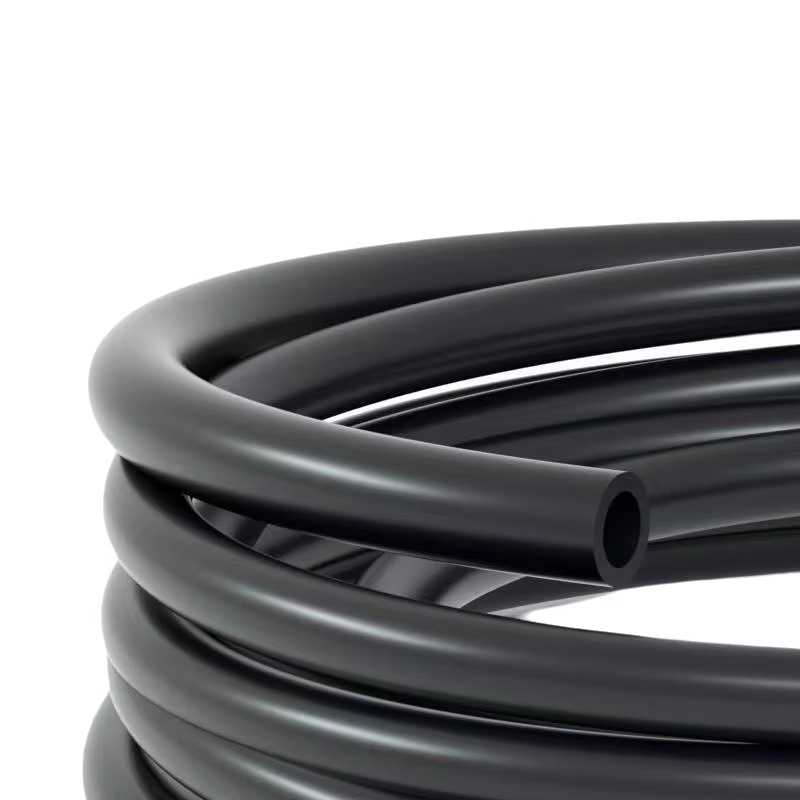
When industrial operations push equipment into extreme thermal environments, the integrity of electrical connections becomes non-negotiable. PTFE sleeving serves as a critical barrier protecting sensitive wiring and cable systems from heat degradation, chemical exposure, and mechanical stress. However, not all PTFE sleeving performs equally under demanding conditions. Understanding what testing matters for PTFE sleeving in high-temperature zones directly impacts equipment reliability, safety compliance, and maintenance costs across aerospace, automotive, and manufacturing sectors.
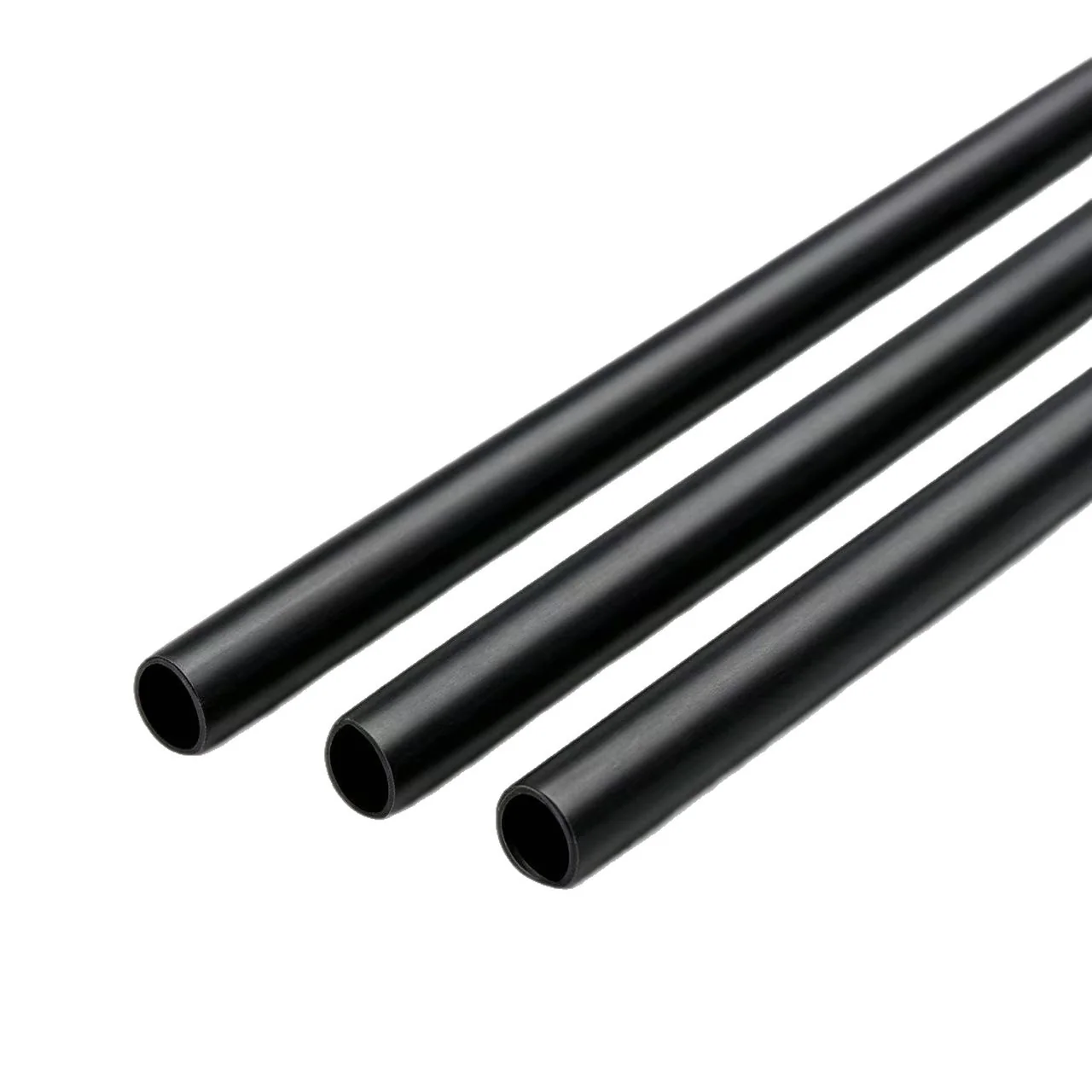
Selecting the right wire insulation solution requires more than visual inspection or general specifications. High-temperature applications demand rigorous validation protocols to confirm that materials withstand thermal cycling, maintain dielectric strength, resist fluid absorption, and preserve mechanical flexibility under stress. This article examines the specific tests that determine whether PTFE sleeving meets the demands of your high-temperature zone environment and safeguards your critical cable protection infrastructure.
Thermal Stability and Degradation Testing
Temperature Retention and Tensile Properties
PTFE sleeving must maintain mechanical integrity across the full operating temperature range your application demands. Thermal stability testing evaluates how the material behaves when exposed to sustained and cyclic heat. For high-temperature applications, engineers conduct tensile strength testing at elevated temperatures to measure how much force the sleeving can withstand without tearing or rupturing. This test matters because materials that perform adequately at room temperature often become brittle or weak when heated, compromising their cable protection function.
Thermal aging protocols simulate years of service by exposing PTFE sleeving to temperatures significantly above normal operating limits for extended periods. The material is then cooled and re-tested to identify permanent property loss. Real-world high-temperature zones create thermal cycling—repeated heating and cooling cycles—that stress the molecular structure differently than constant heat exposure. Wire insulation that passes simple heating tests may fail catastrophically when subjected to thermal cycling because repeated expansion and contraction cause internal micro-cracking and bond degradation.
Fluid Absorption and Chemical Compatibility
High-temperature environments often involve exposure to hydraulic fluids, solvents, oils, or steam. PTFE sleeving tested for fluid absorption ensures that these substances do not penetrate, swell, or weaken the material. Immersion testing places samples in relevant fluids at elevated temperatures and measures weight gain, dimensional change, and mechanical property loss. This testing matters because absorbed fluids can compromise the dielectric properties of wire insulation, reduce flexibility, and accelerate degradation. Cable protection effectiveness depends on maintaining a stable, non-porous barrier between the wire and the hostile environment.
Dielectric and Electrical Performance Standards
Breakdown Voltage and Dielectric Strength
In high-temperature zones, electrical safety remains paramount. PTFE sleeving must be tested for dielectric breakdown voltage—the electrical stress at which the material fails and allows current flow. High-temperature testing of dielectric strength measures voltage breakdown resistance when the sleeving is heated to its maximum operating temperature. This test matters because thermal stress weakens the insulating properties of many materials; what provides adequate electrical isolation at room temperature may fail under high-temperature conditions. Military and aerospace standards require that dielectric strength remain above specified minimums even after thermal cycling and fluid exposure.
Partial discharge testing evaluates whether small electrical breakdowns occur within the sleeving material during operation. These micro-level electrical events generate heat and degrade the material progressively, eventually leading to catastrophic failure. For wire insulation in high-temperature applications, partial discharge testing under elevated temperature stress is essential to predict long-term reliability and service life. Standards such as IEC and UL protocols define the acceptable partial discharge limits that PTFE sleeving must satisfy.
Volume Resistivity and Moisture Resistance
Volume resistivity testing confirms that PTFE sleeving maintains high electrical resistance across its thickness, preventing leakage currents that could damage sensitive electronics or create safety hazards. This property must be verified at both room temperature and high-temperature conditions to simulate realistic field environments. Moisture absorption can degrade volume resistivity significantly; therefore, testing protocols expose PTFE sleeving to humidity chambers at elevated temperatures to validate that the material resists moisture ingress. Cable protection in humid, hot industrial zones depends on this resistance to maintain electrical isolation integrity.
Mechanical Durability and Flex Life Testing
Abrasion Resistance and Surface Integrity
PTFE sleeving in high-temperature zones undergoes mechanical stress from vibration, routing through sharp edges, repeated bending, and contact with moving components. Abrasion testing subjects the sleeving to controlled friction and measures material loss to establish wear rates under realistic operational stress. This testing matters because even durable wire insulation can develop micro-tears through abrasion, exposing the conductor and creating short-circuit pathways. For cable protection in machinery and aircraft environments, abrasion resistance testing under thermal stress—heating the sample during the abrasion cycle—provides accurate prediction of field longevity.
Surface integrity testing evaluates whether the sleeving develops cracks, crazing, or micro-porosity when subjected to thermal cycles combined with mechanical stress. Scanning electron microscopy and high-magnification visual inspection detect surface degradation patterns that correlate with premature failure. PTFE sleeving rated for high-temperature service should show no significant surface damage after thermal cycling protocols, ensuring that cable protection remains continuous and reliable throughout the product lifetime.
Flex and Bend Durability
Wire insulation must remain flexible enough to route through tight spaces and conform to conductor bundles without cracking. Flex testing measures how many times PTFE sleeving can be bent through a specified angle before cracks appear or mechanical failure occurs. High-temperature flex testing repeats this bending cycle while maintaining elevated temperature, simulating the most challenging real-world conditions. The number of flex cycles a material survives directly correlates to its service life in dynamic applications where cables experience regular movement and bending.
Bend-at-temperature testing evaluates sleeving stiffness and cracking tendency when the material is held at high temperature in a bent configuration. Some materials become extremely brittle when hot and fail immediately under stress; others maintain flexibility. This distinction is critical for cable protection in applications where routing must occur while equipment operates at elevated temperatures. Standards define minimum flex-cycle requirements that PTFE sleeving must satisfy to qualify for high-temperature industrial use.
FAQ
Why is thermal cycling testing more critical than constant-heat exposure testing for PTFE sleeving?
Thermal cycling creates repeated stress on the molecular bonds within PTFE sleeving through expansion and contraction, generating internal micro-cracking and fatigue that constant heat exposure alone does not produce. Real high-temperature zones experience temperature fluctuations during equipment startup, shutdown, and operational load changes. Wire insulation that passes constant-temperature aging tests often fails prematurely in cycling conditions because the material accumulates damage progressively with each temperature cycle. Testing protocols must mirror actual operating conditions to accurately predict field reliability and cable protection effectiveness.
What dielectric standards should PTFE sleeving meet for aerospace and automotive applications?
Aerospace applications typically reference MIL-I-631 and DO-160 environmental standards for wire insulation, requiring PTFE sleeving to maintain dielectric breakdown voltage of at least 30 kilovolts per millimeter even after thermal cycling and fluid immersion. Automotive high-temperature applications follow AMS specifications and ISO 6722 standards that define voltage retention and breakdown testing requirements. Military and defense specifications often require more stringent testing than commercial standards. Verifying that your PTFE sleeving carries certification documentation proving compliance with the applicable specifications for your industry ensures cable protection meets regulatory and safety requirements.
How does chemical compatibility testing for PTFE sleeving ensure long-term cable protection?
Chemical compatibility testing exposes PTFE sleeving samples to the specific fluids present in your high-temperature zone—hydraulic oils, coolants, solvents, or steam—at elevated temperatures for extended periods. The material is then analyzed for weight gain, dimensional changes, strength loss, and surface degradation. If the sleeving absorbs fluid or weakens significantly, it cannot reliably protect the underlying wire insulation and conductor from electrical leakage, corrosion, or short circuits. Testing protocols must match your actual operating environment; generic chemical resistance claims are insufficient for critical applications where cable protection failure creates safety or operational risk.
 EN