Harsh industrial environments demand rigorous performance standards from every component in electrical and mechanical systems. When selecting protective materials like fiberglass sleeving, engineers and procurement teams must understand which testing protocols directly impact reliability, safety, and operational longevity. The wrong material choice or inadequate testing can lead to catastrophic failures, equipment downtime, and significant financial loss.
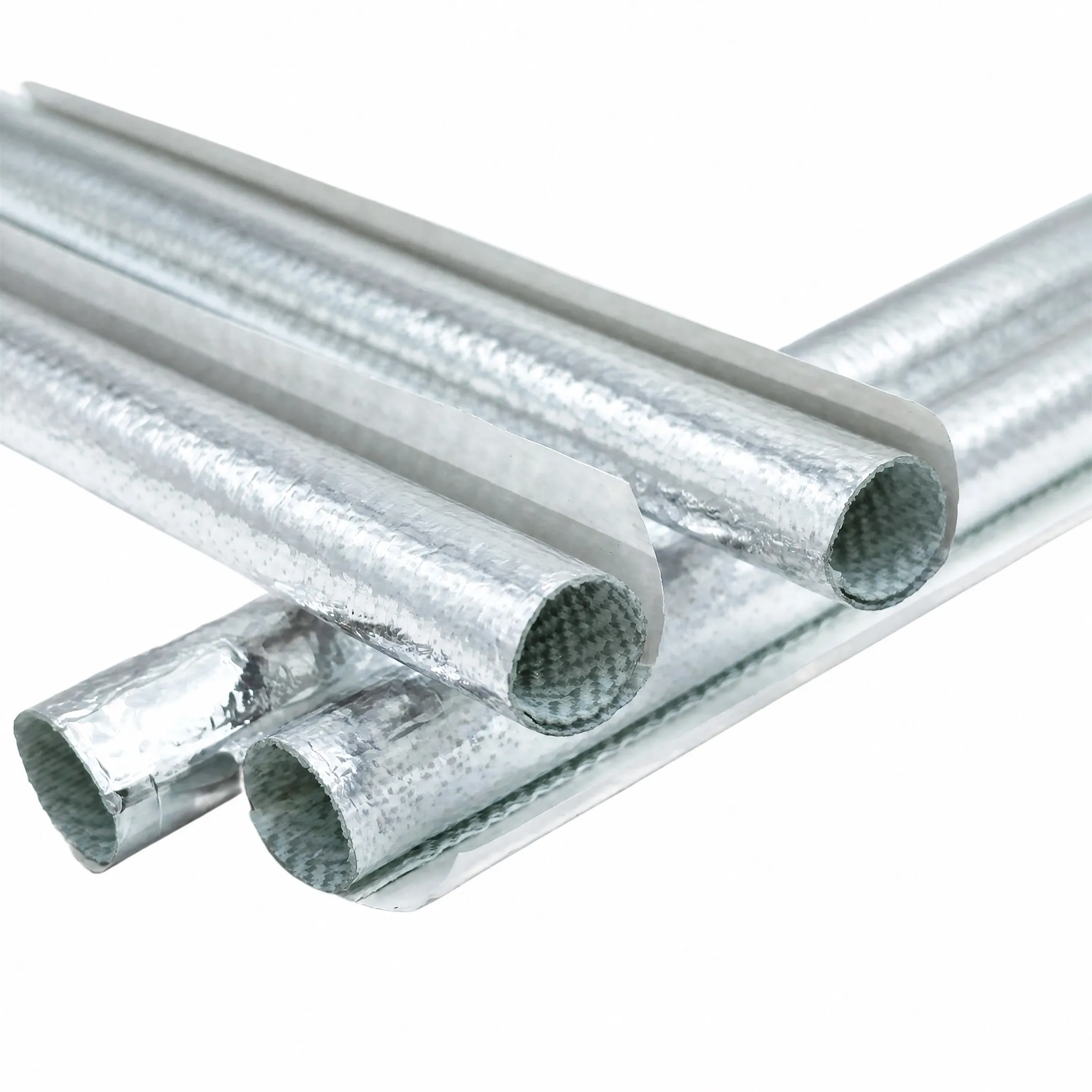
This article explores the essential testing parameters that validate fiberglass sleeving performance in demanding industrial contexts. Whether your application involves high-temperature exposures, chemical resistance, or demanding mechanical stress, understanding these critical tests ensures you select materials that truly perform under real-world conditions. The distinction between basic testing and comprehensive validation directly influences material selection decisions.
Understanding Core Performance Testing Standards
Thermal Performance and Temperature Resistance
Temperature stability forms the foundation of fiberglass sleeving validation in industrial settings. Testing thermal performance requires exposing materials to sustained heat, rapid temperature cycling, and extreme cold to evaluate structural integrity and material properties over time. Standard protocols measure tensile strength retention, elongation changes, and physical deformation after thermal exposure. For automotive wiring applications where engine compartments reach extreme temperatures, thermal cycling tests simulate real operating conditions by alternating between high and low temperature extremes.
Cable sleeving must maintain its protective properties across temperature ranges specified for the intended application. Thermal index ratings, typically measured in degrees Celsius, indicate how long material remains functional at specific temperatures before degradation occurs. Testing laboratories conduct heating aging tests where samples are exposed to elevated temperatures for defined periods, then evaluated for mechanical property retention. This data directly informs material selection when equipment operates continuously near temperature limits.
Electrical Insulation Testing Protocols
Electrical insulation integrity stands as a non-negotiable testing requirement for any sleeving material handling electrical conductors. Dielectric breakdown testing measures the voltage level at which insulation fails and becomes conductive, revealing critical safety margins. Testing procedures apply gradually increasing voltage to samples until breakdown occurs, establishing the maximum safe operating voltage for the material. This electrical insulation testing must comply with industry standards like IEC 60243 to ensure consistent measurement methodology and comparable results across suppliers.
Arc resistance testing evaluates how material responds when exposed to electrical arcs, simulating fault conditions where brief electrical discharges occur within the sleeving layers. Surface and volumetric tracking tests determine material behavior under electrical stress combined with moisture and contaminants. These electrical insulation tests prove especially critical in harsh environments where moisture ingress and temperature fluctuations create degraded insulation conditions that accelerate failure mechanisms.
Chemical and Environmental Resistance Evaluation
Chemical Compatibility and Degradation Assessment
Industrial environments expose cable sleeving to numerous chemical challenges including oils, coolants, solvents, and corrosive vapors that degrade material properties over time. Chemical resistance testing immerses material samples in relevant fluids for extended periods, then measures changes in tensile strength, elongation, and hardness to quantify degradation. Comparative weight gain or loss indicates material absorption or leaching, factors that compromise protective function and electrical insulation performance. Testing protocols must reflect the actual chemical exposure profile in the specific application environment.
For automotive wiring applications, fuel and oil resistance testing simulates exposure to gasoline, diesel fuel, and engine oils at elevated temperatures. These tests establish whether fiberglass sleeving maintains adequate properties when contacted by fluids that would otherwise degrade many polymer materials. The testing duration extends beyond simple immersion to include thermal cycling while submerged, creating accelerated degradation that predicts long-term field performance. Documentation of chemical resistance across multiple fluids guides material selection when exposure to multiple substances occurs in mixed-exposure environments.
Moisture and Humidity Performance
Moisture ingress represents one of the most insidious degradation mechanisms in harsh industrial environments, particularly in coastal, agricultural, or humid manufacturing settings. Humidity testing exposes fiberglass sleeving samples to controlled humidity levels, typically at elevated temperatures, to accelerate moisture absorption into the material matrix. Electrical insulation resistance measurements taken at regular intervals reveal how moisture degrades dielectric properties over time, directly impacting safety margins in electrical applications.
Salt spray testing simulates marine or corrosive atmospheres by exposing samples to saltwater aerosols at elevated temperatures, creating accelerated corrosion conditions that represent years of field exposure. This testing proves critical for equipment operating in coastal regions, near chemical plants, or in industries with high humidity requirements. Water absorption capacity testing measures moisture uptake as a percentage of initial weight, establishing baseline degradation rates under controlled humid conditions that predict field performance degradation timelines.
Mechanical Performance and Durability Testing
Tensile Strength and Abrasion Resistance
Mechanical stress testing validates that cable sleeving maintains protective function when subjected to handling, installation tension, and mechanical abrasion during equipment operation. Tensile strength testing measures the maximum stress material withstands before rupture, revealing how much tension can be applied during installation without creating breaches in the protective layer. Testing standards specify strain rates and measurement protocols to ensure consistent results across testing laboratories and material batches. Automotive wiring applications particularly demand high tensile strength to prevent sleeving failure during assembly processes and under engine vibration during operation.
Abrasion resistance testing simulates the scraping and friction that electrical insulation and cable sleeving experience during installation, vibration, and normal operation in machinery environments. Testing apparatus rubs or scrapes material samples against surfaces with defined contact pressure and motion cycles until visible wear occurs. Measuring material loss during testing quantifies durability against abrasion, helping engineers predict sleeving longevity in high-vibration industrial environments where continuous friction accelerates wear mechanisms. This mechanical performance data proves invaluable when selecting materials for applications involving rotating equipment, conveyor systems, or high-vibration manufacturing operations.
Flexibility and Compression Set
Fiberglass sleeving must maintain flexibility for proper installation around conductor bundles and complex wiring geometries, yet retain dimensional stability under sustained compression. Flexibility testing measures the bending radius at which material withstands defined flex cycles without cracking or permanent deformation. Compression set testing applies constant pressure to material samples for extended periods at elevated temperatures, then measures permanent deformation remaining after pressure release. Materials with poor compression recovery create gaps in protection as they shrink back from original dimensions, potentially exposing conductors to environmental hazards and reducing electrical insulation effectiveness.
The combination of flexibility and compression set performance determines how reliably sleeving maintains contact with conductors throughout its service life. Testing both properties together under relevant temperature and load conditions predicts real-world behavior where thermal expansion and vibration create changing compression forces. This mechanical property assessment guides selection of optimal material formulations that balance installation workability with long-term dimensional stability in demanding industrial applications.
FAQ
What specific temperature ranges should fiberglass sleeving testing cover in harsh industrial environments?
Testing temperature ranges must align with the actual application environment, including both continuous operating temperatures and worst-case peaks during equipment malfunction or startup conditions. Testing should include minimum temperatures experienced during winter operation or cold startups, steady-state operating temperatures under normal load, and emergency temperatures during equipment stress conditions. For automotive wiring, testing typically spans from negative 40 degrees Celsius through 150 degrees Celsius, with additional cycling tests that simulate rapid temperature transitions. Selecting materials based on testing data matching your specific temperature profile ensures adequate safety margins throughout the full range of operational scenarios.
How does moisture testing relate to electrical insulation performance in harsh environments?
Moisture absorption directly degrades electrical insulation properties by increasing dielectric loss and reducing breakdown voltage, creating dangerous conditions where insulation thickness provides insufficient protection against electrical fault propagation. Testing protocols measure how humidity affects dielectric strength, tracking the relationship between moisture content and electrical safety margins. Long-term humidity exposure can reduce dielectric breakdown voltage by fifty percent or more, depending on material composition and fiber reinforcement architecture. This testing connection proves critical in coastal or humid climates where moisture ingress accelerates over weeks and months of field exposure, making humidity-resistant cable sleeving formulations essential for reliable long-term performance.
Why should automotive wiring applications require more rigorous testing than standard cable sleeving?
Automotive wiring experiences extreme environmental stresses that exceed typical industrial applications, including sustained high temperatures from engine heat, rapid thermal cycling during startup and shutdown, exposure to engine oils and fuels, vibration from engine and drivetrain operation, and moisture ingress from rain and washing. The combination of these stresses creates accelerated degradation that degrades electrical insulation properties faster than in stationary industrial environments. Testing protocols for automotive wiring must therefore include combined stress testing that applies thermal cycling, chemical exposure, and mechanical vibration simultaneously, simulating the compound degradation effects experienced in real engine compartments. Selecting fiberglass sleeving validated through comprehensive automotive-grade testing ensures protection remains effective despite these extreme combined stresses throughout the vehicle's service life.
 EN







