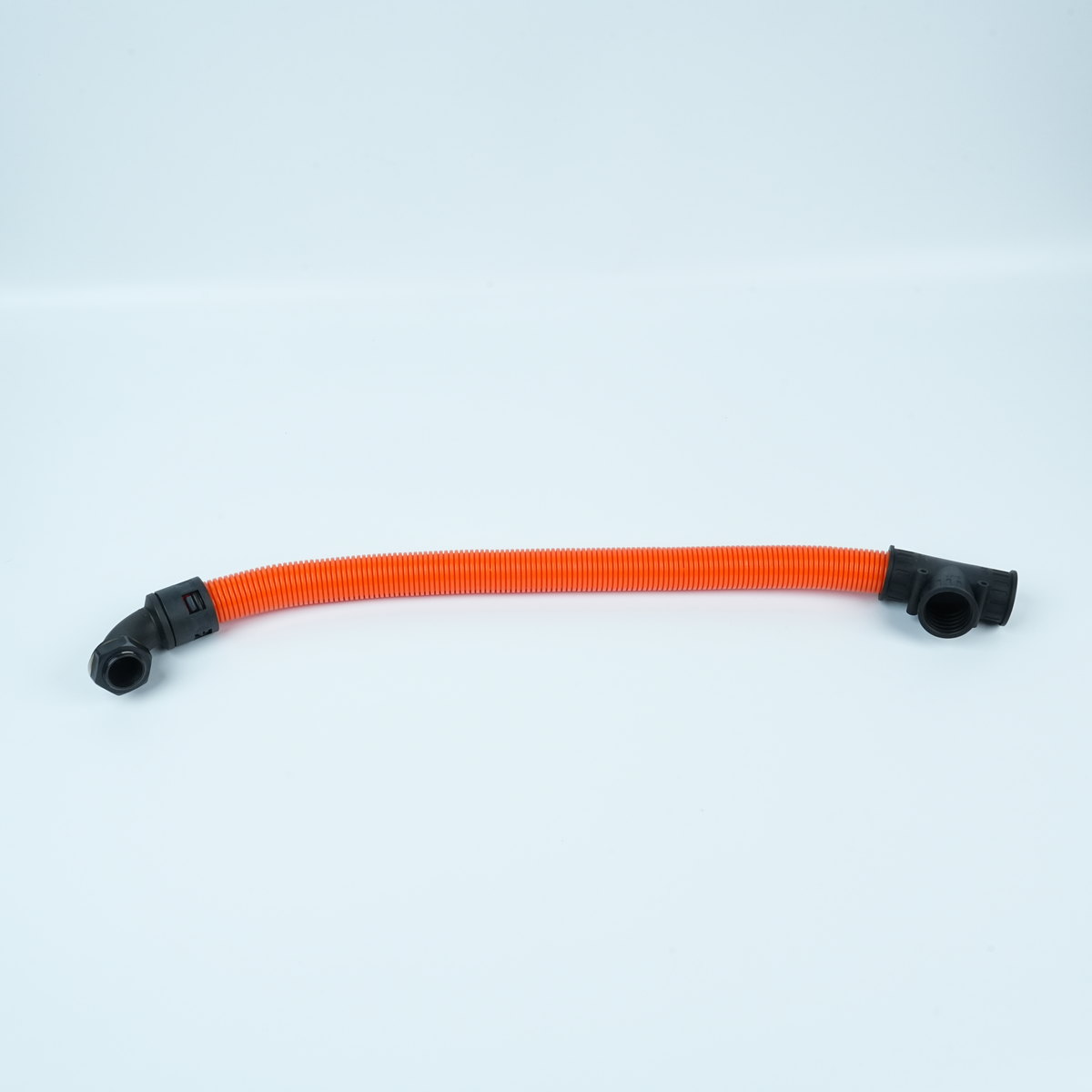
When cables run through machinery, manufacturing equipment, or vehicle assemblies, protection becomes non-negotiable. The right corrugated conduit shields wiring from sharp edges, mechanical abrasion, and environmental stress. Yet selecting protective conduit based on product name alone misses the critical reality: not all corrugated conduit performs equally under abrasion-prone conditions. Testing determines whether your cable routing solution will survive years of operation or fail prematurely, leading to downtime, safety risks, and costly replacements.
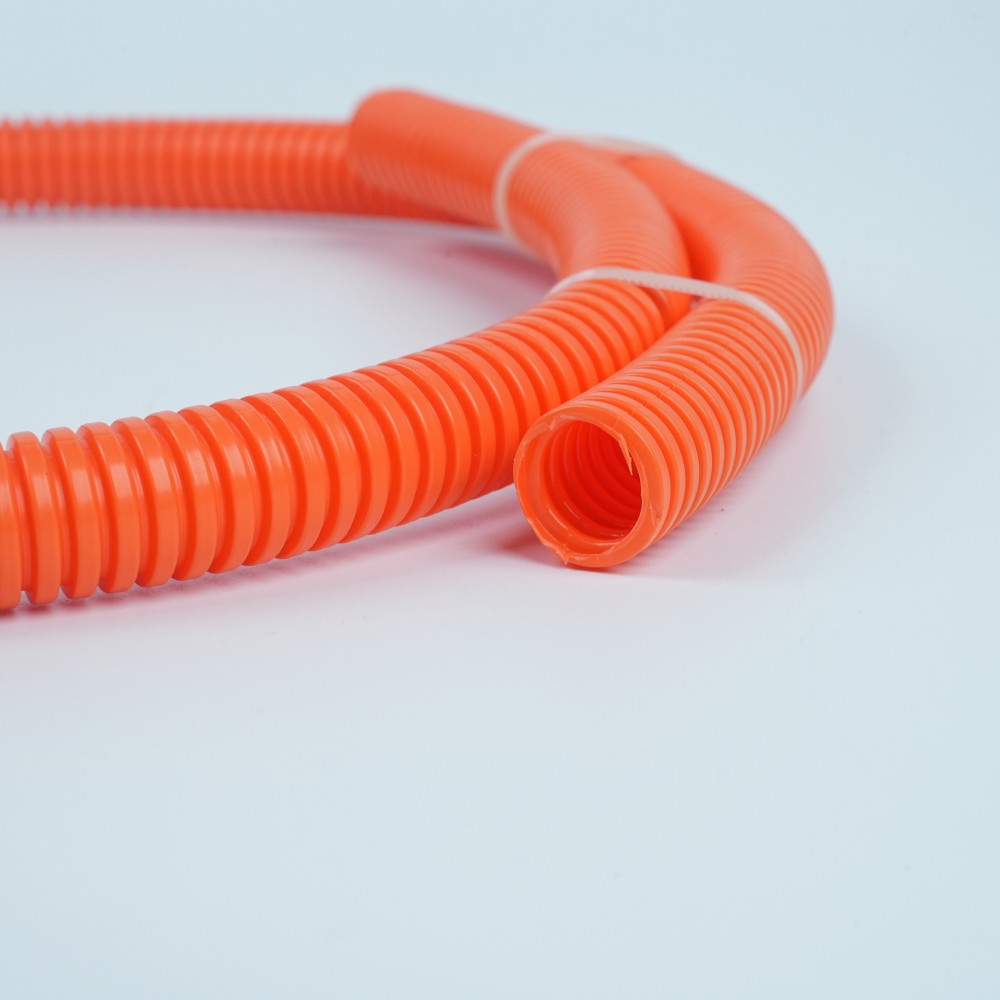
Choosing tests requires understanding how flexible conduit responds to abrasion and mechanical stress. Abrasion-prone runs demand resistance to repeated bending, compression, and surface contact. The following testing methods help verify corrugated conduit durability for industrial equipment and automotive harnesses.
Abrasion Resistance Testing and Flexing Durability
Flex Life and Cyclic Stress Evaluation
Flexible conduit can experience thousands of bending cycles. Flex life testing repeatedly bends samples while checking wall thinning, deformation, and cracks. Automotive harness evaluations may exceed 100,000 simulated cycles. Results show whether corrugated conduit maintains protection or gradually exposes enclosed wires.
Material composition affects flex durability. Reinforced nylon formulations may resist cyclic stress better than basic plastics. Measuring tensile strength after bending, including whether at least 80 percent remains, helps assess protection at corners and unpredictable routing angles.
Surface Wear and Abrasion Rate Measurement
Direct abrasion tests measure material loss after controlled contact with rough surfaces. In Taber testing, abrasive wheels rub specimens under specified loads and speeds. Weight loss, recorded in milligrams, indicates resistance to sharp edges, moving components, and vibration. Lower loss generally suggests better wear resistance.
Abrasion testing helps determine whether conduit withstands machinery vibration. Referenced methods such as ASTM D4157 can inform wear comparisons, but engineers must verify that a test suits the conduit geometry and intended application.
Chemical Resistance and Environmental Durability Testing
Fluid Exposure and Material Degradation Analysis
Cable routing in manufacturing plants, vehicles, and outdoor installations exposes flexible conduit to oils, fuels, coolants, solvents, and salt spray. Chemical resistance testing submerges corrugated conduit specimens in representative fluid environments for extended periods, typically 1000 hours or more. Engineers then evaluate tensile strength retention, wall flexibility, and dimensional stability post-exposure. Conduit that maintains 90 percent or greater strength after chemical immersion demonstrates superior long-term durability in real-world environments.
Chemical resistance requirements depend on location. Engine compartments face fuel and heat, while marine harnesses face saltwater. Test the relevant exposures to identify conduit formulations that retain protection over their intended service life.
Temperature Cycling and Thermal Stress Assessment
Thermal cycling exposes corrugated conduit to repeated heating and cooling, often from -40°C to +85°C or beyond. Cold can increase brittleness, while heat can soften nylon. Testing identifies failures and verifies flexibility and protection across the intended operating range.
After thermal cycling, check flexibility and dimensional changes. Excessive shrinkage or brittleness indicates unsuitable material. Effective conduit retains protective performance through operating temperature changes.
Flame Retardancy, Pressure Containment, and Safety Certification
Flammability Standards and Fire Safety Performance
Industrial and automotive harnesses may require flame-retardant conduit evaluated under UL 94, VW-1, or applicable standards. Tests assess burning behavior, smoke, and dripping. UL 94 V-0 indicates self-extinguishing behavior under defined conditions, which is important in confined routing areas.
Do not rely on unsupported flame-retardancy claims. Request relevant certification records or third-party test reports to confirm whether the conduit meets the safety requirements of its application.
Pressure and Crush Resistance Validation
Conduit may experience compression inside equipment cavities. Crush tests apply perpendicular force and measure deformation and collapse thresholds. Suitable corrugated conduit should preserve enough internal clearance to protect wires under anticipated mechanical loads.
Crush-test results help engineers select conduit for expected machinery and installation loads. Identifying force limits reduces the risk of exposed cables after deformation.
FAQ
What specific testing standard should I require for abrasion-prone corrugated conduit applications?
Industry standards like ASTM D4157 for abrasion resistance, UL 94 for flame retardancy, and IEC 60811 for cable protection materials provide comprehensive benchmarks. For automotive harness applications, OEM specifications often reference additional requirements such as SAE standards for environmental durability. Request complete test reports demonstrating compliance across abrasion, chemical resistance, temperature cycling, and flame retardancy protocols relevant to your specific cable routing environment and regulatory requirements.
How does flexible conduit compare to rigid alternatives in abrasion-prone cable routing scenarios?
Flexible conduit offers distinct advantages over rigid alternatives in abrasion-prone environments. Corrugated conduit accommodates space constraints, reduces installation time, and permits easier wire additions or modifications during maintenance. Flex life testing proves that quality flexible conduit withstands repeated bending and vibration better than brittle rigid materials. However, flexible conduit requires proper routing practice to prevent kinking that compromises abrasion protection. Both solutions can succeed in cable routing applications when material selection matches environmental demands and installation procedures follow design specifications.
Why is thermal cycling testing essential for automotive harness and industrial conduit selection?
Thermal cycling testing identifies material behavior across real-world temperature extremes that automotive harness and industrial environments experience. Nylon-based flexible conduit can become brittle in cold climates and excessively soft under engine heat without proper formulation. Temperature cycling testing ensures corrugated conduit maintains flexibility, tensile strength, and dimensional stability throughout seasonal variations and operational temperature ranges. This validation prevents cable routing failures resulting from material degradation during normal equipment operation, extending protective conduit service life and preventing costly downtime.
 EN