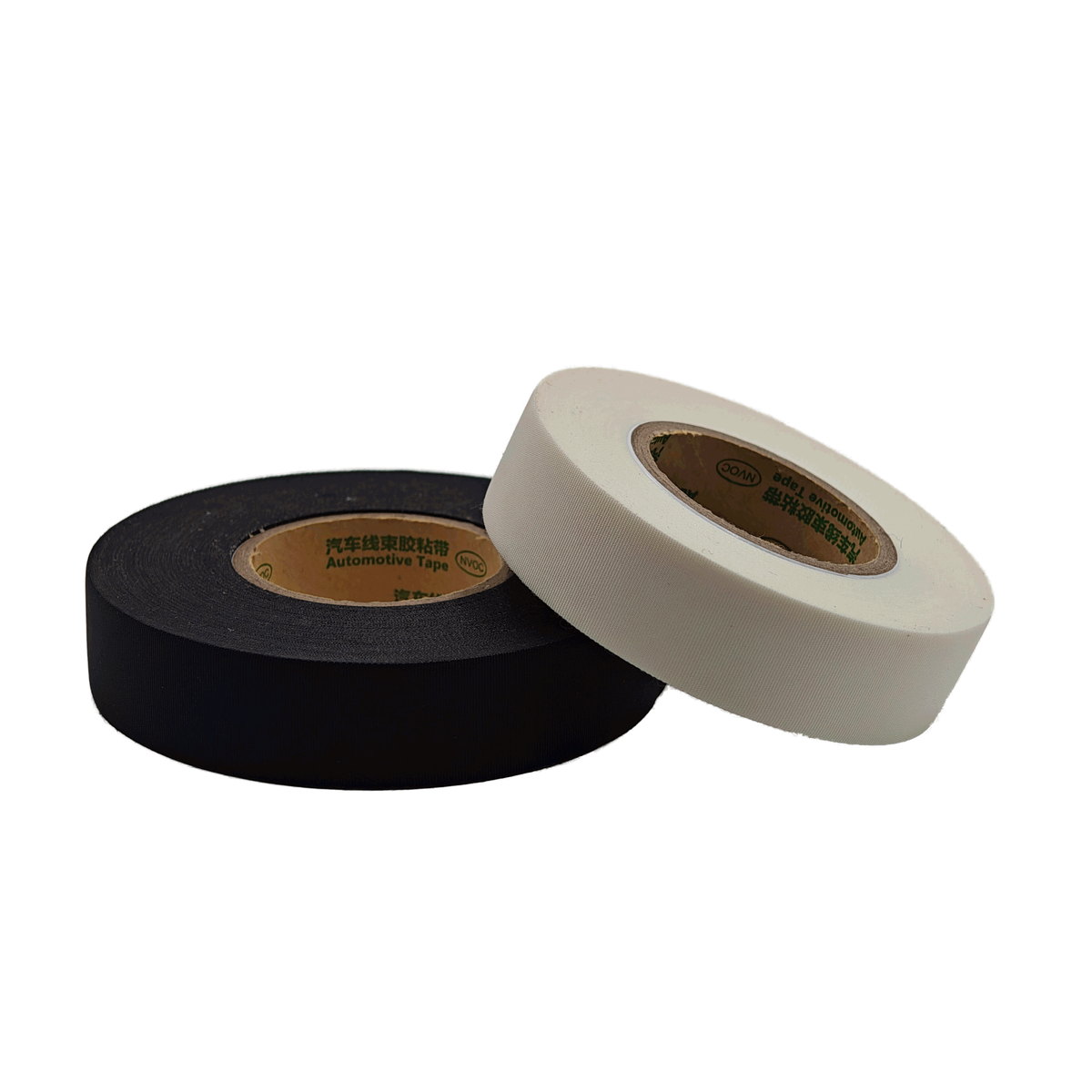
When designing reliable sensor and signal cable assemblies, selecting the right wrapping and insulation material directly impacts performance, safety, and longevity. Acetate cloth tape has become a standard choice in industrial and automotive applications because of its balance between mechanical protection and thermal stability. However, not all acetate cloth tape products perform equally under demanding operating conditions. Understanding which testing parameters matter most ensures that your cable harnesses meet specification requirements and deliver consistent performance in the field.
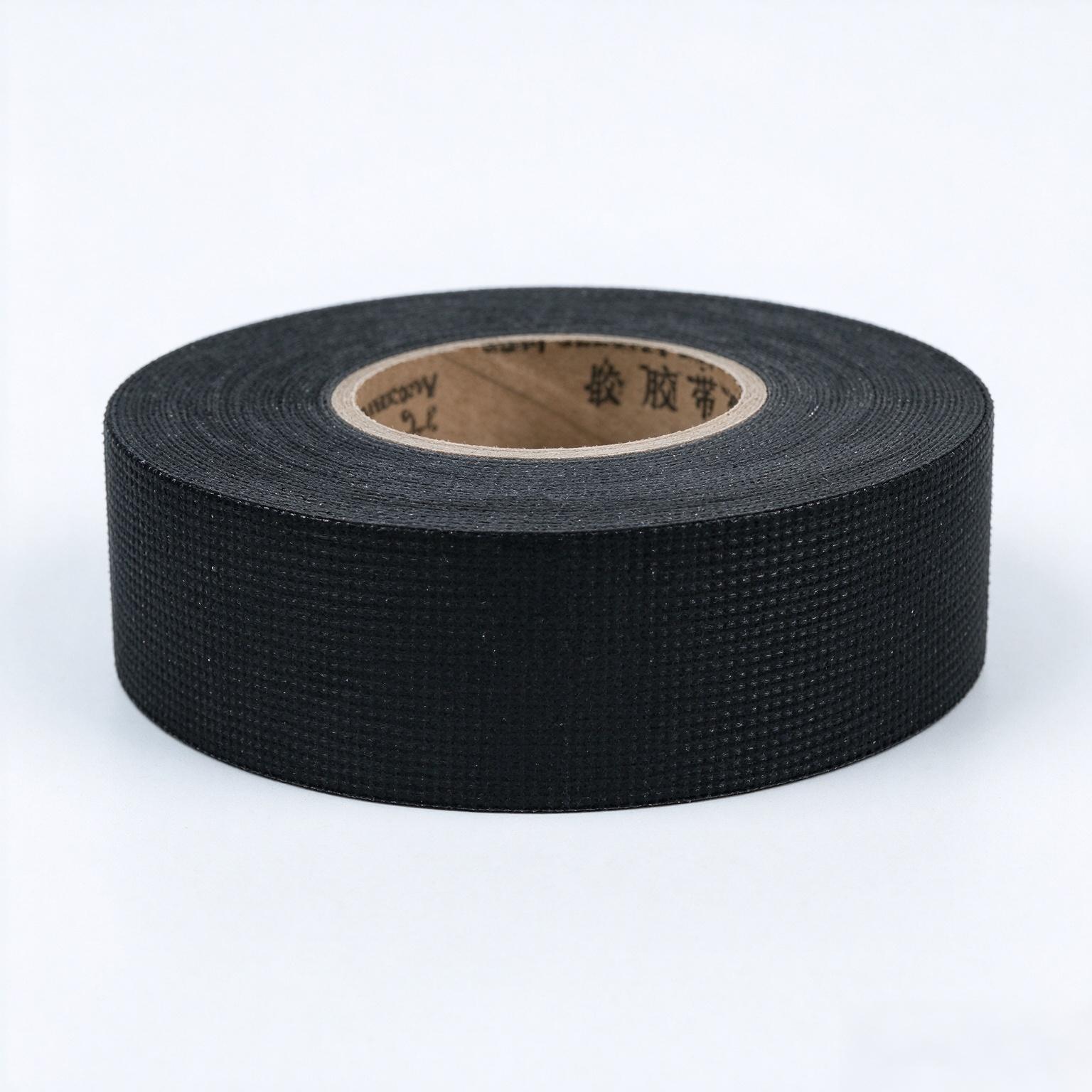
The role of acetate cloth tape extends beyond simple cosmetic wrapping. In sensor and signal cable applications, this material serves as a moisture barrier, provides mechanical abrasion resistance, and helps maintain cable geometry during manufacturing and installation. For automotive harnesses and industrial sensor circuits, the tape must withstand temperature cycling, chemical exposure, and mechanical stress without degrading or losing adhesive properties. Identifying the right testing framework ensures that material selection aligns with actual deployment conditions rather than relying on generic product claims.
Thermal Performance and Heat Resistant Tape Standards
Temperature Range Validation for Operating Conditions
Heat resistant tape performance begins with understanding the actual thermal environment of your application. Sensor and signal cables often operate in engine compartments, industrial control panels, or outdoor installations where temperatures fluctuate significantly. Standard testing protocols measure both short-term heat resistance and long-term thermal stability. UL and automotive standards typically require acetate cloth tape to maintain adhesive strength and physical integrity across a specified temperature range, often between minus 40 degrees Celsius and 120 degrees Celsius or higher depending on the application sector.
Thermal aging tests expose tape samples to elevated temperatures for extended periods, simulating years of field operation compressed into accelerated lab conditions. Heat resistant tape that passes these tests maintains its tensile strength and does not shrink, crack, or separate from the underlying cable surface. For automotive harness applications, thermal cycling tests are particularly critical because engine compartments experience rapid temperature swings that stress adhesive bonds and substrate materials. Validating heat resistant tape specifications against your actual thermal environment prevents premature failure and warranty claims in production.
Adhesive Bond Strength Under Temperature Stress
The adhesive layer of cloth tape is the weak point under thermal stress. During heating, adhesive compounds soften and lose tack. Rapid cooling can cause contraction that lifts tape edges or creates voids. Testing adhesive retention involves applying the tape to test substrates, subjecting it to temperature extremes, and then measuring how much force is required to peel the tape away. Acetate cloth tape with superior heat resistant properties will show minimal change in peel strength before and after thermal cycling. This property directly correlates to tape durability in sensor cable bundles where mechanical strain during installation or vibration could exploit weakened adhesive bonds.
Mechanical Properties and Cloth Tape Durability
Tensile Strength and Tear Propagation
Cloth tape tensile strength determines how much pulling force the material can withstand before rupturing. Sensor cable harnesses experience mechanical stress during assembly, routing, and installation. If cloth tape tears or separates during handling, it exposes underlying conductors to moisture and contamination. Standard testing applies increasing tensile loads perpendicular to the tape direction until the material fails. Acetate cloth tape specifications typically report break strength in pounds per inch of width. Higher tensile ratings provide greater safety margins, especially for larger diameter cable bundles or applications involving frequent flexing.
Tear propagation testing measures how easily a small initiated tear will expand across the tape surface. Some cloth tape materials resist tear expansion through crossweave construction or elasticity in the backing material. This property matters for automotive harness applications because vibration and thermal cycling can initiate micro-tears that progressively worsen. Cloth tape with superior tear resistance maintains its protective barrier even if initial damage occurs during manufacturing or field service. Testing tear resistance involves cutting a small notch and measuring the force required to propagate that tear across the tape width.
Flexibility and Elongation at Break
Cable wrapping requires tape that conforms smoothly to irregular surfaces and maintains contact as the cable flexes during normal operation. Acetate cloth tape with poor elongation properties becomes brittle when cold and may crack when wrapped around tight radius bends. Standard testing measures the percentage of elongation the tape can achieve before tearing. Quality cloth tape typically shows 15 to 30 percent elongation at break, allowing it to accommodate cable movement and thermal expansion without rupturing. This flexibility is especially critical in automotive harness applications where cables route through tight pathways and experience vibration-induced flexing throughout vehicle operation.
Moisture Resistance and Environmental Durability
Water Absorption and Humidity Performance
Sensor and signal cables often operate in humid or wet environments where moisture ingress threatens signal integrity and conductor corrosion. Acetate cloth tape serves as a moisture barrier, and its resistance to water absorption directly impacts cable longevity. Testing measures how much water the tape absorbs after extended immersion, and whether absorbed moisture degrades mechanical or adhesive properties. Quality acetate cloth tape shows minimal water absorption, typically less than two percent by weight after 24 hours of immersion. This low absorption rate protects underlying cable insulation and maintains the tape's mechanical strength even in high-humidity industrial environments.
Humidity cycling tests expose tape samples to repeated cycles of high humidity and drying to simulate real environmental stress. Heat resistant tape with superior moisture resistance will not blister, delaminate, or lose adhesive properties after dozens of humidity cycles. This testing is particularly relevant for outdoor sensor installations or cables routed through damp enclosures. The results inform decisions about whether additional moisture barriers or protective coatings are needed beyond the basic cloth tape specification for your specific deployment scenario.
Chemical and Oil Resistance
Industrial and automotive sensor cables frequently encounter oils, coolants, hydraulic fluids, and solvents that can degrade tape materials and adhesives. Testing cloth tape resistance to these substances involves immersing samples in representative fluids for specified periods and then measuring changes in physical properties. Acetate cloth tape with good oil resistance maintains its flexibility and adhesive strength after exposure to mineral oils and synthetic hydraulic fluids. For automotive harnesses, resistance to engine oil and automotive fluids is essential because harnesses route near engine components where occasional fluid contact occurs. Chemical resistance testing ensures that tape selection suits the specific industrial environment where your sensor cables will operate.
FAQ
What makes heat resistant tape essential for sensor cable wrapping?
Heat resistant tape prevents thermal degradation of both the tape itself and underlying insulation materials. In sensor and signal cables operating near heat sources, standard acetate cloth tape would soften, lose adhesion, and potentially expose conductors to short circuits or contamination. Heat resistant tape maintains its protective barrier across the full operating temperature range, ensuring signal integrity and safety throughout the cable lifespan.
How does automotive harness testing differ from general industrial cable applications?
Automotive harness testing emphasizes rapid thermal cycling because engine compartments experience extreme temperature swings that stress adhesive bonds more severely than steady-state industrial environments. Additionally, automotive standards often specify salt spray corrosion resistance and vibration endurance testing because vehicles operate in corrosive road salt and experience constant vibration. Cloth tape for automotive harness must pass these additional stressors to ensure reliability over vehicle lifespan.
Why is cloth tape construction important for sensor cable protection?
Cloth backing provides superior tear resistance and mechanical strength compared to plastic film tape, making cloth tape ideal for protecting delicate sensor conductors during assembly and field installation. The woven fabric structure also accommodates elongation without rupturing, allows air circulation to prevent moisture trapping, and provides tactile feedback during installation that helps technicians wrap cables consistently. These properties make cloth tape a superior choice for high-reliability sensor and signal cable applications.
 EN