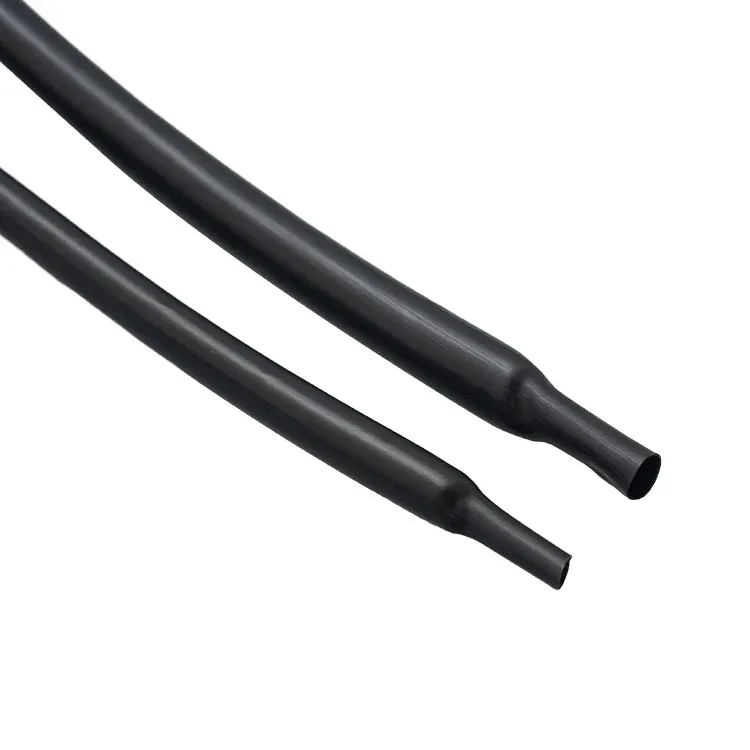
Wire harness organization is fundamental to the reliability and longevity of electrical systems across industries, and PTFE sleeving has emerged as an essential solution for modern cable management. In manufacturing environments, automotive applications, aerospace systems, and industrial machinery, the integrity of wire harnesses directly impacts operational safety and performance. PTFE tubing provides the protective barrier that keeps individual conductors separated, organized, and shielded from environmental hazards that could compromise circuit function. Understanding how this material serves wire harness organization reveals why industries worldwide depend on it for mission-critical applications.
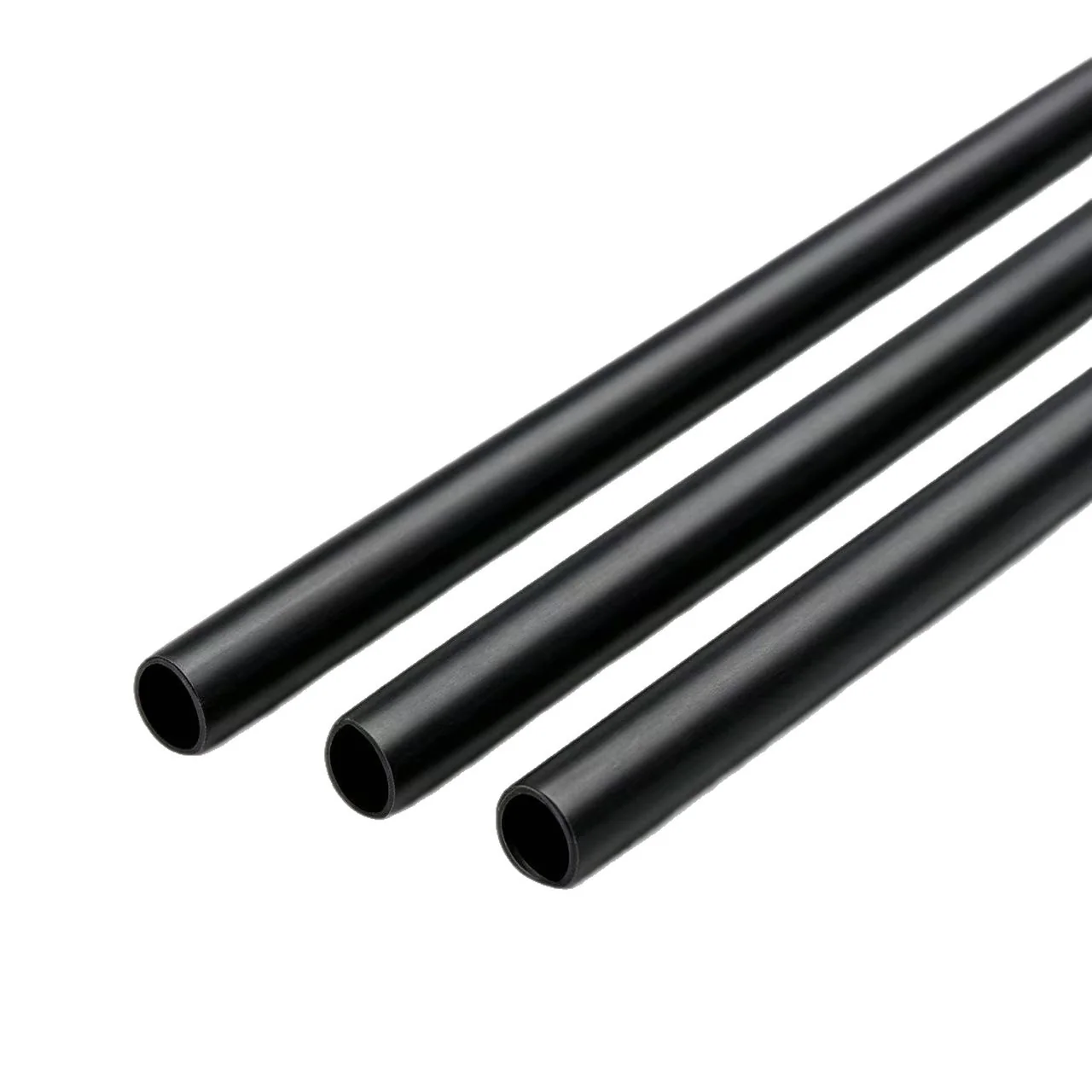
The role of PTFE sleeving extends beyond simple aesthetics or basic wire bundling. When engineers design complex wire harnesses for demanding environments, they face multiple simultaneous challenges: protecting conductors from abrasion, maintaining electrical insulation under temperature extremes, resisting chemical exposure, and organizing numerous wires into compact, maintainable configurations. PTFE tubing addresses all these requirements with a single material solution, making it invaluable for applications where reliability cannot be compromised and failure costs are substantial.
Understanding PTFE Tubing in Harness Design
The Foundation of Cable Organization
Wire harness organization begins with understanding the inherent vulnerabilities of exposed conductors. During assembly, routing through tight spaces, and throughout operational life, wires face constant threats from friction, thermal cycling, and mechanical stress. PTFE tubing serves as the primary defense mechanism, wrapping individual conductors or small bundles within a protective sleeve that maintains consistent spacing and prevents cross-contact. This organized approach reduces the likelihood of short circuits and enables technicians to trace, maintain, and replace specific circuits without disturbing the entire harness assembly.
The tubing material itself contributes significantly to this organizational efficiency. Unlike standard PVC or rubber sleeves, PTFE tubing maintains dimensional stability across extreme temperature ranges, from cryogenic environments to high-heat zones near engines or industrial furnaces. This thermal consistency means that wire bundles remain properly organized whether temperatures fluctuate or remain stable, ensuring predictable performance over decades of service life.
Electrical Insulation Properties
Electrical insulation is perhaps the most critical function of PTFE sleeving in organized wire harnesses. PTFE tubing provides exceptional dielectric strength, meaning it resists electrical breakdown and prevents unwanted current flow between adjacent conductors. In complex harnesses carrying multiple signal and power circuits, this electrical insulation prevents crosstalk, signal degradation, and dangerous fault conditions that could damage equipment or create fire hazards. The material's inherent non-conductivity ensures that voltage potential remains isolated to intended paths, allowing engineers to pack circuits more densely without sacrificing safety.
Furthermore, PTFE tubing maintains its electrical insulation properties even when exposed to moisture, oils, and other operational contaminants. This reliability means that harnesses organized with PTFE sleeving perform consistently in automotive underbody environments, marine applications, and industrial spaces where traditional insulation materials might degrade.
Chemical Resistance and Environmental Protection
Shielding Against Harsh Substances
Chemical resistance distinguishes PTFE tubing as the premium choice for wire harness organization in challenging industrial and transportation settings. The material withstands exposure to fuels, oils, coolants, cleaning solvents, and aggressive chemicals without swelling, softening, or deteriorating. This chemical resistance ensures that organized wire bundles maintain their protective integrity whether they're routed through engine compartments, hydraulic systems, or chemical processing facilities. When standard insulation materials would crack or dissolve, PTFE sleeving continues functioning reliably, preserving the organization and safety of the entire harness.
In automotive applications specifically, PTFE tubing has become the standard for underbody harness protection because it resists salt spray, road chemicals, and environmental corrosion that would compromise other materials. This proven chemical resistance extends harness lifespan, reduces maintenance requirements, and protects critical electrical connections from degradation that could lead to system failures or safety incidents.
Temperature Stability and Durability
Beyond chemical exposure, PTFE tubing maintains superior performance across temperature extremes that other sleeve materials cannot tolerate. Whether harnesses operate in arctic conditions, high-altitude environments, or near heat sources exceeding 250 degrees Celsius, PTFE sleeving preserves its protective and organizational properties without becoming brittle, deformed, or compromised. This temperature stability means that wire organization established during assembly remains intact throughout the equipment's operational life, eliminating the need for repositioning, re-securing, or replacing sleeve materials due to thermal degradation.
The durability advantage becomes particularly apparent in aerospace and defense applications where temperature cycling is extreme and failure is not an option. PTFE tubing maintains flexibility, tensile strength, and dimensional accuracy across these temperature ranges, ensuring that organized wire harnesses remain safely contained and properly separated regardless of operational conditions.
Practical Application Benefits for Wire Organization
Simplifying Assembly and Maintenance
From a manufacturing perspective, PTFE sleeving significantly improves the practical aspects of harness assembly and organization. Technicians can identify individual circuits quickly by tracing PTFE-sleeved bundles, facilitating faster assembly, testing, and troubleshooting. Color-coded PTFE tubing further enhances this organizational advantage, allowing teams to segregate power circuits, signal circuits, and ground returns at a glance. When maintenance or repair becomes necessary, organized harnesses with visible PTFE sleeving can be serviced more efficiently, reducing downtime and labor costs while maintaining electrical safety.
The consistent appearance and organized presentation that PTFE tubing provides also enhances professional standards in product quality. Customers and inspectors immediately recognize well-organized harnesses as indicators of manufacturing precision and attention to detail, reinforcing brand reputation and customer confidence in product reliability.
Enabling Compact Design
Modern equipment design increasingly demands compact wire harnesses that deliver complex functionality within minimal space. PTFE tubing enables this compression because its thin-wall construction provides substantial protection without excessive bulk. Engineers can route sleeved conductors into tight spaces, sharp bends, and confined areas that would be impossible with thicker traditional insulation. This design flexibility allows manufacturers to optimize equipment dimensions while maintaining complete electrical safety and organized wire management.
The result is equipment that operates with greater efficiency, occupies less space, weighs less, and costs less to produce, while PTFE sleeving ensures that organizational integrity and electrical insulation are never compromised in pursuit of these design advantages.
FAQ
How does PTFE tubing prevent wire cross-contact in organized harnesses?
PTFE tubing maintains consistent dimensional stability and creates defined physical barriers between individual conductors or wire bundles. Each sleeved section keeps wires separated according to the original design, preventing unwanted contact even during vibration, movement, or thermal cycling. This physical organization ensures that signals remain isolated from power circuits, preventing crosstalk and dangerous electrical faults that could compromise equipment safety or performance.
What makes PTFE sleeving superior to standard PVC for wire organization?
While PVC offers basic insulation, PTFE tubing provides exceptional advantages for demanding applications: superior chemical resistance that maintains integrity in harsh industrial environments, wider temperature range from cryogenic to extreme heat without degradation, and superior electrical insulation properties that ensure reliable performance across decades of service. These advantages make PTFE sleeving the preferred choice when wire organization must remain reliable under stress conditions where PVC would fail.
Can PTFE sleeving be color-coded for different wire organization systems?
Yes, PTFE tubing is available in various colors that enable clear organizational schemes within complex harnesses. Color-coding allows technicians to quickly identify circuit types, voltage levels, or functional groups, dramatically improving assembly efficiency and maintenance accuracy. This organizational clarity reduces errors during production, testing, and service while enhancing overall equipment quality and professional appearance.
 EN