Wire harness organization is critical in modern manufacturing, automotive assembly, and industrial applications where complex electrical systems must operate reliably under demanding conditions. The role of fiberglass sleeving has become increasingly important as engineers seek solutions that combine durability, thermal resistance, and effective cable sleeving management. Properly organized wire harnesses reduce assembly time, minimize installation errors, and improve overall system reliability.
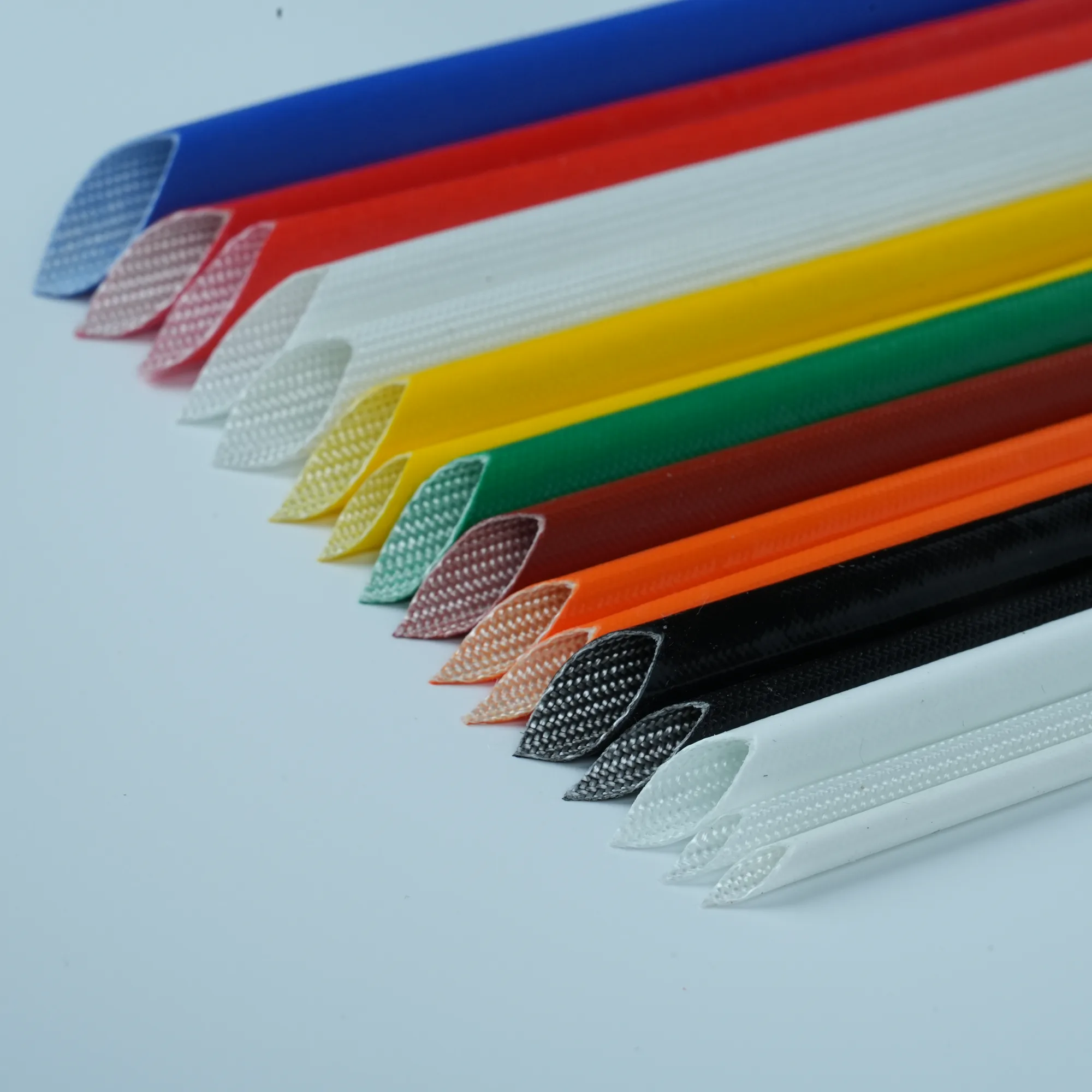
Fiberglass sleeving serves multiple functions within wire harness systems, acting as both a protective barrier and an organizational tool. Unlike generic cable sleeving solutions, fiberglass-based materials offer superior temperature resistance, flame retardancy, and mechanical protection. This makes them particularly valuable in automotive wiring applications where wires face exposure to engine heat, oils, and mechanical stress. Organizations implementing proper electrical insulation techniques with fiberglass sleeving experience reduced maintenance costs and extended equipment lifespan.
Protection and Thermal Management in Wire Systems
Temperature Resistance and Flame Safety
Thermal environments present one of the greatest challenges in wire harness design. Engine compartments, industrial machinery enclosures, and high-current applications generate substantial heat that conventional plastic insulation cannot withstand. Fiberglass sleeving excels in these conditions because the base material maintains structural integrity even when exposed to temperatures that would degrade standard cable sleeving. Many automotive wiring systems now specify fiberglass-reinforced solutions to meet OEM requirements for underhood applications.
Flame retardancy is equally important, particularly in aerospace, marine, and industrial sectors where fire safety codes mandate specific material properties. Fiberglass sleeving formulations typically achieve UL or similar certifications without relying on chemical treatments that degrade over time. The inherent properties of fiberglass provide permanent flame resistance, ensuring that electrical insulation maintains safety compliance throughout the product lifecycle.
Abrasion and Mechanical Durability
Wire harnesses experience constant mechanical stress during assembly and operation. Wires rub against sharp edges, mounting brackets, and adjacent components, potentially creating insulation failures. Cable sleeving made from fiberglass provides a sacrificial protective layer that absorbs abrasion and impact while keeping the actual conductor insulation intact. This dual-layer protection strategy significantly reduces warranty claims and field failures in automotive wiring applications.
The flexibility of modern fiberglass sleeving allows it to conform to complex wire bundle geometries without cracking or delaminating. Engineers can route harnesses through tight spaces, around corners, and through existing structures while maintaining full mechanical protection. This versatility makes fiberglass sleeving an ideal choice for dense wiring environments where space optimization is critical.
Organization and System Efficiency Benefits
Bundling and Color-Coding Integration
Effective wire harness organization relies on visual identification and physical bundling strategies that reduce assembly errors and simplify troubleshooting. Fiberglass sleeving can be manufactured in multiple colors, enabling technicians to instantly identify different circuits, voltage levels, or functional groups. This color-coding capability transforms electrical insulation from a purely protective function into an organizational tool that speeds assembly and reduces human error during maintenance procedures.
The structure of cable sleeving materials also supports bundling efficiency by maintaining consistent diameter and appearance along the entire harness length. This uniformity allows installers to predict fit within existing cable trays, connectors, and routing channels. Predictability reduces installation time and improves the first-pass success rate in manufacturing environments where precision directly impacts production costs.
Space Optimization and Layout Flexibility
Modern vehicle and equipment designs demand maximum functionality within minimal physical footprints. Fiberglass sleeving contributes to space optimization by providing protection at a minimal weight and diameter penalty compared to alternative cable sleeving approaches. Designers can pack wires more densely without sacrificing safety or reliability because the protective properties of fiberglass allow thinner wall thicknesses than other materials.
Automotive wiring applications particularly benefit from this efficiency. Engine bay space is precious and contested among multiple subsystems. By selecting compact fiberglass sleeving solutions, engineers can route more circuits through existing volumes while maintaining strict compliance with thermal, electrical, and mechanical standards. This design flexibility enables innovation in vehicle electrification and advanced driver assistance systems that depend on extensive wiring networks.
Application Integration and Industry Standards
Automotive Industry Requirements
Automotive manufacturers impose rigorous specifications on electrical insulation materials used in their supply chains. Fiberglass sleeving meets or exceeds most OEM standards for underhood applications, including temperature cycling tests, fluid resistance, and flame retardancy requirements. Suppliers who standardize on fiberglass sleeving simplify their compliance documentation and reduce the risk of specification mismatches that could delay production.
The automotive wiring segment continues to expand due to electrification trends and increased electronic control systems. Electric vehicles and hybrid platforms require even more sophisticated wire harness organization than traditional combustion engine vehicles. Fiberglass sleeving provides the thermal stability and reliability necessary for high-voltage battery management systems and electric motor control circuits that operate near or above traditional material limits.
Cross-Industry Adoption and Future Trends
Beyond automotive applications, industrial machinery, HVAC systems, and telecommunications infrastructure increasingly rely on fiberglass sleeving for critical wire protection. Cable sleeving specifications in these sectors often reference the same material standards and performance benchmarks used in automotive design. This convergence creates economies of scale that benefit all users by improving material availability and reducing costs.
Emerging technologies in electrification and high-current applications continue to push electrical insulation requirements higher. Fiberglass sleeving manufacturers are developing advanced formulations that incorporate additional protective layers or specialized coatings to address these evolving demands. Organizations that adopt these advanced solutions today position themselves favorably for tomorrow's regulatory environments and customer expectations.
FAQ
What distinguishes fiberglass sleeving from standard plastic cable sleeving?
Fiberglass sleeving offers superior temperature resistance, inherent flame retardancy, and greater mechanical durability compared to standard plastic cable sleeving. While plastic alternatives may be suitable for low-temperature or low-stress applications, fiberglass consistently outperforms in demanding environments such as engine compartments and industrial settings. The reinforced structure of fiberglass maintains integrity across a wider range of operating conditions, making it the preferred choice for automotive wiring and critical electrical systems.
How does color-coding in fiberglass sleeving improve wire harness organization?
Color-coded fiberglass sleeving allows technicians to instantly identify different circuits, voltage levels, or system sections without consulting documentation. This visual identification system reduces assembly errors, accelerates troubleshooting during maintenance, and improves overall system reliability. Manufacturers can implement industry-standard color schemes that technicians recognize across multiple products and platforms, creating consistency throughout their organizations.
Is fiberglass sleeving cost-effective compared to other electrical insulation solutions?
Fiberglass sleeving offers excellent value when considering total cost of ownership, including material durability, reduced maintenance, fewer field failures, and extended service life. While initial material costs may be slightly higher than basic plastic alternatives, the superior performance in demanding applications eliminates costly warranty claims and equipment downtime. For automotive wiring and critical industrial applications, fiberglass sleeving represents a cost-effective investment that delivers measurable return through improved reliability and reduced lifecycle costs.
 EN







