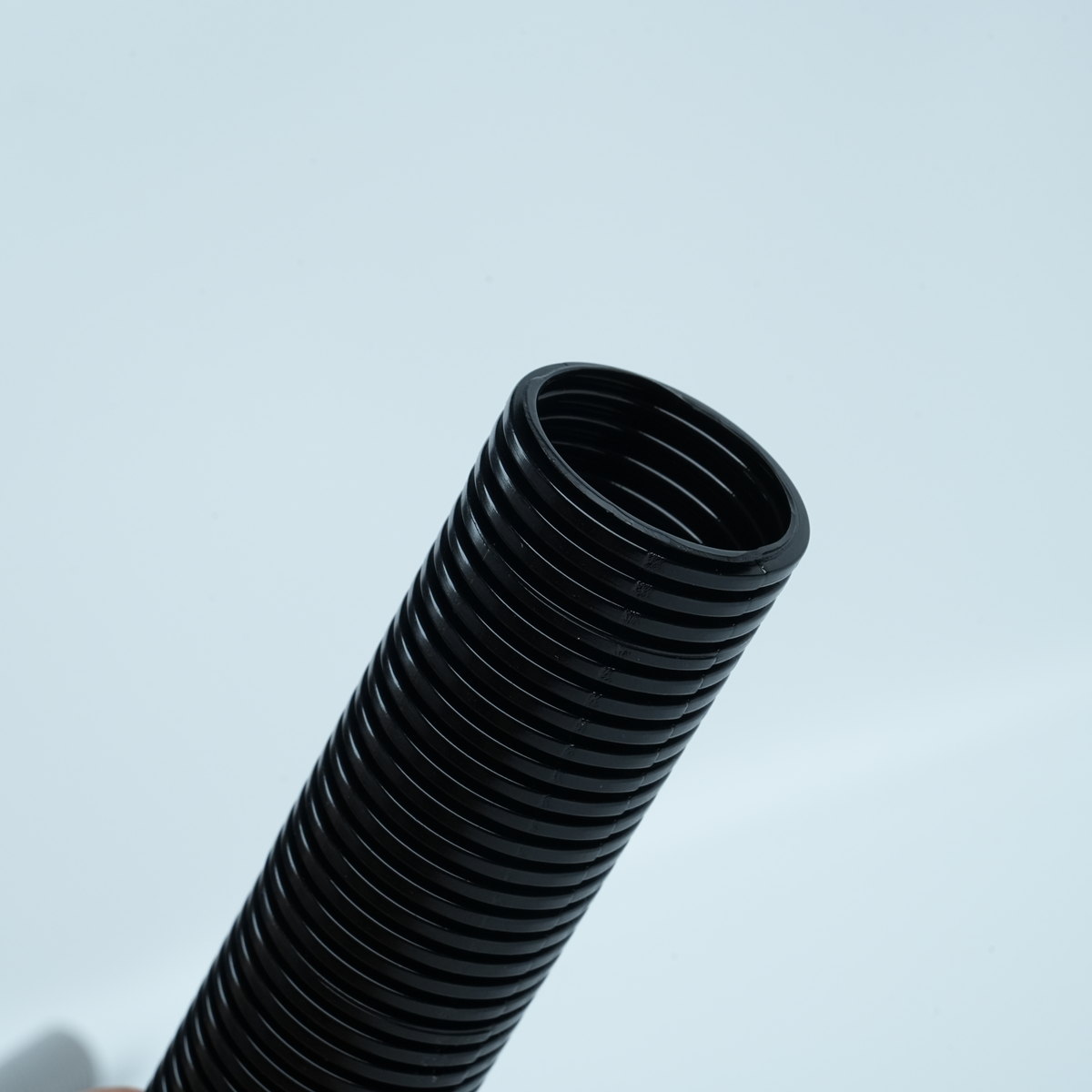
Before approving any wire loom conduit for your engineering project, a thorough evaluation process is essential to ensure the material meets your application's demands. The decision to select and approve a specific cable conduit solution involves far more than reviewing a product datasheet. Engineers must ask targeted questions about performance specifications, material compatibility, environmental resistance, and long-term reliability before committing to any wire harness protection system. This approach prevents costly mistakes, reduces field failures, and ensures that your wiring infrastructure remains protected throughout its operational life.
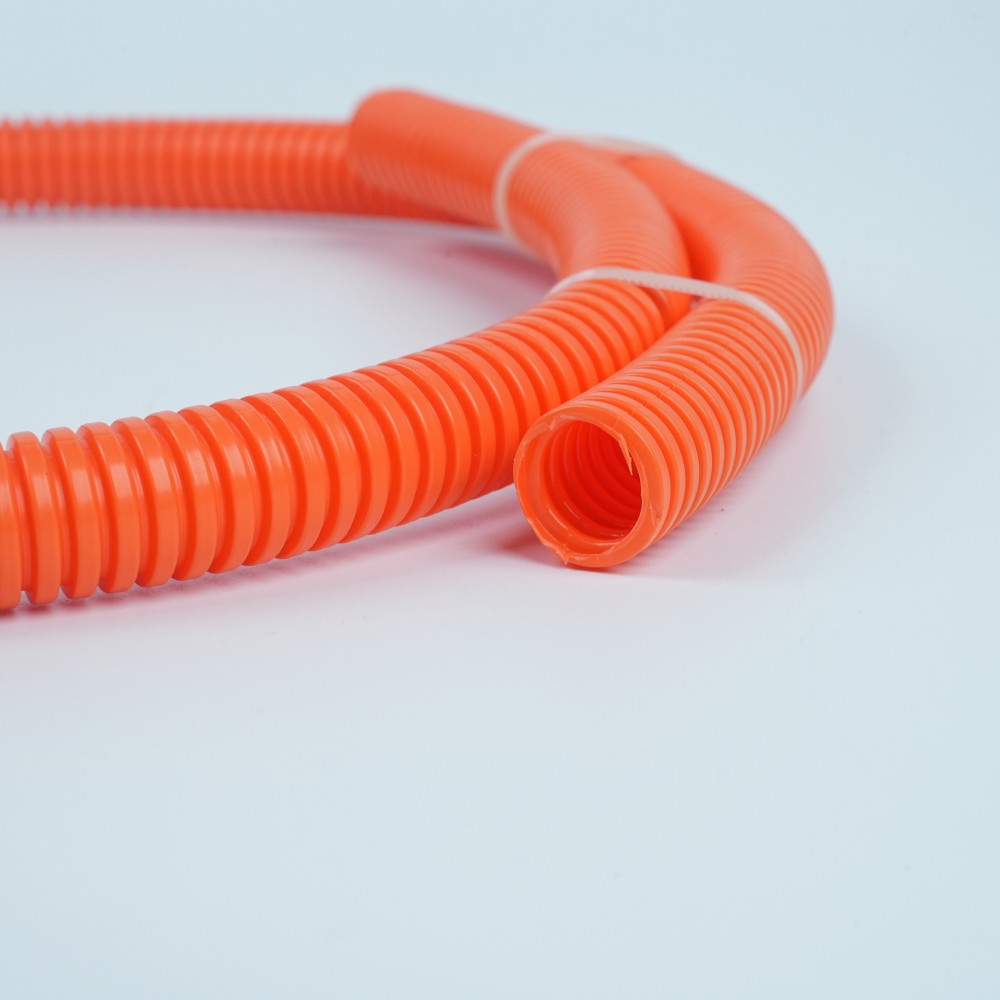
Wire harness protection through proper cable conduit selection directly impacts operational safety, maintenance costs, and regulatory compliance. When engineers take the time to ask critical questions about material properties, installation requirements, and performance limits, they gain the confidence needed to approve solutions that will serve reliably in their specific environment. This structured evaluation process transforms the approval decision from a simple checkbox into a strategic engineering choice that protects both equipment and personnel.
Understanding Functional and Environmental Requirements
What Operating Conditions Will the Wire Loom Conduit Face?
The first essential question focuses on the actual environment where your cable conduit will operate. Engineers must identify temperature ranges, from ambient conditions during idle periods to peak operating temperatures under load. Similarly, you should assess exposure to moisture, whether the system operates in wet environments, undergoes thermal cycling, or faces salt spray exposure. For automotive wiring applications, thermal cycling and underhood heat represent critical stressors that many standard cable conduit materials cannot withstand over extended service life. Understanding these conditions helps engineers select a wire loom conduit formulation specifically engineered for the application rather than choosing a generic option that may degrade prematurely.
Are There Specific Chemical Compatibility Concerns?
Chemical exposure represents another critical dimension of wire harness protection that engineers frequently overlook during the approval process. Oils, coolants, transmission fluids, and cleaning solvents commonly encountered in industrial and automotive wiring environments can degrade many polymeric cable conduit materials. Engineers should ask whether the proposed wire loom conduit maintains its structural integrity when exposed to these substances over extended periods. This becomes particularly important for automotive wiring systems where underhood fluids and aggressive cleaning compounds represent routine exposure rather than occasional contact. Verifying chemical resistance through material specification sheets and compatibility testing prevents field failures that could result from material degradation that occurs silently over months or years.
Material Performance and Specification Verification
Does the Cable Conduit Meet Required Flame Retardancy Standards?
Flame retardancy requirements for wire harness protection vary by application, industry standard, and regional regulation. Automotive wiring systems typically require compliance with specific flammability standards that ensure the wire loom conduit will not propagate flame or release excessive smoke during thermal events. Engineers should verify that the cable conduit meets applicable standards such as UL94, FMVSS standards, or equivalent regional requirements before approval. Beyond regulatory compliance, understanding the flame retardancy mechanism matters because different additives and material formulations provide different levels of protection and may affect other properties like flexibility or durability. A thorough review ensures that your wire harness protection system meets both letter and spirit of safety requirements.
What Is the Durability Profile Under Continuous Flexing?
Many wire loom conduit applications involve motion, vibration, and repeated flexing that stress the material over time. Engineers need to understand how the cable conduit performs under continuous flex cycles rather than assuming static performance will translate to dynamic conditions. Automotive wiring systems in particular experience constant vibration and thermal cycling that can cause material embrittlement, crack initiation, and eventual failure. Ask the supplier about flex test results, cycle counts to failure, and any degradation patterns observed during accelerated testing. This information directly impacts the expected service life and helps engineers determine whether the wire harness protection will remain effective for the full design life of the equipment or whether premature replacement may become necessary.
Installation, Compatibility, and Support Considerations
How Should the Wire Loom Conduit Be Installed and Secured?
Installation methodology significantly affects the long-term performance of any cable conduit system. Engineers should understand the proper installation procedures, including bending radius limitations, securement methods, and any special handling requirements. Wire loom conduit installed with excessive bending stress, improper clipping spacing, or inadequate support may develop stress concentrations that lead to premature cracking and eventual wire exposure. Some automotive wiring applications require specific securement patterns to manage vibration and thermal expansion without restricting flexibility. Before approval, confirm that your installation team understands the requirements and that your assembly processes can accommodate the proper installation methodology. This prevents field issues that result not from material deficiency but from installation practices that exceed the material's design parameters.
What Troubleshooting and Replacement Support Is Available?
Engineers should also assess the practical support available if issues arise after deployment. Understand whether the supplier provides technical documentation, troubleshooting guides, and clear protocols for inspection and replacement. For wire harness protection systems that are critical to operational safety, having access to reliable supplier support and replacement inventory becomes important for maintaining uptime. Additionally, confirm compatibility between the approved wire loom conduit and any adjacent materials such as connectors, terminals, or mounting hardware to ensure the complete cable conduit system functions as intended. This systems-level perspective prevents integration issues that only appear after installation begins.
FAQ
What is the primary purpose of wire loom conduit in automotive wiring?
Wire loom conduit serves as protective cable conduit that shields automotive wiring harnesses from mechanical abrasion, thermal stress, moisture, and chemical exposure. In automotive wiring applications, the wire harness protection provided by conduit prevents electrical faults, maintains circuit integrity, and ensures safety throughout the vehicle's operational life. Quality cable conduit prevents cross-talk between signal wires and provides a organized routing solution that simplifies maintenance and diagnostics.
How do engineers determine if a wire loom conduit is suitable for their specific application?
Engineers should evaluate the operating temperature range, chemical exposure environment, flame retardancy requirements, and flexing demands specific to their application. Then verify that the candidate wire loom conduit meets those specifications through material datasheets and performance testing. For automotive wiring systems, compatibility with underhood conditions, compliance with industry standards, and validation through pilot testing ensure the cable conduit will provide adequate wire harness protection over the required service life.
What happens if wire loom conduit is installed incorrectly despite proper material selection?
Improper installation of cable conduit can negate the benefits of material selection, leading to stress concentrations, accelerated degradation, and premature failure of the wire harness protection system. Even excellent automotive wiring conduit fails prematurely if installed with excessive bending stress or inadequate support spacing. This risk emphasizes the importance of verifying that installation procedures are understood and followed correctly by the assembly team to ensure the complete cable conduit system performs as engineered.
 EN