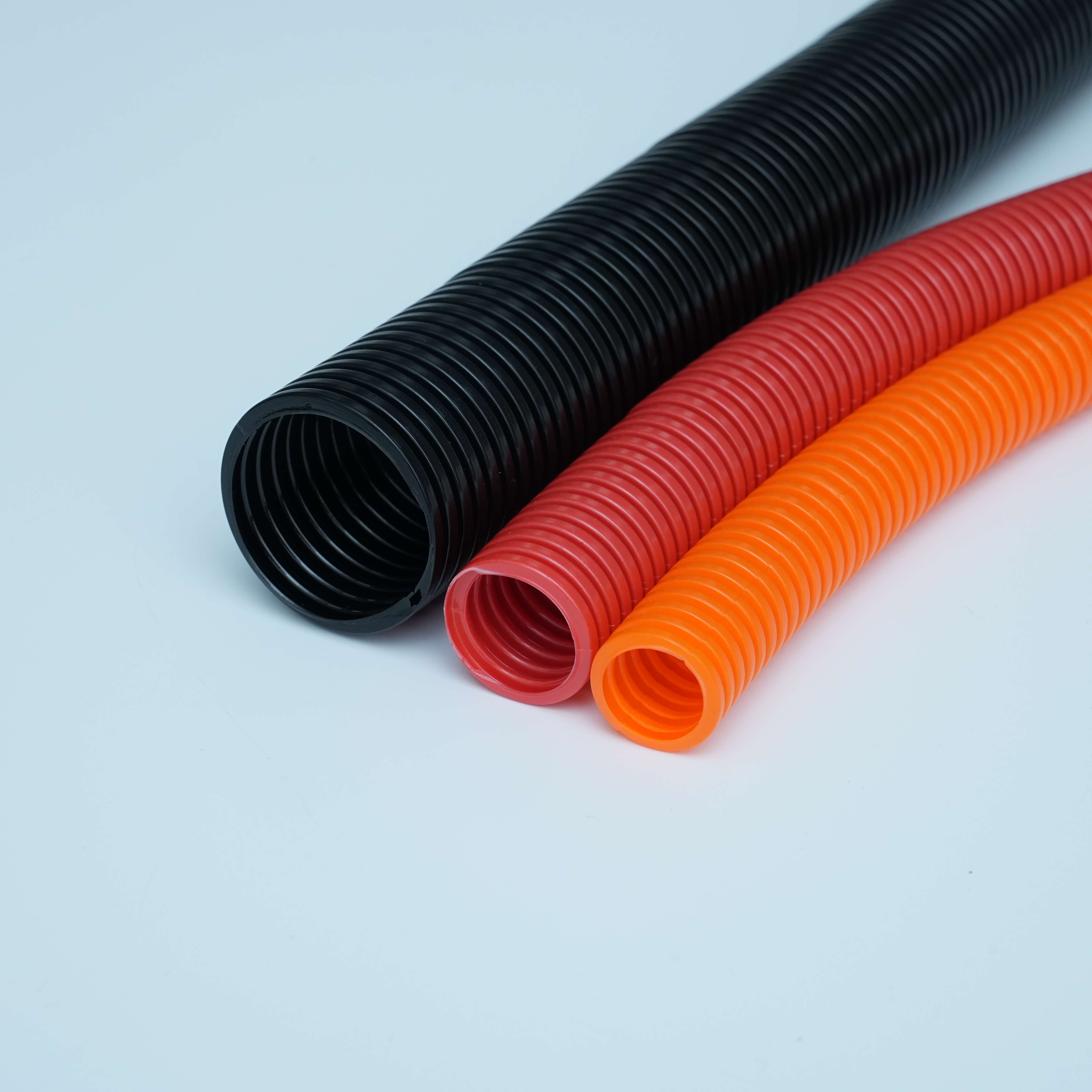
Procurement teams managing electrical assembly projects face a critical decision when sourcing wire loom conduit. The choice directly impacts assembly efficiency, product durability, and long-term maintenance costs. Before committing to a supplier or material specification, your team must ask strategic questions that address application requirements, performance standards, and total cost of ownership. This article walks through the essential questions that separate informed purchasing decisions from costly oversights.
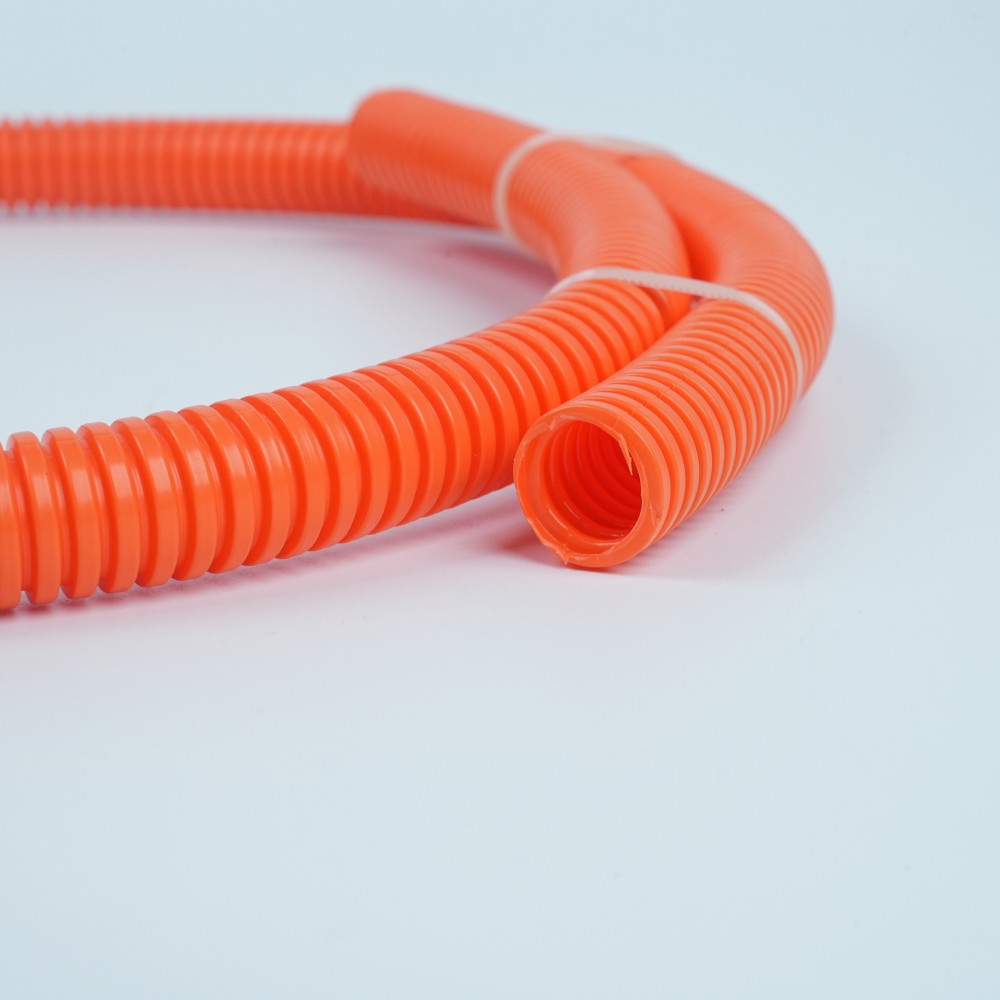
Understanding the operational environment is the foundation of effective cable conduit selection. Wire harness protection demands vary dramatically across industries and applications. Industrial machinery, automotive systems, aerospace assemblies, and consumer electronics each impose unique constraints on material selection, dimensional specifications, and regulatory compliance. Asking the right questions upfront ensures your procurement strategy aligns with actual field performance needs.
Environmental and Performance Requirements
What Operating Temperatures Will the Cable Conduit Face?
Temperature tolerance represents one of the most critical performance dimensions for wire loom conduit. Standard nylon materials typically function reliably between minus 40 degrees Celsius and 85 degrees Celsius, yet applications vary widely. Industrial furnaces, refrigerated logistics, automotive engine compartments, and outdoor telecommunications installations each demand different thermal specifications. Ask your supplier for the material's thermal rating, any temperature-induced degradation in flexibility or tensile strength, and performance data at the extreme temperatures your assembly will encounter. This information directly influences product lifespan and field failure rates.
What Chemical Exposure or Contamination Will Occur?
Wire harness protection extends beyond mechanical shielding. Chemical exposure—whether from solvents, oils, coolants, or cleaning agents—can degrade standard materials over time. Before sourcing cable conduit, specify all potential chemical contacts in your application. Ask suppliers whether the material resists these specific substances, what degradation timeline to expect, and whether upgraded formulations offer better compatibility. Some applications require flame-retardant variants or materials rated for specialized chemical resistance, directly affecting material cost and performance outcomes.
Specifications and Compliance Questions
What Diameter and Wall Thickness Are Required?
Wire loom selection begins with precise dimensional requirements. Undersized conduit leaves cables vulnerable to external damage and limits future modifications. Oversized conduit wastes material and increases assembly cost. Before ordering, confirm the total cross-sectional area of your wire bundle, then specify the required internal diameter with appropriate safety margin. Ask suppliers about available sizes, wall thickness options, and how wall thickness affects flexibility and crush resistance. Many sourcing errors stem from vague dimensional specifications that suppliers interpret based on their standard inventory rather than actual application needs.
Does Your Application Require Flame Retardancy or UL Certification?
Regulatory requirements fundamentally constrain material selection. Aerospace, automotive, and medical device applications typically mandate flame-retardant materials meeting specific standards such as UL 94, UL 1581, or FAA regulations. Consumer electronics and general industrial assembly may have different requirements. Before sourcing, verify all applicable standards, then confirm that your specified cable conduit carries the necessary certifications. Requesting the wrong material specification creates compliance risk and delays production. Conversely, over-specifying flame retardancy or excessive certification adds unnecessary cost. Align specifications precisely with actual requirements.
Supply Chain and Commercial Considerations
What Lead Times and Minimum Order Quantities Apply?
Operational continuity depends on reliable supply chain performance. Wire loom conduit sourcing requires clear understanding of supplier lead times, minimum order quantities, and inventory availability. Ask suppliers for their typical production lead times under normal demand, extended lead times during peak seasons, and minimum purchase quantities that trigger pricing changes. Understanding these constraints allows your team to align procurement cycles with production schedules, avoid inventory buildup, and prevent assembly delays. Clarify whether the supplier maintains safety stock or operates on made-to-order models, as this distinction directly impacts your procurement flexibility.
What Pricing Models, Volume Discounts, and Payment Terms Are Available?
Total cost of ownership extends beyond unit pricing. Before committing to a supplier, request detailed pricing structures across multiple volume levels. Ask about volume discounts, minimum purchase requirements for preferential pricing, and whether price adjustments reflect material cost fluctuations. Clarify payment terms—net 30, net 60, or prepayment requirements—as these affect working capital management. Additionally, confirm whether the quoted price includes shipping and any tooling costs for custom sizes or configurations. Some sourcing decisions that appear advantageous at low volumes become inefficient at scale, or vice versa. Transparent pricing discussions prevent future cost surprises.
Quality and Testing Questions
What Quality Testing and Performance Validation Does the Supplier Conduct?
Material consistency and performance reliability depend on supplier quality control practices. Ask whether suppliers conduct tensile strength testing, crush resistance verification, temperature cycling validation, and chemical compatibility assessments on incoming materials. Request documentation of their quality assurance procedures, third-party testing certifications, and failure rate data for their wire loom products. Understanding testing rigor helps you assess risk of defects reaching your assembly line. Many sourcing teams skip this question and later discover that supplier material variations cause unexpected field failures or assembly rework.
Can You Obtain Product Samples and Performance Documentation?
Before placing large orders, request samples of the specific wire loom conduit configuration you intend to source. Test the samples in your application conditions—mechanical flexibility, thermal cycling, chemical exposure—to verify performance meets expectations. Ask suppliers to provide technical data sheets documenting all material specifications, performance ratings, and test results supporting their claims. This validation step prevents specification misalignment and reduces adoption risk. Documentation also creates a baseline for comparing alternative suppliers or future material revisions, ensuring consistency across production batches.
FAQ
What is the primary difference between standard nylon and flame-retardant wire loom conduit?
Standard nylon wire loom conduit offers excellent flexibility, abrasion resistance, and cost efficiency for general industrial applications. Flame-retardant variants incorporate additives that reduce flammability and meet stringent safety standards required in aerospace, automotive, and medical devices. The trade-off involves slightly higher cost and sometimes marginal reduction in flexibility. Selection depends entirely on regulatory requirements and application risk. Asking this question early clarifies whether your project actually requires the premium specification or whether standard material is appropriate.
How do environmental factors influence wire loom conduit selection?
Environmental factors—temperature extremes, chemical exposure, UV radiation, and humidity—directly determine material longevity and performance. Cable conduit specifications must match the harshest conditions the assembly will encounter, not average operating conditions. Industrial environments with temperature cycling, chemical contamination, or outdoor exposure demand upgraded material specifications compared to controlled indoor settings. Your procurement team should document the full environmental profile before sourcing, then verify that selected cable conduit materials are rated for those specific conditions. This analysis prevents premature material failure and costly field replacements.
What questions should procurement teams ask about wire harness protection standards?
Procurement teams should identify all applicable regulatory standards, industry specifications, and internal quality requirements governing wire harness protection in their application. Ask suppliers whether the wire loom conduit carries required certifications, whether test reports are available upon request, and whether material specifications remain consistent across all production batches. Clarify whether modifications to material composition or sourcing will require recertification. Understanding compliance requirements upfront prevents costly redesigns later and ensures products meet both regulatory and customer expectations. This due diligence represents fundamental procurement responsibility.
 EN