Procurement teams responsible for sourcing materials face significant pressure to balance cost, quality, and performance specifications. When evaluating expandable sleeving solutions for industrial applications, asking the right questions upfront prevents costly mistakes, supply chain disruptions, and product failures. The decisions made during the sourcing phase directly impact manufacturing efficiency, product reliability, and long-term operational costs.
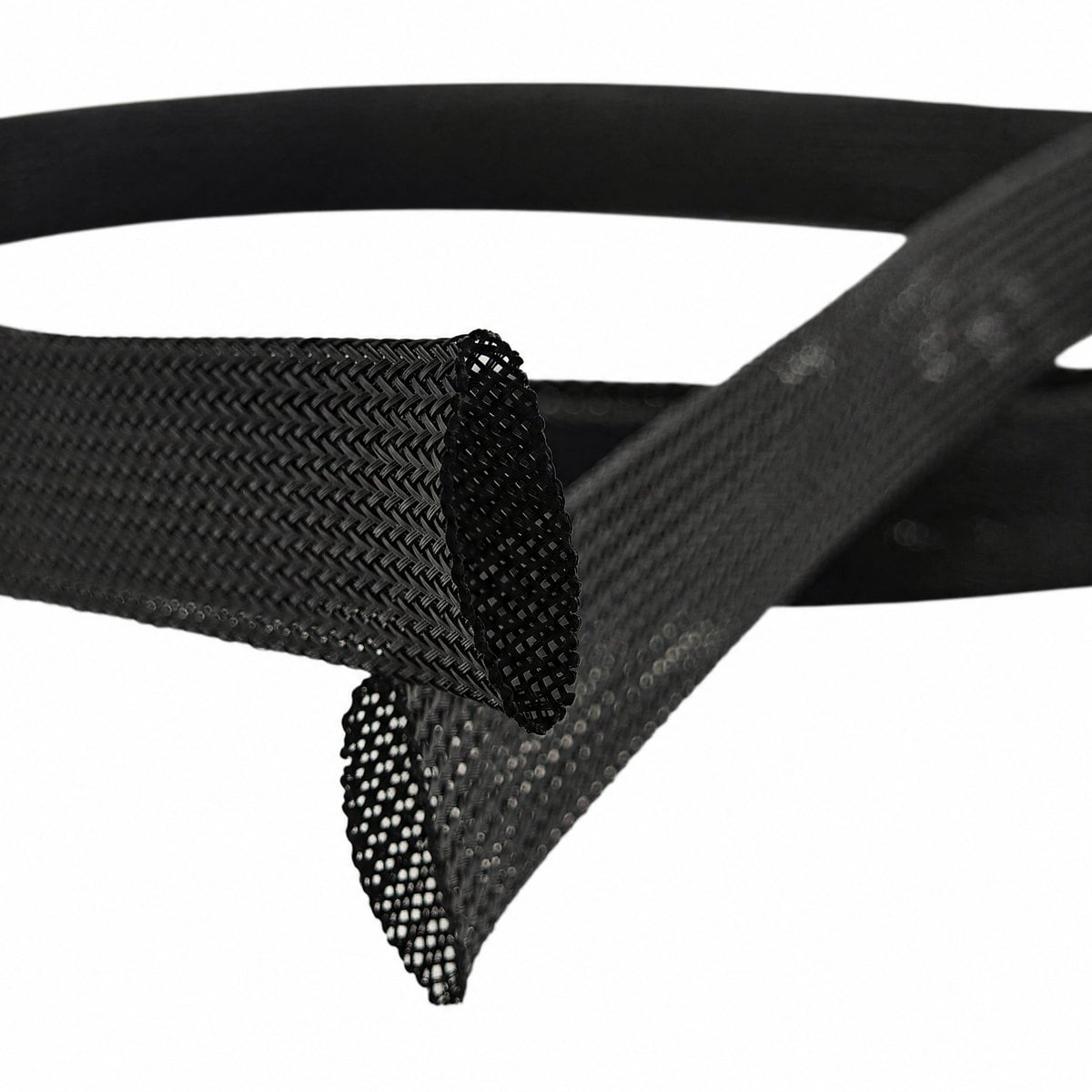
Before committing to a supplier or material specification, procurement professionals must understand the technical requirements, regulatory compliance landscape, supply chain stability, and total cost of ownership. This article outlines the essential questions that transform the sourcing process from reactive purchasing into strategic decision-making that aligns expandable sleeving selection with your organization's operational and financial objectives.
Performance and Application Requirements
What Operating Conditions Must the Sleeving Withstand?
Every industrial environment presents unique challenges that determine the material properties needed in wire protection solutions. Your procurement team must first clarify temperature ranges, exposure to oils, chemicals, abrasion, and mechanical stress that the pet sleeving will encounter during its service life. If cable management applications involve extreme heat environments, standard materials may fail prematurely, requiring premium grades with superior thermal stability.
Understanding voltage requirements, flame-retardant ratings, and EMI shielding needs is equally critical. Ask suppliers specifically about tested operating parameters, not just theoretical maximums. Request documentation showing how the expandable sleeving performs at temperature extremes, under chemical exposure, and during vibration stress. This detail prevents field failures and warranty disputes down the line.
Does the Material Meet Industry-Specific Compliance Standards?
Different sectors enforce vastly different regulatory requirements for wire protection and cable management materials. Aerospace, automotive, medical device, and telecommunications industries each maintain distinct certification requirements. Your procurement team should verify whether the expandable sleeving meets UL, RoHS, halogen-free, or specific industry certifications required by your end customers or regulatory bodies.
Request certificates of compliance and third-party test reports rather than relying on supplier claims alone. Clarify whether pet sleeving certifications remain valid for your specific application environment and whether any additional documentation or testing is required for your markets. Compliance gaps discovered after purchase orders are placed create expensive delays and rework.
Supply Chain and Sourcing Strategy
What Is the Supplier's Lead Time and Inventory Stability?
Expandable sleeving sourcing decisions carry supply chain implications that ripple through production schedules. Procurement must understand minimum order quantities, typical lead times from raw material availability to delivery, and whether the supplier maintains safety stock for critical specifications. Global supply disruptions have made lead time transparency non-negotiable for managing inventory costs and avoiding production bottlenecks.
Ask suppliers about their sourcing strategy for raw materials, manufacturing capacity constraints, and contingency plans during high-demand periods. Determine whether they offer expedited delivery options and at what cost premium. Understanding cable management supplier reliability directly affects your ability to fulfill customer commitments without emergency purchasing at inflated prices.
Are There Alternative Material Specifications or Suppliers Available?
Sole-source dependencies create vulnerability that procurement professionals should actively mitigate. Ask whether equivalent pet sleeving options exist from other suppliers and whether your specifications allow material substitution without compromising wire protection performance. Developing qualified backup suppliers protects against price increases, quality issues, or unexpected supply interruptions.
Your team should also explore whether different expandable sleeving constructions, diameters, or materials can serve the same application at lower cost or with better availability. Sometimes cable management objectives can be achieved through multiple technical approaches, providing procurement flexibility and competitive leverage in negotiations.
Cost Analysis and Total Value Assessment
What Drives the Unit Price and How Does Volume Impact Cost?
Raw material procurement requires understanding the cost structure behind quoted prices. Expandable sleeving pricing varies significantly based on material composition, manufacturing complexity, order volume, and market conditions. Ask suppliers to break down their pricing into material costs, labor, overhead, and margin, then clarify how pricing scales at different volume levels.
Procurement teams should negotiate volume tiers and long-term pricing agreements that reward commitment while maintaining flexibility for operational changes. Understanding the supplier's cost structure enables informed negotiations and helps identify whether quoted prices align with market realities or contain unnecessary markups in cable management solutions.
What Is the True Total Cost of Ownership Beyond Unit Price?
Lowest-cost pet sleeving suppliers do not always deliver the lowest total cost. Procurement must factor in quality defect rates, installation labor requirements, waste during deployment, and performance durability. Inferior wire protection materials that degrade quickly or fail in service create hidden costs through field replacements, customer complaints, and brand damage.
Request defect rate history, warranty terms, and documentation of field performance from existing customers using the same expandable sleeving specifications. Compare not just unit pricing but also delivery costs, inventory carrying costs, and the financial impact of potential supply disruptions. A slightly higher-cost supplier with superior reliability and performance often delivers lower total cost than bargain alternatives.
FAQ
Should procurement teams prioritize cost savings when sourcing expandable sleeving?
Cost should be weighed alongside quality, compliance, supply chain reliability, and total cost of ownership rather than pursued as the sole priority. While budget discipline is important, choosing expandable sleeving primarily on price often backfires through performance failures, rework costs, and customer dissatisfaction. Cable management solutions represent relatively small portions of total product cost, making material quality and reliability more valuable than margin reduction.
How often should procurement teams reevaluate expandable sleeving suppliers?
Annual supplier reviews are prudent for pet sleeving sourcing, particularly when evaluating performance data, pricing trends, and emerging alternatives. However, immediate reevaluation is warranted if suppliers experience quality issues, miss delivery commitments, or implement significant price increases without justification. Regular market scanning helps procurement teams stay informed about technological advances and new wire protection options that could improve performance or cost efficiency.
What documentation should procurement request from expandable sleeving suppliers?
Procurement teams should require technical data sheets specifying material composition, performance ratings, and compliance certifications; quality documentation including defect rates and third-party test results; delivery and lead time commitments in writing; and references from existing customers. This comprehensive documentation package enables informed decision-making and protects your organization against undisclosed material changes or performance variations in cable management products.
 EN