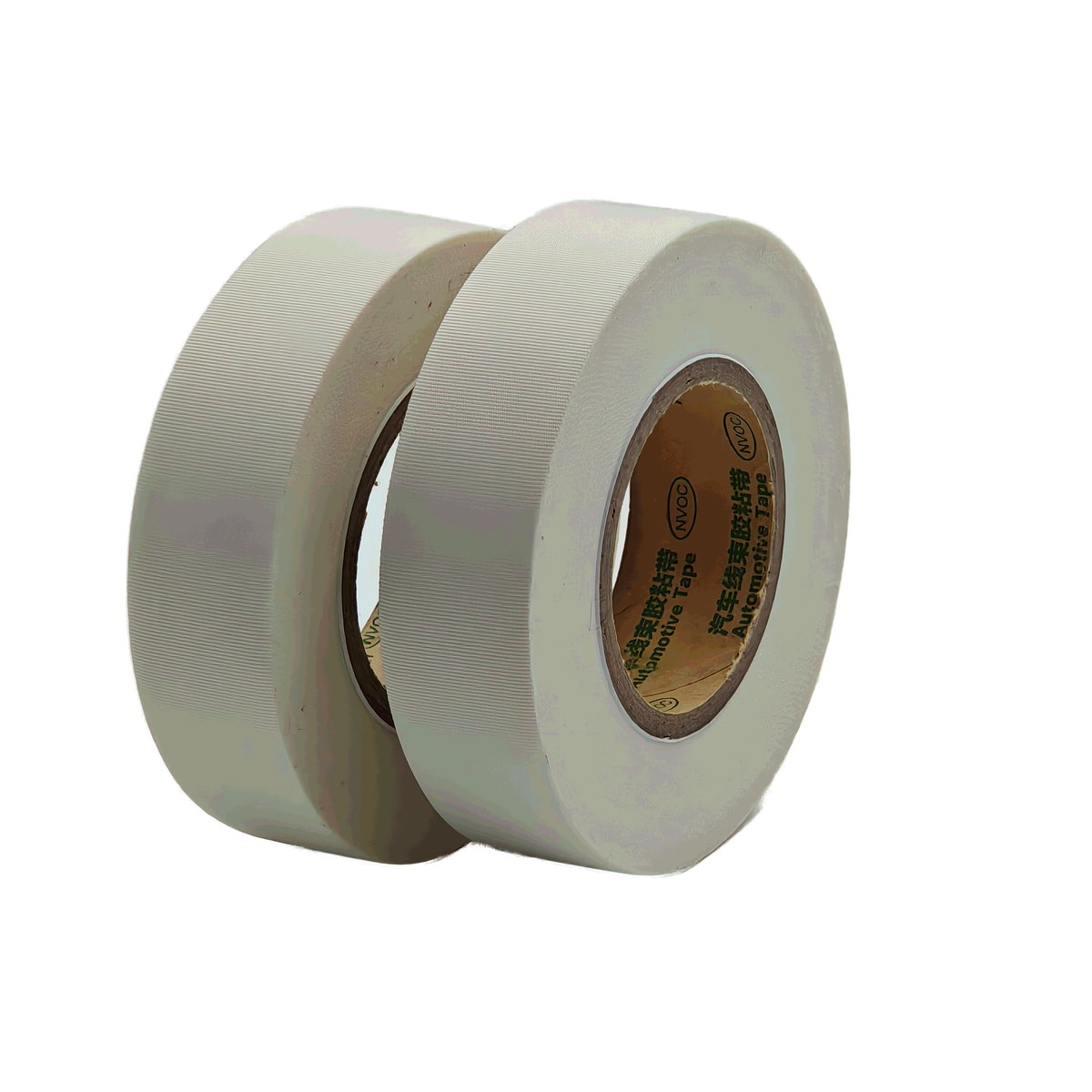
Procurement teams face significant responsibility when sourcing acetate cloth tape for electrical applications. The wrong choice can lead to product failures, safety risks, and costly redesigns downstream. Before committing to any supplier or specification, your team must understand what questions will uncover potential problems and ensure you select a material that truly meets your application requirements. This comprehensive guide outlines the critical inquiries that separate informed purchasing decisions from rushed, regrettable commitments.
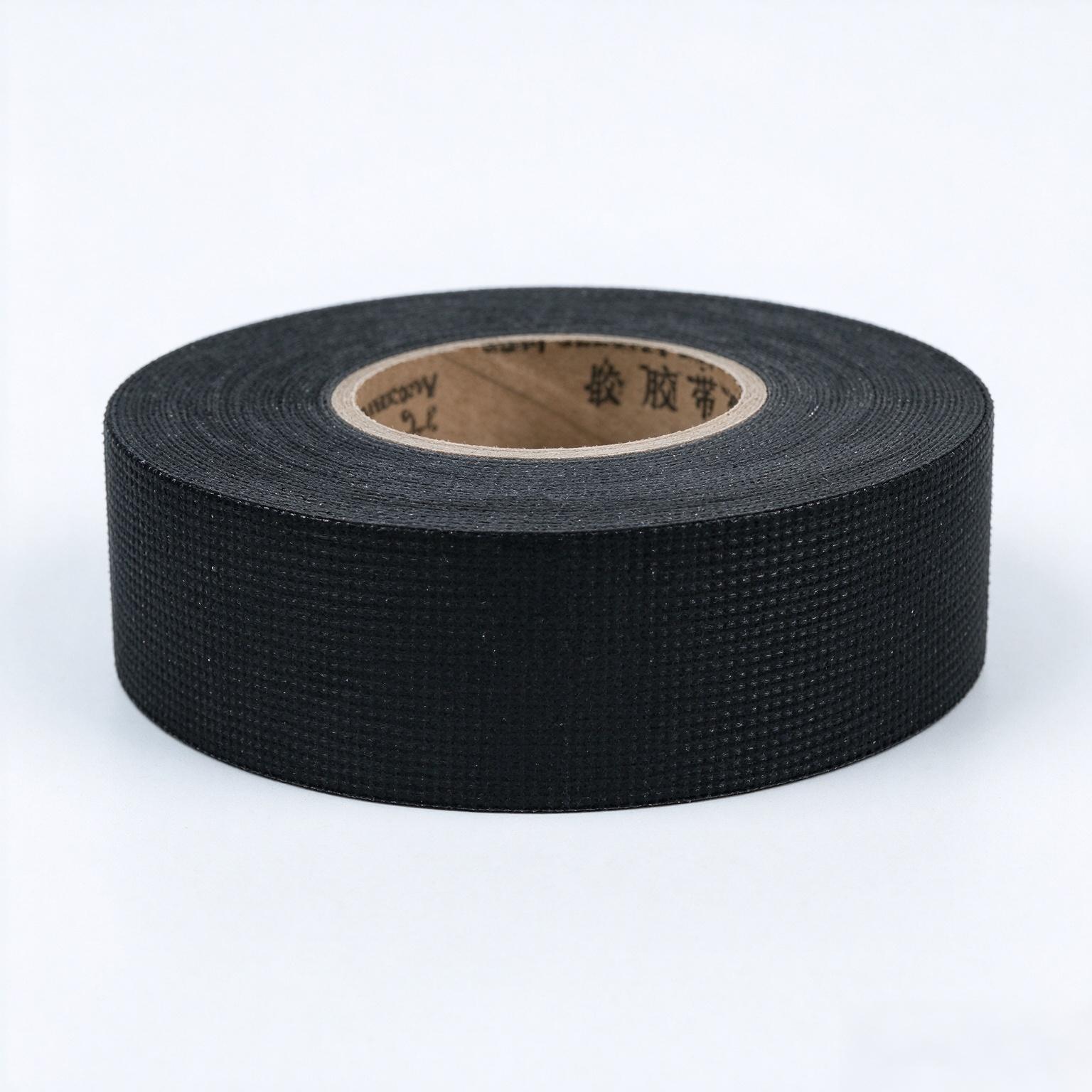
Sourcing cloth tape involves evaluating multiple technical parameters, compliance certifications, supplier capabilities, and cost structures. Many procurement professionals operate under time pressure and limited technical visibility, making it easy to overlook critical details. When dealing with electrical insulation and wire harness tape applications, these details directly impact product reliability and regulatory standing. Your sourcing strategy must address both immediate performance needs and long-term supply chain stability.
Understanding Performance and Compliance Requirements
What Electrical Standards Must the Tape Meet?
Before evaluating any cloth tape supplier, your team must confirm which regulatory standards apply to your specific application. Common standards include UL 510 for electrical insulation, IEC 60454 series for industrial tape specifications, and automotive-specific requirements if your wire harness tape will be used in vehicles. Ask your supplier directly which certifications they hold and request third-party test reports, not just marketing claims. Different industries impose different compliance requirements, and a tape certified for consumer electronics may not meet aerospace or medical device standards.
Your procurement team should also investigate whether your end-use market requires specific flame ratings, temperature stability windows, or chemical resistance profiles. Electrical insulation demands are not uniform; telecommunications applications differ from high-temperature industrial motor winding scenarios. Request specification sheets that clearly state which standards were tested and under what conditions. Never assume that because one customer uses a specific tape, it will work for your application without independent verification.
What Temperature Range and Environmental Conditions Apply?
Acetate cloth tape performance varies significantly across temperature ranges and environmental exposures. Your procurement team must ask suppliers: what is the minimum and maximum continuous operating temperature? What happens to adhesion and tensile strength at those extremes? Does the tape maintain electrical insulation properties when exposed to moisture, oils, or UV radiation in your specific environment? Environmental durability directly impacts your product's field reliability and warranty costs.
Request accelerated aging test data showing how the cloth tape and its backing material perform after thermal cycling, humidity exposure, and extended outdoor storage. Industrial wire harness tape used in automotive engine compartments faces dramatically different stress than tape used in climate-controlled telecommunications cabinets. Your specification must define the actual service environment, and suppliers should provide evidence that their electrical insulation tape will maintain critical properties under those real-world conditions.
Evaluating Supplier Capabilities and Consistency
What Quality Control Processes Does the Supplier Implement?
Procurement teams must understand how suppliers maintain consistency across production batches. Ask whether they use incoming material inspections, in-process testing, and final product verification. Cloth tape quality depends on the substrate weave, adhesive formulation, and backing material properties. Request information about their testing frequency, equipment calibration schedules, and statistical process control methods. Poor quality control leads to variation in adhesion, thickness, and electrical properties batch-to-batch, creating field failures and warranty exposure.
Request samples from different production lots and conduct your own testing to verify consistency. Ask the supplier for their defect rates, rejected batch percentages, and customer complaint history. Reputable suppliers document these metrics and can demonstrate continuous improvement trends. If a supplier resists providing quality data or avoids discussing their wire harness tape manufacturing process, that resistance should raise procurement concerns about their operational maturity.
What is the Supplier's Lead Time and Inventory Strategy?
Electrical insulation applications often demand consistent supply, and sourcing disruptions can halt production. Your procurement team should ask: what is the typical lead time from order to delivery? Do they maintain safety stock? What happens during demand spikes or supply chain disruptions? Understanding their inventory strategy helps you plan procurement cycles and avoid last-minute expedited shipping costs. Many procurement professionals underestimate the financial impact of supply variability and emergency orders.
Discuss minimum order quantities and whether the supplier can accommodate smaller orders during ramp-up phases or larger orders during peak production. Ask about their geographic manufacturing footprint and whether they have backup suppliers or production capacity. A supplier with single-source tape manufacturing or geographic concentration creates supply chain risk. Your procurement strategy should include contingency plans and secondary suppliers for critical cloth tape specifications.
Cost, Specification Flexibility, and Long-Term Partnerships
How Does Pricing Compare, and What Factors Drive Cost?
Acetate cloth tape pricing varies based on substrate quality, adhesive formulation, width, length, and order volume. Your procurement team should ask suppliers to break down their pricing structure: what percentage reflects raw material costs versus manufacturing overhead, quality control, and logistics? Comparing prices across multiple suppliers requires standardized specifications, so ensure all quotes reference identical performance parameters and testing certifications. The cheapest option often reflects lower quality or compliance shortcuts that create downstream costs.
Explore volume discount opportunities and long-term pricing agreements that align with your production forecasts. Ask whether suppliers offer value engineering opportunities where slight modifications to cloth tape specifications might reduce costs without compromising electrical insulation performance. However, any specification change requires retesting and regulatory re-validation, so weigh these engineering changes against their implementation burden.
Can the Supplier Accommodate Custom Specifications or Future Requirements?
Your procurement strategy must consider whether the supplier has technical depth to support custom formulations, alternative adhesive systems, or specialized backing materials. Ask about their capability to develop new wire harness tape variants for specific applications or to meet emerging regulatory requirements. Suppliers with in-house R&D and technical resources can partner with your engineering team to optimize cloth tape performance and cost structure. Limited suppliers force you into standardized offerings and reduce your competitive flexibility.
Discuss what happens if your application requirements evolve or if regulations change mid-contract. A true partnership involves suppliers who will work with your team to adapt specifications and maintain compliance without penalty costs. Your procurement evaluation should assess not just current pricing but the supplier's willingness to invest in your success over a multi-year relationship.
FAQ
What factors most commonly cause acetate cloth tape performance failures?
Acetate cloth tape failures typically result from operating temperatures outside the tape's rated range, inadequate adhesion to the wire harness substrate, or failure to maintain electrical insulation properties under environmental stress such as moisture or thermal cycling. Poor supplier quality control leads to inconsistent adhesive performance and electrical properties. Procuring teams that skip testing and rely solely on supplier data sheets often miss these failure modes until field deployments occur.
How should procurement teams validate supplier test reports for electrical insulation compliance?
Procurement should request original test reports from accredited third-party laboratories, not summaries from the supplier. Verify that tests were conducted using the specific cloth tape samples from actual production batches. Ask for evidence of test equipment calibration and whether testing covered the full environmental range your application will experience. Many suppliers cite generic standards compliance without testing under your unique conditions, so independent verification protects against compliance gaps.
What questions reveal red flags about supplier reliability?
Red flags include suppliers who cannot provide detailed specifications for their wire harness tape, who avoid discussing quality control processes, or who offer prices significantly lower than competitors without explanation. Suppliers with unstable ownership structures, quality system downgrades, or recent regulatory warnings pose sourcing risk. Your procurement team should also investigate whether suppliers maintain business continuity plans and whether they use single-source materials that create supply chain vulnerability.
 EN