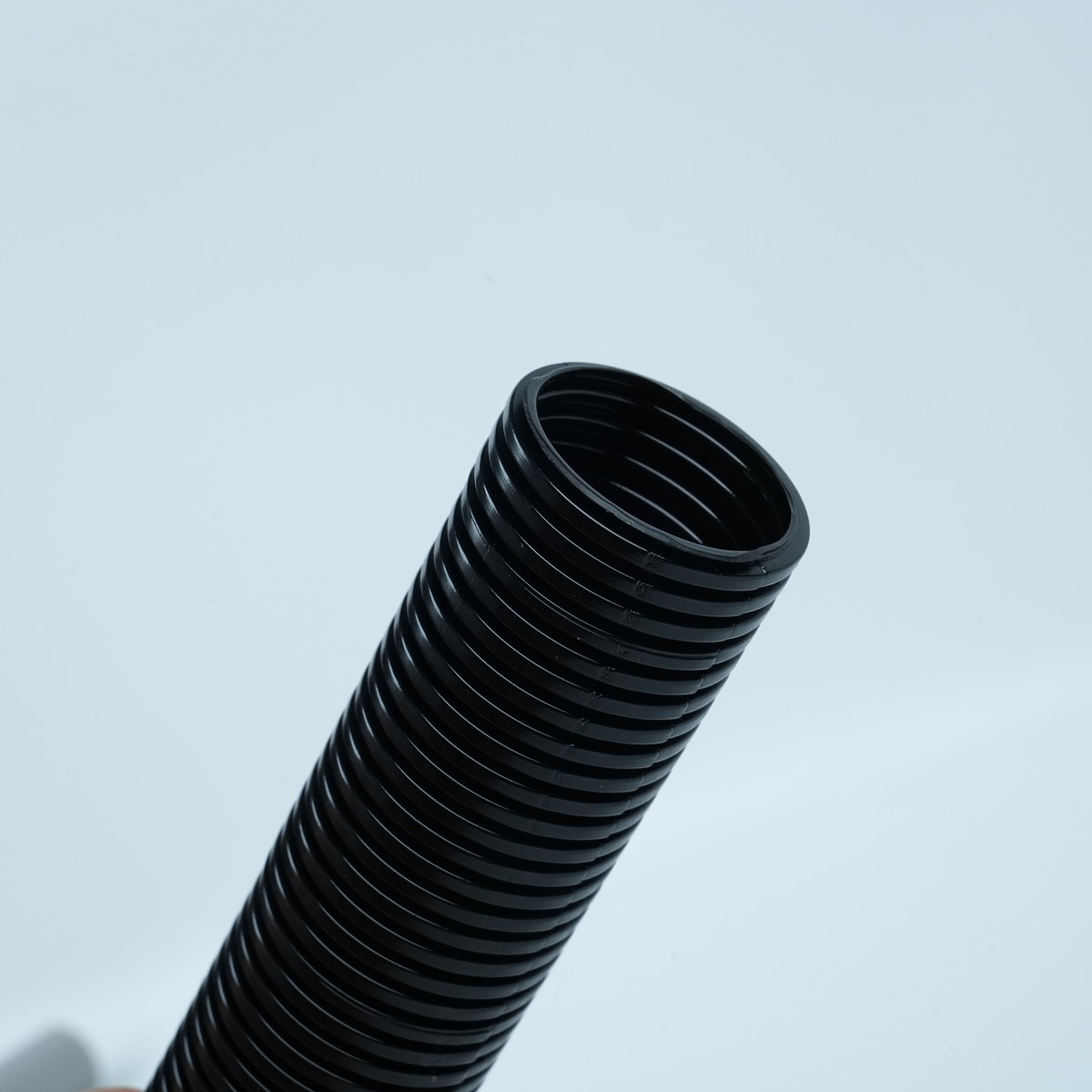
Selecting the right corrugated conduit supplier is a critical decision for any B2B project manager handling automotive harness systems, cable routing infrastructure, or protective tubing installations. Your supplier choice directly affects product quality, project timelines, regulatory compliance, and long-term operational reliability. A dependable supplier ensures consistent material specifications, on-time delivery, technical support, and the flexibility to scale with your production demands. This decision requires careful evaluation of technical capabilities, quality certifications, pricing transparency, and proven track record across industrial applications.
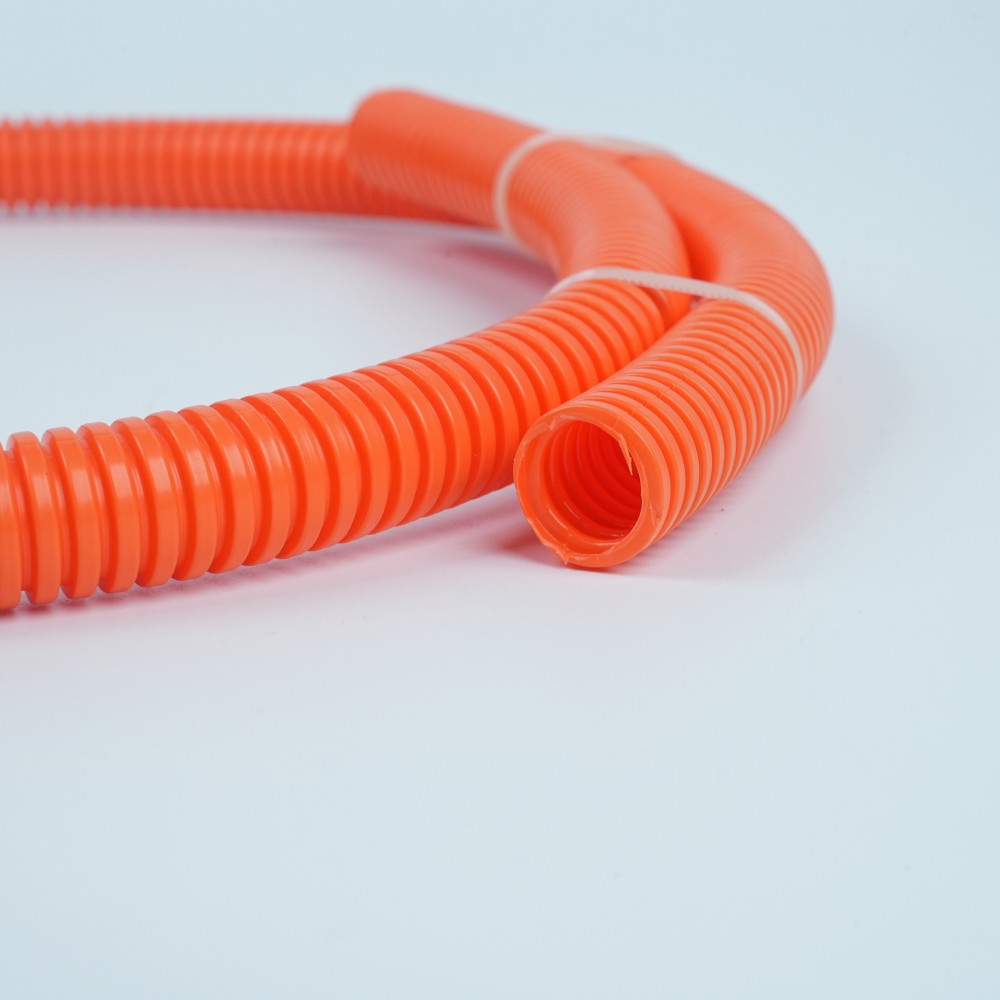
In competitive B2B markets, the quality of your corrugated tubing directly influences product performance and customer satisfaction. Unreliable suppliers introduce supply chain risk, inconsistent material properties, and potential compliance failures that can derail projects and damage your reputation. This guide walks you through the essential criteria for identifying a reliable corrugated conduit supplier, ensuring your cable routing and automotive harness projects meet specification requirements and business objectives.
Technical Specifications and Material Certification
Understanding Material Standards and Performance Requirements
A reliable corrugated conduit supplier must demonstrate mastery of material composition, durability ratings, and industry standards. Your cable routing application requires specific flame-retardant properties, temperature tolerances, chemical resistance, and mechanical strength. Request detailed technical datasheets that specify polymer grade, UL ratings, VDE compliance, and automotive industry standards such as ISO 6722 or AEC-Q100. A supplier who can articulate these specifications confidently and provide third-party test reports shows deeper technical commitment. Verify that their corrugated tubing meets or exceeds your project requirements, particularly for harsh environments, high-temperature zones, or chemical exposure scenarios.
Quality Assurance and Certification Programs
Leading corrugated conduit suppliers maintain ISO 9001 certification, TS16949 automotive quality standards, and comprehensive testing protocols. These certifications demonstrate systematic quality control, traceability, and continuous improvement disciplines. Ask for evidence of internal testing facilities, third-party audits, and failure mode analysis programs. A reliable supplier tracks material batches, maintains compliance documentation, and can provide certificates of conformance for every shipment. This level of rigor protects your automotive harness projects and ensures consistent corrugated tubing performance across production runs and delivery cycles.
Reliability Factors in Supply Chain Management
On-Time Delivery and Inventory Management
Supply chain predictability is fundamental to project success in cable routing environments. Evaluate your potential corrugated conduit supplier's inventory levels, manufacturing capacity, and lead time commitments. A reliable supplier maintains strategic stock of popular corrugated tubing sizes and specifications, reducing your procurement cycle time. They should offer transparent forecasting, flexible order quantities, and documented delivery performance metrics. Ask for historical on-time delivery rates, response times to rush orders, and backup production capacity during peak demand. Suppliers with multiple production facilities or regional warehouses typically provide better supply security for automotive harness manufacturers.
Communication and Technical Support
Exceptional corrugated conduit suppliers offer dedicated technical support, application engineering, and responsive customer communication. Your team should have direct access to product specialists who understand cable routing challenges, material selection for automotive harness systems, and custom corrugated tubing configurations. Reliable suppliers proactively address quality concerns, investigate customer issues, and implement corrective actions without lengthy delays. They provide technical documentation, installation guidance, and troubleshooting resources. Request references from existing B2B clients to verify responsiveness and problem-resolution capabilities in real-world project scenarios.
Cost-Value Alignment and Business Sustainability
Transparent Pricing and Volume Economics
A trustworthy corrugated conduit supplier provides clear, itemized pricing with volume discounts that reflect genuine economies of scale. Avoid suppliers who obscure costs through hidden fees or vague quotations. Request detailed pricing for different corrugated tubing configurations, length specifications, and order volumes. Reliable suppliers should explain price variations based on material grades, performance ratings, or automotive harness certifications. Negotiate long-term agreements that lock stable pricing while allowing production adjustments. Transparent cost structures and predictable pricing enable better budget forecasting for cable routing projects and protect your profit margins against unexpected supplier price increases.
Long-Term Business Viability and Partnership Stability
Assess your potential corrugated conduit supplier's financial health, market position, and commitment to innovation. A reliable supplier invests in process improvements, invests in advanced manufacturing technology, and maintains long-term customer relationships. Research their company history, industry reputation, and growth trajectory. Reliable suppliers rarely disappear or unexpectedly exit markets. They adapt to changing automotive harness standards, develop new corrugated tubing formulations, and demonstrate commitment to sustainability practices. Request information about their research and development programs, future product roadmaps, and strategic partnerships that support your long-term business needs.
FAQ
What specifications should I verify before choosing a corrugated conduit supplier?
Verify UL flame ratings, temperature operating range, chemical resistance properties, and automotive industry compliance standards such as ISO 6722 or AEC-Q100. Request material datasheets, test reports from independent laboratories, and certificates of conformance. Confirm that the corrugated tubing meets your cable routing diameter requirements, wall thickness specifications, and bend radius limitations. Ask about color-coding options, UV resistance, and flame-retardant treatment methods relevant to your automotive harness application. Reputable suppliers provide comprehensive technical documentation and can address custom specification requests.
How can I assess a corrugated conduit supplier's delivery reliability?
Request historical on-time delivery performance metrics, typical lead times, and current inventory levels for your required corrugated tubing sizes. Ask about their production capacity, backup facilities, and strategies for handling peak demand periods. Contact existing customers to verify responsiveness during rush orders and how they handle supply disruptions. Reliable suppliers maintain transparent forecasting systems, offer flexible order quantities, and provide real-time order tracking. Evaluate their geographical location and distribution network to ensure competitive shipping times for your cable routing project timeline requirements.
What questions should I ask about a corrugated conduit supplier's quality systems?
Ask about ISO 9001 and TS16949 certifications, internal testing capabilities, and third-party audit records. Request information about their material batch traceability system, failure analysis procedures, and corrective action protocols. Inquire about their automotive harness customer base and industry references. Request data on reject rates, returns, and customer complaint resolution procedures. A reliable corrugated conduit supplier maintains detailed quality documentation, performs regular equipment calibration, and can demonstrate continuous improvement through measurable metrics and customer feedback integration.
 EN