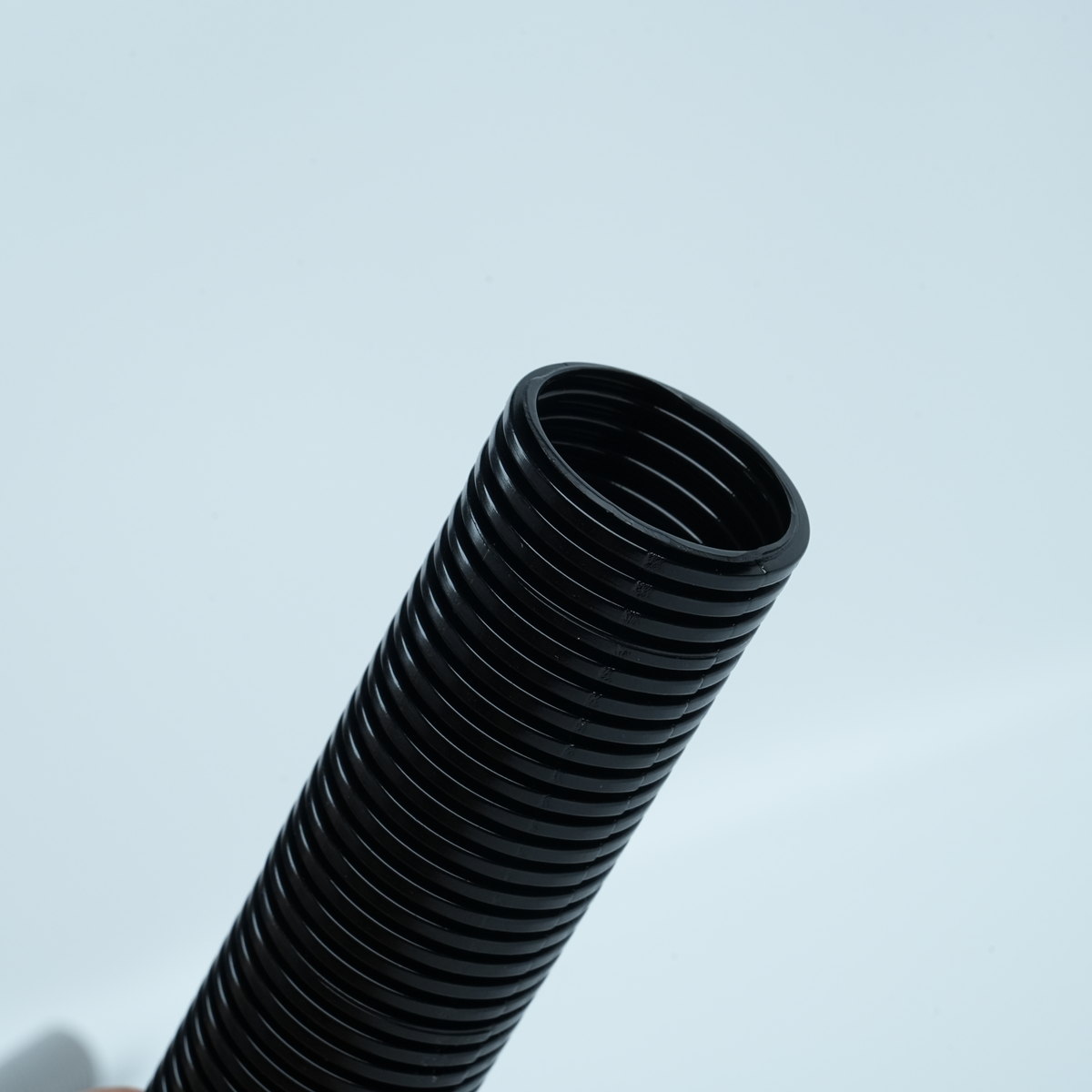
Wire loom conduit serves as a protective sleeve for electrical cables and harnesses in countless consumer electronics applications today. This flexible tubing shields vulnerable wires from physical damage, heat exposure, and environmental contamination while maintaining easy access for maintenance and repairs. Understanding what wire loom conduit is and where it appears in consumer electronics helps engineers, manufacturers, and technicians make informed decisions about cable management and system reliability.
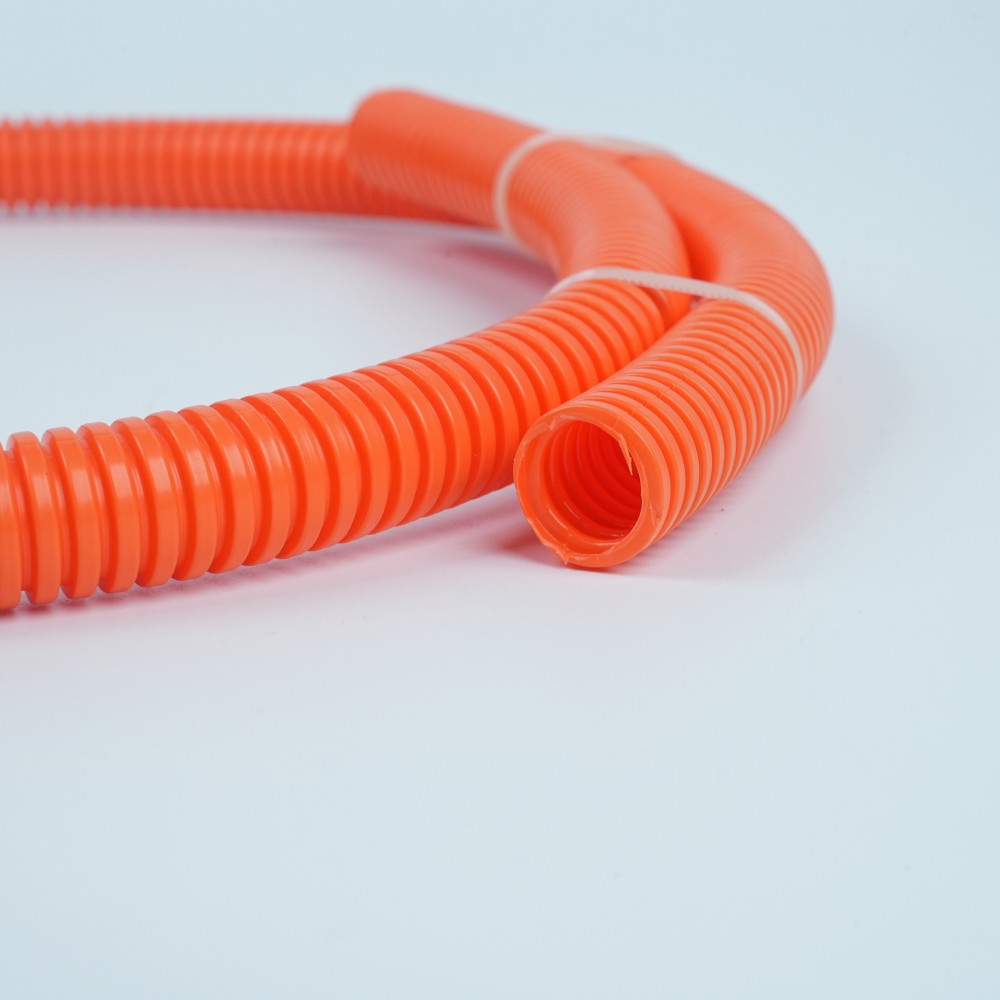
Consumer electronics depend on robust wire harness protection systems to function reliably throughout their operational lifespan. When cables run through high-temperature zones, move frequently, or face abrasion from sharp edges and mechanical stress, wire loom conduit becomes essential infrastructure. The flexibility and durability of quality conduit materials ensure that internal electrical pathways remain protected without adding excessive weight or bulk to finished devices.
Understanding Wire Loom Conduit Fundamentals
What Is Wire Loom Conduit
Wire loom conduit is a flexible, tubular sleeve manufactured from materials like nylon, polyethylene, or flame-retardant polymers that wrap around electrical cables and wire bundles. The wire loom conduit comes in various diameters and wall thicknesses to accommodate different cable configurations and protection requirements. Its corrugated or split design allows technicians to easily install it over existing harnesses without disconnecting individual wires, which streamlines assembly and repair workflows significantly. The tubing absorbs vibrations, reduces noise transmission, and prevents wires from chafing against metal chassis or sharp edges within device enclosures.
Material Composition and Properties
Most wire loom conduit products use nylon or polypropylene as their base material because these polymers offer excellent flexibility combined with inherent resistance to abrasion and many common chemicals. Flame-retardant variants meet stringent safety standards required in automotive wiring and consumer electronics where fire risk must be minimized. The corrugated or ridged exterior design provides extra flexibility and compression resistance, while the hollow interior creates minimal volume and weight overhead. Split loom conduit features a longitudinal slit that allows installation over pre-assembled cable runs without disturbing connections or terminal positions.
Wire Harness Protection Applications in Consumer Electronics
Automotive Wiring Systems
Automotive wiring represents the largest and most demanding application for wire loom conduit in consumer electronics today. Vehicle electrical harnesses experience extreme temperature swings, exposure to oils and fluids, constant vibration, and tight routing through engine compartments and chassis cavities. Automotive wiring bundles must remain organized and protected from rodent chewing, mechanical pinch points, and high-voltage arcing hazards that could compromise vehicle safety or performance. Split loom conduit installed on critical engine bay harnesses, door panel circuits, and underbody pathways ensures reliable operation across decades of service life while simplifying diagnostic access and component replacement for technicians.
Consumer Device Integration
Beyond automotive systems, wire harness protection appears throughout home appliances, computer peripherals, power distribution systems, and industrial equipment. Televisions, refrigerators, washing machines, and HVAC units all incorporate internal electrical harnesses that benefit from split loom protection against abrasion and thermal stress. Personal computers and gaming consoles use colored split loom conduit for cable management both inside chassis and in external bundled cords. The flexibility and ease of installation make conduit an economical choice for manufacturers seeking to reduce wire-related failures and warranty claims during the product lifespan.
Performance Considerations and Material Selection
Thermal and Environmental Resistance
Selecting appropriate wire loom conduit depends critically on understanding the thermal and environmental conditions within the device or vehicle. Standard nylon conduit typically handles temperatures up to 60–80 degrees Celsius, while flame-retardant variants maintain structural integrity and protective function at higher temperatures common in engine compartments or near heating elements. UV-resistant formulations prevent degradation when conduit is exposed to direct sunlight in automotive under-hood or exterior mounting scenarios. Chemical resistance becomes important in applications where wire harness protection must withstand oil spray, coolant splash, or salt-laden moisture that could compromise unprotected polymer structures over time.
Installation Flexibility and Cost Efficiency
Split loom conduit design delivers significant manufacturing and maintenance advantages compared to rigid conduit or custom-molded cable ducts. Technicians can install split loom protection over completed wire harnesses without disassembly, reducing labor time during vehicle assembly or equipment manufacturing. The modular nature of split loom allows engineers to add wire harness protection selectively to high-risk routing paths while avoiding unnecessary conduit use in low-stress cable runs. This targeted approach optimizes material costs while maintaining comprehensive protection where conditions demand it most, making split loom an economically sound choice for volume consumer electronics production.
FAQ
What materials are best for wire loom conduit in high-temperature automotive applications?
Flame-retardant nylon and polypropylene formulations specifically engineered for automotive wiring offer superior thermal stability and fire resistance compared to standard polymers. These materials maintain flexibility and structural integrity even when exposed to engine compartment temperatures, heat from adjacent components, and occasional contact with hot fluid lines. Manufacturers typically specify conduit rated for continuous operation at 80–100 degrees Celsius with brief peak tolerance up to 130 degrees Celsius for automotive engine bay environments.
Can split loom conduit be installed over existing completed wire harnesses?
Yes, split loom's longitudinal slit design enables installation over pre-assembled wire bundles without disconnecting or disturbing individual terminal connections. This ease of installation reduces manufacturing labor, simplifies field repairs, and allows retrofit protection on older devices or vehicles. Technicians simply separate the split loom opening, wrap it around the cable bundle, and secure it with cable ties or heat shrink closure strips, making it ideal for both factory assembly and field service applications.
How does wire harness protection through split loom improve consumer electronics reliability?
Wire harness protection minimizes common failure modes including abrasion-induced short circuits, vibration-induced fatigue cracking, rodent damage, and corrosion from moisture and chemical exposure. By containing wires within a protective sleeve, split loom reduces the likelihood of unintended contact with metal chassis components or adjacent electrical circuits that could cause faults. Many consumer electronics manufacturers report measurable reductions in warranty claims and field failures when critical harnesses receive proper wire loom conduit protection during design and assembly phases.
 EN