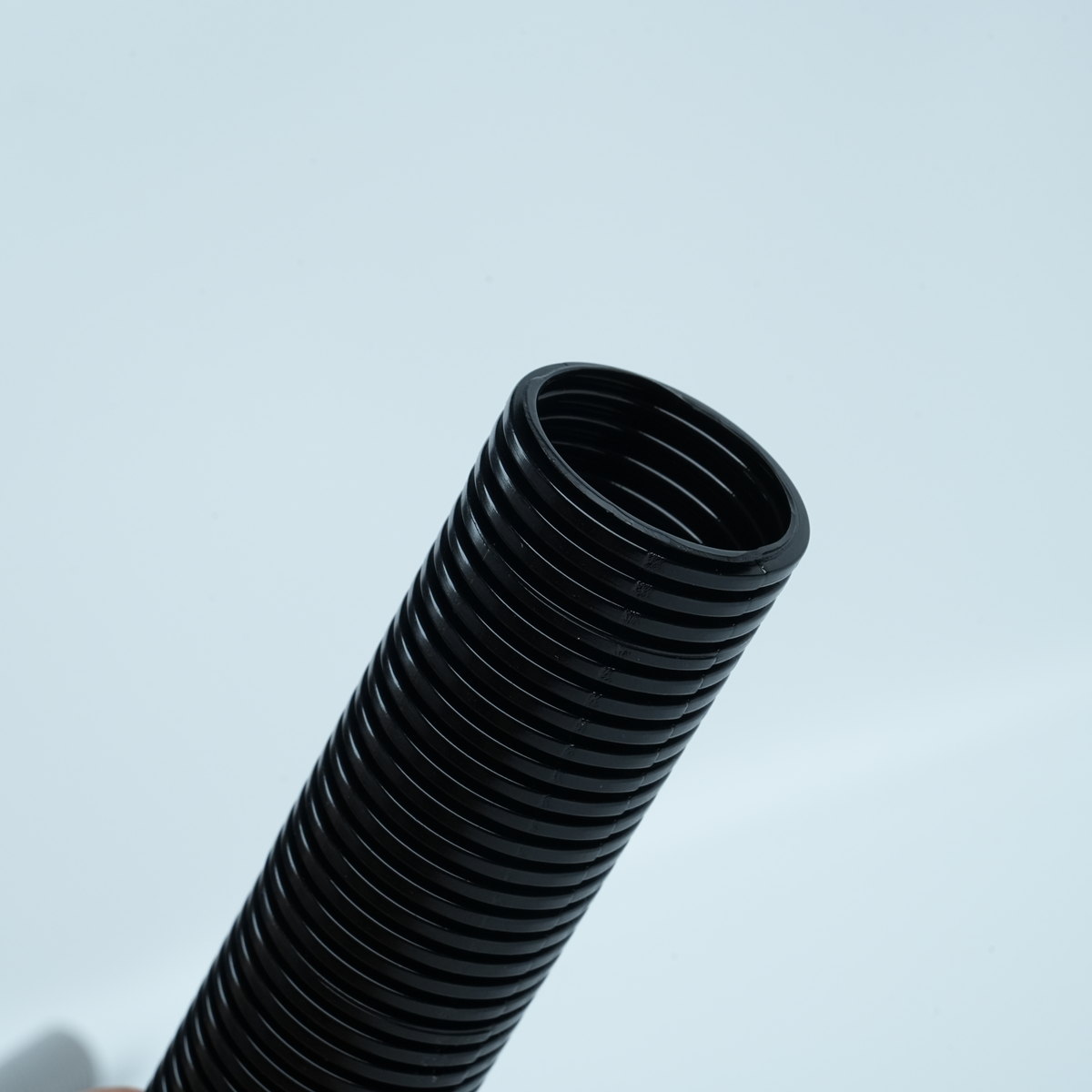
PTFE sleeving is a specialized protective tubing engineered to safeguard electrical wires and cables in demanding industrial environments. Also known as Teflon tubing, PTFE sleeving offers exceptional durability and resistance to extreme conditions that would degrade conventional cable insulation. In solar power systems, where cables are exposed to intense ultraviolet radiation, temperature fluctuations, and harsh weather, PTFE sleeving serves as a critical barrier that extends cable lifespan and ensures system reliability.
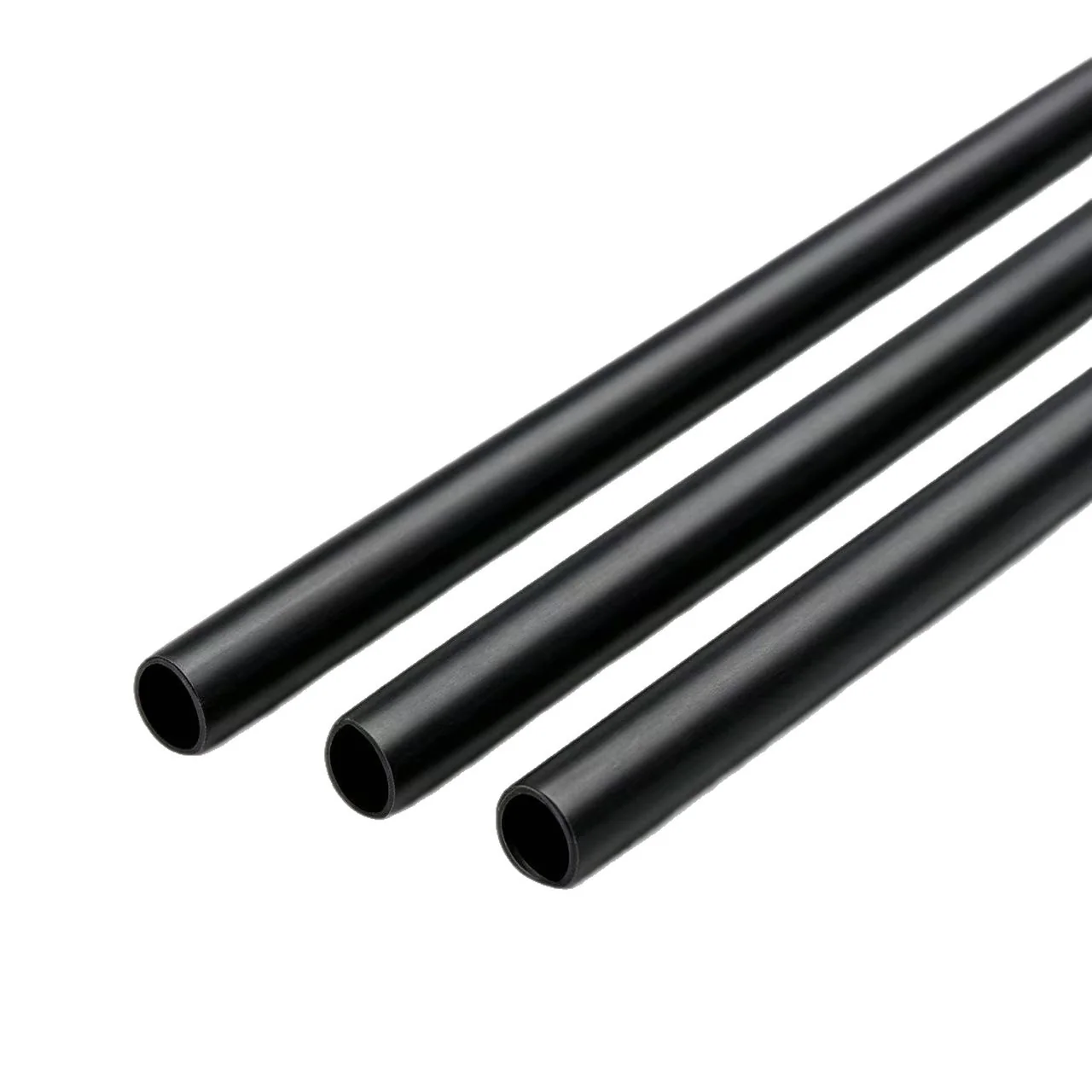
Solar cable systems require materials that can withstand prolonged outdoor exposure without degradation. PTFE sleeving provides this protection through its unique molecular structure, which resists thermal breakdown, moisture penetration, and chemical attack. The material's inherent properties make it ideal for routing and bundling solar cables in photovoltaic installations, where cable protection directly impacts energy production efficiency and system longevity.
Understanding PTFE Sleeving and Its Core Properties
What Makes PTFE an Ideal Wire Insulation Material
PTFE, or polytetrafluoroethylene, is a synthetic polymer known for its remarkable stability and inertness. Wire insulation made from PTFE tubing exhibits superior dielectric properties, meaning it resists electrical conductivity and prevents unwanted current leakage between adjacent wires. This characteristic is essential in solar installations where multiple cables run in close proximity within conduits and cable trays. The material maintains its electrical properties even when exposed to temperature extremes ranging from minus 200 degrees Celsius to 260 degrees Celsius.
Chemical Resistance and Environmental Durability
Chemical resistance is a defining feature of ptfe tubing, setting it apart from conventional plastic sleeves and rubber-based solutions. PTFE resists degradation from oils, solvents, fuels, and corrosive compounds commonly found near solar installations. In coastal installations where saltwater exposure poses a constant threat, or in agricultural settings where chemical sprays may drift onto cable systems, the chemical resistance of PTFE sleeving prevents premature failure and maintains cable integrity. This durability translates directly into reduced maintenance costs and fewer system outages.
Applications of PTFE Sleeving in Solar Cable Routing
Protecting Solar Panel Interconnect Cables
Solar panel arrays produce power through interconnected strings of photovoltaic cells, with cables routing electricity from panels to inverters and battery storage systems. These interconnect cables are exposed to intense ultraviolet radiation throughout the day, which degrades standard rubber and polyvinyl chloride insulation over time. PTFE sleeving shields these critical conductors from UV damage while maintaining wire insulation integrity. The combination of mechanical protection and chemical resistance ensures that voltage drop remains minimal and power transmission remains efficient across the solar array.
Cable Bundling and Conduit Management
Solar installations often require multiple cables to be routed together through conduits, trays, and along structural supports. Ptfe tubing serves as an effective separator and protective layer, preventing direct contact between conductors and sharp edges on mounting hardware. When cables are bundled using heat-shrinkable PTFE sleeving, the tubing conforms precisely to irregular cable shapes and provides mechanical protection against abrasion. This application is particularly valuable in roof-mounted solar systems where vibration and thermal expansion can cause cables to move and rub against adjacent surfaces.
Performance Benefits in Real-World Solar Installations
Temperature Stability and Thermal Performance
Solar installations experience significant temperature swings between day and night, and seasonal variations can add further thermal stress to cable systems. PTFE sleeving maintains its flexibility and protective properties across this entire temperature range, unlike conventional materials that become brittle in cold conditions or soften excessively in heat. The material's low coefficient of friction means that cables can slide within the tubing during thermal expansion and contraction without generating frictional heat or causing mechanical stress. Wire insulation remains consistent regardless of ambient temperature, protecting system reliability year-round.
Long-Term Reliability and Maintenance Reduction
The extended service life of PTFE sleeving translates into tangible economic benefits for solar system operators. Rather than requiring cable replacement every five to ten years, systems using PTFE tubing protection can maintain original cable integrity for fifteen to twenty years or longer. Reduced maintenance requirements mean fewer technician visits, lower labor costs, and extended periods of uninterrupted energy production. In utility-scale solar installations with thousands of cable connections, the reliability gains compound significantly across the entire system footprint.
FAQ
Can PTFE sleeving be used for high-voltage solar systems?
Yes, PTFE sleeving is suitable for high-voltage applications due to its excellent dielectric strength and electrical insulation properties. The material maintains its insulating characteristics even under elevated voltage stress, making it appropriate for megawatt-scale solar installations and utility-interconnected systems. Wire insulation provided by PTFE tubing prevents corona discharge and electrical leakage that could otherwise compromise system safety and efficiency.
How does PTFE tubing compare to rubber-based cable sleeves?
PTFE tubing offers superior longevity and chemical resistance compared to rubber or silicone-based alternatives. While rubber sleeves may be less expensive initially, their susceptibility to UV degradation, ozone cracking, and chemical attack results in shorter service life. Ptfe tubing requires no plasticizers or additives that can migrate over time, ensuring consistent material properties throughout the cable protection lifespan. The total cost of ownership heavily favors PTFE solutions in outdoor solar applications.
What sizes of PTFE sleeving are available for solar cable applications?
PTFE sleeving is manufactured in a wide range of inner diameters and wall thicknesses to accommodate various solar cable gauges and configurations. Common sizes range from small diameter tubing suitable for sensor wiring through large-diameter sleeves for bundled cable groups. Heat-shrinkable PTFE tubing options provide additional installation flexibility by conforming precisely to irregular cable profiles. Selecting the appropriate size ensures optimal mechanical protection and electrical performance for specific solar installation requirements.
 EN