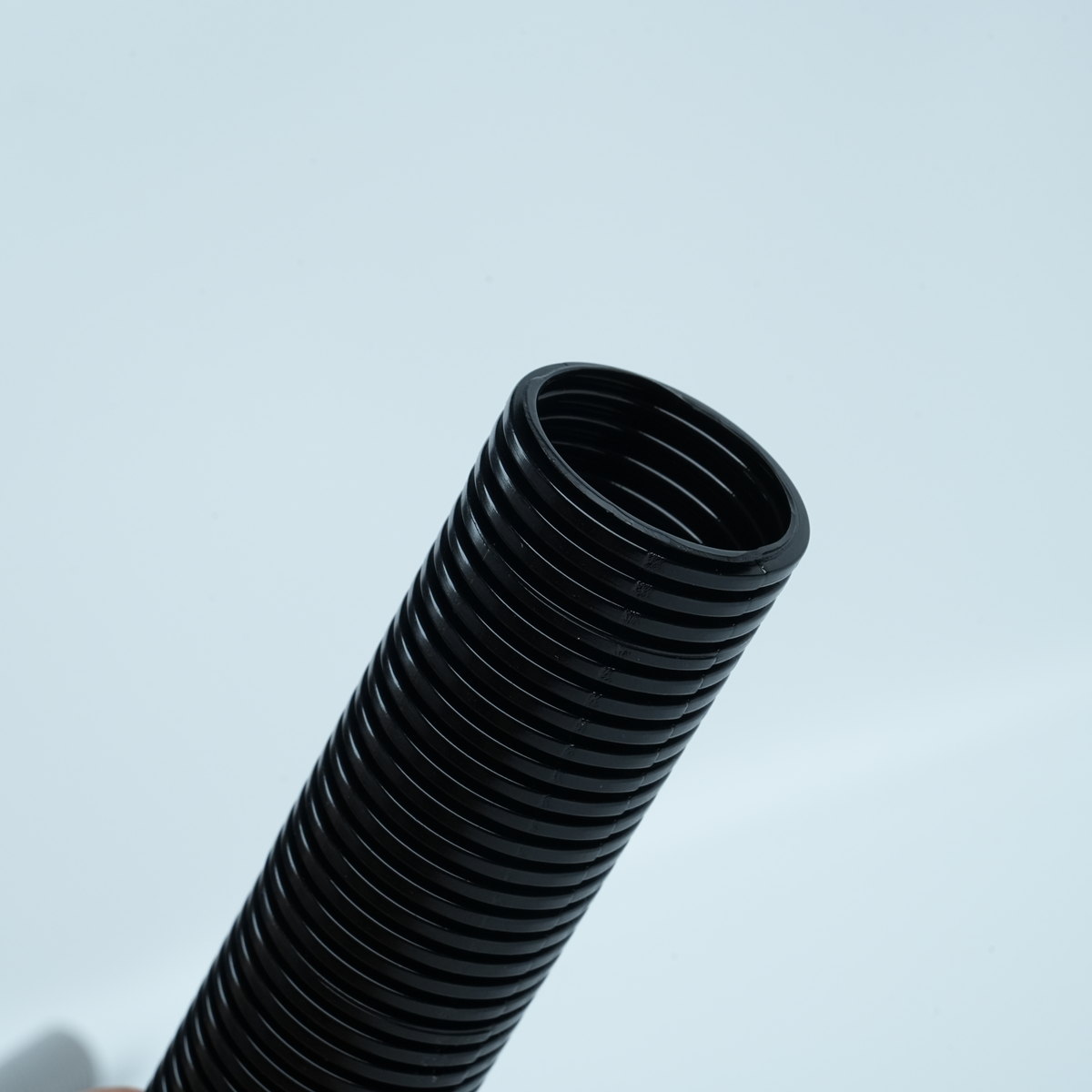
Installing wire loom conduit requires precision, planning, and the right tools to ensure reliable cable conduit protection and optimal wire harness protection throughout your assembly process. Whether you work in automotive wiring, industrial machinery, or electronic manufacturing, having access to specialized installation tools makes the difference between efficient assembly and costly rework. The tools you select directly influence installation speed, assembly quality, and the longevity of your cable protection system.
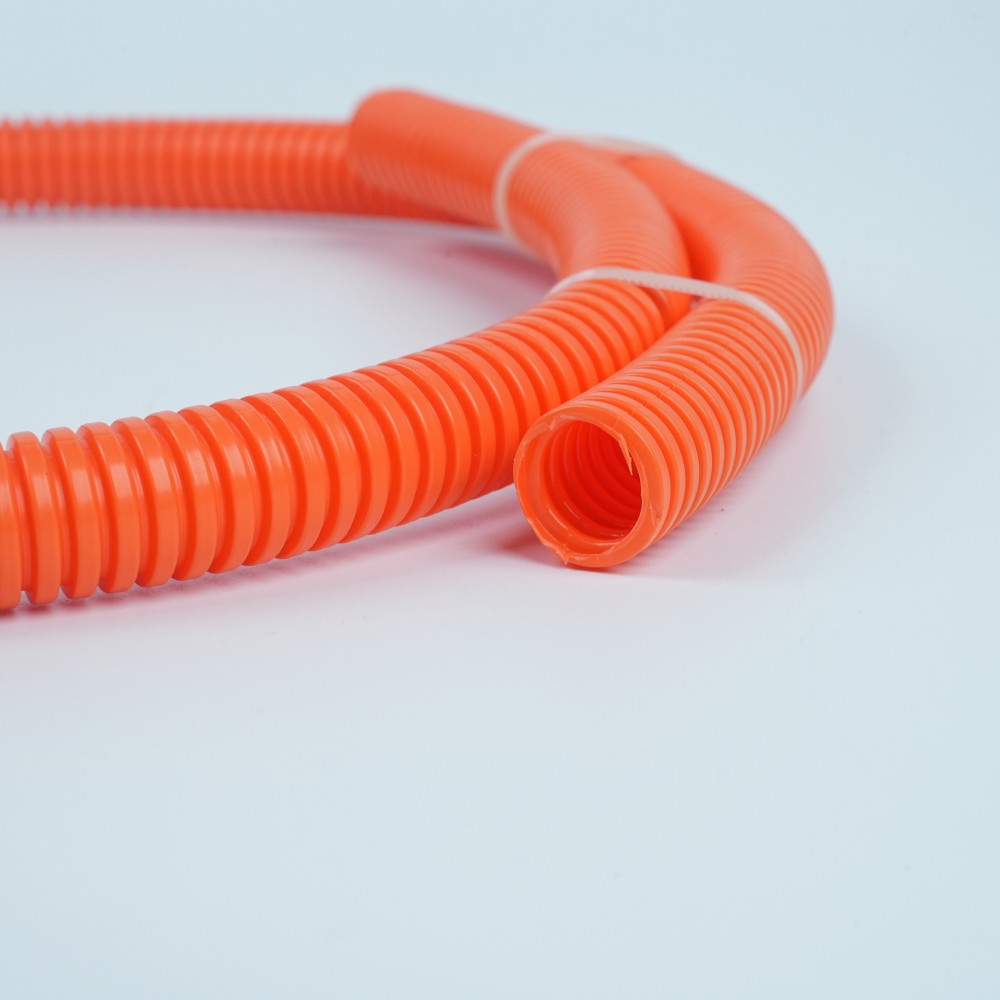
Proper cable conduit installation demands more than just cutting and sliding tubing onto wires. Technicians need cutting tools, sizing guides, routing fixtures, and finishing equipment to manage cable conduit effectively. Automotive wiring harnesses, in particular, benefit from systematic tool use because routing protection through tight engine bays and chassis requires precise measurements and controlled placement. This guide explores the essential installation tools that streamline wire loom conduit assembly and enhance wire harness protection in demanding environments.
Cutting and Measuring Tools for Cable Conduit Preparation
Precision Cutting Equipment
Cutting wire loom conduit cleanly and squarely is the foundation of professional assembly. A sharp, fine-toothed saw or a specialized cable conduit cutter prevents fraying and ensures clean edges that fit snugly into connectors and mounting brackets. Rotary cutters designed specifically for flexible tubing reduce material waste and produce perpendicular cuts faster than manual saws. For high-volume automotive wiring applications, pneumatic or electric cutters maintain consistent cut quality throughout the day without operator fatigue.
Burring tools remove sharp edges after cutting cable conduit, which protects the inner wires and prevents damage during insertion into protective sleeves or connectors. A simple deburring tool or specialized reamer smooths the internal and external edges within seconds. This step is critical for wire harness protection because sharp burrs can puncture insulation and create electrical faults or short circuits.
Measuring and Marking Devices
Accurate length measurement ensures that automotive wiring harnesses receive the exact coverage they need. Digital calipers and flexible measuring tapes allow technicians to measure complex routing paths that follow chassis contours. Marking devices such as permanent markers or chalk help identify cut points before approaching the cable conduit with cutting equipment. Pre-cut templates or gauge blocks eliminate guesswork and ensure consistency across multiple identical assemblies.
Routing and Positioning Tools for Wire Harness Protection
Conduit Guides and Routing Fixtures
Wire loom conduit must follow specific paths through vehicles or equipment without kinking or twisting. Routing fixtures and guide clamps hold cable conduit in place during installation and prevent movement during final assembly tightening. Flexible routing templates made from plastic or rubber conform to irregular surfaces and help technicians visualize where the wire loom conduit should travel. In automotive wiring environments, specialized clips and brackets secure the conduit to frame rails, firewall penetrations, and mounting points without damaging the tubing.
Tension and slack management tools ensure that cable conduit remains properly positioned during operation without excessive strain. Adjustable clamps allow technicians to apply consistent pressure across different conduit diameters while protecting the internal wire harness from abrasion. These positioning tools reduce assembly errors and extend the service life of the entire automotive wiring system.
Insertion and Threading Equipment
Threading wire bundles through existing cable conduit can challenge technicians, especially with long runs or tight spaces. Fish tape or flexible insertion guides help push wire harness components through the wire loom conduit without snagging or damaging insulation. Lubricants specifically designed for conduit work reduce friction and speed the insertion process. Graduated cone guides facilitate smooth entry of wire bundles into the conduit opening without creating sharp bends that compromise wire harness protection.
Sealing and Finishing Tools for Cable Conduit Security
Connector and Coupling Tools
Proper connection of wire loom conduit segments ensures continuous cable conduit protection along the entire cable run. Coupling tools help align and secure conduit segments tightly, preventing gaps where moisture or contaminants could enter. Crimping tools designed for conduit crimp ferrules create permanent, reliable connections between cable conduit sections. Thread sealants and protective caps ensure that terminal points remain sealed against environmental exposure in automotive wiring installations.
Sealing and Labeling Equipment
End caps and sealing tools protect the wire harness from moisture ingress at open conduit terminations. Shrink tubing applied over connections adds an additional layer of wire harness protection against chemicals and thermal cycling. Color-coded labels and marking sleeves help technicians and maintenance personnel identify the contents and purpose of each cable conduit run in complex automotive wiring systems. These finishing touches ensure long-term reliability and simplify future service and repair work.
FAQ
What makes specialized tools essential for wire loom conduit installation?
Specialized tools ensure precision cutting, proper alignment, and secure positioning of cable conduit, which directly impacts wire harness protection. Generic cutting or routing approaches often result in damaged insulation, misaligned segments, and premature failure in automotive wiring systems. Professional-grade tools reduce installation time, minimize rework, and deliver consistent quality across high-volume production.
How does proper tool selection improve cable conduit protection?
The right tools prevent physical damage to the conduit and internal wires during every stage of assembly, from cutting through final sealing. Precision cutting reduces burrs that puncture insulation, routing fixtures prevent kinking and abrasion, and sealing equipment protects against moisture and contaminants. Each tool category contributes a distinct function to comprehensive wire harness protection in demanding automotive wiring environments.
Are professional installation tools worth the investment for smaller automotive wiring projects?
Even small-scale automotive wiring projects benefit from quality tools because proper cable conduit installation ensures safety and reliability regardless of project size. Basic tool sets covering cutting, measuring, routing, and sealing are affordable and deliver substantial returns by reducing assembly errors and extending system lifespan. Professional tools also simplify future maintenance and troubleshooting by maintaining consistent installation standards.
 EN