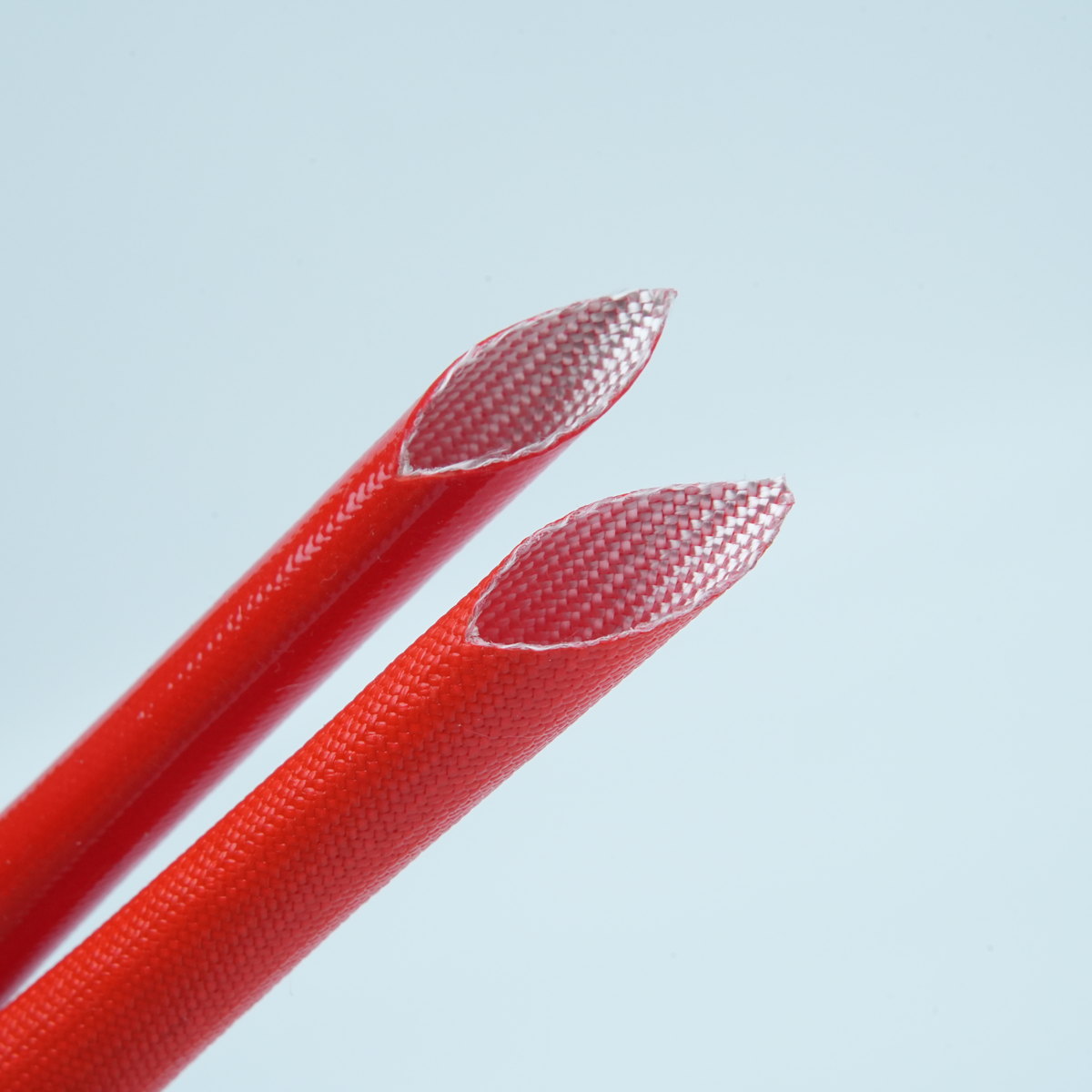
Engineers designing compact electrical assemblies face a critical challenge: protecting delicate wiring and components in confined spaces while maintaining thermal safety and mechanical durability. This is where fiberglass sleeving becomes essential. Unlike standard cable sleeving materials, fiberglass sleeving offers superior heat resistance and mechanical protection without consuming excessive space, making it the preferred choice for high-performance compact applications where failure tolerance is minimal and thermal demands are substantial.
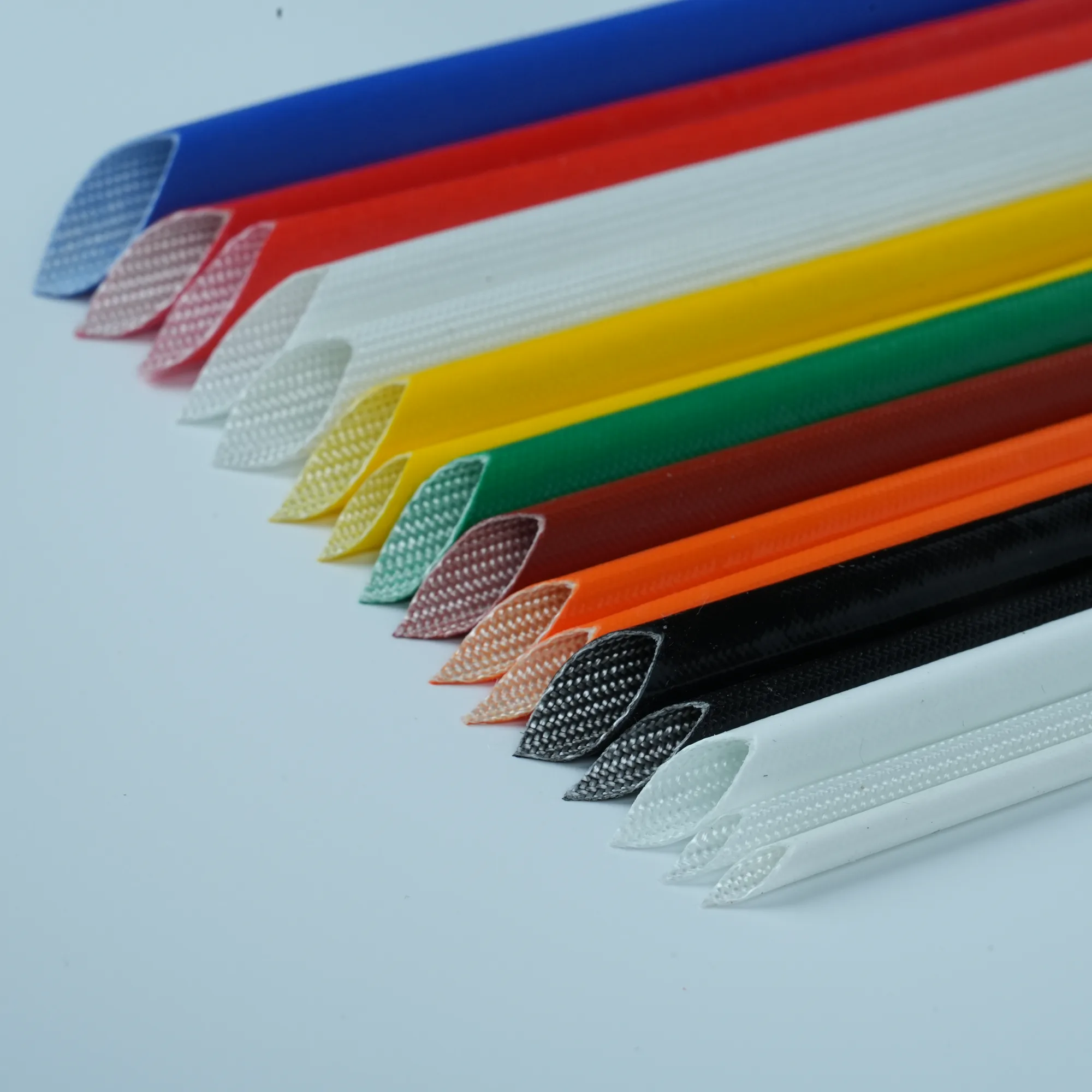
Compact assemblies in automotive wiring systems, industrial control panels, and aerospace applications demand materials that perform under extreme conditions. Fiberglass sleeving delivers this performance through its woven glass fiber construction, which resists abrasion, flame, and thermal degradation far better than conventional polymers. Engineers must understand not just the material properties but also how fiberglass sleeving integrates into design workflows, solves real field problems, and meets regulatory compliance requirements in space-constrained environments.
Understanding Fiberglass Sleeving Composition and Performance
Material Structure and Thermal Properties
Fiberglass sleeving consists of continuous glass fiber filaments woven into a tubular braid, often combined with a resin matrix or silicone outer coating for enhanced performance. This construction delivers exceptional heat resistance, typically maintaining mechanical strength at temperatures between 200°C and 400°C, depending on the specific formulation. The woven structure provides uniform coverage and flexibility, which is critical in compact assemblies where rigid materials would fail due to vibration or thermal cycling stress. Heat resistance remains the primary performance advantage over standard cable sleeving, allowing engineers to route wiring near engine components, power electronics, and heat-generating devices without additional thermal barriers.
Mechanical Protection in Confined Spaces
Compact assemblies often feature tight bend radii and closely packed component arrangements that stress cable insulation continuously. Fiberglass sleeving's external surface resists puncture, abrasion, and crushing forces that would compromise traditional polymer cable sleeving. The material maintains its protective properties across multiple thermal cycles, which is essential in automotive wiring applications where engines experience rapid temperature swings. Engineers appreciate that this sleeving type adds minimal bulk compared to alternative protection methods, preserving the space efficiency that drives compact design choices in the first place.
Application Scenarios for Automotive Wiring and Compact Systems
Automotive Wiring and Engine Bay Protection
The automotive industry relies heavily on fiberglass sleeving for under-hood wiring harnesses where heat resistance and durability are non-negotiable. Engine bay temperatures regularly exceed 120°C, and transient spikes can reach 180°C or higher near exhaust manifolds or radiator hoses. Automotive wiring routed through these zones requires cable sleeving that won't degrade, soften, or lose insulating properties. Fiberglass sleeving maintains its structural integrity and electrical isolation across these temperature ranges, significantly extending harness lifespan and reducing field failure rates. Many manufacturers now specify fiberglass sleeving as standard in critical circuits where traditional PVC or polyethylene cable sleeving proved inadequate.
Compact Industrial Control and High-Power Applications
Industrial control cabinets and power distribution systems frequently operate in high-temperature environments where equipment density intensifies thermal stress on internal wiring. Fiberglass sleeving protects signal and power conductors in these compact spaces, preventing cross-circuit faults and maintaining safety margins during fault conditions. The material also resists oil, coolant, and chemical exposure common in manufacturing environments, further enhancing its value in compact assembly scenarios. Engineers designing modular industrial equipment rely on fiberglass sleeving to standardize protection across multiple product lines, reducing qualification testing time and manufacturing complexity.
Selection Criteria and Integration into Design Workflows
Thermal Rating Alignment and Safety Margins
Selecting the correct heat resistance grade of fiberglass sleeving requires careful thermal analysis of the assembly environment. Engineers must map sustained and transient temperature profiles along the routing path, then choose fiberglass sleeving rated at least 50°C above the anticipated peak temperature to ensure safety margins and account for degradation over the product's service life. This calculation is especially critical in compact assemblies where airflow is restricted and components operate closer to their thermal limits. Heat resistance specifications should be cross-referenced with regulatory standards applicable to the end application, whether automotive, aerospace, or industrial sectors.
Installation Practices and Cost Considerations
Fiberglass sleeving integrates into assembly workflows similarly to conventional cable sleeving, with standard tools and installation techniques. However, the material requires careful handling to prevent glass fiber slivers during cutting and installation. Cost per unit length typically exceeds standard plastic cable sleeving by 30% to 50%, but this premium is justified in applications where thermal performance and longevity prevent costly field failures. Engineers should evaluate total cost of ownership, including field service expenses, warranty claims, and reputation risk, rather than focusing solely on material acquisition cost. In automotive wiring applications, the thermal and durability advantages typically recover the material cost within the first product generation through reduced warranty exposure.
Regulatory Compliance and Performance Validation
Industry Standards and Certification Requirements
Fiberglass sleeving used in automotive applications must meet or exceed standards such as UL 1441, IEC 811-1-2, and automotive OEM specifications like Ford, GM, or VW material requirements. These standards define thermal performance, mechanical properties, flammability resistance, and chemical compatibility across specified temperature ranges. Engineers must verify that selected fiberglass sleeving products carry appropriate certifications and test reports before design release. Aerospace applications add additional complexity, often requiring AS9100 certification and traceability documentation for components in safety-critical circuits.
Testing and Qualification for Compact Assembly Reliability
Final assembly validation typically includes thermal cycling tests, mechanical abrasion resistance tests, and electrical isolation verification to confirm that fiberglass sleeving maintains performance in the specific compact assembly environment. Accelerated aging tests under elevated temperature and humidity conditions predict long-term durability and identify potential weaknesses before production release. Engineers should document thermal profiles and sleeving performance expectations in design specifications, then reference these in manufacturing and quality inspection procedures. This discipline ensures consistency across production runs and provides evidence of due diligence if field issues arise despite proper material selection.
FAQ
What temperature range does fiberglass sleeving actually withstand?
Fiberglass sleeving typically maintains full performance between continuous operating temperatures of 200°C to 250°C, with some formulations reaching 400°C for brief transient exposures. However, the exact rating depends on the resin system and outer coating used. Always verify specific product datasheets and test reports, as heat resistance varies among manufacturers. For compact assemblies, select products rated at least 50°C above your anticipated peak temperature to ensure adequate safety margin across the component's service life.
How does fiberglass sleeving compare to standard cable sleeving for cost and performance?
Fiberglass sleeving costs 30% to 50% more than conventional PVC or polyethylene cable sleeving but offers dramatically superior heat resistance and longevity in demanding environments. In applications where thermal protection is critical, such as automotive wiring or industrial high-temperature circuits, the material cost premium is quickly offset by reduced field failure rates and warranty expenses. Engineers must evaluate total cost of ownership including installation labor, reliability, and business reputation rather than comparing acquisition price alone.
Can fiberglass sleeving be used in all compact assembly applications?
While fiberglass sleeving works well in most high-temperature and mechanically demanding applications, it is not universally necessary for all compact assemblies. Low-temperature environments, low-stress routing paths, and applications with generous space allowances may not justify the material cost. Evaluate actual thermal profiles, mechanical stress, regulatory requirements, and reliability targets specific to your compact assembly before selecting fiberglass sleeving. When thermal demands exceed 120°C sustained or mechanical protection is critical, fiberglass sleeving typically becomes the superior choice.
 EN