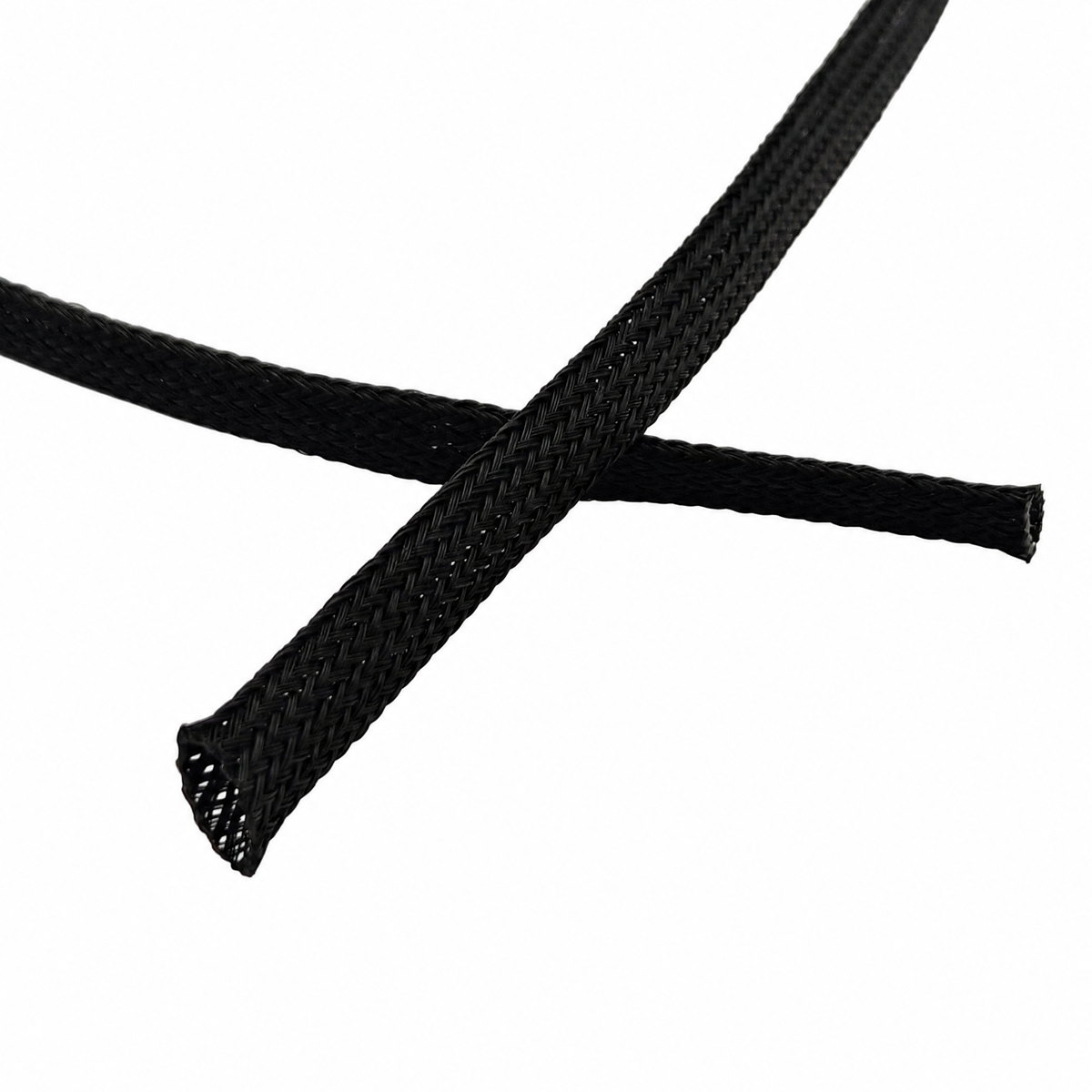
In modern manufacturing and electronics assembly, space constraints demand innovative engineering solutions. Compact assemblies require protective systems that do not compromise on durability, flexibility, or functionality. One critical component that engineers frequently overlook is expandable sleeving, a versatile material that addresses multiple challenges in confined environments. Understanding how expandable sleeving integrates into your design can significantly improve product reliability, reduce assembly time, and enhance overall system performance.
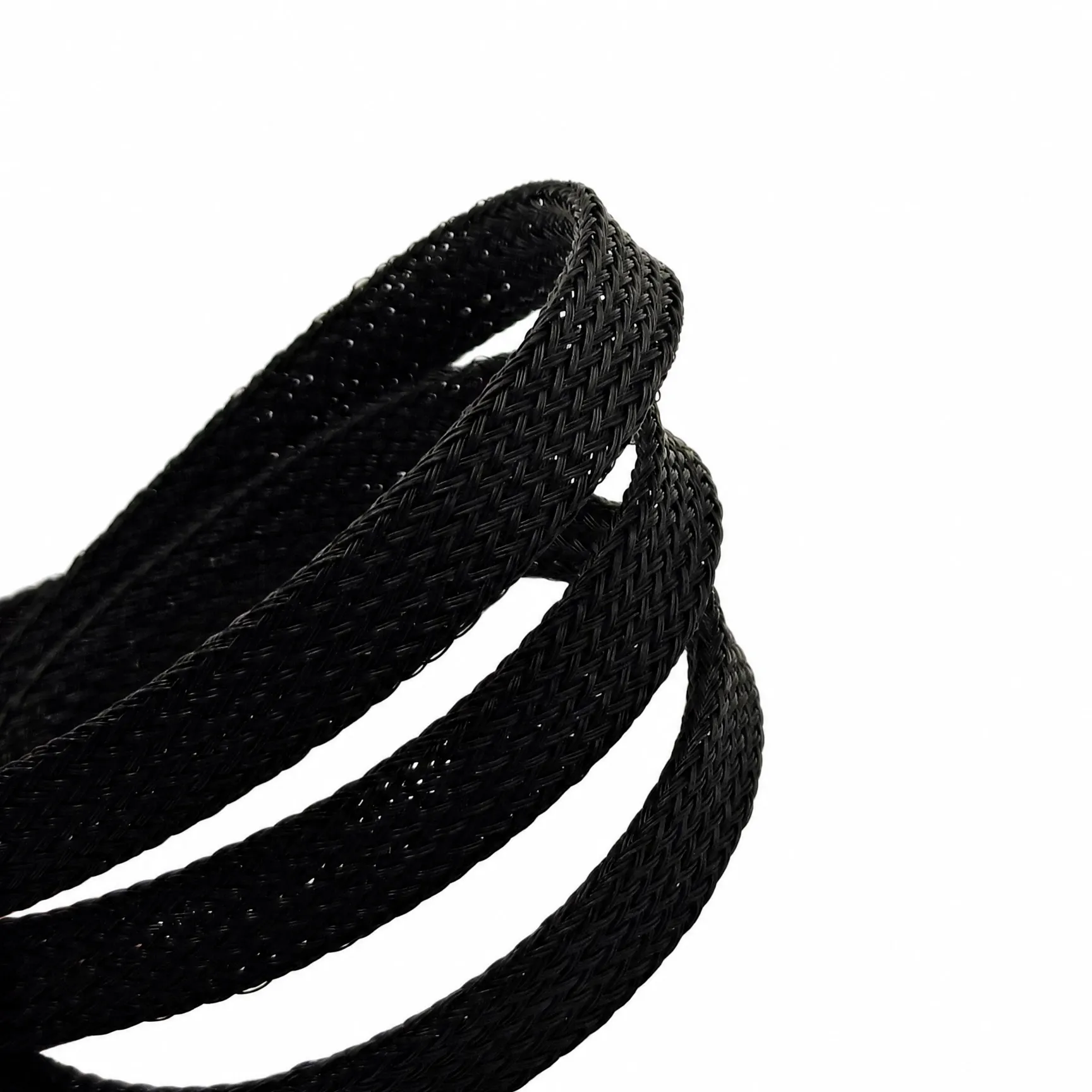
The engineering benefits of expandable sleeving extend far beyond basic insulation. This material provides comprehensive wire protection while accommodating bundle expansion as components and conductors increase in density. Whether you are designing industrial control systems, medical devices, or consumer electronics, expandable sleeving offers the flexibility and protection your compact assemblies demand. Engineers who master its properties gain a competitive advantage in meeting both performance and regulatory standards.
Core Properties and Material Composition
Understanding Expandable Sleeving Structure
Expandable sleeving is manufactured through a braided weaving process that creates a tubelike structure with inherent elasticity. The braided sleeving design allows the material to expand radially without external expansion mechanisms, accommodating wires and cables of varying diameters. This expandable nature makes it ideal for assemblies where space is limited but component sizes may vary during manufacturing or across product variants. The material typically consists of polyester, nylon, or polypropylene fibers woven in a helical pattern, which provides both mechanical strength and thermal stability.
Performance Under Industrial Conditions
Wire protection requirements extend beyond simple insulation. Expandable sleeving must withstand abrasion, chemical exposure, and thermal stress while maintaining its protective qualities. Braided sleeving used in industrial environments resists cuts and punctures better than solid alternatives, thanks to its woven structure. The air gaps within the braid allow for improved heat dissipation, reducing the risk of thermal degradation around conductor bundles. Engineers selecting expandable sleeving for compact assemblies should evaluate the material's flame rating, dielectric strength, and resistance to oils and solvents specific to their application.
Integration Into Compact Assembly Design
Space Optimization Through Bundle Expansion
Compact assemblies often struggle with wire routing and organization. Bundle expansion using expandable sleeving allows engineers to consolidate multiple conductors into a single organized conduit without the rigid footprint of traditional tubing. This approach saves valuable board space and improves manufacturing efficiency by simplifying wire harness assembly. The sleeving's ability to expand accommodates additional wires without complete harness redesign, providing flexibility for product iterations and variant configurations. When bundle expansion becomes a design requirement, braided sleeving delivers superior performance compared to fixed-diameter conduit options.
Installation and Assembly Integration
One practical advantage engineers appreciate is how expandable sleeving simplifies assembly workflows. Unlike rigid conduits requiring precise pre-measurement, the sleeving can be threaded over conductor bundles without disassembly of surrounding components. Wire protection becomes faster and more reliable when workers can slide expandable sleeving into place and secure it with simple tie-offs or adhesive backing. This streamlined installation reduces labor costs and minimizes the risk of wire damage during assembly. For compact assemblies with restricted access, the ability to pre-install sleeving before final component placement substantially reduces production time.
Performance Advantages in High-Density Environments
Thermal Management and Dielectric Properties
High-density assemblies generate significant heat that must dissipate efficiently to prevent component failure. Expandable sleeving provides superior thermal management compared to solid alternatives because the braided structure maintains airflow around conductors. This ventilation is particularly critical in compact assemblies where cooling channels are limited. Additionally, braided sleeving maintains consistent dielectric strength across the temperature range typical of industrial operations, protecting both primary conductors and adjacent components. Wire protection through proper dielectric specification prevents unintended electrical coupling that could compromise signal integrity in sensitive applications.
Long-Term Durability and Maintenance
Expandable sleeving designed for compact assemblies must perform over the equipment's full operational lifetime. The braided structure resists fraying and degradation better than knitted or spiral-wound alternatives, particularly when subjected to mechanical flexing during assembly, installation, or field service. Quality wire protection through proper material selection ensures the sleeving does not harden, shrink, or become brittle as the assembly ages. Engineers should specify expandable sleeving materials with proven resistance to the specific environmental stressors their equipment will encounter, whether extreme temperatures, UV exposure, chemical vapors, or repeated thermal cycling.
FAQ
Can expandable sleeving be used in high-temperature applications?
Yes, expandable sleeving is available in materials rated for temperatures well above standard industrial conditions. Polyimide and silicone-based formulations provide continuous temperature ratings up to 200 degrees Celsius or higher. When selecting wire protection for high-temperature compact assemblies, specify the material grade matching your maximum sustained and peak temperature requirements, then verify the sleeving maintains its physical properties at those extremes. Performance testing and certification documentation from the manufacturer should confirm suitability for your specific thermal profile.
How does braided sleeving compare to spiral-wound alternatives?
Braided sleeving offers superior abrasion resistance, better thermal performance, and more consistent protection than spiral-wound designs. The interlocking braid structure provides redundant coverage, so damage to one strand does not compromise the overall protective function. Spiral-wound alternatives may cost less initially, but braided sleeving delivers better bundle expansion characteristics and longer service life in demanding environments. For compact assemblies where maintenance is difficult and downtime is costly, the investment in quality braided sleeving typically outweighs the material cost difference through improved reliability.
What factors should determine expandable sleeving selection for a specific assembly?
Selection requires evaluating wire diameter range, temperature extremes, chemical exposure, flame rating requirements, and space constraints within the compact assembly. Begin by identifying the maximum and minimum conductor bundle diameters to ensure the sleeving's expansion range accommodates your application. Next, confirm the material grade meets flammability standards and environmental durability requirements. Finally, consider installation accessibility and whether the sleeving will remain stationary or flex during operation. Consulting the manufacturer's technical data sheet and conducting prototype validation testing ensures your expandable sleeving choice delivers reliable wire protection throughout the product's lifetime.
 EN