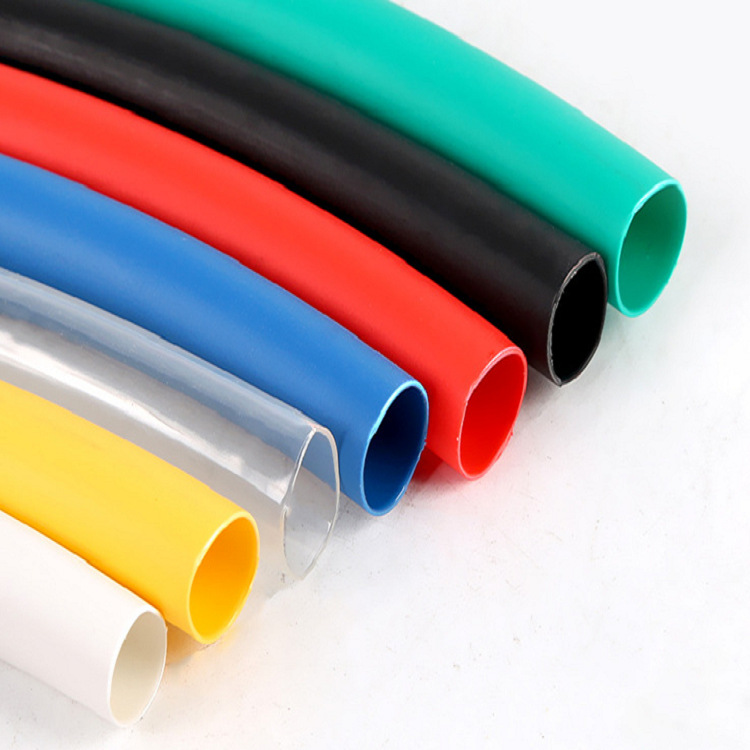
Understanding the cost structure of heat shrinkable tube in bulk projects requires insight into multiple interconnected factors that influence pricing at scale. When procurement teams evaluate heat shrinkable tube for large-scale industrial wiring applications, they often encounter price variations that seem unexplained. The truth is that several key variables—material composition, tube specifications, order volume, and market conditions—work together to determine the final cost per unit. This guide explores the primary drivers behind heat shrinkable tube pricing so you can make informed purchasing decisions for your bulk projects.
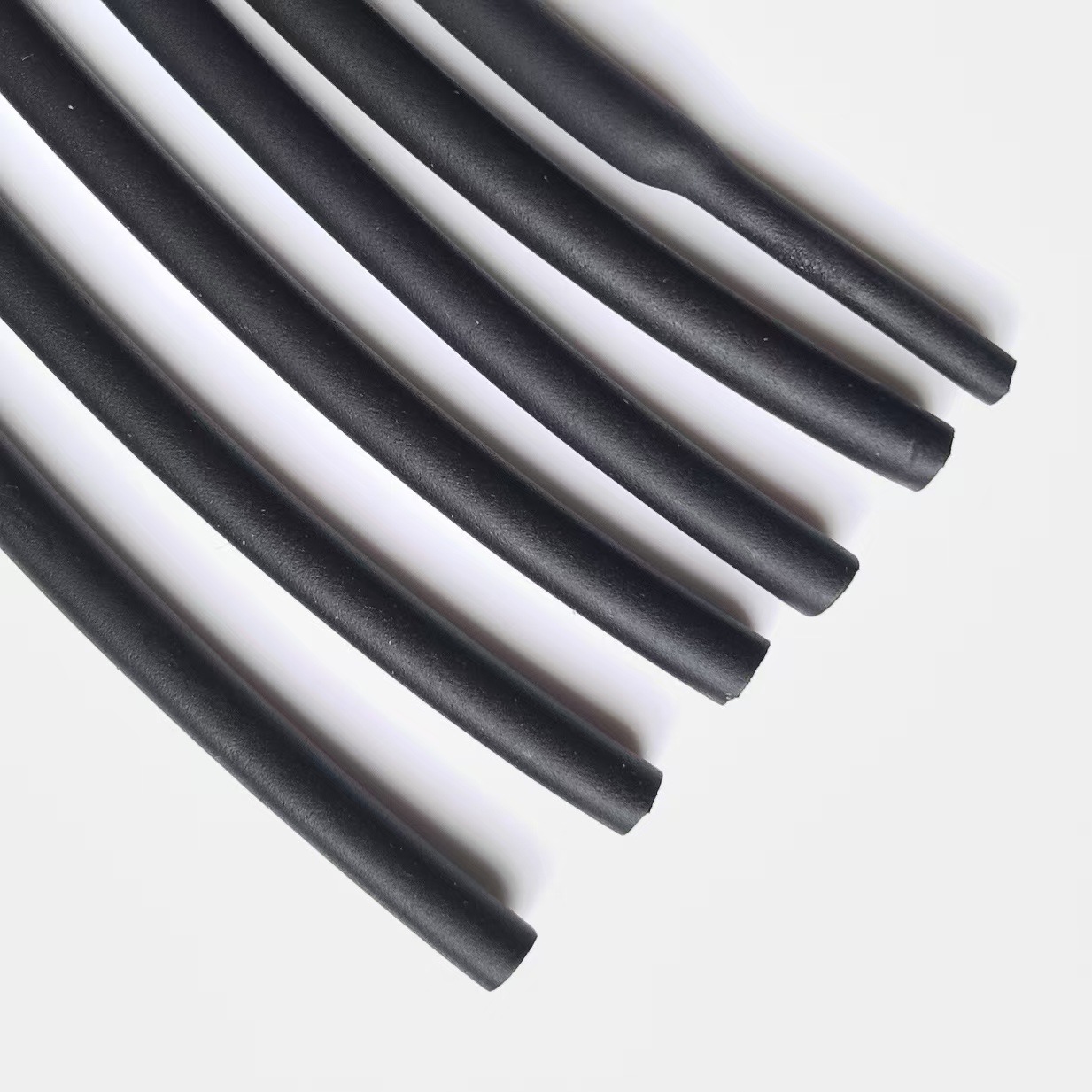
Bulk purchasing offers economies of scale, but the relationship between volume and cost savings is not always linear. Different suppliers structure their pricing models differently, and the type of heat shrink tubing you select dramatically impacts your total investment. Whether you need standard polyolefin tubing or specialized dual wall varieties with adhesive linings, each choice introduces cost implications that extend beyond the simple per-unit price.
Material Composition and Specification Variables
Polyolefin versus Advanced Materials
The base material of your heat shrinkable tube forms the foundation of its cost structure. Standard polyolefin heat shrink tubing remains the most economical option because the manufacturing process is well-established and material sourcing is straightforward. When you specify industrial wiring applications requiring higher performance characteristics, however, costs increase substantially. Fluoropolymer-based tubes, silicone variants, and specially formulated compounds all command premium pricing due to raw material expenses and production complexity.
Dual wall heat shrinkable tube represents a significant specification upgrade that directly impacts bulk pricing. The dual wall construction combines an outer polyolefin layer with an inner adhesive or sealant layer, creating superior moisture resistance and environmental sealing properties. This added layer requires additional manufacturing steps, quality control checkpoints, and material costs. For industrial wiring projects where environmental protection is critical, the dual wall investment often proves justified, but buyers must understand this specification choice drives measurable cost increases even in bulk quantities.
Shrink Ratios and Wall Thickness
Shrink ratio specifications—typically ranging from 2:1 to 4:1—influence both material usage and production efficiency. A 2:1 shrink ratio heat shrinkable tube requires less material per unit length compared to higher ratios, resulting in lower raw material costs. Conversely, a 4:1 ratio heat shrink tubing needs thicker initial tube stock, more material per foot, and longer processing times during manufacturing. When calculating bulk costs, higher shrink ratios consistently show increased per-unit pricing because the material investment is simply greater.
Wall thickness operates as a companion variable to shrink ratio. Thicker-walled heat shrinkable tube provides enhanced mechanical protection and better handles extreme temperatures or chemical exposure common in industrial wiring installations. Thinner walls reduce material cost but compromise durability in harsh environments. Your bulk project specifications must balance performance requirements against cost constraints, recognizing that thicker, higher-shrink-ratio options always carry premium pricing regardless of order volume.
Volume Economics and Supplier Pricing Structures
Tiered Pricing and Minimum Order Quantities
Bulk purchasing generates cost savings, but the mechanics of volume discounting vary significantly among suppliers. Most manufacturers of heat shrink tubing operate tiered pricing systems where unit costs decrease as your order quantity increases. However, these tiers often include substantial minimum order quantities—sometimes 1,000 meters or more—before reaching the lowest pricing levels. For industrial wiring projects, understanding your supplier's specific tier thresholds allows you to optimize order size relative to your budget.
The relationship between order volume and unit cost is not always proportional. A heat shrinkable tube supplier might offer 10% savings at 5,000 meters but only 15% additional savings when you order 10,000 meters. Bulk project managers should request detailed pricing schedules showing all volume breakpoints rather than assuming linear discount progression. Occasionally, purchasing slightly above a tier threshold yields better per-unit costs than ordering just below it, even though absolute material quantity increases.
Supply Chain and Material Cost Fluctuations
The pricing of heat shrink tubing reflects broader petrochemical market conditions that affect polyolefin costs globally. When crude oil prices increase, the base material cost for standard heat shrinkable tube rises within weeks. Dual wall and specialty formulations experience even greater sensitivity to material cost fluctuations because they incorporate multiple polymer types and adhesive compounds. Your bulk project timeline and procurement flexibility influence whether you can time purchases during favorable market windows.
Lead time commitments also affect pricing. Suppliers often offer modest discounts for industrial wiring orders with extended lead times because they can plan production more efficiently and secure raw materials at better rates. Conversely, rush orders for heat shrink tubing typically include premium charges ranging from 10% to 25%, even for bulk quantities. Strategic project planning that accommodates longer procurement cycles can generate meaningful savings on heat shrinkable tube costs compared to expedited ordering.
Application Requirements and Total Cost Impact
Environmental and Performance Specifications
The operating environment for your industrial wiring directly determines which heat shrink tubing specifications you can accept, which in turn drives bulk costs. Applications involving moisture exposure, UV radiation, or chemical contact typically require dual wall construction with enhanced barrier properties. Standard heat shrinkable tube cannot meet these requirements, so buyers have no option to choose lower-cost alternatives. Understanding your actual environmental demands prevents over-specification—selecting features you don't need—which wastes budget on unnecessary performance.
Temperature ratings represent another critical specification affecting heat shrinkable tube pricing. Low-temperature applications can use economical polyolefin with modest shrink ratios. High-temperature industrial wiring requires premium compounds formulated to maintain properties above 200°C, dramatically increasing material costs. The dual wall heat shrink tubing with specialized adhesives for high-temperature service commands the highest pricing in the product category. Verifying exact temperature requirements prevents purchasing excessive temperature capability that inflates bulk project costs.
Customization and Logistics Factors
Custom color-coding, printed identification, or pre-cut lengths for heat shrinkable tube all add production costs that accumulate across bulk orders. Standard black or clear heat shrink tubing in continuous bulk spools represents the most economical format. When your industrial wiring project requires multiple colors, custom markings, or pre-cut segments, expect per-unit costs to increase 15% to 40% depending on the customization complexity. Large projects that can standardize on basic specifications and handle cutting in-house typically achieve better bulk pricing.
Logistics and packaging influence the total acquisition cost of heat shrinkable tube beyond just material pricing. Bulk orders shipped in standard spools cost less to handle than orders requiring special packaging or split shipments. Your warehouse capacity, receiving capability, and storage conditions affect what bulk order size remains practical. Some industrial wiring projects benefit from staged deliveries of heat shrink tubing rather than single massive shipments, even though staged delivery increases supplier logistics costs reflected in your pricing.
FAQ
How does dual wall heat shrinkable tube pricing compare to standard heat shrink tubing in bulk orders?
Dual wall heat shrinkable tube typically costs 40% to 80% more per unit than standard polyolefin heat shrink tubing, even when purchased in bulk quantities. The additional inner adhesive layer requires extra manufacturing steps, specialized materials, and quality testing. However, the dual wall construction eliminates secondary sealing steps in many industrial wiring applications, potentially reducing total installation labor costs that can offset material premium pricing over the project lifecycle.
What volume threshold typically unlocks the best pricing for bulk heat shrinkable tube purchases?
Most heat shrink tubing suppliers offer significant price reductions starting at 5,000 to 10,000 meters, with additional savings at 25,000 to 50,000 meters. The exact thresholds vary by supplier and product type. For industrial wiring projects, requesting a detailed pricing quote that maps costs across several volume levels helps identify the optimal order quantity where per-unit savings plateau. Ordering beyond the plateau point increases absolute costs without proportional per-unit savings.
Can I reduce heat shrinkable tube bulk costs by accepting longer lead times?
Yes, many suppliers of heat shrink tubing offer 5% to 15% discounts on bulk orders with 4 to 8 week lead times compared to standard delivery. Extended lead times allow manufacturers to schedule production more efficiently and negotiate better raw material prices. For industrial wiring projects with predictable schedules, building procurement timelines that accommodate longer lead times generates measurable savings on heat shrinkable tube costs without compromising product specifications or performance.
 EN