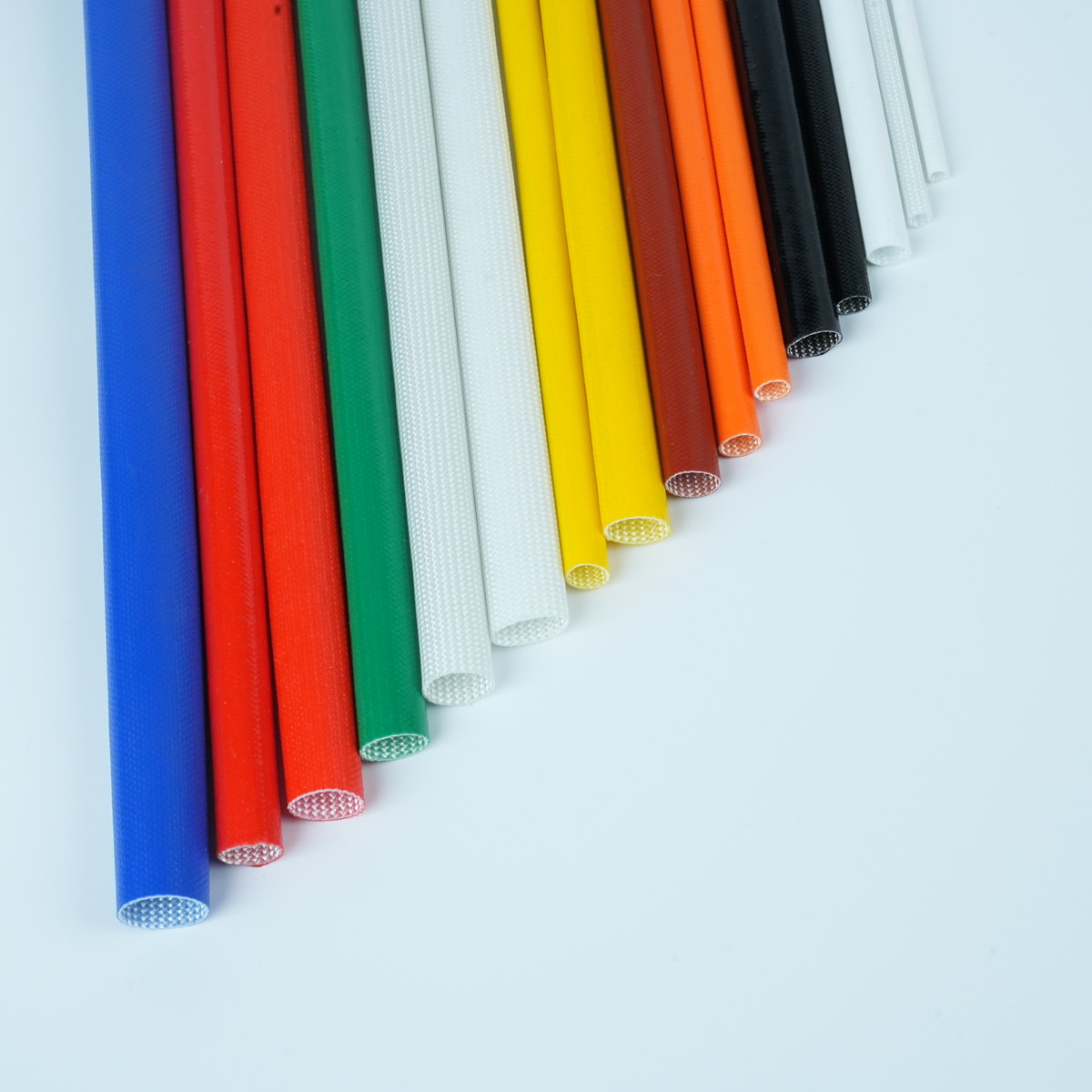
Understanding the cost drivers behind fiberglass sleeving in bulk projects requires examining multiple interconnected factors that influence pricing across industrial applications. Whether you manage manufacturing operations, electrical installations, or aerospace contracts, the expenses associated with fiberglass sleeving procurement directly impact project budgets and material timelines. Cost variation stems from material quality, manufacturing specifications, order volume, and the specific performance demands of your application.

Bulk projects fundamentally change the economics of fiberglass sleeving procurement. When ordering in large quantities, suppliers often adjust pricing structures, but total expenditure remains substantial. The relationship between order size and unit cost follows predictable patterns, yet many project managers overlook secondary cost components that accumulate during execution. This guide explores the primary and hidden cost factors that shape your fiberglass sleeving investment, enabling better budget forecasting and procurement decisions.
Material Composition and Heat Resistance Performance
Core Material Specifications Impact Pricing
The base material composition of fiberglass sleeving directly determines its cost structure. Standard fiberglass formulations provide adequate wire protection for general-purpose applications, while advanced compositions engineered for heat resistance command premium pricing. Manufacturers source fiberglass from different suppliers, with material grades ranging from consumer-level to aerospace-certified standards. Each grade level introduces different costs at the manufacturing stage, which propagates through to your final bulk order pricing.
Heat resistance capabilities represent a primary cost differentiator in the fiberglass sleeving market. Products designed for continuous exposure to elevated temperatures incorporate specialized glass fibers and resin systems that withstand thermal stress without degradation. Higher temperature ratings increase material sourcing costs, add manufacturing complexity, and require more rigorous quality control processes. When your bulk project specifies high temperature insulation requirements, expect cost premiums of 25% to 40% over standard products, depending on the temperature threshold and certification level required.
Coating and Protective Layer Contributions
Many industrial applications demand additional protective coatings beyond the base fiberglass structure. Silicone coatings enhance heat resistance, while specialized polymers provide moisture barriers or flame retardancy. Each coating layer represents additional material expense and manufacturing time. Aluminum foil laminates, which offer superior high temperature insulation properties, add significant cost but provide unmatched radiant heat protection. For bulk projects requiring coated fiberglass sleeving, coating type and thickness directly influence your per-unit costs and overall project expenditure.
Wire Protection Standards and Customization Requirements
Specification Complexity Drives Manufacturing Costs
Wire protection specifications vary dramatically across industrial sectors, and customization directly impacts your bulk project costs. Standard wall thicknesses cost less to produce than heavy-duty reinforced options, which require additional material and manufacturing precision. Diameter ranges matter significantly—custom sizes outside typical production runs incur setup charges that distribute across your entire order. Bulk projects specifying non-standard dimensions, unusual color requirements, or specialized reinforcement patterns face higher unit costs despite large order volumes, as manufacturers adjust production schedules and tooling configurations.
Certification and compliance requirements add another cost layer to wire protection specifications. If your project requires UL certification, military specifications, or industry-specific standards, manufacturers must implement enhanced quality assurance protocols. Testing and documentation costs increase, and production batches may require full traceability records. These compliance expenses typically scale modestly with volume, but they remain fixed costs that impact per-unit pricing on bulk orders. Understanding which certifications your project genuinely needs prevents overpaying for unnecessary specifications.
Lead Time and Production Scheduling
Bulk project timelines significantly influence fiberglass sleeving costs. Standard lead times allow manufacturers to consolidate your order with others, spreading production costs efficiently. Expedited delivery requests require dedicated production scheduling, overtime labor, and disrupted material flow optimization. Rush orders typically incur 15% to 30% premiums over standard pricing. Conversely, extended lead time allowances sometimes enable volume discounts, as manufacturers can optimize material purchasing and production planning. Your project schedule flexibility directly translates to procurement savings or expenses.
Volume Economics and Market Supply Dynamics
Bulk Order Volume and Pricing Tiers
Fiberglass sleeving bulk purchasing operates within established volume tiers that determine unit pricing. Small orders face higher per-unit costs, while larger quantities progressively decrease expenses through economies of scale. However, cost reduction follows a non-linear curve—doubling your order volume rarely halves your unit cost. Suppliers typically offer distinct pricing at specific volume thresholds: 100 meters, 500 meters, 1000 meters, and higher quantities. Understanding your supplier's exact tier structure enables strategic ordering that maximizes bulk discounts without overcommitting capital or creating storage issues.
Material sourcing costs for bulk projects influence fiberglass sleeving pricing in ways that transcend simple volume multipliers. When suppliers commit to large orders, they purchase raw materials in bulk quantities, which can reduce their material costs by 10% to 20%. Some of these savings pass to customers, while manufacturers retain portions to cover order-specific costs. Additionally, bulk orders sometimes allow suppliers to negotiate favorable pricing from their material vendors, creating a compounding savings effect that benefits your procurement.
Market Supply and Material Availability
Global supply chain conditions directly impact fiberglass sleeving costs in bulk projects. During periods of high industrial demand, material availability tightens and prices increase across the board. Manufacturers may impose quantity limitations or extended lead times if raw materials become scarce. Conversely, during softer demand periods, suppliers offer aggressive bulk discounts to maintain production volume and cash flow. Timing your bulk purchase during favorable supply conditions can reduce costs by 10% to 15% compared to peak-demand periods. Understanding these cyclical patterns enables more strategic procurement planning.
Import duties, currency fluctuations, and logistics costs also shape fiberglass sleeving pricing for bulk orders. If your supplier sources materials internationally, tariffs and trade dynamics affect their costs, which they often pass through to customers. Logistics optimization becomes meaningful for true bulk purchases—consolidating shipments, using efficient transportation modes, and coordinating delivery timing can reduce per-unit costs. Large orders sometimes qualify for pooled logistics arrangements, spreading transportation expenses across multiple customers and lowering your effective material costs.
FAQ
How does heat resistance affect fiberglass sleeving costs in bulk orders?
Heat resistance is a primary cost driver because it requires specialized materials, advanced manufacturing techniques, and often rigorous testing and certification. Products engineered for high temperature insulation applications use premium glass fibers and resin systems that withstand elevated temperatures without degradation. These enhanced formulations cost significantly more at the material level, and manufacturers invest in specialized equipment and quality control to ensure performance standards. Bulk orders for heat resistance rated fiberglass sleeving typically cost 25% to 40% more than standard products, depending on temperature requirements.
What is the relationship between order volume and per-unit fiberglass sleeving costs?
Larger bulk orders reduce per-unit costs through economies of scale, but the relationship is not linear. Suppliers operate within distinct volume pricing tiers—typically at 100, 500, 1000, and higher meter quantities. Doubling your order volume rarely halves your unit cost; instead, each tier typically offers 10% to 20% savings compared to the previous level. Material sourcing benefits, optimized production scheduling, and shared overhead costs enable these volume discounts. Understanding your supplier's specific tier structure helps you optimize order quantities to maximize bulk savings without overcommitting resources.
Does wire protection customization increase bulk project costs significantly?
Yes, customization directly increases costs, even in bulk quantities. Non-standard diameters, unusual colors, reinforcement patterns, or specialized coatings require tooling adjustments and production setup that manufacturers don't encounter with standard products. Compliance certifications and specialized testing add fixed costs that reduce the per-unit savings from bulk purchasing. However, for truly large orders, suppliers sometimes absorb customization costs more efficiently through dedicated production runs. When planning bulk projects, clearly defining your wire protection specifications early enables suppliers to offer optimal pricing before committing to production.
 EN