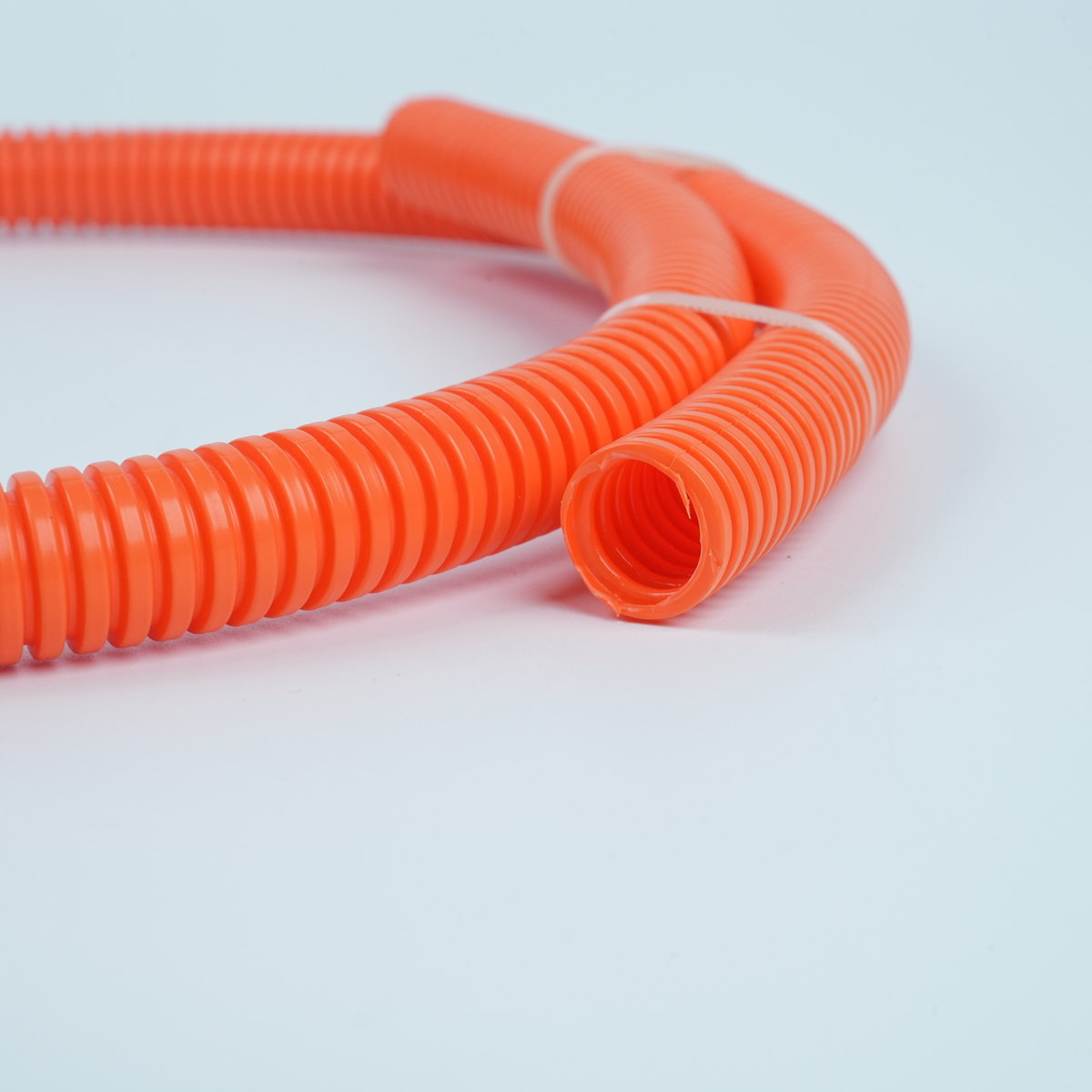
Selecting the right wire loom conduit requires more than price comparison and basic specifications. Buyers must thoroughly review technical documentation to ensure the chosen product meets safety standards, performance requirements, and application-specific demands. Understanding what documentation to examine during the purchasing process protects your investment and prevents costly failures in production or field deployment.
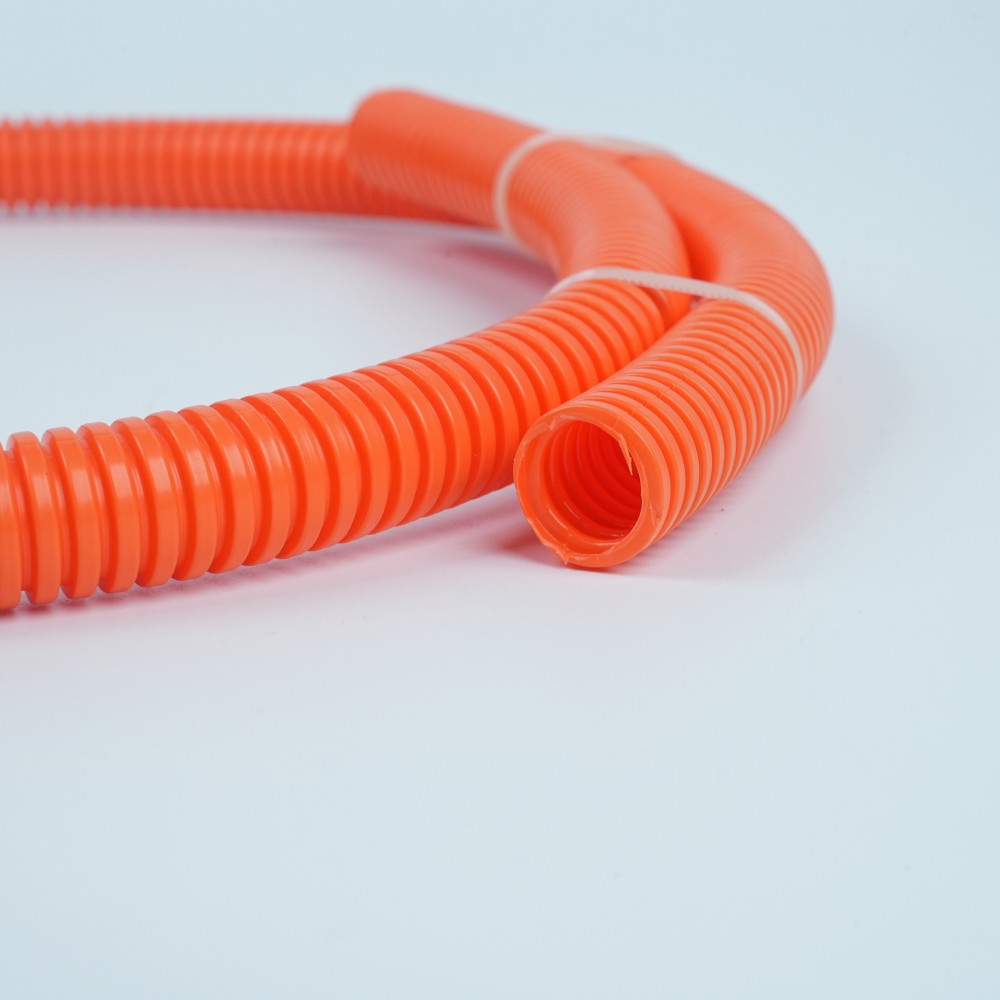
The documentation landscape for cable conduit and wire harness protection products spans multiple categories, each serving distinct verification purposes. Material certifications, performance test results, compliance statements, and application guides form the foundation of informed purchasing. This guide walks through the essential documents every buyer should request and review before committing to a wire loom conduit supplier.
Material Specifications and Certification Documents
Understanding Material Composition and Properties
Material data sheets represent the cornerstone of cable conduit documentation. These sheets detail the polymer composition, additives, and manufacturing process for the wire harness protection product. A comprehensive material specification will include tensile strength, elongation at break, flame resistance ratings, and temperature performance ranges. For automotive wiring applications, material certifications must explicitly reference compliance with UL standards, ISO specifications, and relevant industry regulations.
The material documentation should clearly state whether the wire loom conduit contains recycled content, virgin resin, or blended compositions. This information directly impacts performance consistency and long-term durability. Buyers should verify that the cable conduit material has been tested for resistance to oils, fuels, coolants, and other fluids specific to their application environment. Temperature cycling data proves particularly important for automotive wiring, where thermal expansion and contraction stress the conduit over thousands of cycles.
Flame Retardant and Environmental Compliance
Flame retardant properties must be documented through third-party testing, typically following UL94 or equivalent standards. The documentation for your wire harness protection solution should specify the flame classification (V-0, V-1, V-2, HB, etc.) and provide supporting test certificates. Buyers in automotive applications must confirm that the cable conduit meets automotive-specific requirements such as FMVSS standards and OEM-specific approvals.
Environmental compliance documentation demonstrates that the wire loom conduit meets RoHS, REACH, and halogen-free requirements where applicable. Many regions mandate specific material restrictions, and suppliers should provide documented proof of compliance. Certifications confirming lead-free formulations and absence of restricted substances protect buyers from regulatory exposure and ensure the cable conduit meets evolving environmental standards for automotive wiring installations.
Performance Testing and Validation Data
Mechanical and Thermal Performance Reports
Independent laboratory testing reports validate the real-world performance capabilities of wire harness protection products. Buyers should request comprehensive test data covering tensile strength, burst pressure (for conduits under pressure), flexibility, and abrasion resistance. The documentation should include test methodology, sample sizes, acceptance criteria, and pass/fail results. For cable conduit used in demanding environments, thermal cycling tests confirm that repeated temperature exposure does not degrade the material or performance.
UV resistance testing becomes critical for wire loom conduit exposed to sunlight during outdoor applications or storage. Test reports should document color retention, mechanical property retention, and surface degradation after simulated UV exposure. Automotive wiring applications demand comprehensive aging studies showing material performance after prolonged exposure to heat, light, and environmental stressors. The cable conduit documentation should include data from both short-term and long-term aging protocols.
Chemical Resistance and Compatibility Studies
Wire harness protection systems must resist exposure to fluids encountered in their intended environment. Documentation should include immersion tests showing how the cable conduit performs when exposed to motor oil, transmission fluid, coolant, brake fluid, and fuel for extended periods. Test results should report changes in tensile strength, elongation, and dimensional stability after chemical exposure. This data proves particularly essential for automotive wiring, where underhood environments present multiple chemical challenges.
Compatibility testing for wire loom conduit should extend beyond liquids to include compatibility with wire insulation materials and connector compounds. The documentation must confirm that the conduit does not chemically degrade wire insulation or cause premature failure of components housed within the cable conduit. Cross-compatibility studies prevent the selection of conduit materials that might interact negatively with the wiring system they protect.
Standards Compliance and Quality Assurance Documentation
Regulatory Certifications and Standard References
Buyers must verify that wire loom conduit documentation explicitly references compliance with applicable standards. UL certification for wire harness protection is fundamental in North American markets, while ISO and IEC standards apply globally. The documentation should identify specific standard numbers, such as UL1581 for electrical construction materials, and confirm that testing followed recognized procedures. For automotive wiring, documentation must reference FMVSS, SAE standards, or OEM specifications relevant to the vehicle system.
Third-party certification marks on cable conduit packaging and documentation provide independent verification of claimed properties. Buyers should distinguish between actual certifications from recognized bodies (UL, TÜV, etc.) and unverified claims. The wire harness protection documentation should include certificate numbers, issue dates, expiration dates, and contact information for verifying claims. Counterfeit or expired certifications represent significant risks that thorough documentation review prevents.
Quality Control and Traceability Records
Manufacturing documentation demonstrates that the wire loom conduit production process maintains consistent quality. Batch records, material lot traceability, and in-process testing reports confirm that each production run meets specified requirements. The cable conduit documentation should reference statistical process control data, defect rates, and corrective action procedures. This information protects buyers from quality variations that could compromise wire harness protection performance.
Buyers should request access to quality assurance procedures used during wire harness protection production. Documentation should specify raw material inspection protocols, processing parameters, finished product testing, and packaging procedures. For critical automotive wiring applications, buyers may negotiate rights to audit supplier facilities and review comprehensive quality management documentation. This level of transparency ensures that the cable conduit meets consistent standards across all production batches.
Application Guides and Technical Support Documentation
Installation and Configuration Guidelines
Application guides translate wire loom conduit technical data into practical installation instructions. Comprehensive documentation should specify minimum bend radius, installation temperature ranges, recommended tools, and best practices for securing the cable conduit. The wire harness protection guide must address factors that affect performance, such as proper tension during installation and techniques for preventing kinking or crushing damage. Automotive wiring installation guides should include vehicle-specific considerations and compatibility notes.
The cable conduit documentation should include visual diagrams and cross-sectional views showing proper installation configuration. Installation guides that reference potential failure modes help buyers understand why specific installation procedures matter. Wire loom conduit guides must address edge protection, proper routing to avoid sharp edges, and protection against mechanical damage. Documentation should also specify storage and handling procedures that maintain material integrity before installation.
Troubleshooting and Failure Analysis Resources
Comprehensive documentation includes troubleshooting guides addressing common wire harness protection failures and their causes. The cable conduit documentation should explain failure modes such as UV degradation, chemical attack, thermal cycling damage, and mechanical puncture. Understanding these failure mechanisms helps buyers select appropriate conduit types and implement preventive measures. For automotive wiring systems, documentation should address potential issues specific to underhood environments and vehicle duty cycles.
Technical support documentation demonstrates supplier commitment to buyer success. Wire loom conduit suppliers should provide contact procedures for technical questions, field failures, and compatibility concerns. The documentation should reference case studies or field experience demonstrating how the cable conduit performs in real applications similar to the buyer's needs. This resource helps resolve questions during design phases and provides confidence that wire harness protection solutions have proven performance records.
FAQ
What material specifications are most important when reviewing wire loom conduit documentation?
The most critical specifications include flame rating (UL94 classification), temperature range, tensile strength, and chemical resistance profile. For automotive wiring, documentation must confirm material compatibility with oils, fuels, and coolants encountered in vehicle environments. Material composition transparency helps assess long-term durability and performance consistency of the cable conduit selection.
How can buyers verify that cable conduit certifications are authentic and current?
Request specific certificate numbers and contact information for the certifying body, then independently verify the certificates through that organization's database. Check certificate issue and expiration dates to ensure the wire loom conduit carries current certifications. Legitimate suppliers willingly provide full documentation and encourage independent verification of their wire harness protection claims.
What performance data should documentation include for automotive wiring applications?
Documentation must include thermal cycling test data, UV resistance reports, underhood fluid immersion results, and compliance with vehicle-specific standards. The cable conduit documentation should address vibration resistance, cold-temperature flexibility, and compatibility with wire insulation systems. Buyers should request case studies or field performance data from similar automotive applications to confirm the wire loom conduit meets demanding vehicular environments.
 EN