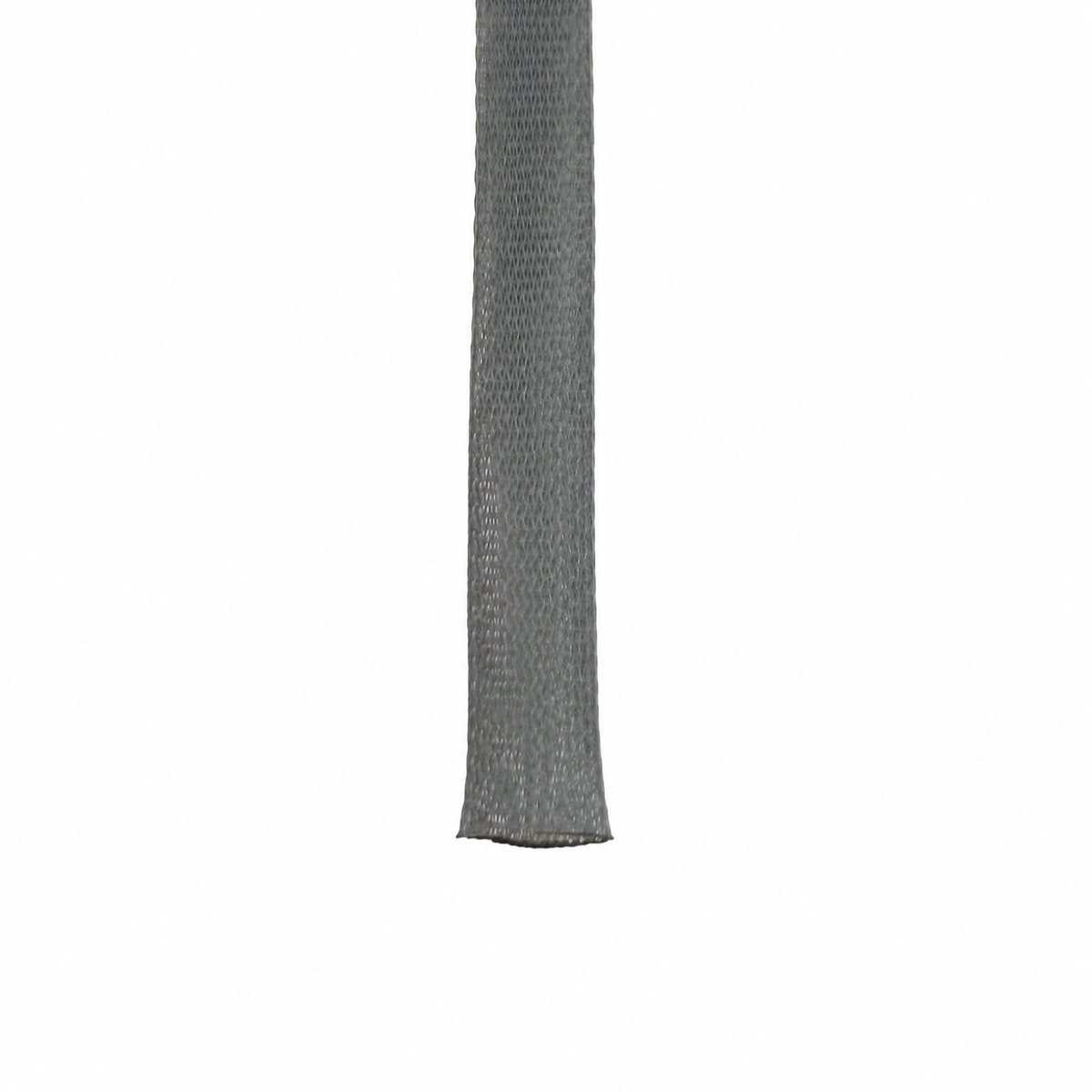
When evaluating PTFE sleeving for your industrial application, the documentation you review directly impacts your procurement decision and long-term performance outcomes. Buyers often overlook critical technical specifications, compliance certifications, and application guidelines that distinguish quality products from inadequate solutions. Understanding what documentation matters ensures you select the right cable protection solution for your specific requirements.
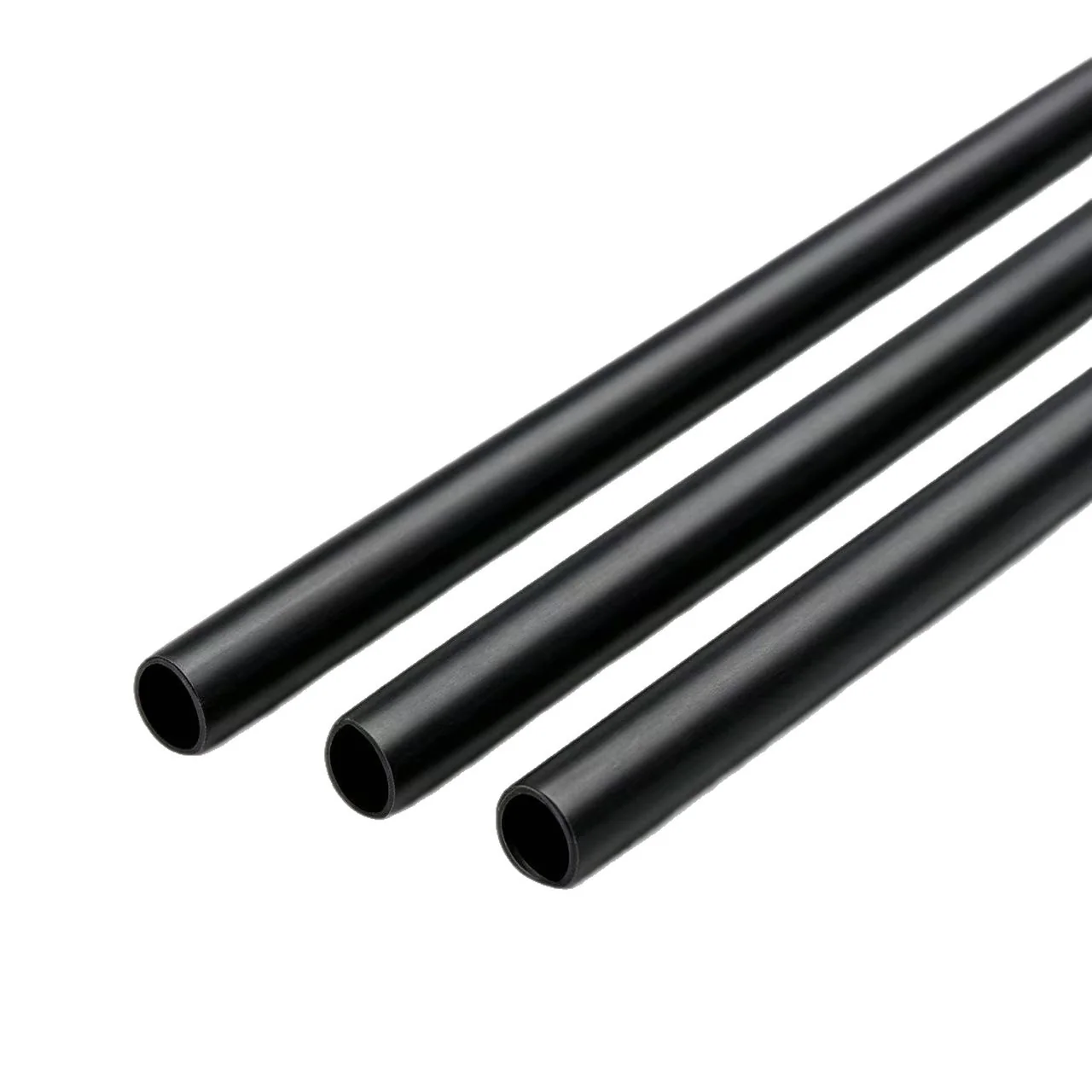
PTFE tubing serves as a critical component in cable protection across aerospace, medical, automotive, and telecommunications industries. Before committing to any PTFE sleeving purchase, buyers must verify that suppliers provide comprehensive technical documentation covering material properties, performance ratings, and safety compliance. This review process protects your operations from equipment failure, regulatory violations, and costly installation errors.
Essential Technical Specifications to Review
Material Composition and Performance Ratings
The foundational documentation for PTFE sleeving must clearly specify virgin PTFE content, density, and whether additives are present. Suppliers should provide tensile strength ratings, flexibility limits, and thermal expansion coefficients. These electrical insulation properties directly determine how the tubing protects conductors under operating stress. Buyers should verify that the material meets or exceeds industry standards for continuous temperature exposure, typically ranging from minus 200°C to 260°C for premium grades.
Documentation should also include breakdown voltage ratings and dielectric strength values, which are non-negotiable for electrical applications. The specification sheet must indicate whether the PTFE sleeving maintains these properties across the full temperature range, not just at ambient conditions. Density measurements confirm the material integrity and resistance to chemical degradation, factors that directly impact cable protection longevity.
Dimensional Specifications and Tolerance Data
Accurate dimensional information ensures the PTFE tubing fits properly over cables without gaps or excessive looseness. Buyers must review inner diameter, outer diameter, wall thickness, and length tolerances in the technical documentation. These measurements prevent installation errors and ensure consistent electrical insulation coverage across your application.
The documentation should specify tolerance ranges for each dimension, expressed in both metric and imperial units if your facility uses mixed standards. Shrink ratio information is critical if you are using heat-shrinkable PTFE sleeving variants. This data allows buyers to verify compatibility with existing cable assemblies and installation equipment before purchase commitments.
Compliance, Certification, and Safety Documentation
Regulatory Standards and Quality Certifications
PTFE sleeving suppliers must provide evidence of compliance with relevant international standards, including FDA regulations for medical-grade applications, UL certifications for electrical safety, and RoHS directives for environmental compliance. Buyers should verify that documentation includes ISO 9001 manufacturing certifications and material test reports from accredited laboratories. These certifications confirm that the cable protection product meets reproducible quality standards across production batches.
Documentation should clearly indicate which industries and applications the PTFE tubing is approved for under each standard. Medical device manufacturers, for example, require biocompatibility documentation and sterilization compatibility data. Aerospace applications demand FAA or similar regulatory approvals. Buyers must confirm that the specific certifications match your industry requirements, not just assume general compliance.
Chemical Compatibility and Environmental Data
The documentation package must include a chemical compatibility matrix showing how PTFE sleeving reacts to solvents, oils, coolants, and other substances present in your operating environment. Electrical insulation properties degrade when exposed to incompatible chemicals, compromising cable protection. Buyers should verify resistance data for specific fluids likely to contact the tubing during installation, operation, or maintenance cycles.
Environmental testing documentation should demonstrate performance under humidity, salt spray, ultraviolet light, and thermal cycling conditions relevant to your application. This cable protection data becomes especially important for outdoor installations or harsh industrial environments. Suppliers must provide test results from recognized laboratories, not manufacturer estimates.
Application Guidance and Installation Documentation
Installation Instructions and Best Practices
Comprehensive PTFE sleeving documentation includes detailed installation procedures specific to your tubing variant, whether standard, heat-shrinkable, or specialty grades. Buyers should verify that instructions cover preparation of cable surfaces, proper sizing verification, and installation tool requirements. Poor installation negates the cable protection benefits, so clear guidance prevents costly field errors.
Documentation must include temperature requirements for heat-shrinking processes if applicable, recovery rates, and safety warnings about hot surface hazards. The electrical insulation integrity depends on correct installation technique. Buyers should confirm that installation guides match your team's skill level and available equipment, requesting additional training if documentation reveals gaps in your facility's capabilities.
Performance Data and Reliability Testing
PTFE tubing documentation should include accelerated life testing data, demonstrating how the cable protection system performs under prolonged thermal stress, mechanical flexing, and environmental exposure. Buyers need to see documented evidence of pressure ratings, burst strength, and abrasion resistance relevant to your specific application demands. This data validates that the PTFE sleeving will maintain electrical insulation and cable protection throughout its intended service life.
Reliability testing documentation must include failure mode analysis, showing what conditions cause degradation and what warning signs indicate approaching end-of-life. Buyers should seek documentation of long-term aging studies, preferably conducted under conditions matching your actual operating environment. This information enables predictive maintenance planning and prevents unexpected cable protection failures.
FAQ
What is the difference between standard and heat-shrinkable PTFE sleeving for cable protection?
Standard PTFE tubing requires pre-sizing to fit cables precisely, offering excellent electrical insulation and chemical resistance. Heat-shrinkable PTFE sleeving expands during manufacturing and shrinks when heated, allowing larger inner diameters during installation before conforming tightly to cables. Heat-shrinkable variants simplify installation over complex cable assemblies and connectors, though both types provide equivalent cable protection and electrical insulation once properly installed. Documentation should clearly specify which variant you are purchasing and the corresponding installation requirements.
How do I verify that PTFE sleeving documentation meets my regulatory requirements?
Cross-reference your industry's specific standards against the certifications listed in the supplier's documentation. Medical applications require FDA compliance and biocompatibility documentation. Aerospace requires FAA or EASA approvals. Automotive typically requires UL or ISO standards for electrical insulation. Request copies of actual certification test reports, not just summary statements, from your supplier. This cable protection verification confirms the documentation proves compliance, not merely claims it.
What should I look for in PTFE tubing environmental testing documentation?
Environmental testing documentation should include specific test results for temperature cycling, humidity exposure, salt spray resistance, and UV stability if your cable protection will face outdoor or corrosive conditions. Verify that testing was conducted by independent laboratories and that results show time-to-failure data or pass-fail outcomes at realistic stress levels. Documentation must indicate the number of test cycles completed and acceptance criteria. This electrical insulation reliability data directly predicts how long the PTFE sleeving will protect your cables in your specific environment.
 EN