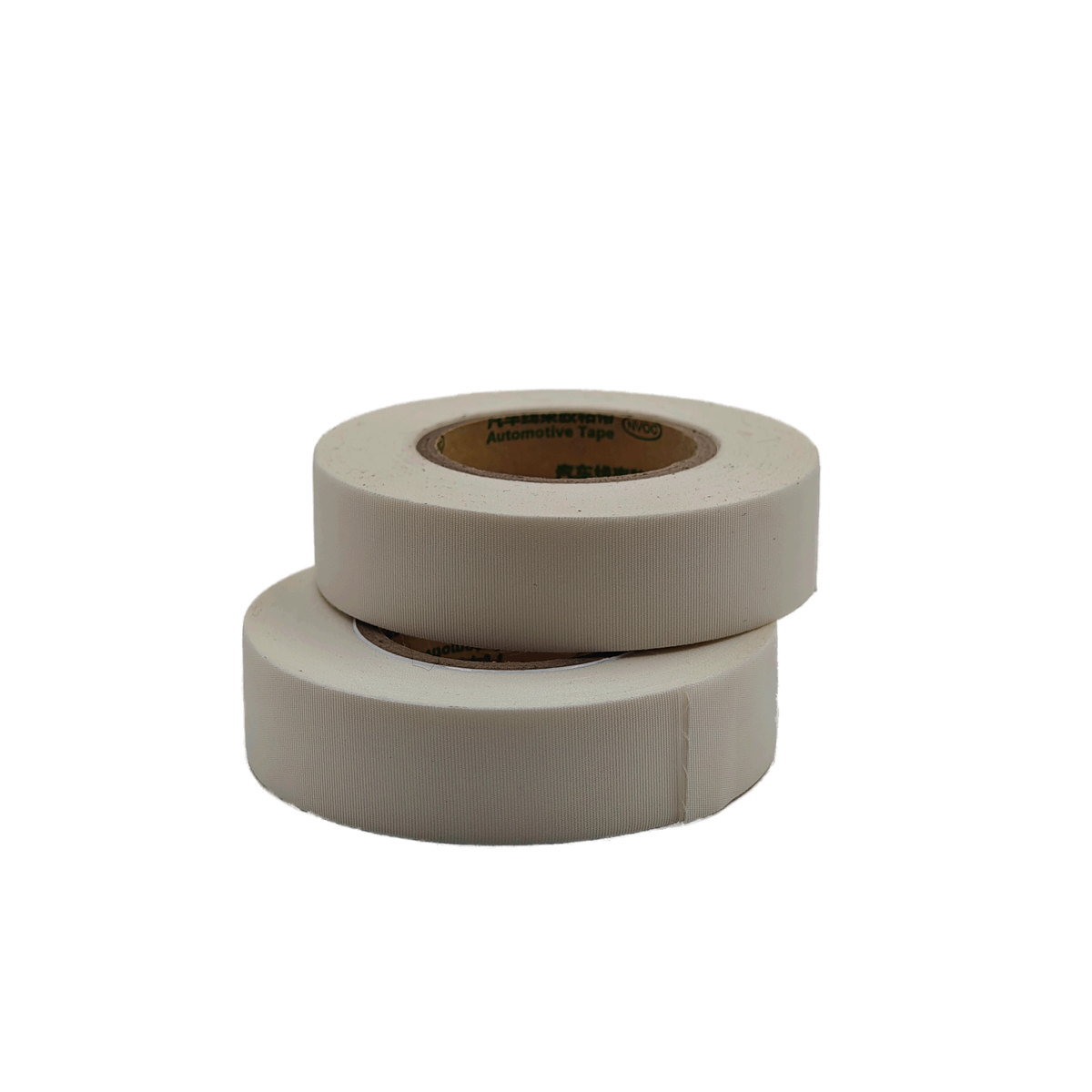
Purchasing acetate cloth tape requires careful evaluation of technical documentation to ensure the product meets your specific application requirements. As a critical component in electrical assembly, insulation, and protection applications, acetate cloth tape must comply with industry standards and performance specifications that directly impact product quality and safety. Understanding what documentation to review before making a purchasing decision protects your investment and ensures you select the right material for your needs.
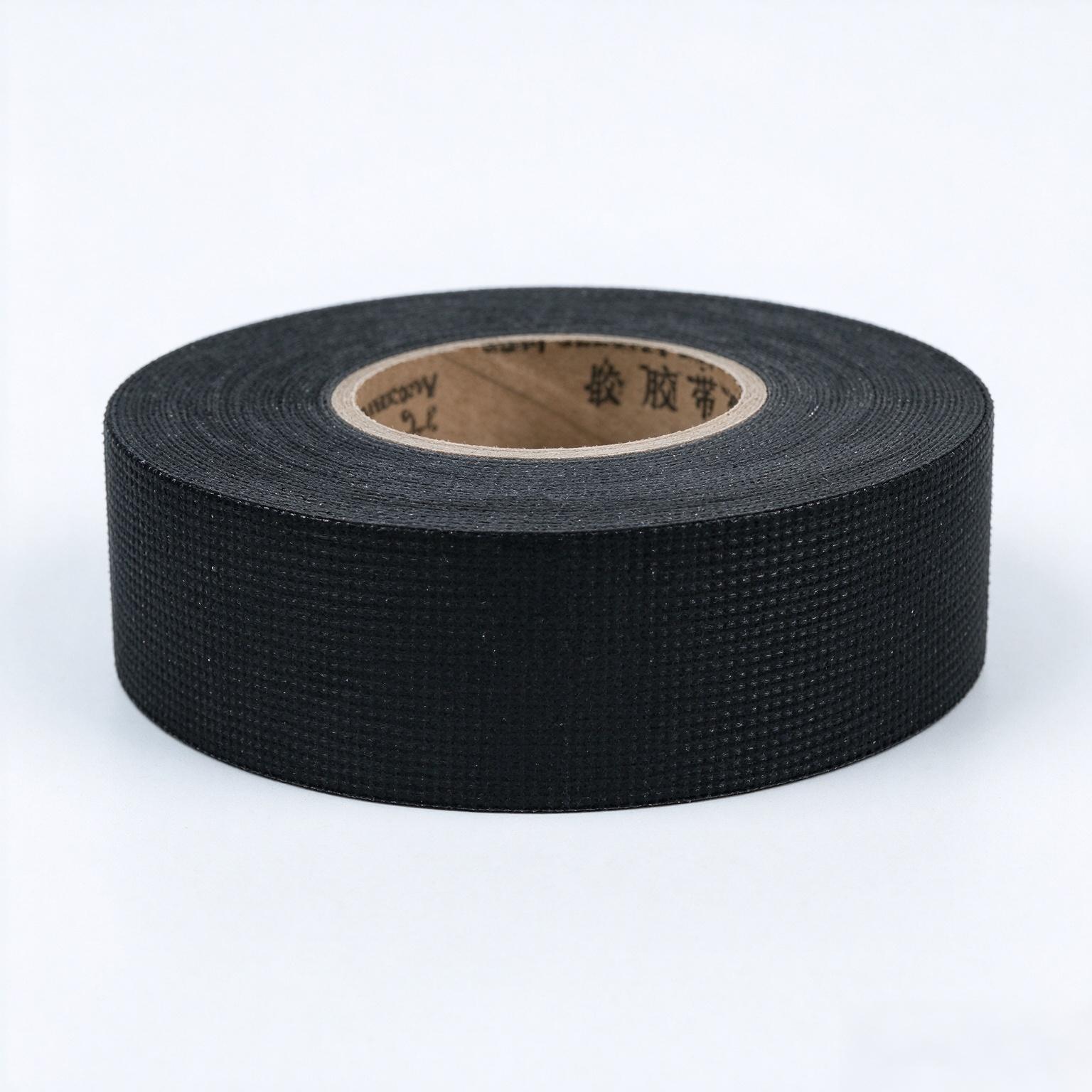
The documentation review process begins with understanding how acetate cloth tape performs as a component in wire harness tape configurations and electrical insulation systems. Buyers must examine technical data sheets, compliance certifications, performance test results, and compatibility guidelines before finalizing their selection. This comprehensive approach minimizes supply chain delays, reduces material waste, and ensures your finished products meet customer and regulatory expectations from the first production run onward.
Technical Specifications and Performance Data
Understanding Core Material Properties
Technical data sheets for acetate cloth tape must clearly document the material composition, thickness, and adhesive system used in manufacturing. Look for specific information on tensile strength, elongation at break, and adhesion values measured under standardized testing conditions. These metrics directly influence how the tape performs during cable wrapping, thermal cycling, and mechanical stress exposure. The documentation should specify whether the tape is single-sided or double-sided coated and what adhesive type—rubber-based, acrylic, or synthetic—has been applied.
Width, length, and core diameter specifications must be clearly stated to ensure compatibility with your dispensing equipment and production workflow. Documentation should also include information about the backing material thickness and any reinforcement layers incorporated into the design. For electrical insulation applications, the documentation must specify the dielectric strength and breakdown voltage ratings, particularly when the tape serves as the primary insulation barrier in wire harness tape assemblies. Buyers should verify that thickness tolerances are maintained consistently across production batches.
Environmental and Operating Condition Ratings
Documentation must specify the temperature range where acetate cloth tape maintains its performance characteristics, including minimum application temperatures and maximum continuous service temperatures. For cable wrapping and electrical insulation uses, thermal cycling resistance becomes critical—the tape must withstand repeated expansion and contraction without delamination or adhesive failure. Ask for data on humidity resistance, UV stability, and chemical compatibility with common manufacturing fluids, solvents, and coolants used in your assembly environment.
The documentation should include information about the tape's behavior under moisture exposure, salt spray conditions, and thermal shock events. Buyers in automotive, aerospace, or marine applications need specific data proving the tape maintains electrical insulation and physical integrity under extreme conditions. Documentation should also address flame propagation ratings and smoke emission characteristics if the tape will be used in enclosed spaces or sensitive environments where fire safety is a concern.
Compliance, Certification, and Quality Standards
Industry Standards and Regulatory Compliance
Comprehensive documentation must demonstrate compliance with relevant industry standards applicable to electrical insulation and wire harness tape products. Review certifications against standards such as UL, VDE, IEC, or applicable military specifications depending on your end-use industry. For electrical insulation applications, the documentation should confirm that the tape meets voltage withstand ratings, insulation resistance requirements, and dielectric property standards. Wire harness tape documentation must address both the adhesive properties and the mechanical durability expected in automotive or industrial assembly contexts.
Ask suppliers to provide certificate of compliance documentation proving third-party testing and validation of claimed performance characteristics. The documentation package should include test reports from accredited laboratories demonstrating that acetate cloth tape samples meet specified electrical, thermal, and mechanical requirements. For aerospace or regulated industries, documentation must include traceability records, batch-specific test results, and documented quality assurance procedures. Buyers should verify that the supplier maintains current certifications and that documentation reflects the most recent industry standard versions.
Quality Assurance and Testing Records
Request documentation detailing the supplier's quality control procedures, incoming material inspection protocols, and final product testing methods. The documentation should specify adhesion testing methodologies, including measurements at room temperature and elevated temperatures relevant to your application. Buyers need evidence that batch-to-batch consistency is maintained and that statistical process control is used to monitor key performance parameters. Documentation should include information about surface preparation, environmental conditions during testing, and acceptance/rejection criteria applied to each production batch.
Review the warranty period, shelf life specifications, and storage requirements outlined in the documentation. Acetate cloth tape performance can degrade if stored improperly, so clear guidance on temperature, humidity, and light exposure parameters is essential. The documentation should specify whether the tape maintains its adhesive properties indefinitely or requires use within a specific timeframe after manufacturing. Buyers should also request documentation about handling procedures that prevent adhesive degradation or loss of electrical insulation characteristics during transport and storage.
Application-Specific Documentation and Compatibility Guidance
Wire Harness and Electrical Insulation Recommendations
Suppliers should provide application-specific documentation explaining how acetate cloth tape performs in wire harness tape configurations and electrical insulation assemblies. This documentation must address the tape's compatibility with common substrate materials including copper, aluminum, and various plastic and elastomer insulators used in cable applications. The documentation should include recommended application temperatures, cure times if applicable, and guidance on optimal tape tension during application to ensure consistent adhesion without creating stress points that could compromise electrical insulation.
Documentation must explain how acetate cloth tape interacts with other materials in the assembly, particularly adhesion to pre-existing insulation layers, jacketing materials, and connector components. Buyers in industries using cable wrapping and wire harness tape should request documentation proving that the tape does not chemically degrade, swell, or soften the underlying substrate materials during manufacturing or service life. Information about shear strength, peel strength, and delamination resistance under actual operating stresses provides confidence that the electrical insulation and mechanical protection will remain intact throughout product service life.
End-Use Environmental and Performance Expectations
Documentation should clearly communicate the expected performance of acetate cloth tape when used for cable wrapping, electrical insulation, and protection applications in specific industries and operating environments. For automotive applications, documentation must address vibration resistance, thermal cycling performance, and compatibility with engine compartment temperatures and fluid exposure. Aerospace documentation should prove performance in pressurized cabin environments, high-altitude thermal extremes, and exposure to aircraft maintenance fluids and cleaning agents.
Buyers should request documentation showing how acetate cloth tape compares to alternative solutions in terms of ease of application, consistency of results, and total cost of ownership across production volumes. The documentation must address whether the tape requires special equipment, training, or preparation procedures before use, and whether multiple layers or passes are necessary to achieve required electrical insulation thickness. Information about the tape's impact on assembly line speed, scrap rates, and rework requirements helps buyers make informed decisions about material selection and process planning for their specific manufacturing environment.
FAQ
What electrical properties must acetate cloth tape documentation specify?
Documentation for acetate cloth tape used in electrical insulation applications must specify dielectric strength, breakdown voltage ratings, insulation resistance measured in megohms per unit area, and dissipation factor at relevant frequencies. The documentation should provide test data demonstrating that the tape maintains these electrical properties across the full operating temperature range and after exposure to moisture, thermal cycling, and mechanical stress. For wire harness tape and cable wrapping applications, electrical performance specifications ensure the insulation layer reliably protects against short circuits and electrical leakage throughout product service life.
How should buyers verify that acetate cloth tape documentation is current and accurate?
Buyers should request documentation with recent test dates, supplier-issued certifications confirming current compliance with industry standards, and evidence of third-party validation from accredited testing laboratories. Cross-reference the documentation against the specific product batch or lot number you intend to purchase, as formulations and performance characteristics may vary between production runs. Contact the supplier directly to confirm that documented specifications match the actual material being delivered and that any recent design changes or process improvements are reflected in the technical documentation package.
What documentation should address compatibility with substrates in wire harness tape applications?
Comprehensive documentation for acetate cloth tape must include compatibility data showing adhesion performance to copper, aluminum, PVC, polyester, polyimide, and other common substrate materials used in cable wrapping and electrical insulation assemblies. The documentation should specify adhesion values under various conditions including room temperature, elevated temperatures, humidity exposure, and mechanical stress simulation. Buyers should also review documentation addressing whether the tape can be safely removed or repositioned without damaging underlying substrate materials, and whether any residual adhesive remains after removal in applications requiring future maintenance or repair.
 EN