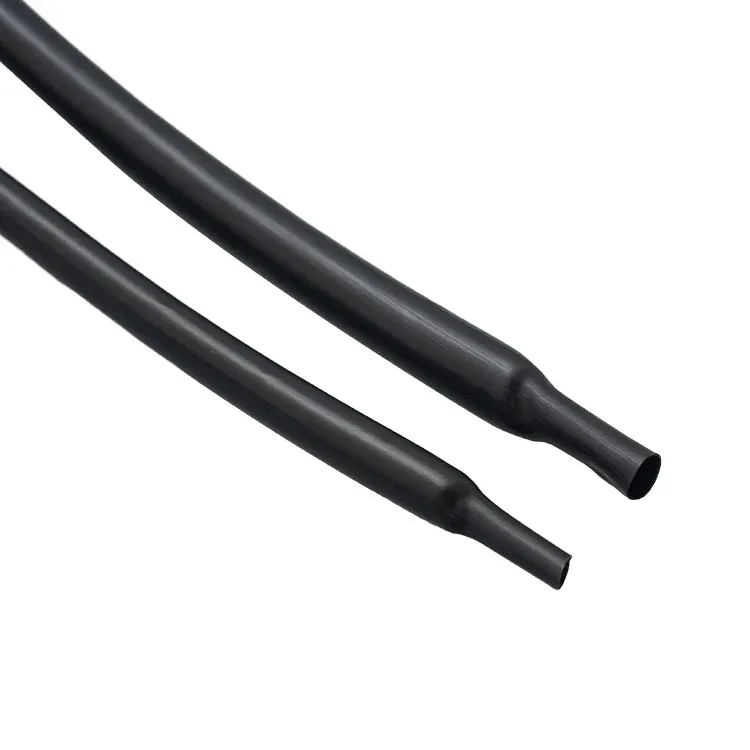
Ordering PTFE sleeving in large volumes requires careful evaluation of multiple technical and commercial factors. Whether you're sourcing materials for aerospace, electrical, chemical processing, or automotive applications, a rushed purchasing decision can result in costly delays, quality mismatches, and operational downtime. This guide walks you through the essential checkpoints to validate before committing to a significant volume order.
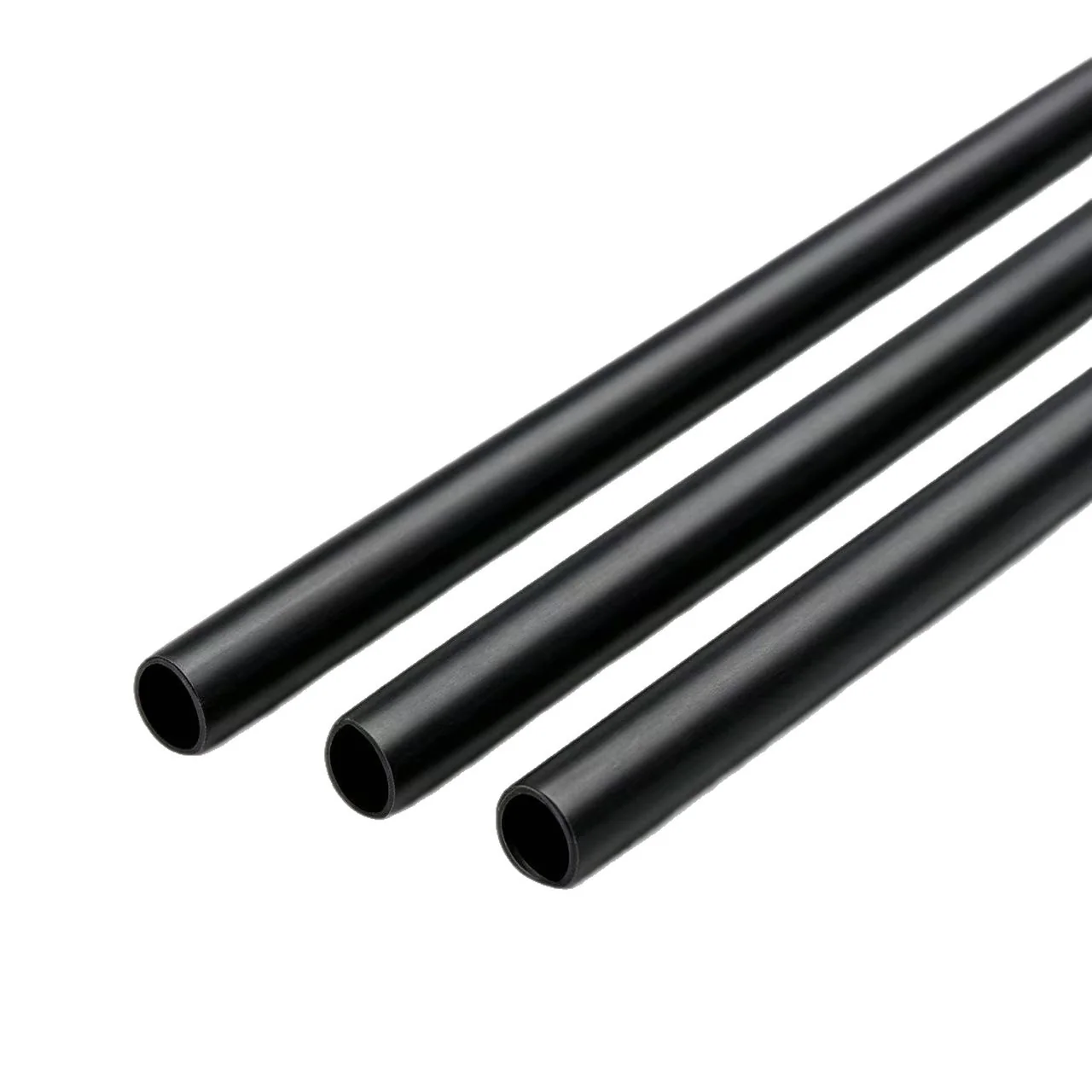
Volume purchasing of PTFE tubing demands more scrutiny than single-unit purchases because quality deviations, inconsistencies in wall thickness, or performance mismatches will affect hundreds or thousands of end products. High-volume orders also lock in pricing and delivery terms, making pre-purchase validation non-negotiable. Understanding what to inspect before placing an order protects your budget, timeline, and product quality standards.
Verifying Specification Alignment and Technical Requirements
The first critical step is confirming that the PTFE sleeving specifications align exactly with your application demands. Cross-reference your technical drawings or engineering requirements against the supplier's product data sheet. Check inner diameter, outer diameter, wall thickness tolerances, and length specifications against your stated needs. Dimensional mismatches—even small ones—can cause fitting problems, inefficient assembly, or functional failure in the field.
Chemical Resistance and Environmental Exposure
Chemical resistance is a fundamental property of PTFE tubing, and your application environment determines the severity of this requirement. If your wire insulation or component will contact aggressive solvents, oils, fuels, acids, or bases, you must verify that the PTFE sleeving formulation offers documented resistance to those specific substances. Request chemical compatibility test data from the supplier, especially if your process involves exposure to non-standard chemicals. Degradation of PTFE sleeving in chemical environments compromises both electrical and mechanical integrity, leading to component failure.
Ask the supplier whether the PTFE tubing meets industry-recognized standards such as ASTM D1505 or ISO 1206 for chemical resistance profiles. Confirm material purity and resin origin, as virgin PTFE exhibits superior chemical resistance compared to recycled or filled compounds. Document the supplier's warranty or guarantee regarding chemical resistance in your intended application.
Wire Insulation Performance and Electrical Properties
If your PTFE sleeving serves as wire insulation, electrical properties become mission-critical. Verify dielectric strength ratings, breakdown voltage, and insulation resistance specifications documented by the supplier. These properties ensure safe electrical performance under operational stress and prevent insulation failure that could trigger short circuits, fires, or equipment damage. Request test certificates showing dielectric strength validation at the wall thickness you are ordering.
The surface condition of the PTFE tubing also matters for wire insulation applications. Smooth, defect-free surfaces minimize stress concentrations and reduce the risk of electrical breakdown at micro-defects. Inspect samples from the supplier's production batch to confirm consistent surface quality before committing to a large volume.
Quality Assurance, Consistency, and Batch Verification
High-volume orders create opportunity for batch-to-batch variation if the supplier lacks rigorous quality control. Request detailed information about the supplier's quality management system, including how they ensure consistency across production batches. Ask whether dimensional, chemical, and performance specifications are tested for every production batch or sampled periodically.
Testing Protocols and Batch Documentation
Legitimate PTFE sleeving suppliers maintain comprehensive batch records and can provide certificates of analysis or conformance for each production lot. Before placing your volume order, request a sample batch and review its test documentation. Confirm that the supplier tests critical parameters—dimensional accuracy, dielectric strength, chemical resistance baseline, and material purity—using third-party labs or accredited internal facilities.
Ask the supplier how long batch records are retained and whether traceability is possible if field failures occur. Clear batch identification, linked to production records, protects your liability and simplifies root-cause investigation if issues arise after deployment. Insist on written documentation that your volume order will be manufactured under the same quality protocols demonstrated in sample batches.
Consistency and Tolerance Control Across Multiple Reels
PTFE tubing consistency becomes challenging over large production runs or across multiple manufacturing days. Dimensional tolerance stack-up—where each reel slightly exceeds nominal thickness or diameter—can accumulate into significant variation across your entire shipment. This inconsistency complicates assembly, creates fit issues, and increases scrap rates.
Request written tolerance specifications for inner diameter, outer diameter, and wall thickness, and verify they match your assembly requirements. Ask the supplier to state the tightest tolerance they reliably hold across a multi-day production run. Tighter tolerance control typically costs more, but the investment prevents downstream assembly failures. Confirm whether the quoted price includes tighter tolerance control or standard commercial tolerance ranges.
Supply Chain Logistics, Delivery, and Commercial Terms
Volume orders involve longer lead times, significant inventory commitment, and shipping complexity. Before placing your PTFE sleeving purchase, clarify delivery schedules, packaging, and risk allocation. Delays in delivery can disrupt your production timeline, while packaging failures or storage mishandling can compromise material quality before arrival.
Lead Time and Inventory Planning
Large volume orders typically require lead times ranging from four to twelve weeks, depending on PTFE tubing supplier capacity and production scheduling. Confirm the exact lead time in writing and understand whether that timeline includes only manufacturing or also includes quality testing, packaging, and logistics preparation. Ask the supplier whether they require partial payment upfront or full prepayment, and whether payment terms are negotiable for large orders.
Build a buffer into your timeline to account for unexpected delays, customs clearance if international, or quality hold-ups. Discuss whether the supplier can accommodate expedited shipment if your project timeline changes, and what cost premium applies. Clarify return and cancellation policies; once production begins on a large PTFE sleeving order, cancellation often incurs substantial penalties.
Packaging, Storage, and Condition on Arrival
PTFE tubing is sensitive to mechanical damage, UV exposure, and prolonged high-temperature storage. Request detailed information on packaging methods—how the PTFE sleeving is spooled, wrapped, boxed, and palletized. Understand whether protective wrapping, moisture barriers, or temperature controls are included in the shipment.
Ask the supplier to confirm that storage conditions throughout shipment and at their facility maintain safe temperature ranges, typically below 77°C for extended periods. Upon receipt, inspect packaging for signs of damage or temperature exposure. Document the condition in writing and photograph any suspected damage, as this protects your claim rights if material arrives compromised.
FAQ
What should I verify about chemical resistance before ordering PTFE tubing in volume?
Request documented chemical resistance test data for your specific exposure chemicals. Verify that the PTFE sleeving is formulated with virgin resin and meets standards like ASTM D1505. Ask the supplier to confirm compatibility with your exact process environment, including solvents, oils, acids, or bases. Obtain written warranty or guarantee that chemical resistance will perform as specified in your application.
How can I ensure consistent quality across multiple reels of PTFE sleeving?
Request batch records and certificates of conformance for each production lot. Confirm that the supplier tests critical parameters—dimensional accuracy, dielectric strength, and material purity—across all batches. Ask for samples from production and review their test documentation before committing to the full order. Verify that tolerance control and quality protocols are consistent across multi-day production runs to prevent variation in your volume shipment.
What lead times and commercial terms should I negotiate for a large PTFE sleeving order?
Clarify the full lead time from order placement to delivery, including manufacturing, testing, and logistics stages. Understand upfront payment requirements and negotiate terms aligned with your cash flow. Confirm packaging methods, storage conditions during shipment, and whether expedited delivery is available if timelines change. Document cancellation policies and return terms in writing to protect your commitment and investment.
 EN