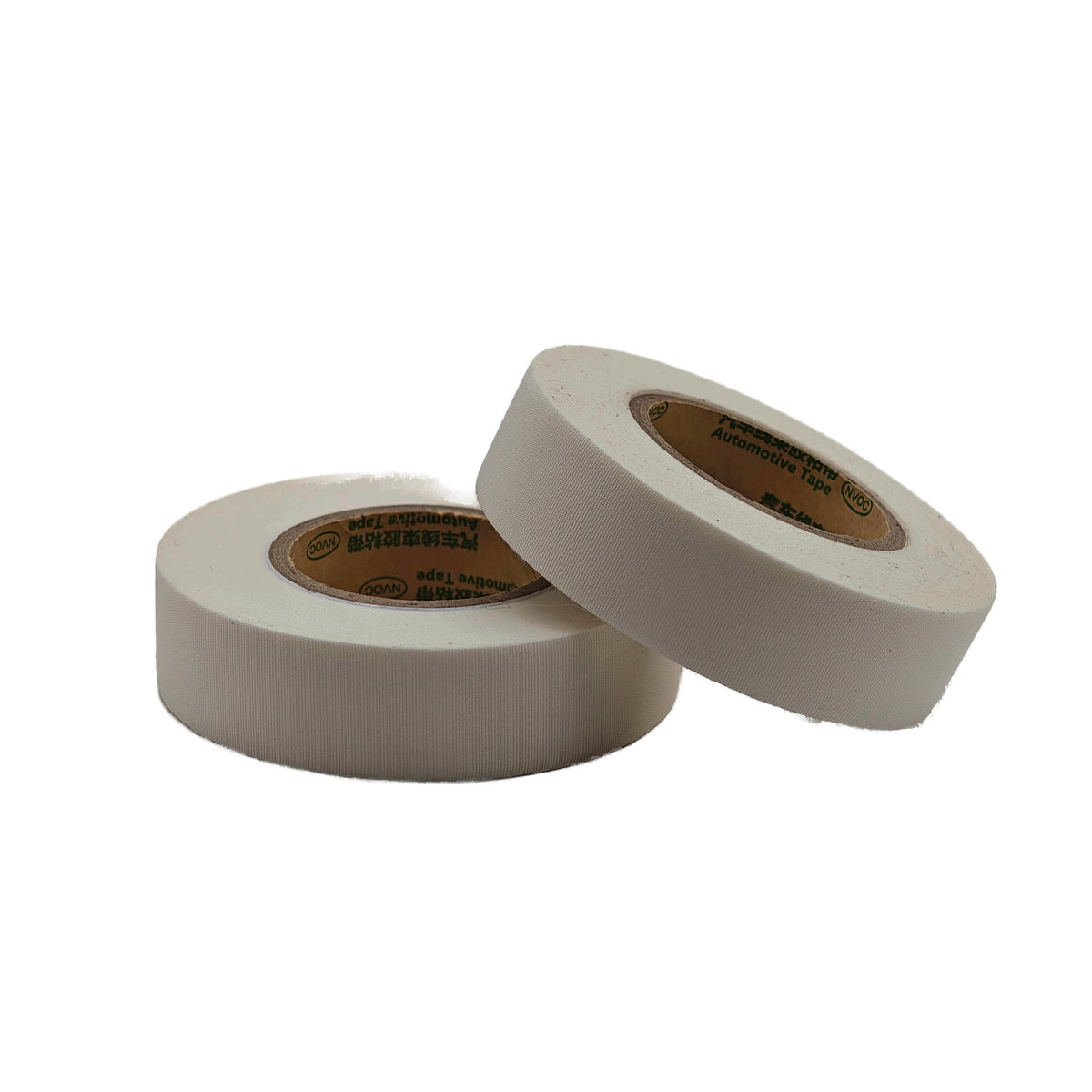
Ordering acetate cloth tape in large quantities requires careful planning and thorough inspection before commitment. Whether your business uses cloth tape for electrical insulation, harness wrapping, or equipment protection, purchasing in volume demands that you verify specifications, performance characteristics, and supplier reliability. The stakes are high: ordering the wrong product or substandard materials can lead to production delays, safety issues, equipment failures, and costly rework. This guide walks you through the critical checkpoints every buyer should evaluate before placing a bulk order.
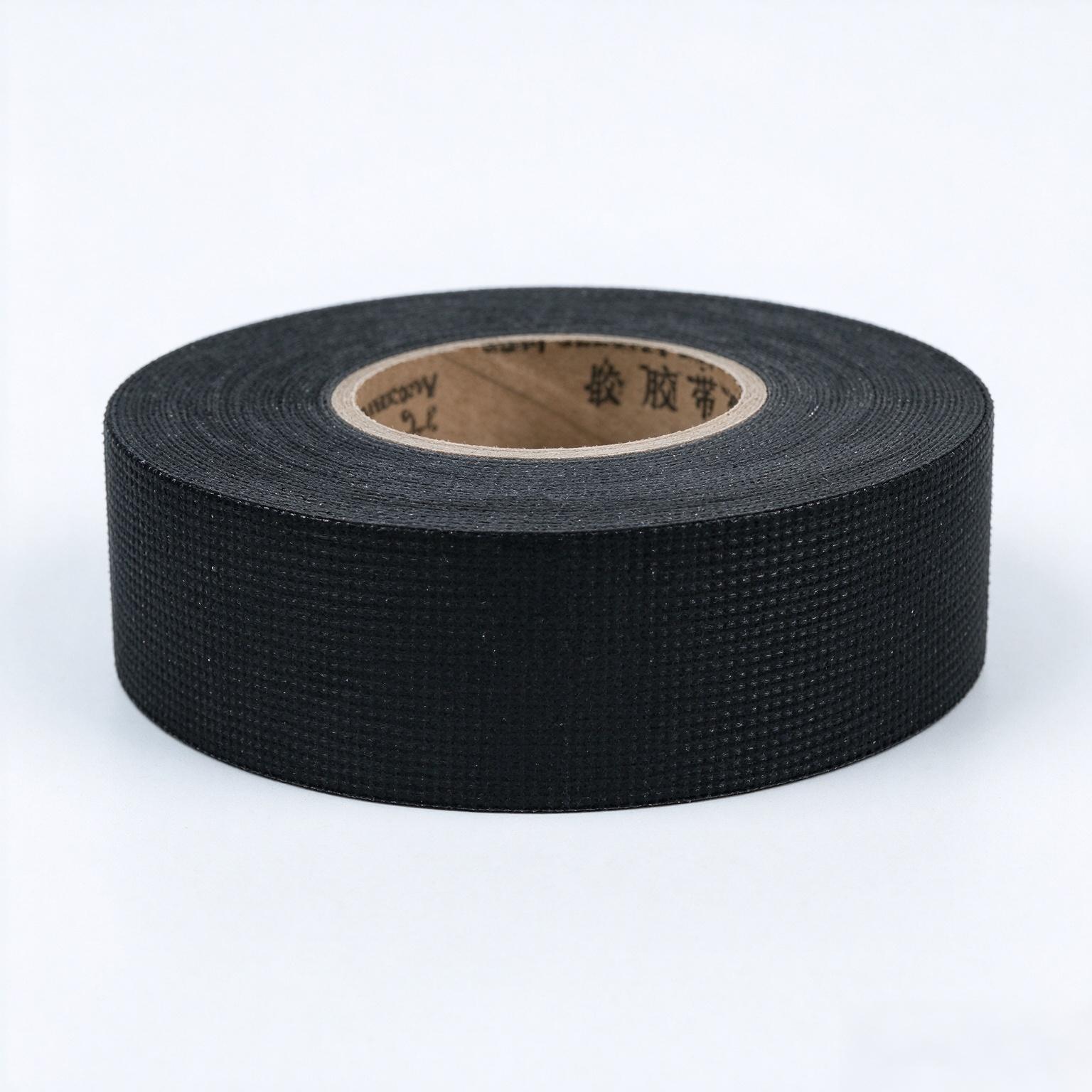
Bulk purchases of acetate cloth tape represent a significant material investment for manufacturers, contractors, and assembly operations. The quality, performance, and suitability of your cloth tape directly impact your end product reliability, manufacturing efficiency, and customer satisfaction. By understanding what to inspect and how to validate supplier claims, you protect your investment and ensure that your production timeline stays on schedule. The following sections outline the essential verification steps that separate smart purchasing decisions from costly mistakes.
Verify Adhesive Performance and Heat Resistance Specifications
Adhesive Strength and Temperature Range
The adhesive system bonded to cloth tape determines whether it will hold securely during manufacturing, storage, and final application. Before ordering in volume, request adhesive performance data that specifies holding strength across your expected temperature range. If your application requires heat resistant tape for use in environments above 60°C or near electrical components, the adhesive must not soften, flow, or lose tack under those conditions. Many suppliers offer standard acetate cloth tape with basic adhesive suitable only for room-temperature storage and handling, while specialty formulations provide superior heat resistance for demanding automotive and electrical harness applications.
Thermal Stability Testing and Documentation
Request documented test results showing how the cloth tape performs under heat exposure. Heat resistant tape must demonstrate stable adhesion strength after aging at elevated temperatures for specified durations. Ask your supplier for third-party test data such as ASTM standards for thermal stability, peel strength retention, and adhesive flow characteristics. If the supplier cannot provide thermal test certificates or only offers verbal assurances, this is a warning sign that their cloth tape may not meet your actual requirements. Verify that heat resistant properties align with your specific operating conditions, whether that involves automotive underhood exposure, electrical cabinet use, or industrial equipment assembly.
Assess Cloth Base Quality and Tear Resistance
Weave Density and Material Durability
The cloth substrate itself must be inspected for weave tightness, fiber quality, and durability under handling stress. Industrial-grade acetate cloth tape uses a closely woven cotton or synthetic fabric base that resists tearing, fraying, and delamination during application and use. Before finalizing your volume order, request a sample roll and physically test it by unrolling, tearing, and applying it to surfaces similar to your actual use case. Poor-quality cloth tape will tear easily, fray at the edges, and fail to maintain its structural integrity during handling. Check whether the cloth base shows consistent quality across the entire roll, with no variations in weave density, discoloration, or weak spots that might cause premature failure.
Consistency Across Roll Batches
Quality control is critical when ordering acetate cloth tape in bulk because you may receive multiple manufacturing batches. Ask your supplier what quality assurance procedures they follow to ensure batch-to-batch consistency. Request that the supplier provide test results or certificates for the specific lot numbers you will receive, rather than generic product specifications. Some suppliers maintain tighter manufacturing tolerances than others, and this difference becomes apparent only when you compare actual samples from different batches. If you notice visible variations in cloth color, adhesive coating thickness, or roll tension between batches, this indicates inconsistent manufacturing practices that may lead to intermittent problems in your production line.
Confirm Suitability for Automotive Harness and Electrical Applications
Compatibility with Electrical and Automotive Standards
If your cloth tape will be used for automotive harness wrapping, abrasion protection, or electrical insulation, verify that the product meets relevant industry standards. Automotive harness applications typically require compliance with specifications from vehicle manufacturers, such as Ford, General Motors, or Volkswagen standards, or broader automotive electronics standards such as ISO 9001 and UL certifications. Heat resistant tape used in under-hood environments must withstand exposure to oils, coolants, vibration, and temperature cycling without deteriorating. Before placing a large volume order, contact your end customer or your design specification team to confirm the exact standards your cloth tape must satisfy, and then request the supplier's certification documents proving compliance with those standards.
Chemical and Oil Resistance
Automotive harness protection often demands exposure to engine compartment fluids, including oil, coolant, and solvents. Test your sample cloth tape by exposing it to relevant oils or solvents used in your application environment, and verify that adhesion strength, material flexibility, and appearance remain acceptable after exposure. Poor chemical resistance will allow the adhesive to soften or the cloth to absorb liquids, leading to harness failure and safety risks. Request that your supplier provide chemical resistance test data specific to the fluids present in your application. This step is especially important if your automotive harness application involves high-performance or electric vehicle powertrain environments where thermal and chemical demands are more stringent.
FAQ
What is the minimum order quantity for bulk acetate cloth tape purchases?
Minimum order quantities vary by supplier but typically range from a single large roll to carton quantities of 20 to 50 rolls. Before committing to a volume order, clarify the supplier's minimum purchase requirements, lead time, and whether they offer sample quantities for testing. Some suppliers will provide small sample rolls at no cost to allow you to verify product quality and fit before placing a production order. Confirming minimum order quantity early in your evaluation prevents misunderstandings and allows you to plan your inventory and cash flow accordingly.
How do I verify that heat resistant tape meets my temperature requirements?
Request specific temperature ratings and thermal aging test data from your supplier. Heat resistant tape should include documentation showing adhesive and cloth performance at your maximum operating temperature for specified time periods. Ask whether the cloth tape is rated for continuous or intermittent heat exposure, and whether it performs differently in dry versus humid conditions. Cross-reference the supplier's claims with third-party test certificates or standards compliance documentation to confirm that the heat resistant properties genuinely match your application needs.
What should I check in a sample before ordering large quantities of cloth tape?
Request samples from your target supplier and evaluate tear strength, adhesive tack, flexibility, and surface quality. Test the cloth tape on materials similar to those in your production process, and verify that it adheres smoothly without bunching, air gaps, or adhesive bleeding. Check whether the tape unrolls smoothly without resistance, sticking to itself, or tearing prematurely. Additionally, store the sample roll in your actual work environment for one to two weeks and retest adhesion to confirm that storage conditions do not degrade performance. These hands-on checks reveal real-world compatibility far better than marketing brochures alone.
 EN