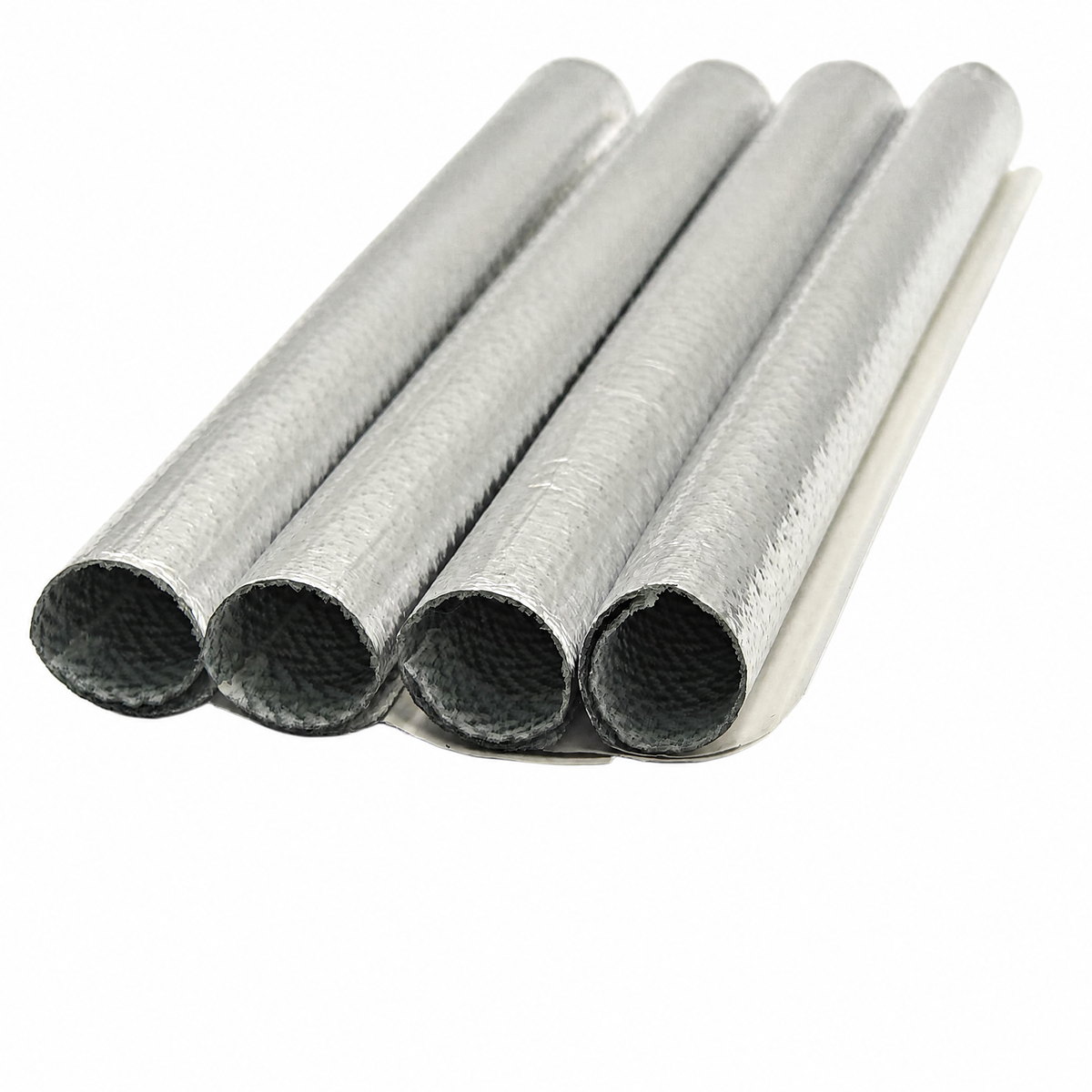
Electrical insulation systems depend critically on protective components that safeguard sensitive conductors from environmental stress, mechanical wear, and operational hazards. The performance of a wire harness sleeve directly impacts the reliability, longevity, and safety of entire electrical systems across industrial and automotive applications. Understanding the key factors that influence wire harness sleeve performance helps engineers, procurement teams, and maintenance professionals select appropriate solutions and prevent costly failures in the field.
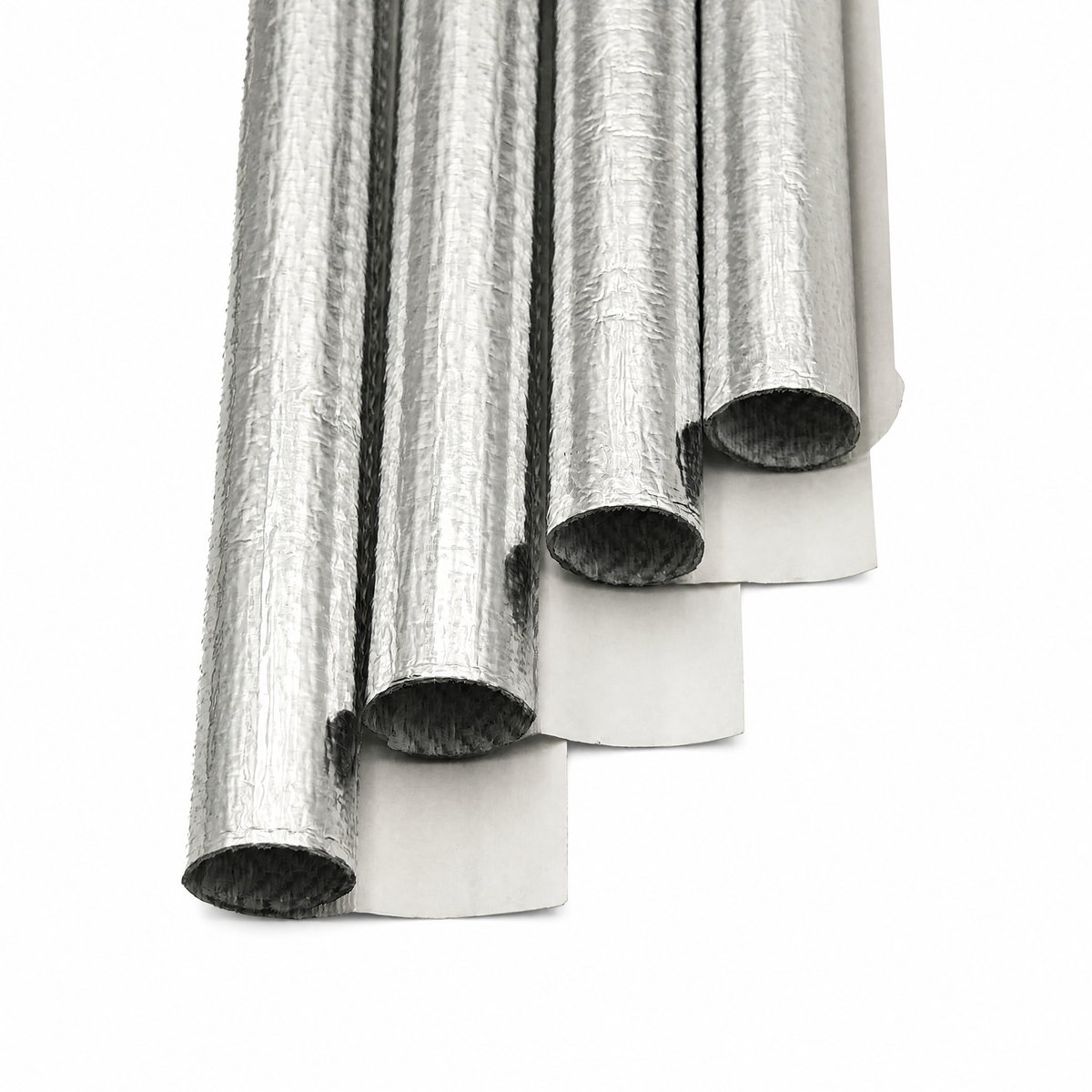
Multiple material properties, environmental conditions, and design specifications converge to determine whether a wire harness sleeve will deliver the protection and durability required in demanding operating environments. Cable protection performance is not simply a function of thickness or material type alone; rather, it represents a complex interaction between mechanical resistance, thermal stability, chemical compatibility, and installation methodology.
Material Composition and Chemical Resistance
Base Material Selection for Cable Protection
The foundational material of a wire harness sleeve determines its resistance to oils, solvents, coolants, and other fluids commonly encountered in automotive wiring systems and industrial applications. Elastomeric materials like silicone rubber offer excellent thermal range and flexibility, while thermoplastic compositions provide superior abrasion resistance and mechanical strength. Manufacturers must balance cost, performance requirements, and environmental exposure when selecting base materials for cable protection solutions that will function reliably across diverse conditions.
Compatibility with Conductor Insulation
Wire harness sleeve materials must remain chemically neutral and non-degrading when in direct contact with primary conductor insulation over extended service life. Incompatible materials can interact through plasticizer migration or extraction, weakening both the sleeve and underlying insulation. This compatibility requirement is especially critical in automotive wiring applications where temperature cycling and environmental chemical exposure continuously stress the interface between sleeve and wire.
Mechanical Properties and Abrasion Resistance
Surface Durability Under Friction
Abrasion resistance represents one of the most critical performance attributes for wire harness sleeve materials, particularly in engine compartments, undercarriage locations, and areas subject to vibration or movement against sharp edges or other components. The sleeve outer surface must withstand continuous rubbing, sharp contact points, and mechanical wear without degrading or allowing underlying insulation exposure. Testing standards such as ASTM D1044 quantify abrasion resistance through controlled wear cycles, ensuring that specified sleeves meet minimum durability thresholds for their intended applications.
Tensile Strength and Puncture Resistance
Beyond surface wear, the overall mechanical integrity of a wire harness sleeve depends on its tensile strength and resistance to puncturing or tearing under installation stress or operational pressure. Sleeves must accommodate wire bundle movement and vibration without splitting or developing weak points. Fiber reinforcement, whether woven or braided external layers, significantly enhances puncture resistance and maintains cable protection even when the sleeve experiences localized compression or contact with fasteners and mounting brackets.
Thermal Stability and Environmental Performance
Temperature Range and Thermal Cycling
Wire harness sleeve performance deteriorates significantly when operating temperatures exceed the material's thermal rating or when repeated thermal cycling causes dimensional changes and material embrittlement. Automotive wiring systems in engine compartments routinely experience temperature swings from below freezing to over 150 degrees Celsius. The sleeve material must maintain flexibility at low temperatures while resisting hardening and loss of abrasion resistance at elevated temperatures, ensuring continuous cable protection throughout the vehicle's operational life.
UV Resistance and Environmental Degradation
Ultraviolet exposure, ozone, moisture absorption, and aggressive chemical environments all contribute to the degradation of wire harness sleeve materials over time. Carbon black additives, UV stabilizers, and ozone-resistant elastomers are commonly incorporated into formulations to extend outdoor service life and maintain abrasion resistance under harsh exposure. Environmental performance testing, including outdoor weathering and accelerated aging protocols, helps verify that specified sleeves will maintain adequate cable protection across the full expected service duration.
Installation Factors and Design Integration
Diameter and Bundle Fit Considerations
The physical fit between wire harness sleeve and conductor bundle directly affects both installation success and operational performance of cable protection systems. Oversized sleeves offer easier installation but may shift or bunch during vibration, leaving portions of the wire bundle unprotected. Undersized sleeves create installation difficulty and stress that can damage wire insulation during assembly. Proper diameter selection ensures that the sleeve maintains uniform contact with the bundle, providing consistent abrasion resistance and environmental sealing throughout its length.
Routing and Mechanical Constraint
How the wire harness sleeve is routed, supported, and constrained within the vehicle or equipment significantly influences its protective effectiveness and durability. Sleeves must be secured to prevent abrasion against sharp edges, while allowing enough flexibility for normal bundle movement and thermal expansion. Improper routing can concentrate stress at certain points, reducing the effective cable protection that the sleeve provides and accelerating localized wear even if the material itself has excellent abrasion resistance characteristics.
FAQ
What are the most critical performance metrics for evaluating wire harness sleeve quality?
The primary performance metrics include abrasion resistance measured by weight loss per ASTM D1044, tensile strength and elongation specifications, temperature range rating, chemical resistance to oils and solvents, and UV stability data. Additionally, dimensional consistency, uniformity of wall thickness, and compatibility test results with primary wire insulation provide objective measures of sleeve quality and expected cable protection performance in specific applications.
How does temperature affect the long-term performance of automotive wiring sleeve materials?
Elevated temperatures accelerate material degradation processes including oxidation, plasticizer loss, and cross-link breakdown, reducing abrasion resistance and mechanical strength over time. Conversely, extremely low temperatures can cause embrittlement and loss of flexibility, compromising the sleeve's ability to conform to the wire bundle and provide consistent cable protection. Thermal cycling amplifies these effects by creating repeated stress cycles that eventually lead to material fatigue and protective failure.
Can a single wire harness sleeve material perform across all automotive wiring applications?
No single material excels across all requirements; different automotive wiring locations demand different performance priorities. Engine compartment applications prioritize high temperature resistance and abrasion resistance, while undercarriage locations require superior chemical resistance and environmental durability. Specifying the appropriate cable protection solution requires matching material properties to the specific environmental conditions, thermal profile, mechanical stresses, and chemical exposure expected in each wire routing location.
 EN