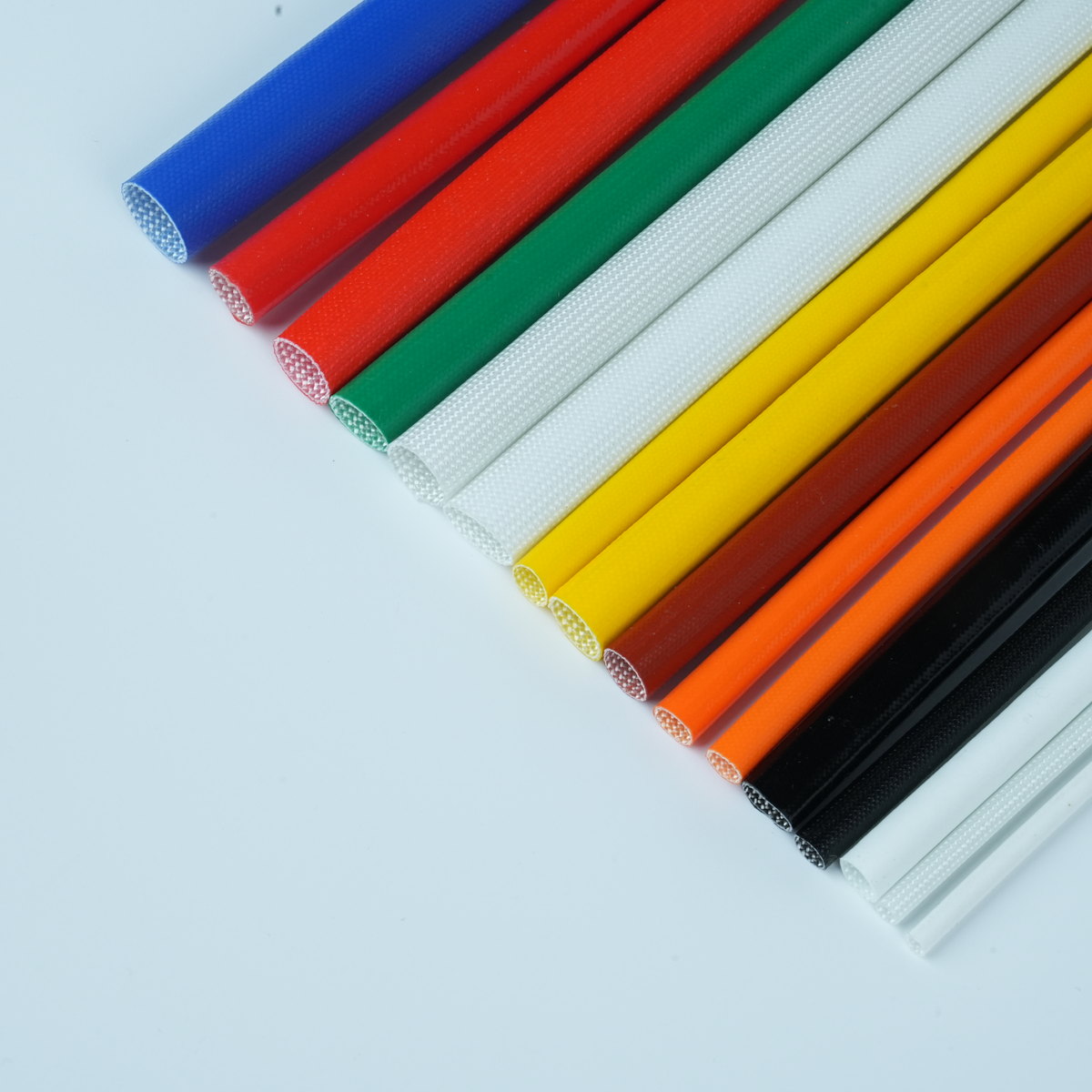
Energy storage systems demand precision engineering across every component, and fiberglass sleeving plays a critical role in ensuring reliable performance under demanding conditions. The integrity of insulation materials directly influences system efficiency, safety margins, and operational longevity. Understanding what affects fiberglass sleeving performance helps engineers and procurement professionals make informed decisions about material selection for energy storage applications.

The performance characteristics of fiberglass sleeving are shaped by multiple interconnected factors, including material composition, manufacturing quality, environmental exposure, and thermal cycling frequency. Energy storage systems operate in challenging thermal and electrical environments where insulation failures lead to costly downtime, safety hazards, and reduced asset life. This article examines the key performance drivers that determine how well fiberglass sleeving performs in real-world energy storage installations.
Thermal Dynamics and Heat Resistance Properties
Temperature Cycling and Thermal Stress
Fiberglass sleeving performance is heavily influenced by temperature cycling patterns in energy storage systems. Battery packs and power conversion equipment generate significant heat during charging and discharging cycles, creating thermal stress that tests the limits of insulation materials. Heat resistance of fiberglass sleeving depends on resin systems, fiber grade, and coating composition. When temperature swings exceed the material's designed operating range, the matrix can crack, delaminate, or lose mechanical strength.
In automotive wiring applications, where rapid thermal transients occur during acceleration and regenerative braking events, fiberglass sleeving must withstand repeated expansion and contraction without embrittlement. The expansion coefficient mismatch between fiberglass and conductive elements creates mechanical strain. Premium-grade fiberglass formulations maintain dimensional stability and electrical properties across broader temperature ranges, reducing failure risk during peak discharge cycles.
High Temperature Insulation Durability
High temperature insulation performance determines how long fiberglass sleeving remains effective in energy storage systems operating above standard ambient conditions. Silicone-impregnated fiberglass formulations offer superior performance compared to standard epoxy-based options when sustained temperatures approach 200°C or higher. The resin system's thermal stability directly controls the rate of property degradation at elevated temperatures. Polyimide and phenolic resins provide extended temperature ratings, making them preferred for grid-scale battery installations in hot climates.
Fiberglass sleeving selected for automotive wiring in hybrid electric vehicles experiences localized hotspots near power electronics where temperatures can spike beyond average system conditions. The insulation must resist accelerated aging mechanisms triggered by elevated temperatures, including oxidation, cross-linking degradation, and interface separation. Material testing at accelerated temperature conditions reveals whether fiberglass sleeving will maintain electrical withstand voltage and mechanical integrity throughout the intended service life.
Mechanical Integrity and Manufacturing Quality
Fiber Alignment and Weave Consistency
Fiberglass sleeving performance correlates directly with manufacturing consistency in fiber weave pattern and resin saturation uniformity. Energy storage systems subject wiring harnesses to vibration, mechanical compression, and flexing during thermal expansion events. Tightly woven, consistent fiber architecture resists puncture and tearing that would compromise electrical isolation. Manufacturing defects such as loose fibers, resin voids, and irregular thickness create weak points where insulation failures initiate.
Automotive wiring harnesses require fiberglass sleeving with precise outer diameter tolerances to ensure proper connector assembly and vibration isolation. Manufacturing variations affect how well the sleeving accommodates cable bundle swelling during thermal cycling. Suppliers using automated production processes with real-time quality monitoring produce more consistent fiberglass sleeving performance compared to batch-oriented methods. The weave tightness and finish coatings determine whether external contaminants penetrate the insulation structure.
Resin Impregnation and Coating Systems
The resin system impregnating fiberglass sleeving dramatically affects both electrical and mechanical performance in energy storage environments. Epoxy-based formulations offer excellent adhesion and moisture resistance, while silicone-based systems provide superior heat resistance and flexibility. Energy storage systems in humid or corrosive environments benefit from coatings that resist moisture absorption, which degrades electrical withstand voltage and promotes internal corrosion of conductors within the harness.
High temperature insulation applications require careful selection of resin chemistry that maintains performance when exposed to coolant fluids, salt spray, and thermal cycling. Fiberglass sleeving with aluminum foil or metalized polyester backing provides enhanced thermal management and EMI shielding for power distribution circuits in energy storage systems. The adhesion quality between the fiberglass weave and backing layers determines whether delamination occurs during thermal stress or mechanical impact.
Environmental and Installation Factors
Moisture Absorption and Chemical Resistance
Environmental conditions surrounding energy storage systems significantly impact how fiberglass sleeving performs over time. Moisture ingress reduces electrical withstand voltage and promotes conductor corrosion beneath the insulation layer. Fiberglass sleeving performance degrades in wet environments when the material lacks hydrophobic surface treatments or moisture barriers. Industrial energy storage facilities in coastal regions or high-humidity climates must specify fiberglass sleeving with sealed edges and hydrophobic resin systems.
Chemical exposure from battery electrolytes, thermal management fluids, and ambient pollutants can compromise fiberglass sleeving integrity. Automotive wiring in battery electric vehicles faces exposure to electrolyte vapors and thermal fluid aerosols during operation. Fiberglass sleeving must resist swelling, softening, or discoloration when exposed to these chemical stressors. Testing fiberglass sleeving samples in representative chemical environments validates long-term compatibility before full-scale deployment in energy storage systems.
Installation Practices and Mechanical Handling
How fiberglass sleeving performs depends partly on installation quality and handling procedures during assembly. Excessive tension during sleeving application can distort the weave pattern and weaken mechanical strength. Rough cable edges can abrade fiberglass sleeving from inside, creating potential puncture points. Technicians must follow established procedures for bundle preparation, sleeving diameter selection, and termination techniques to preserve the intended insulation properties.
Vibration during energy storage system operation can cause relative motion between the cable and fiberglass sleeving when initial fit is too loose. This abrasion gradually degrades the insulation and increases failure risk over time. Automotive wiring applications require tight, consistent fit to minimize micro-motion damage. Heat resistance of the final assembled system depends not only on material properties but also on proper installation that prevents gap formation and maintains full contact between the sleeving and conductor surface.
FAQ
What fiberglass sleeving properties matter most for energy storage systems?
The most critical properties are heat resistance rating, electrical withstand voltage, moisture resistance, and mechanical durability under thermal cycling. Energy storage systems operate across temperature ranges that test the limits of insulation materials. High temperature insulation must maintain electrical and mechanical properties without degradation. The fiberglass sleeving selected should match or exceed the specific requirements of the energy storage application, considering peak operating temperatures, cycle frequency, and environmental exposure.
How does automotive wiring in batteries differ from stationary energy storage?
Automotive wiring in battery systems experiences more aggressive thermal cycling, vibration, and mechanical stress than stationary installations. Heat resistance requirements are often higher due to power electronics operating at elevated temperatures near the battery pack. Automotive wiring harnesses must comply with automotive industry standards that demand superior performance consistency. Fiberglass sleeving for automotive wiring typically includes additional requirements for bend radius, abrasion resistance, and EMI shielding that differ from stationary energy storage applications.
Can high temperature insulation fiberglass sleeving be reused or does it require replacement?
Once fiberglass sleeving has been installed and thermally cycled in service, reuse is not recommended due to micro-damage, resin degradation, and potential loss of original properties. High temperature insulation fiberglass sleeving that has experienced thermal cycling shows reduced mechanical strength and flexibility even if visual inspection appears acceptable. Energy storage system maintenance procedures should treat fiberglass sleeving as a consumable that requires replacement during major overhauls to restore full insulation integrity and reliability.
 EN