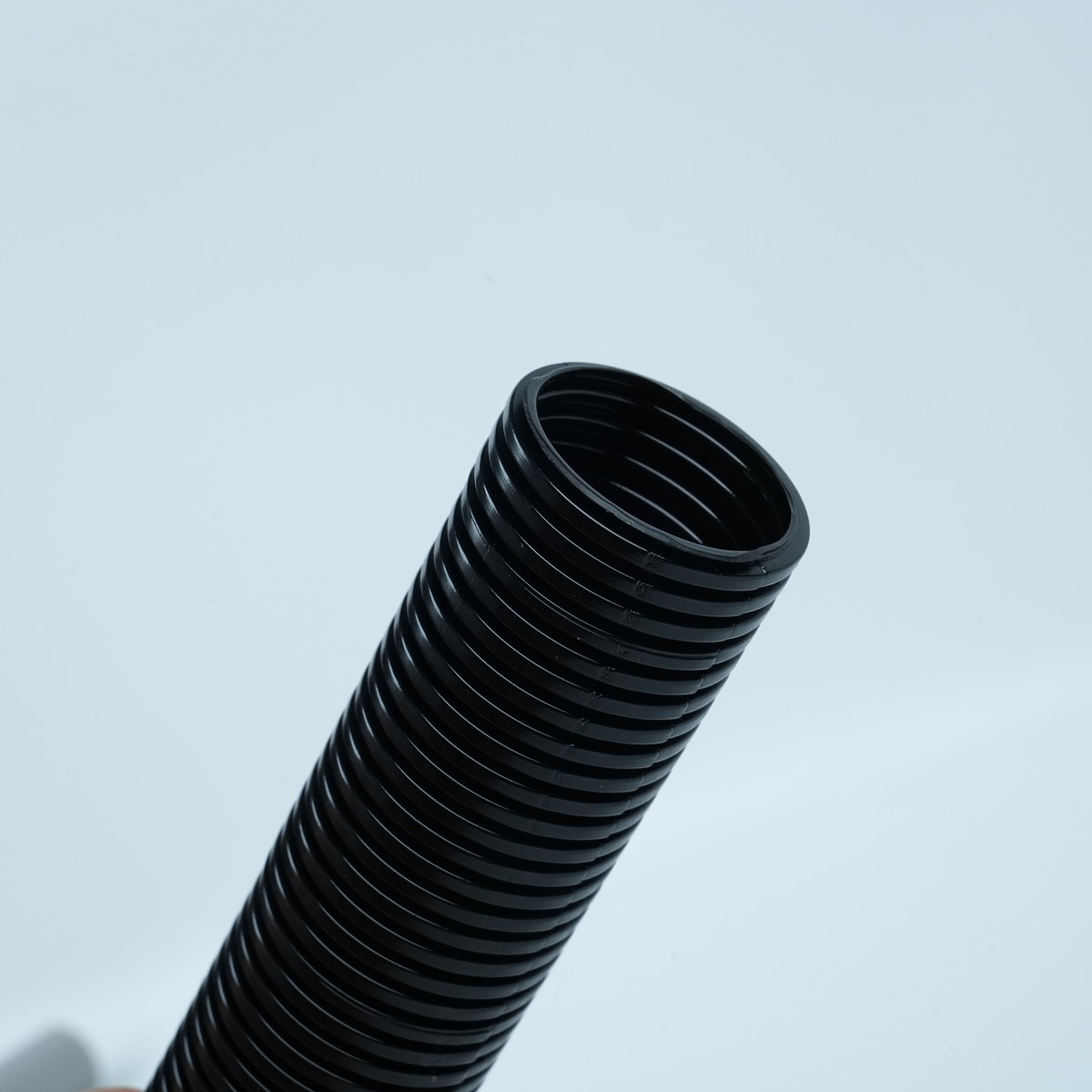
Effective cable bundle management depends on selecting the right protection systems, and corrugated conduit has become a critical component in industrial, automotive, and telecommunications applications. The performance of corrugated tubing in protecting and organizing cables goes far beyond simple containment. Multiple environmental, material, and design factors influence how effectively cable conduit manages bundles, prevents damage, and maintains system reliability throughout its operational life.
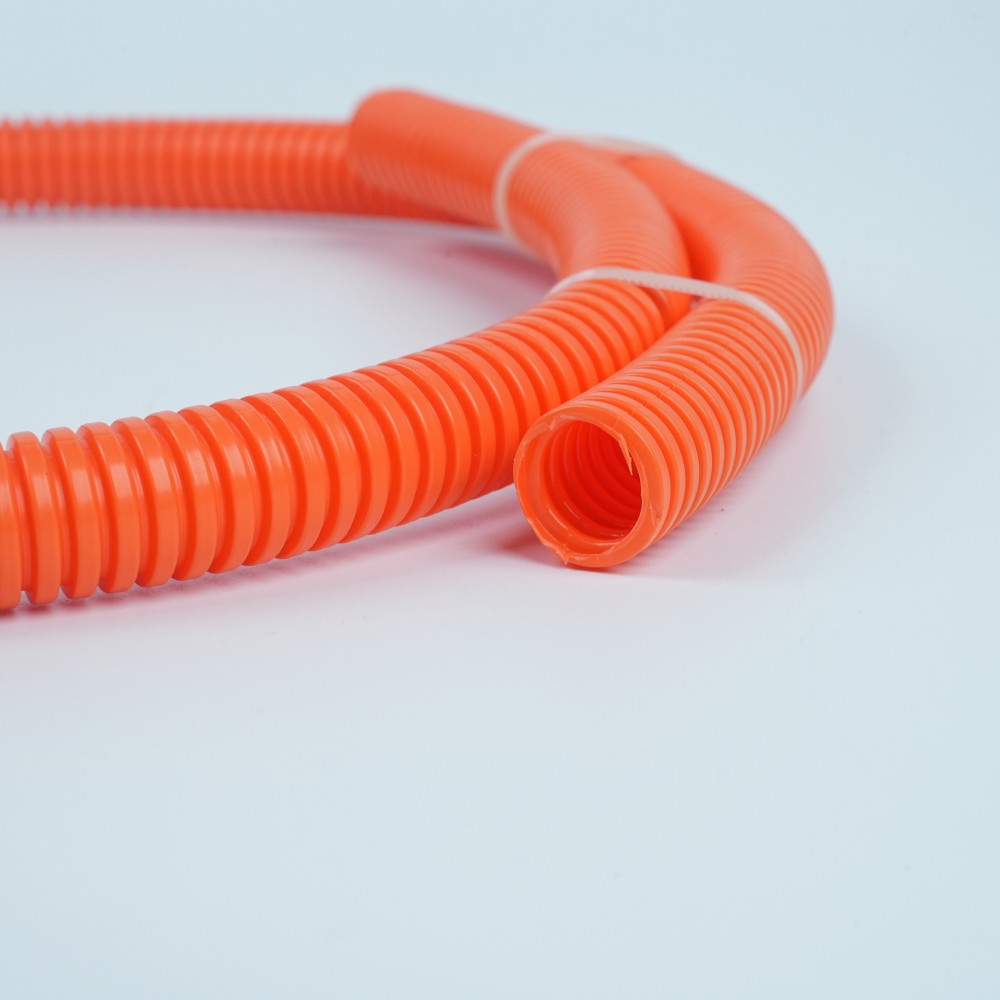
Understanding the variables that determine corrugated conduit performance allows engineers and procurement teams to make informed decisions during cable routing design phases. Performance isn't determined by a single factor but by the interaction between material properties, installation conditions, environmental exposure, and the specific demands of the cable bundle itself. This comprehensive guide explores the key performance drivers that affect corrugated tubing in real-world applications.
Material Composition and Durability Characteristics
Polymer Selection and Chemical Resistance
The base polymer used in corrugated conduit directly determines its resistance to oils, coolants, and chemical exposures common in industrial environments. Nylon-based corrugated tubing offers superior chemical resistance compared to polyethylene alternatives, particularly in automotive applications where hydraulic fluids and engine oils are present. Flame-retardant additives incorporated into the material enhance safety performance while maintaining flexibility and impact absorption properties essential for cable protection.
Material thickness and wall structure affect both protective capability and long-term durability. A thicker corrugated conduit provides better crush resistance and puncture protection, but cable routing applications must balance protection needs against bundle diameter constraints and installation accessibility. The corrugation pattern itself influences material strength, as deeper corrugations distribute stress more effectively and reduce deformation risk during cable routing and maintenance activities.
Temperature and Flame Performance
Operating temperature ranges significantly impact corrugated tubing performance characteristics and longevity. Standard nylon conduit typically handles temperatures between minus twenty and eighty degrees Celsius, but high-performance formulations extend this range for aerospace, automotive underhood, and industrial heating applications. Flame-retardant cable conduit meets UL and VDE safety standards, preventing propagation of electrical fires and reducing smoke generation during thermal events.
UV stability affects corrugated conduit performance in outdoor installations and applications exposed to intense ambient light. UV-stabilized formulations maintain flexibility and structural integrity over extended periods, preventing brittleness and cracking that could compromise cable bundle protection. This becomes critical in photovoltaic systems, outdoor telecommunications infrastructure, and equipment located in direct sunlight environments.
Installation Factors and Cable Routing Design
Bend Radius and Mechanical Stress
Cable routing configuration directly influences corrugated conduit performance through bend radius requirements and mechanical stress distribution. Minimum bend radius specifications ensure the cable bundle inside maintains signal integrity while the corrugated tubing resists kinking and permanent deformation. Tight cable routing with excessive bend stress reduces corrugated tubing service life and may cause localized cracking, creating pathways for moisture infiltration and contaminant entry.
Installation techniques affect how corrugated conduit performs under operational vibration and movement. Proper support spacing, routing clamps, and strain relief mechanisms reduce lateral motion and repetitive flexing that degrades conduit performance over time. In automotive applications, cable routing along engine compartments subjects corrugated tubing to continuous vibration, making installation methodology as important as material selection for achieving design life targets.
Bundle Density and Internal Pressure
The number and diameter of cables routed through corrugated conduit affect internal pressure distribution and overall system performance. Overstuffed cable bundles create radial pressure against corrugated tubing walls, increasing deformation risk and reducing protective effectiveness. Cable conduit sizing standards recommend filling approximately sixty to seventy percent of internal volume, allowing flexibility movement and thermal expansion without excessive compression that compromises protection.
Thermal cycling causes cables and corrugated tubing to expand and contract at different rates based on material properties. This differential expansion creates internal stress cycles that weaken conduit performance over time, particularly in applications with extreme temperature variations between operational and idle states. Proper cable routing that accounts for thermal movement prevents binding and maintains consistent conduit performance throughout the operational temperature range.
Environmental Exposure and Long-Term Performance
Moisture, Contamination, and Degradation Pathways
Corrugated tubing performance degrades when moisture, salt spray, and industrial contaminants penetrate the conduit structure. Sealed cable conduit systems with moisture barriers maintain superior performance in marine, chemical processing, and outdoor utility environments. Unsealed corrugated conduit allows condensation entry during thermal cycling, creating corrosion risks for internal copper conductors and connector terminations.
Mechanical damage during installation and maintenance represents a primary performance failure pathway for corrugated conduit. Sharp edges, rough handling, and improper routing practices create cracks and splits that rapidly degrade protective effectiveness. Quality cable routing practices emphasizing careful handling and proper bend radius compliance directly correlate with maintained conduit performance and extended system service life.
Compliance and Performance Certification
Industry standards and certifications define minimum corrugated conduit performance requirements across specific applications. UL certification verifies flame retardancy and electrical safety characteristics essential in electrical distribution environments. Automotive specifications ensure corrugated tubing withstands engine compartment thermal and chemical exposure while maintaining consistent performance over vehicle operational life.
Material certifications for RoHS compliance and halogen-free formulations affect corrugated conduit performance characteristics while meeting environmental and safety regulations. Cable routing system designers must balance performance requirements against regulatory compliance needs, ensuring selected conduit meets all applicable standards for intended applications. Performance testing protocols verify that corrugated tubing maintains protective capability after simulated operational stresses, ensuring specification compliance and field reliability.
FAQ
How does corrugated conduit thickness influence cable bundle protection?
Thicker corrugated tubing provides enhanced crush resistance and puncture protection, critical for high-pressure environments and abrasion-prone cable routing applications. However, increased thickness reduces flexibility and may create installation constraints in space-limited designs. Engineers must balance protection requirements against bend radius specifications and routing accessibility to optimize conduit thickness for specific applications while maintaining corrugated conduit performance.
What environmental factors most significantly impact corrugated tubing longevity?
UV exposure, moisture infiltration, extreme temperature cycling, and chemical contact represent primary environmental stressors affecting cable conduit performance duration. Sealed, UV-stabilized corrugated conduit formulations dramatically extend service life in outdoor installations and harsh industrial environments. Proper cable routing practices that minimize moisture entry and mechanical stress directly extend corrugated tubing operational life and maintain protection effectiveness.
Can standard corrugated conduit meet automotive underhood performance requirements?
Standard corrugated tubing may not withstand extended underhood temperatures exceeding eighty degrees Celsius and exposure to engine oils and hydraulic fluids. High-temperature, chemical-resistant cable conduit formulations specifically engineered for automotive applications maintain performance in demanding underhood environments. Selecting properly rated conduit ensures corrugated tubing provides consistent cable routing protection throughout vehicle operational life and maintenance intervals.
 EN