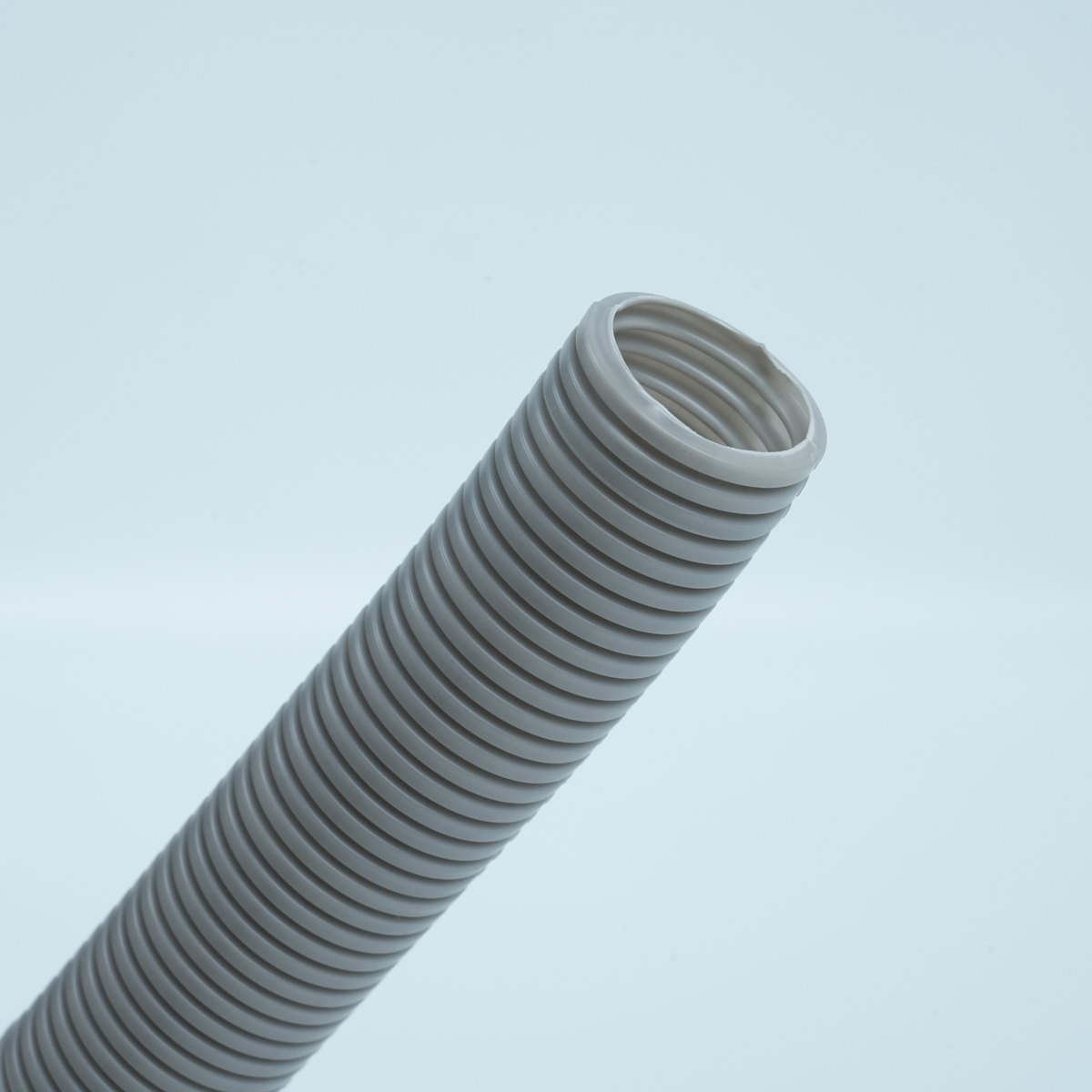
Protecting electrical wiring in automotive and industrial applications requires careful attention to the materials and methods used to shield cables from damage, heat, and environmental exposure. A wire loom conduit serves as a critical component in any harness assembly, yet many engineers and technicians overlook key inspection and selection criteria that directly impact system reliability. Understanding what to check when evaluating split loom products ensures your wire harness protection meets both immediate performance requirements and long-term durability standards.
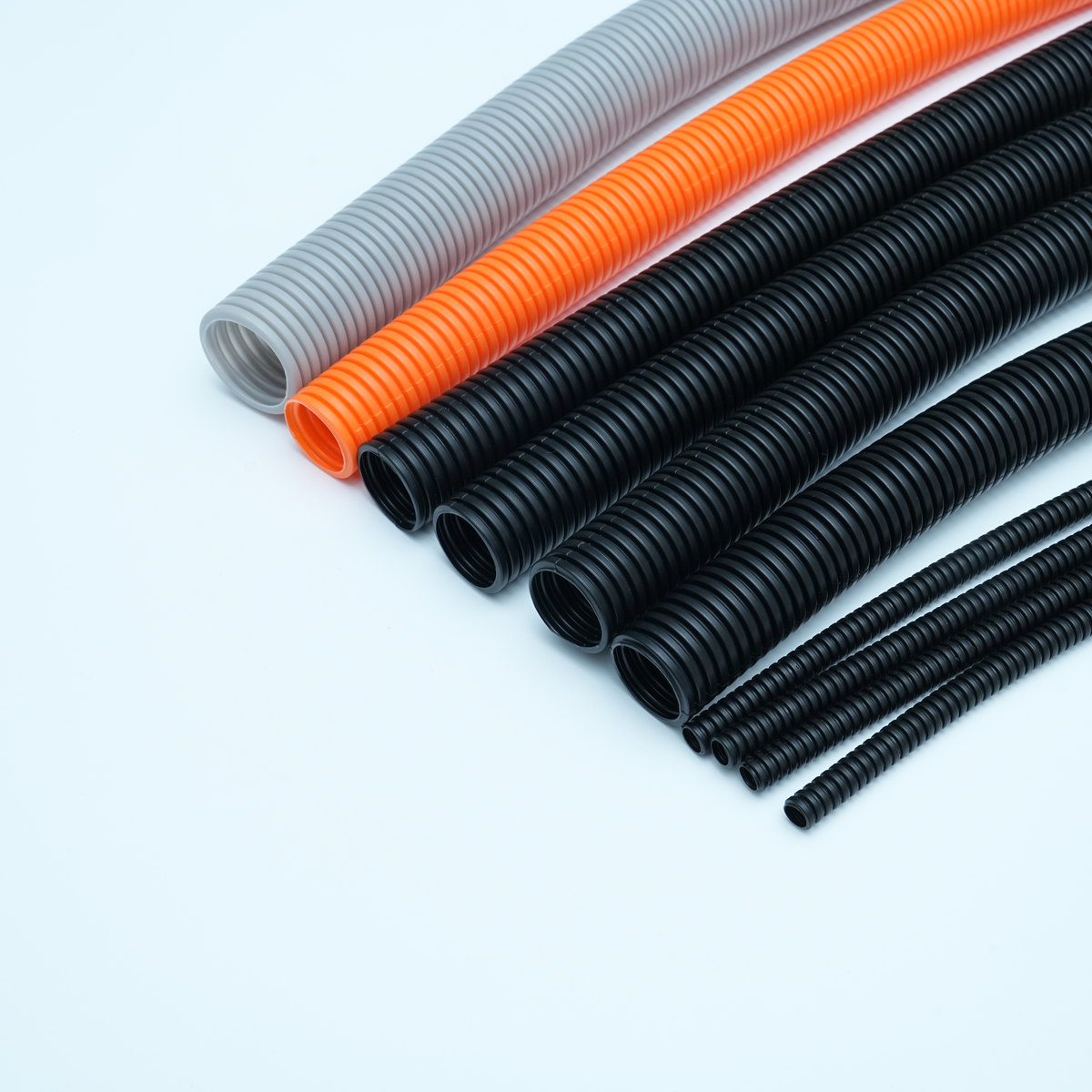
The purpose of split loom extends beyond simple cable bundling. Proper wire harness protection prevents abrasion damage, reduces electromagnetic interference, improves thermal management, and enhances the overall safety of electrical systems in vehicles, machinery, and equipment. Before specifying any conduit solution, you must verify material composition, assess environmental tolerance, check installation compatibility, and confirm compliance with relevant industry standards. This comprehensive evaluation process prevents costly field failures and ensures automotive wiring systems perform reliably throughout their operational life.
Material Composition and Flame Resistance
Evaluating Conduit Material Standards
The base material of split loom directly determines its protective capabilities and lifespan. Most industrial-grade split loom options use polyethylene terephthalate (PET), nylon, or polypropylene as the primary material. Each material offers distinct advantages and limitations when applied to wire harness protection. PET-based split loom provides excellent flame resistance and tensile strength, making it ideal for under-hood automotive wiring where temperature fluctuations and exposure to engine heat are constant concerns. Nylon conduit offers superior flexibility and abrasion resistance, benefiting applications where vibration and mechanical stress degrade less robust materials.
Flame Rating and Temperature Tolerance
Always verify the flame rating of your wire loom conduit before installation. Products meeting UL 1441 or equivalent standards demonstrate proven resistance to ignition and flame propagation. Temperature tolerance must exceed the maximum ambient temperature your wiring will experience by a safety margin of at least 20 degrees Celsius. For automotive wiring applications, under-hood temperatures can reach 120–140°C; selecting split loom rated only to 100°C creates unnecessary risk. Check manufacturer datasheets for specific flame-retardant certifications and temperature operating ranges. Wire harness protection fails prematurely when the conduit material degrades from thermal stress, so this verification step is non-negotiable in automotive environments.
Physical Integrity and Installation Compatibility
Wall Thickness and Durability Factors
Split loom thickness directly correlates with puncture and abrasion resistance. Standard split loom typically ranges from 0.75 mm to 2.0 mm in wall thickness. Thinner conduit reduces weight and improves flexibility but sacrifices durability in high-vibration or rough-handling environments. For automotive wiring harnesses subjected to engine vibration, under-body routing, and potential contact with sharp edges, minimum 1.5 mm wall thickness is recommended. Examine the split loom sample under magnification to confirm consistent wall density and absence of thin spots or voids. Inconsistent material distribution compromises wire harness protection and shortens conduit lifespan by 30–50 percent in demanding applications.
Proper Sizing and Fit Verification
Selecting the correct inner diameter is critical for effective wire harness protection. Split loom must accommodate the bundled cable diameter comfortably without excessive slack or crushing pressure. When the conduit is too loose, wires shift during vibration and puncture the inner walls. When split loom is oversized, it provides inadequate protection and may detach during installation. Measure your wire bundle diameter accurately and select split loom with an internal diameter approximately 1.0 mm to 1.5 mm larger than the bundle. Test-fit the conduit around a sample bundle before committing to full-scale production orders. For automotive wiring, this verification prevents installation failures that compromise system safety and performance.
Environmental Resistance and Long-Term Performance
Moisture, Oil, and Chemical Exposure
Wire loom conduit must withstand exposure to moisture, engine oil, coolant, and road salts without degradation. Braided split loom with woven construction provides superior chemical resistance compared to smooth-walled varieties because the open weave structure allows moisture migration rather than trapping it against the wire insulation. Verify that your selected conduit resists UV degradation if any portion will be exposed to direct sunlight. UV-stabilized split loom maintains flexibility and tensile strength for 5–10 years in outdoor automotive wiring applications, while unstabilized products become brittle within 12–24 months. Request material safety data sheets and confirm specific resistance ratings for oil, coolant, and salt spray environments matching your deployment scenario.
Vibration and Mechanical Stress Resilience
Automotive wiring systems experience continuous mechanical stress from engine vibration, road surface impacts, and thermal expansion cycles. Split loom must flex repeatedly without cracking, splitting, or separating from the bundled wires. Bend radius specifications indicate the minimum curve diameter where conduit maintains integrity. For critical automotive wiring applications, choose split loom designed for continuous flexing with a bend radius no greater than four times the outer diameter. Test the split loom by wrapping it around mandrels matching your installation geometry and flexing it 1,000–5,000 cycles to confirm no visible cracks or stress whitening develops. This practical verification ensures wire harness protection persists throughout the vehicle's operational life despite constant mechanical loading.
Installation Standards and Industry Compliance
Routing and Attachment Best Practices
Proper installation of split loom begins with route planning that avoids sharp edges, high-temperature zones, and moving mechanical components. Secure wire loom conduit using cable ties or adhesive-backed straps rated for the expected environmental conditions. In automotive wiring, under-body routing requires corrosion-resistant stainless steel or nylon cable ties rather than standard galvanized steel. Space attachment points no more than 300 mm apart on horizontal runs to prevent sag and potential abrasion. Avoid routing split loom directly against hot surfaces; maintain at least 50 mm clearance from exhaust manifolds and engine components exceeding 150°C. Wire harness protection depends equally on installation discipline and material quality, so train installation personnel on these routing standards before production implementation.
Inspection Protocols and Quality Verification
Implement systematic inspection of installed wire loom conduit at production checkpoint intervals. Visual inspection should verify complete coverage of bundled wires, absence of splits or tears, proper attachment spacing, and clean routing without kinks or sharp bends. For high-reliability automotive wiring systems, perform continuity testing and thermal imaging scans to confirm the conduit does not cause inadvertent grounding or thermal hotspots. Establish incoming material inspection protocols that verify flame ratings, measure wall thickness at three points per sample, and confirm material certifications match the engineering bill of materials. Quality assurance for wire harness protection requires ongoing monitoring because material batch variations, supplier changes, and environmental storage conditions can compromise performance without visible external indicators.
FAQ
What flame rating should I require for automotive wire loom conduit?
For automotive applications, specify UL 1441 V-0 or equivalent flame rating at minimum. This certification ensures the split loom self-extinguishes when exposed to flame and does not propagate fire hazards. Under-hood environments and engine compartments require this highest flame classification because wire loom conduit sits in proximity to high-temperature components and potential ignition sources. Verify the flame rating appears on the physical product and matches the accompanying technical documentation to confirm no counterfeit or misgraded material enters your supply chain.
How do I determine the correct split loom size for my wire bundle?
Measure the outer diameter of your complete bundled wires using a caliper or micrometer. Select split loom with an internal diameter 1.0 to 1.5 millimeters larger than this measurement. This sizing ensures adequate protection without excessive pressure that crushes wire insulation or loose fit that allows movement and internal abrasion. Always test-fit sample conduit around a representative bundle before full production release to confirm proper compression and protective coverage.
Can split loom be used in high-temperature engine compartments without additional protection?
Standard split loom rated to 105–125°C functions adequately in many engine compartments, but verify your specific application maximum temperatures. Under-hood areas directly adjacent to exhaust manifolds or turbochargers often exceed 150°C, requiring high-temperature split loom or additional thermal shielding. In such zones, combine wire loom conduit with reflective heat wrap or maintain mechanical clearance from high-temperature sources. Always design wire harness protection with a 20–30 degree safety margin above the expected maximum ambient temperature.
 EN