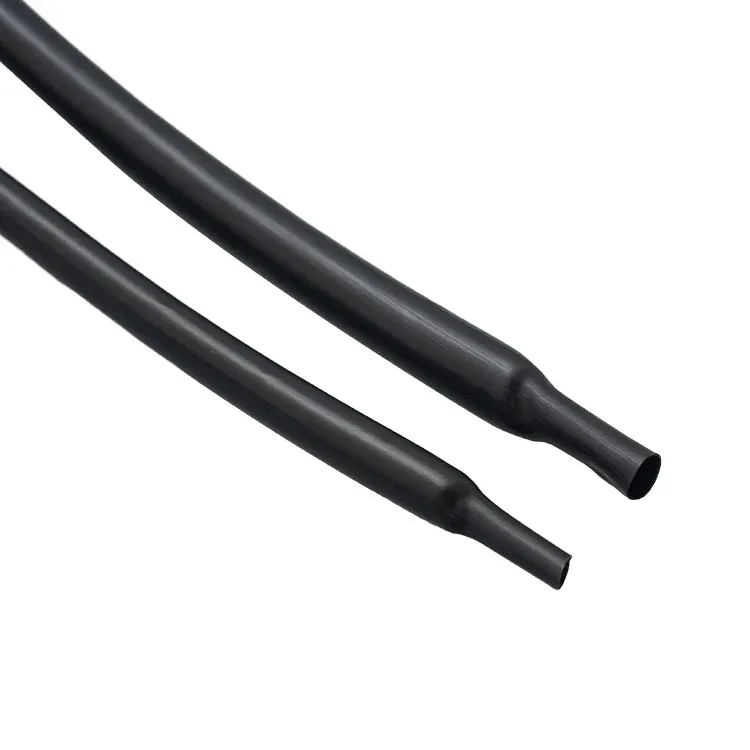
Curved cable routes present unique engineering challenges that demand specialized protection solutions. When cables must navigate tight bends, transitions, and complex spatial layouts, standard protection methods often fall short. PTFE sleeving has emerged as a critical component in modern cable management systems, particularly where flexibility and durability intersect with demanding operational requirements. Understanding how to select the right PTFE sleeving for your curved cable routes requires knowledge of material properties, application context, and performance trade-offs that directly impact system reliability and maintenance costs.
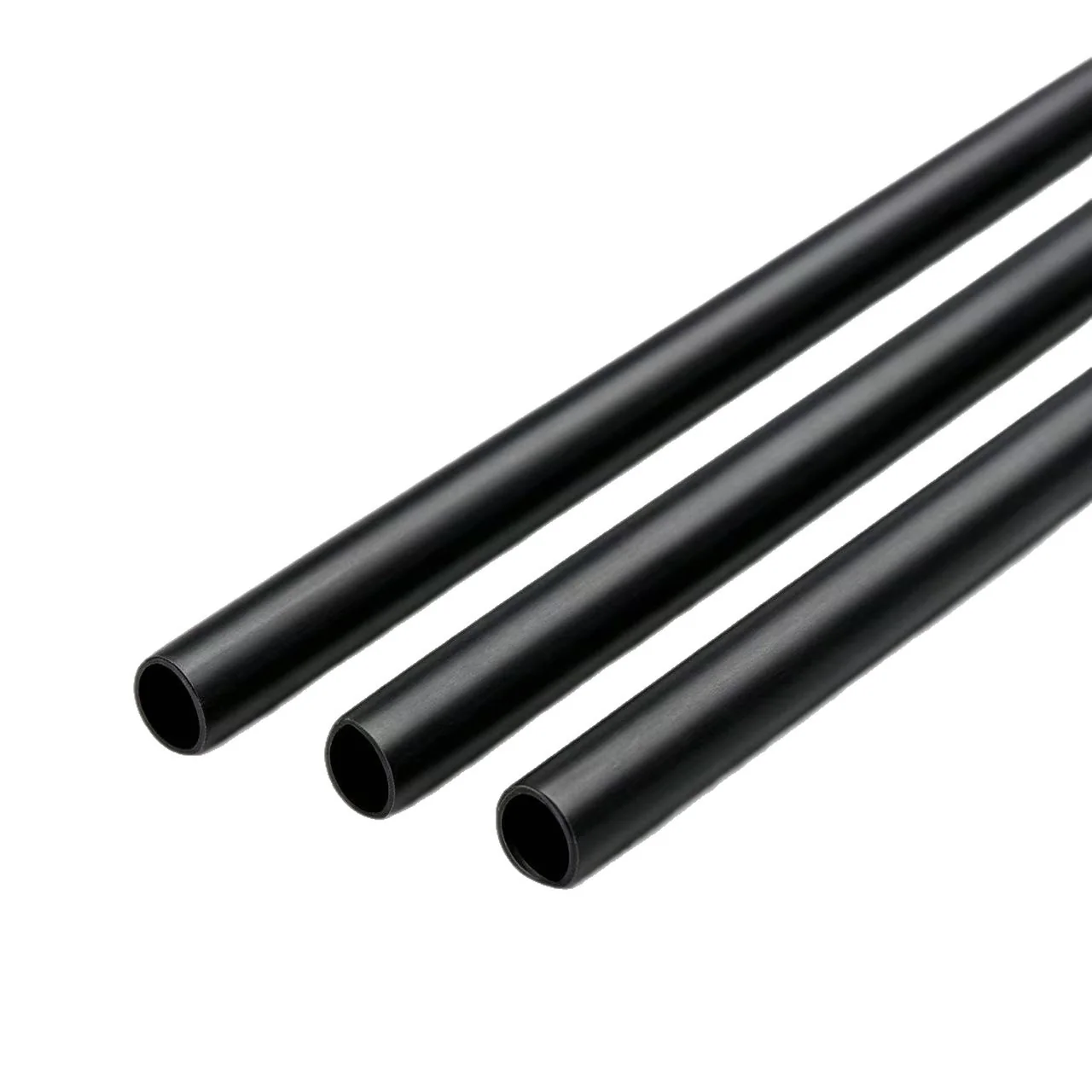
Engineers routinely face pressure to minimize installation time while maximizing system longevity. PTFE sleeving addresses both concerns by combining superior cable protection with ease of deployment along curved pathways. Its low-friction surface resists degradation from repeated bending cycles, abrasion from adjacent components, and environmental contamination. This combination of benefits makes PTFE sleeving particularly valuable in aerospace, industrial automation, medical device manufacturing, and heavy equipment applications where cable integrity directly affects operational safety and performance consistency.
Understanding PTFE Sleeving Material Properties
High Temperature Performance and Chemical Resistance
PTFE sleeving excels in high temperature environments where conventional cable protection materials degrade or become brittle. The material maintains structural integrity across a broad temperature range, typically from negative sixty degrees to two hundred sixty degrees Celsius, depending on specific formulation and thickness. This thermal stability makes high temperature environments far less concerning for cable designers. PTFE's non-reactive chemical composition resists oils, solvents, refrigerants, and aggressive processing fluids that would compromise other sleeving materials. For curved cable routes installed in manufacturing facilities, chemical processing plants, or thermal management systems, this chemical resistance eliminates the need for secondary protective barriers.
Low Friction and Bend Radius Compatibility
The defining characteristic of PTFE sleeving is its exceptionally low friction coefficient, which hovers near 0.05 to 0.10 compared to typical plastic sleeves at 0.30 to 0.60. This low-friction surface becomes especially valuable when cables must navigate tight curves without pulling away from protective covering or creating pressure points that concentrate mechanical stress. Engineers can achieve tighter bend radii with PTFE sleeving than competing materials, reducing installation space requirements and system complexity. Cable protection through PTFE sleeving means operators face fewer installation constraints and can route conductors along naturally curved or spiral pathways without excessive force or risk of insulation damage during the sleeving application process.
Selection Factors for Curved Cable Route Applications
Bend Radius Requirements and Cable Diameter Matching
Selecting appropriate PTFE sleeving begins with precise measurement of your cable's outer diameter and the tightest bend radius within your installation path. PTFE sleeving comes in standard inner diameter increments, and proper sizing ensures the cable can slide freely during installation while the sleeving maintains continuous contact once positioned. Undersized sleeving creates installation friction and potential insulation abrasion, while oversized sleeving permits cable movement that defeats the protection purpose. Most manufacturers provide detailed sizing charts linking cable diameter to recommended inner diameter tolerances. For curved routes, verify that the minimum bend radius specification for your chosen PTFE sleeving matches or exceeds the actual radius constraints in your installation environment.
Wall Thickness and Application Severity Assessment
PTFE sleeving thickness directly influences its protective capability and flexibility characteristics. Thicker wall versions provide superior abrasion resistance and puncture protection in high-severity environments where cables pass near sharp edges, rotating machinery, or high-pressure systems. Thin-wall PTFE sleeving preserves maximum flexibility and accommodates tighter bend radii, making it ideal for space-constrained applications where cable bundles must navigate complex three-dimensional curves. Medium-wall options balance protection and flexibility for general industrial cable protection tasks. Assess your application severity by evaluating mechanical hazards, environmental contamination risk, thermal cycling frequency, and expected cable service life. This assessment guides whether thin-wall, medium-wall, or heavy-wall PTFE sleeving best suits your specific curved cable route installation.
Temperature Profile and Electrical Insulation Coordination
Operating temperature ranges directly influence both PTFE sleeving performance and electrical insulation requirements. High temperature environments demand careful coordination between the cable insulation rating and the surrounding PTFE sleeving characteristics. PTFE sleeving does not itself provide electrical insulation; rather, it supplements the cable's primary insulation by providing mechanical and chemical protection. Confirm that your cable insulation maintains its rated performance across the high temperature range where PTFE sleeving will operate. In some applications, PTFE sleeving enhances electrical insulation properties by isolating the conductor from moisture, conducting dust, and contaminants that could create leakage paths. For critical applications, consult material specifications to verify that both the cable insulation and PTFE sleeving retain full performance across your operational temperature envelope.
Installation and Performance Optimization Strategies
Curved Route Installation Best Practices
Installing PTFE sleeving along curved cable routes requires technique that respects the material's properties while maintaining installation efficiency. Begin by securing one end of the sleeving while threading the cable through with steady, even pressure. The low-friction surface of PTFE sleeving permits smooth cable passage with minimal force, reducing installation time compared to traditional rigid conduit or higher-friction sleeves. Along curves, support the sleeving at regular intervals using cable clips or routing channels designed for PTFE material to prevent kinking or compression. Heat-shrinkable variants of PTFE sleeving offer additional convenience on curved routes by conforming precisely to cable contours and eliminating gaps that could permit moisture or dust ingress. Post-installation verification ensures the sleeving has maintained continuous contact with the cable throughout all curves and transitions, with no bunching or separation at bend points.
Maintenance and Long-Term Reliability Considerations
PTFE sleeving requires minimal maintenance once properly installed, yet periodic inspection preserves long-term reliability. Visual checks for surface cracks, compression damage, or separation from the cable can identify potential protection compromises before they allow contaminant intrusion. In high-temperature environments experiencing frequent thermal cycling, PTFE sleeving maintains dimensional stability far better than alternative materials, reducing maintenance frequency. The chemical resistance of PTFE sleeving means that cable protection persists even in facilities where oil spray, coolant mist, or solvent vapors permeate the work environment. For curved routes subject to vibration or repeated flexing, PTFE sleeving resists fatigue cracking better than rigid conduit options, extending service intervals and reducing total cost of ownership across the cable's operational lifetime.
FAQ
Can PTFE sleeving replace primary cable insulation?
No, PTFE sleeving functions as a supplementary protection layer and should never replace the cable's primary electrical insulation. Its role is to shield the insulation from mechanical damage, abrasion, temperature extremes, and chemical exposure. Always verify that your cable's original insulation meets electrical safety requirements for your application, and treat PTFE sleeving as an added mechanical safeguard that extends cable lifespan and maintains protection integrity in harsh environments.
What makes PTFE sleeving suitable for high temperature applications compared to other materials?
PTFE sleeving maintains structural integrity and flexibility across extreme temperature ranges without becoming brittle or shrinking appreciably. Unlike polyethylene or vinyl sleeves that degrade when exposed to high temperature conditions, PTFE resists thermal decomposition and preserves its low-friction properties across wide temperature variations. Its chemical inertness at elevated temperatures prevents reactions with oils, solvents, or other substances that become more reactive at high temperature exposure levels, ensuring consistent cable protection throughout the entire operational temperature range.
How do I determine the correct PTFE sleeving size for my curved cable route?
Measure your cable's outer diameter precisely, then consult the manufacturer's sizing chart to select an inner diameter that permits smooth cable passage without excessive clearance. Account for any cable insulation or connector overwrap that increases the effective diameter at certain points along the route. For curved sections, verify the minimum bend radius specification matches your installation constraints. Contact the manufacturer's technical team if your cable diameter falls between standard sizes, as they often provide intermediate options or can recommend the best-fit solution for your specific curved cable route configuration.
 EN