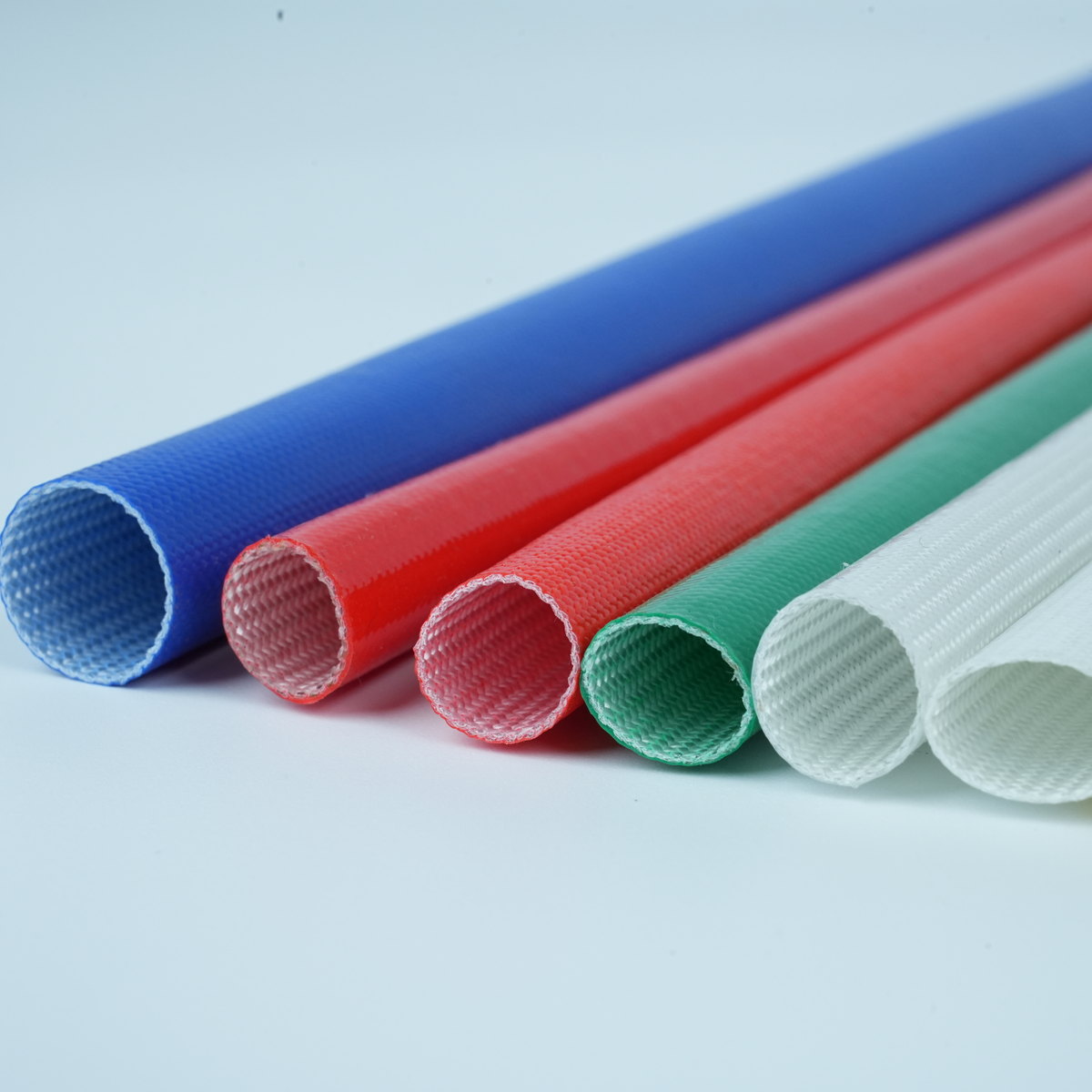
Selecting the right protective material for electrical wiring in demanding industrial environments requires careful technical evaluation. PTFE sleeving has become a critical component in applications where standard insulation materials fall short, but specifying it correctly demands understanding multiple technical parameters. Engineers working on projects involving extreme temperatures, corrosive chemicals, or high-performance equipment face significant consequences if they overlook key performance criteria during the specification process. This article outlines the essential verification checkpoints that engineering teams should complete before finalizing any PTFE sleeving selection.
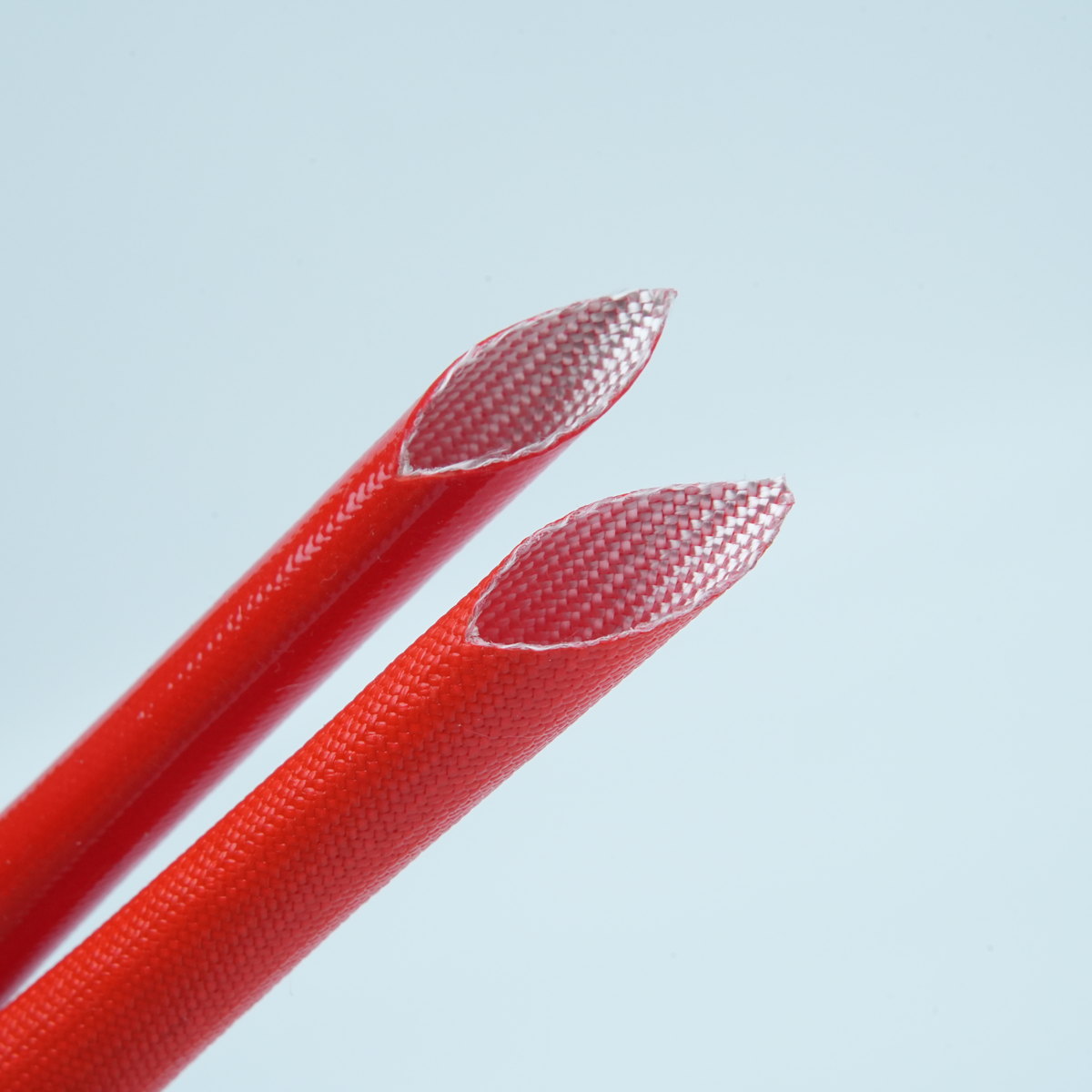
The decision to specify PTFE sleeving should never be made in isolation from the complete operational context of your application. Material selection impacts reliability, safety, maintenance costs, and project timelines significantly. Understanding what to verify before commitment ensures your design meets performance requirements and avoids costly redesigns or field failures.
Temperature and Environmental Operating Conditions
Defining the Full Temperature Range
Before specifying any ptfe tubing product, engineers must establish the complete operating temperature envelope. This includes sustained operating temperatures, thermal cycling limits, and temperature excursion scenarios. PTFE sleeving maintains exceptional performance in extreme conditions, but different grades and thicknesses respond differently to thermal stress. Verify whether your application requires continuous operation at elevated temperatures or intermittent exposure to thermal spikes. Also evaluate ambient conditions where cables are routed, stored, or installed, as these may differ significantly from the active operating environment where the wire insulation must perform.
Thermal Cycling and Material Degradation
Repeated heating and cooling cycles create mechanical stresses that can compromise the integrity of lesser protective materials. PTFE tubing demonstrates remarkable resistance to thermal cycling, but verification requires documenting the specific cycle parameters your application imposes. Engineers should specify the frequency of thermal cycles, the temperature differential between peaks and valleys, and the total number of expected cycles over the product lifecycle. Chemical resistance properties may also shift with thermal cycling, so cross-checking temperature tolerance against chemical exposure creates a more accurate specification foundation.
Chemical Compatibility and Resistance Requirements
Identifying All Fluid Exposure Scenarios
Chemical resistance remains one of the primary reasons engineers select PTFE sleeving for critical applications. However, comprehensive chemical verification requires identifying every fluid the wire insulation will encounter. This includes process chemicals, coolants, cleaning solvents, hydraulic fluids, and incidental spills or exposure events. Create a detailed chemical inventory rather than making assumptions about likely exposures. Test data for chemical resistance exists for most common industrial fluids, but custom or mixed-chemical environments demand consultation with material specialists. PTFE tubing shows excellent resistance to most solvents, but confirming compatibility with specific process chemicals prevents unexpected failures.
Compatibility Documentation and Long-term Exposure
Engineers must verify that chemical resistance remains stable under prolonged exposure and elevated temperatures combined. Short-term immersion testing differs significantly from extended contact in industrial operations. When chemical resistance testing at operating temperature with your specific fluid is available, this becomes the most reliable verification checkpoint. Consider whether any chemicals will interact with metallic components adjacent to the PTFE sleeving or wire insulation, as secondary reactions can compromise material performance. Additionally, verify that cleaning or maintenance procedures planned for your equipment remain compatible with the selected protective sleeving material.
Mechanical and Physical Performance Criteria
Wall Thickness and Mechanical Protection
The mechanical durability of PTFE sleeving depends heavily on wall thickness, manufacturing quality, and the specific abuse potential within your installation environment. Thinner-wall ptfe tubing reduces cost and weight but may not withstand mechanical damage from abrasion, impacts, or sharp edges along cable routing paths. Engineers should verify the expected mechanical stresses including vibration, cable flexing, thermal expansion mismatch with adjacent components, and potential contact with sharp edges or rough surfaces. For applications in harsh field environments, slightly heavier wall thicknesses often prove cost-effective by reducing field failures and emergency service calls.
Dimensional Consistency and Assembly Compatibility
Verify that the inner diameter of your selected PTFE sleeving accommodates the wire or cable bundle with appropriate clearance for expansion and easy installation. Tight fits create installation challenges and risk damaging the wire insulation during assembly. Confirm that outer diameter dimensions work within your available routing space and connector compatibility requirements. Wire insulation performance depends not only on material selection but also on proper assembly without damage or compression during installation. Specifications should include dimensional tolerances, surface finish requirements, and any end-treatment specifications such as sealed or chamfered ends.
Regulatory Compliance and Industry Standards
Meeting Application-Specific Standards
Different industries maintain specific material qualification requirements for protective sleeving and wire insulation. Aerospace applications often require military specifications, pharmaceutical manufacturing demands FDA or USP compatibility, food processing may require NSF certification, and automotive electronics follow specific OEM standards. Engineers must verify that the selected PTFE sleeving grade meets all applicable regulatory requirements for the target application and geography. Certification documents should accompany material specifications, and batch traceability requirements should be established before procurement. Discovering regulatory non-compliance late in production creates expensive delays and potential safety liabilities.
Performance Testing and Supplier Verification
Request material test reports documenting chemical resistance, thermal stability, and mechanical properties specific to the exact ptfe tubing product being specified. Reputable suppliers provide detailed technical documentation and can often perform custom testing on specific fluid combinations or environmental conditions relevant to your application. Verify that testing has been conducted at the actual operating temperatures and durations your equipment will experience. Engineers should also confirm supplier quality systems and traceability procedures, particularly for critical or safety-related applications where material consistency directly impacts performance.
FAQ
What is the maximum continuous operating temperature for PTFE sleeving?
PTFE sleeving can typically operate continuously at temperatures up to 260°C, with short-duration exposures tolerating higher peaks. Verify the specific temperature rating for your selected product grade, as some specialized formulations may offer different limits. Always confirm actual performance requirements with technical data sheets and material suppliers for your exact application conditions.
How does PTFE tubing compare to other protective materials like silicone or PVC sleeving?
PTFE tubing excels in chemical resistance and high-temperature performance but typically costs more than silicone or PVC alternatives. When applications demand superior chemical resistance, extreme temperatures, or extended service life in harsh environments, PTFE sleeving's superior durability often justifies the higher initial material cost. Select based on your specific performance requirements rather than cost alone.
Can PTFE sleeving be used in food processing or medical device applications?
Yes, PTFE sleeving meets FDA and USP requirements for many food and pharmaceutical applications when properly certified. Verify that your specific product carries appropriate certifications and confirm compatibility with any cleaning or sterilization procedures your application requires. Work with suppliers who maintain pharmaceutical-grade quality systems and traceability documentation for these regulated industries.
 EN